
Flowers
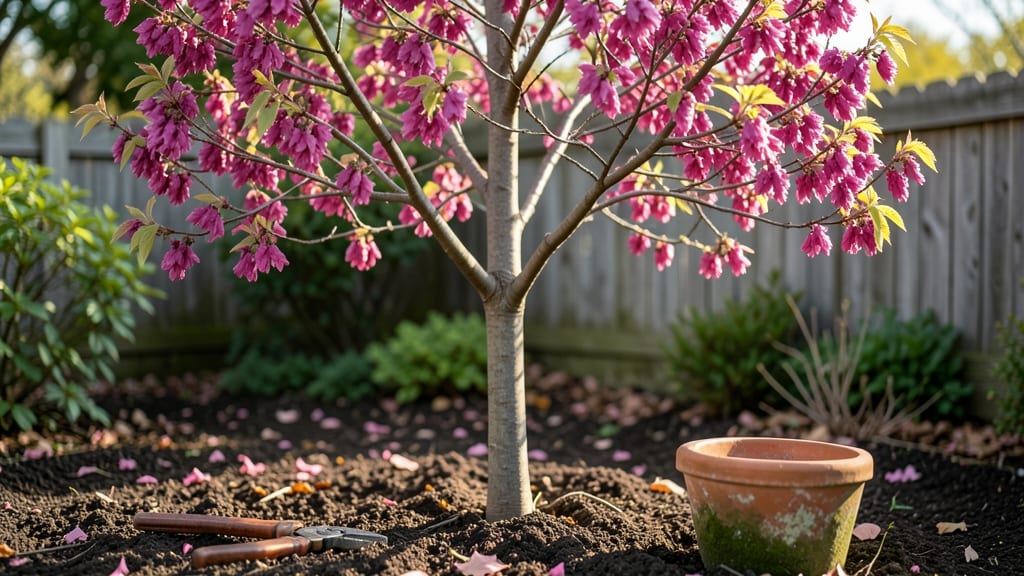
The tree with bright pink flowers that steals the show every spring is the Eastern Redbud, Cercis canadensis—its cascading blossoms arrive before the leaves, turning your yard into a dreamy pink cloud.
I still remember the first time I saw one in full bloom: the way the branches sagged under the weight of those delicate petals, and how the scent lingered in the air like a secret.
This isn’t just a pretty face; it’s a low-maintenance workhorse that thrives in full sun and even tolerates urban pollution, making it perfect for city gardens or small yards where space is tight.
What makes the Redbud so special is its versatility—it grows as an understory tree in forests or as a striking focal point in a front yard, reaching 20-30 feet tall with a spread just as wide.
Pair it with blue fescue grass for a soft contrast or plant it near a patio where you can enjoy the fragrance up close.
And here’s the best part: it’s not picky about soil, so even if your yard is rocky or clay-heavy, this tree will still put on a show. The flowers fade into heart-shaped leaves by summer, but the bark adds winter interest, so you get seasonal drama without extra effort.
To keep your Redbud blooming its best, give it full sun to partial shade and water it deeply once a week during its first year—after that, it’s drought-tolerant. Prune in late winter to shape it or remove dead branches, but avoid heavy pruning in spring when the buds are forming.
Within a few years, you’ll have a fragrant, shade-providing tree that neighbors will envy. The real magic happens when you plant one near a bench or walkway, turning every spring stroll into a romantic escape.
If you love the Redbud but want more options, consider Crape Myrtle for dramatic summer blooms or Cherry Blossom trees for a softer, weeping habit. Both thrive in full sun and offer pink floral displays that brighten any landscape.
The key is choosing the right spot—somewhere where you’ll see the flowers every day, because once they’re in bloom, you’ll never want them to fade.
📚 In This Guide
- What you need
- Instructions
- Tips and common mistakes
- Wrapping up and next steps
What you need
- ● Pink-flowering tree sapling: Choose a Cercis canadensis (Eastern Redbud) or Lagerstroemia (Crape Myrtle) for stunning pink blooms. Ensure it’s a 1-3 gallon container-grown plant for best results.
- ● Well-draining potting soil: 50 lbs of a balanced mix (60% topsoil, 30% compost, 10% perlite or sand) for planting.
- ● Organic fertilizer: A slow-release, 10-10-10 NPK blend (e.g., Osmocote) to kickstart growth.
- ● Mulch: 2-3 inches of wood chips or shredded bark to retain moisture and regulate soil temperature.
- ● Garden trowel or spade for digging.
- ● Watering can or hose with a gentle spray nozzle (avoid high pressure!).
- ● Pruning shears (sterilized with rubbing alcohol) for shaping.
- ● Garden gloves to protect your hands.
- ○ Measuring tape (optional, for spacing multiple plants).
- ● A sunny location with at least 6-8 hours of direct sunlight daily.
- ● Well-draining soil (avoid clay-heavy or waterlogged areas).
- ● Patience! These trees take 2-5 years to reach full bloom but are worth the wait. 🌸
- ● Tree stake (if planting in windy areas).
- ● Epsom salt (1 tbsp/month in water) for magnesium boost.
- ● Decorative stones or pebbles for a polished garden bed.
- ● Drip irrigation system for consistent watering.
Step-by-Step guide to planting and caring for a fragrant pink-flowering vine
Here’s how to grow a stunning, fragrant vine that bursts with bright pink blooms all season long.
🌱 Step 1: Choose the Right Vine and Planting Location
For vibrant pink flowers and intoxicating fragrance, Campsis radicans (trumpet vine) or Lonicera sempervirens (coral honeysuckle) are top picks. Both thrive in full sun (at least 6 hours daily) and need sturdy support like a trellis, fence, or pergola. Avoid planting near walkways—these vines grow aggressively and can overtake structures.
Test your soil’s drainage by digging a 6-inch hole and filling it with water. If it drains within 30 minutes, your site is ideal. Amend heavy clay with 2 inches of compost to improve aeration. I always plant in early spring after the last frost, when soil warms to 60°F—this gives roots time to establish before summer heat.
🪴 Step 2: Prepare the Planting Site and Install Support
Install your trellis or support structure before planting. For a 6-foot trellis, drive posts 2 feet deep into the ground, spaced 8 feet apart, then attach horizontal wires or lattice panels. This gives your vine immediate structure to climb, preventing weak, sprawling growth.
Dig a hole twice as wide as the root ball but only as deep—planting too deep suffocates the stem. Loosen the roots gently if they’re circling in the pot, then place the vine in the hole. Fill around it with native soil, pressing lightly to remove air pockets. Water deeply to settle the soil and encourage root contact.
☀️ Step 3: Water and Fertilize for Strong, Blooming Growth
Water deeply once a week during the first growing season, aiming for 1-2 inches of moisture per week. Let the top 2 inches of soil dry between waterings—overwatering leads to root rot, especially in heavy clay. Mulch with 2-3 inches of shredded bark around the base (keep it 6 inches away from the stem) to retain moisture and suppress weeds.
Feed your vine in early spring with a balanced, slow-release fertilizer (10-10-10 ratio). Scatter ½ cup around the root zone and water it in. Skip fertilizing after mid-summer—new growth won’t harden off before frost, and you’ll end up with tender vines that die back in cold snaps.
✂️ Step 4: Prune for Health and More Flowers
Prune in late winter or early spring before new growth begins. Remove dead, diseased, or crossing branches first—these compete for energy. Then, cut back one-third of the oldest wood to encourage fresh, vigorous growth. For trumpet vine, trim just above a leaf node where new blooms will form.
Throughout the season, pinch back new shoots to 6-8 inches to promote bushier growth. This prevents leggy vines and ensures more clusters of those show-stopping pink flowers. I always wear gloves—both vines have mildly toxic sap that can irritate skin.
🌿 Step 5: Enjoy and Maintain for Years of Blooms
Watch for aphids or spider mites on new growth—spray infested areas with neem oil if you spot sticky residue or tiny webs. Deadhead spent blooms by cutting stems back to the nearest leaf node to encourage continuous flowering until frost. Coral honeysuckle may need light winter protection in Zone 6 or colder—wrap the trellis in burlap if temperatures dip below 10°F.
Your vine will reward you with fragrant, pink cascades by its second year. To keep it thriving, repeat spring pruning and fertilizing annually. With proper care, these vines live decades, becoming a cherished focal point in your garden.
Tips & tricks for perfect fragrant pink-flowering vines
These game-changing tips will help you cultivate a thriving, fragrant vine that bursts with pink blooms year after year.
Sunlight Strategy: The 6 hours of daily full sun mentioned in Step 1 is non-negotiable for vibrant blooms. If your location gets less than that, consider planting near a south-facing wall or fence that reflects sunlight. I’ve seen trumpet vines grow surprisingly well in partial shade, but the flowers will be less abundant and fragrant. A simple trick: monitor your vine’s leaves—if they’re pale or sparse, it’s not getting enough light.
Support System: Installing your trellis or support structure before planting (as mentioned in Step 2) is a game-changer. I can’t stress enough how much this prevents weak, sprawling growth. For a sturdy setup, use metal or wooden posts that extend at least 2 feet deep into the ground. This anchors the vine and prevents it from toppling in wind or heavy blooms. If you’re working with a limited space, a small trellis or even a sturdy fence will work beautifully.
Soil Prep: The drainage test in Step 1 is crucial—if water doesn’t drain within 30 minutes, your vine will struggle. For heavy clay soil, mix in 2 inches of compost before planting to improve aeration. I’ve also had great success adding a handful of perlite or coarse sand to the planting hole. This creates a well-draining environment that mimics the vine’s natural habitat and encourages strong root growth.
Pruning Precision: When pruning in late winter or early spring (Step 4), focus on cutting just above a leaf node. This is where new growth and blooms will emerge. For trumpet vine, I like to make my cuts at a slight angle to prevent water from pooling and rotting the stem. Throughout the season, pinch back new shoots to 6-8 inches to encourage bushier growth. This might seem counterintuitive, but it actually results in more clusters of those stunning pink flowers.
Pro Tips for Tree With Bright Pink Flowers
- These game-changing tips will help you cultivate a thriving, fragrant vine that bursts with pink blooms year after year.
- Sunlight Strategy: The 6 hours of daily full sun mentioned in Step 1 is non-negotiable for vibrant blooms.
- Support System: Installing your trellis or support structure before planting (as mentioned in Step 2) is a game-changer.
Frequently asked questions
Got questions about those stunning trees with bright pink flowers? You’re not alone! Here are some of the most common queries—and their answers—to help you grow (or enjoy) these vibrant beauties with confidence.
What’s the best tree with bright pink flowers for full-sun gardens?
The Coral Arbour (Vitex agnus-castus) and Pink Trumpet Tree (Tabebuia impetiginosa) are top picks for full sun. If you prefer vines, Coral Honeysuckle (Lonicera sempervirens) delivers fragrant pink blooms and thrives in sun-drenched spots. For a smaller option, Pink Abelia (Abelia × grandiflora) is a low-maintenance shrub with long-lasting flowers.
When do these trees bloom, and how long do the flowers last?
Most pink-flowering trees bloom in late spring to summer, with some (like the Pink Trumpet Tree) offering a second flush in fall. Coral Arbour’s flowers last 4–6 weeks per season, while Abelia’s blooms appear intermittently from June through frost. Prune after flowering to encourage next year’s display!
Do these trees need special care in hot, dry climates?
While many (like Vitex) are drought-tolerant once established, mulch heavily and water deeply 1–2 times per week during the first year. For extra heat protection, plant in morning sun with afternoon shade if possible. Container-grown trees may need daily watering in extreme heat.
Can I grow a pink-flowering tree in a pot? Which one is easiest?
Yes! Dwarf Coral Arbour (Vitex ‘Purpurea’) and Pink Bougainvillea are the most container-friendly. Use a 5-gallon pot minimum with fast-draining soil and repot every 2–3 years. Bougainvillea thrives in pots but needs regular pruning to control its sprawling growth.
Are these trees good for attracting pollinators like bees and butterflies?
Absolutely!
Pink-flowering trees like Coral Honeysuckle and Butterfly Bush (Buddleia) are pollinator magnets. Their nectar-rich blooms draw bees, hummingbirds, and butterflies. For maximum impact, plant near native wildflowers to create a full-season buffet for beneficial insects.
Why aren’t my pink flowers opening, or are they falling off?
Check these common issues:
- Underwatering: Wilting or dropping blooms? Increase watering (but avoid soggy soil).
- Over-fertilizing: Too much nitrogen = leafy growth, no flowers. Use a balanced 10-10-10 fertilizer instead.
- Pests: Spider mites or aphids can stress plants. Spray with neem oil if you spot them.
- Pruning at the wrong time: Avoid heavy pruning during bloom season—wait until late winter/early spring.
Wrapping up and next steps
Discovering a tree with bright pink flowers like the fragrant Campsis radicans (trumpet vine) or Bignonia capreolata (cross vine) can transform your sunny garden into a vibrant, inviting oasis.
These stunning climbers thrive in full sun, offering year-round beauty, low maintenance, and wildlife-friendly blooms—perfect for adding color and charm without the fuss. Whether you're a seasoned gardener or just starting, these vines are a game-changer for effortless elegance.
Ready to bring home your own slice of floral magic? Start small—plant a single vine in a sunny spot, experiment with training techniques, and watch your garden bloom with confidence! 🌸