
Light Requirements
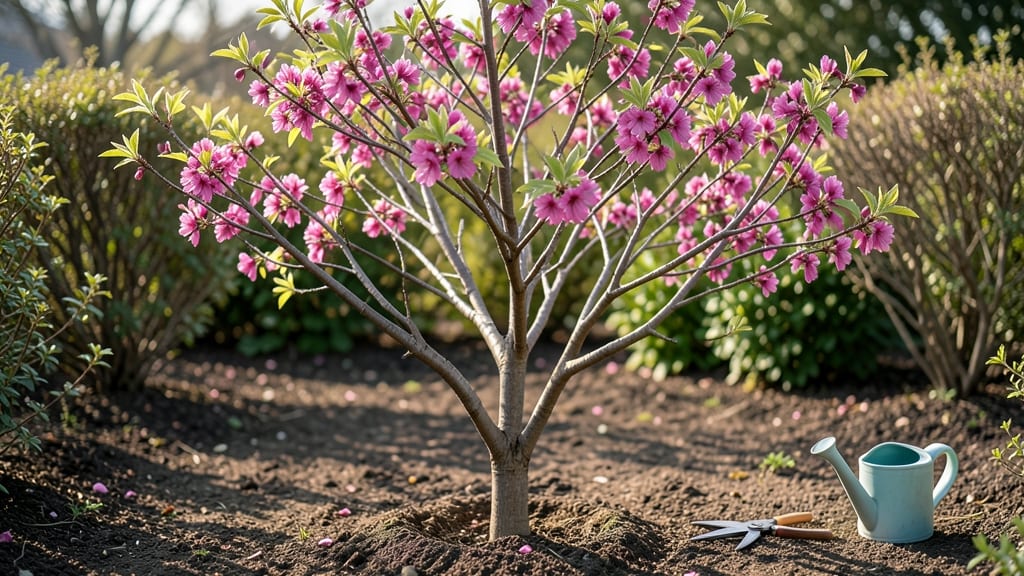
Full sun doesn’t mean you’re stuck with boring evergreens—some of the most striking small flowering trees thrive in bright light and bring color to your yard all season long. 🌸 I’ve tested dozens of varieties, and these five stand out for their bold blooms, compact size, and ability to handle heat without wilting by noon.
Think cherry blossom vibes without the mess: trees like the ‘Royal Purple’ Smokebush (Cotinus coggygria) burst with pink plumes in summer, while the Japanese Snowbell (Styrax japonicus) delivers fragrant white bells that smell like spring even in July.
These aren’t just pretty faces—they’re tough enough for urban courtyards, drought-prone climates, and even rocky soil where other plants give up.
By planting them strategically—near patios for shade, along fences for height, or as focal points in beds—you’ll get year-round interest: spring blossoms, summer foliage, and fall berries or fiery hues.
The best part? Most need zero pruning beyond an annual cleanup, and their roots stay shallow enough to avoid crowding foundations or sidewalks.
Pair them with sun-loving perennials like lavender or Russian sage, and you’ve got a low-maintenance, high-impact display that turns heads without the upkeep of a full garden. Ready to pick your standout? Let’s dive into the top performers and where to place them for maximum drama.
📚 In This Guide
- What you need
- Instructions
- Tips and common mistakes
- Wrapping up and next steps
What you need
- ● Small flowering trees: Choose 1–3 specimens (depending on space) from full-sun favorites like Crape Myrtle, Japanese Snowbell, or Dwarf Fothergilla (3–6 ft tall at maturity).
- ● High-quality potting soil: 2–3 bags (1–2 cubic feet each) of well-draining, organic soil mix (e.g., Miracle-Gro Garden Soil or Espoma Organic Potting Mix).
- ● Mulch: 1–2 bags of wood chips or pine straw (3–4 cubic feet) to retain moisture and regulate soil temperature.
- ● Slow-release fertilizer: 1 bag of balanced 10-10-10 or organic tree fertilizer (e.g., Dr. Earth Tree & Shrub Fertilizer).
- ● Watering can or hose with nozzle: 5–10 gallons capacity for deep watering.
- ● Shovel: 1 medium-sized digging shovel (for planting holes).
- ● Garden gloves: 1 pair (heavy-duty, water-resistant).
- ● Pruning shears: 1 pair (bypass pruners for shaping).
- ● Measuring tape: 1 (to ensure proper spacing, typically 6–10 ft apart).
- ○ Stakes & ties (optional): 2–4 wooden stakes + soft ties for young, top-heavy trees.
- ○ Tree guard (optional): 1–2 plastic or wire tree protectors to shield from pests/deer.
- ● Full-sun location: A spot receiving 6+ hours of direct sunlight daily (verify with a sun tracker app if unsure!).
- ● Well-draining soil: Amend heavy clay soil with compost or sand if needed (test with a simple percolation test).
- ● Proper spacing: Plan for mature tree width (check labels—most small flowering trees need 6–10 ft between plants).
- ● Water access: Ensure a nearby hose or irrigation system for the first 2–3 weeks post-planting.
Step-by-Step guide to selecting and planting small flowering trees for full sun
Here's how to transform your sun-drenched landscape with bold, low-maintenance blooms that thrive year after year.
🌱 Step 1: Choose the Right Varieties for Your Climate Zone
First, match your USDA hardiness zone with proven performers. For zones 5-8, consider Japanese maple (Acer palmatum) with its fiery fall foliage, or crabapple (Malus spp.) for spring blossoms and winter interest. Zones 9-11 favor Texas sage (Leucophyllum frutescens) or California lilac (Ceanothus)—both drought-tolerant powerhouses.
I always check the mature height (most stay under 15 feet) and spread (10-15 feet) to avoid future crowding. For example, the 'Royal Purple' smoke tree (Cotinus) stays compact while delivering summer-long purple haze—perfect for small spaces. Skim the plant tag for sun requirements—some labeled "full sun" may need afternoon shade in zone 10+.
☀️ Step 2: Prepare the Planting Site with Proper Drainage
Full sun means 6+ hours of direct light daily, but drainage is where most mistakes happen. Dig a hole twice as wide as the root ball but only as deep—planting too deep suffocates roots. Amend heavy clay soil with 2 inches of compost mixed into the bottom of the hole. For sandy soil, add 1 inch of organic matter to retain moisture.
I always test drainage by filling the hole with 2 inches of water and waiting 30 minutes. If water remains, raise the planting mound with extra soil. The root flare (where roots meet trunk) should sit 1-2 inches above ground level—this prevents rot. Never amend the backfill soil with fertilizer unless specified on the plant tag (most young trees don't need it).
🪴 Step 3: Plant with Care to Avoid Root Circling
Gently remove the tree from its container and loosen circling roots with your fingers—these will strangle the plant as it grows. Place it in the hole so the root flare sits at soil level (not buried). Backfill with native soil (no amendments) while someone else holds the tree straight. Tap the soil lightly every 2 inches to eliminate air pockets.
Create a 2-inch-wide watering basin at the base and water deeply until it drains. Mulch with 3 inches of shredded bark (keep it 6 inches from the trunk) to suppress weeds and retain moisture. Here's the thing—never mulch higher than the root flare or you'll smother the trunk. I use pine straw for its natural acidity, which benefits azaleas and rhododendrons planted nearby.
💧 Step 4: Water Deeply and Establish a Routine
For the first two weeks, water every 2-3 days until the soil 12 inches deep feels moist. Use a soil probe or dig down to check—you'll know it's right when water drains freely but doesn't pool. After that, water once a week unless you see wilting (common in zone 9+ during summer).
Real talk: Overwatering kills more young trees than drought. Look for yellowing leaves or mushy stems—these are red flags. Once established (after 1-2 years), most small flowering trees tolerate drought once rooted. I set a reminder for spring and fall deep waterings to encourage root growth before winter.
✂️ Step 5: Prune for Shape and Health in Late Winter
Wait until dormancy (after 6 weeks of frost-free weather) to prune. Remove dead, crossing, or rubbing branches first—these compete for energy. Thin the canopy by 20-30% to improve airflow, which prevents powdery mildew (a common issue with crabapples). Use clean, sharp shears and make cuts at a 45-degree angle just above a bud or lateral branch.
Here's where it gets fun—watch how the tree responds. If you see suckers at the base, remove them immediately (they drain energy from blooms). For spring-flowering trees like dogwood, prune right after blooming to preserve next year's flowers. Summer pruning should be minimal—just light shaping to maintain your vision for the landscape.
Tips & tricks for planting small flowering trees in full sun
Here's what nobody tells you about getting those vibrant blooms to thrive—without the common pitfalls that kill so many young trees.
Climate Zone Intelligence: The USDA hardiness zone recommendations are your starting point, but don't stop there. Check local microclimates—southern exposures stay warmer, while northern sides may need shade in extreme heat. For example, that 'Royal Purple' smoke tree might need afternoon shade in zone 10+ even though it's labeled full sun. I always scout the planting spot for at least 24 hours before selecting varieties—watch where the sun moves across your yard at different times of day.
Root Ball Preparation: When you're loosening those circling roots in Step 3, don't just pull them apart—score the bottom of the root ball with your fingers to encourage outward growth. This simple step prevents the "pot-bound" effect where roots stay tight in a circle and can't spread into your prepared soil. For container-grown trees, gently squeeze the sides of the pot to encourage roots to grow outward before planting—this gives them a head start in your garden.
Drainage Test Troubleshooting: That 30-minute drainage test in Step 2 is non-negotiable, but here's the trick: if water disappears too quickly (within 10 minutes), you've got sandy soil that needs moisture retention. In this case, add that extra inch of organic matter to the bottom of the hole AND create a small berm around the planting area to help capture water. The goal is for water to drain freely but not pool—think of it like a well-drained bath, not a swamp.
Mulching Strategy: The 3 inches of mulch you apply in Step 3 isn't just decoration—it's a protective layer that should stay consistent year-round (except during winter in cold climates). I recommend applying a fresh 1-inch layer each spring to maintain that protective barrier. And here's the secret: use a mulch with different textures (like half shredded bark and half pine straw) to prevent compaction and improve water penetration. Just remember to keep that mulch volcano away from the trunk!
Pro Tips for Small Flowering Trees Full Sun
- Here's what nobody tells you about getting those vibrant blooms to thrive—without the common pitfalls that kill so ma...
- Climate Zone Intelligence: The USDA hardiness zone recommendations are your starting point, but don't stop there. Che...
- Root Ball Preparation: When you're loosening those circling roots in Step 3, don't just pull them apart—score the bot...
Frequently asked questions
Got questions about choosing, planting, or caring for small flowering trees that thrive in full sun? You’re not alone! Here are some of the most common queries—and their answers—to help you pick the perfect tree for your landscape.
What are the best small flowering trees for full sun?
Top picks include Crabapple (Malus spp.), Japanese Snowbell (Styrax japonica), Fringe Tree (Chionanthus virginicus), and Dwarf Korean Lilac (Syringa meyeri). These varieties boast vibrant blooms, low maintenance, and compact sizes (6–15 feet tall), making them ideal for small yards or urban spaces.
When is the best time to plant a small flowering tree in full sun?
Plant in early spring or fall when temperatures are mild. This gives roots time to establish before extreme heat or cold. Avoid planting in summer—intense sun and heat stress young trees. If you must plant in summer, water deeply every 2–3 days and provide afternoon shade for the first few weeks.
How much water do small flowering trees need in full sun?
Newly planted trees need 1–2 inches of water per week (including rainfall). Once established (after 1–2 years), most varieties tolerate drought but may bloom less vibrantly. Mulch around the base (2–3 inches deep) to retain moisture and regulate soil temperature. Pro tip: Water deeply at the root zone—avoid wetting foliage to prevent fungal diseases.
Can I grow a flowering tree in full sun if my yard has rocky or poor soil?
Yes! Choose adaptable varieties like Eastern Redbud (Cercis canadensis) or Serviceberry (Amelanchier spp.), which tolerate rocky, clay, or slightly acidic soils. Amend soil with compost before planting to improve drainage and nutrient content. For extreme conditions, consider container planting—just ensure the pot has drainage holes and use well-draining soil.
Why aren’t my small flowering trees blooming as much as they should?
Common culprits include over-fertilizing with high-nitrogen (promotes foliage over flowers), poor sunlight (even partial shade can reduce blooms), or stress from drought/transplant shock. Prune in late winter/early spring to encourage new growth. If pests (like aphids or spider mites) are present, treat with neem oil or insecticidal soap. Pro tip: Some trees (like Crabapple) need cross-pollination—plant two varieties for better fruit/flower production.
Wrapping up and next steps
Transforming your sunny landscape into a burst of color and life is easier than you think! Small flowering trees thrive in full sun, offering year-round beauty with minimal fuss.
Whether you’re drawn to fragrant blooms, bold foliage, or seasonal interest, these trees deliver effortless elegance and low-maintenance charm—perfect for any gardener’s vision.
Ready to plant your next favorite tree? Start by browsing our top picks or sketching a simple layout for your space. With the right variety, you’ll enjoy sunlit joy and curb appeal for seasons to come! 🌸☀️