
Light Requirements
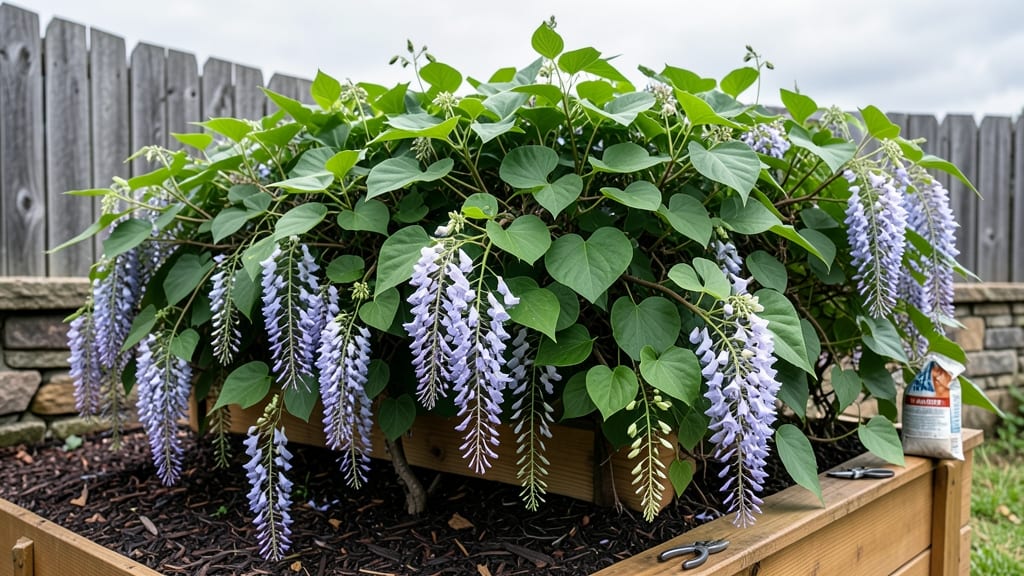
Light purple tree flowers transform a garden into a dreamy, fragrant sanctuary—especially when you choose shade-tolerant varieties that thrive where others struggle. 🌿 I remember the first time I spotted a clethra alnifolia (summer sweet) in bloom under my oak tree, its delicate lavender clusters standing out against the dappled light.
These trees aren’t just pretty; they’re the backbone of low-light gardens, offering color when most flowering trees give up.
The best light purple options—like lilac, crapemyrtle, or Japanese tree lilac—bloom in late spring or summer, often with a sweet fragrance that attracts bees and hummingbirds. They pair beautifully with hostas, ferns, and shade-loving perennials, creating layers of texture and color.
Even in partial shade, these trees deliver year-round interest, with some offering stunning fall foliage or winter bark as bonuses.
Imagine your garden in June, when the air hums with the scent of blooming lilacs and the branches arch with clusters of soft purple. These trees bring that magic to shady corners, where they outperform sun-loving competitors.
Their adaptability makes them perfect for small yards, urban courtyards, or as focal points in larger landscapes—no fuss, just beauty.
Here’s the secret: the right tree turns a shady spot into a highlight. Whether you’re filling a corner under a canopy or lining a driveway, these light purple bloomers deliver effortless elegance. Let’s explore which varieties suit your space best—and how to make them the stars of your garden.
📚 In This Guide
- What you need
- Instructions
- Tips and common mistakes
- Wrapping up and next steps
What you need
- ● Light purple tree flower variety: 1–3 Cercis canadensis (Eastern Redbud) saplings or seeds (for vibrant spring blooms)
- ● 1–2 Lagerstroemia indica (Crape Myrtle) plants (for summer-to-fall color)
- ● 1 Wisteria sinensis (Chinese Wisteria) vine (for cascading purple blooms, if trellising)
- ● High-quality potting soil: 5–10 gallons (well-draining, organic mix for containers or in-ground planting)
- ● Compost or slow-release fertilizer: 1–2 cups (balanced 10-10-10 or shade-tolerant blend)
- ● Mulch: 2–3 cubic feet (shredded bark or pine straw to retain moisture)
- ● Garden trowel or spade: 1 (for transplanting or digging holes)
- ● Pruning shears: 1 pair (sterilized, for shaping or trimming)
- ● Watering can or hose with nozzle: 1 (for gentle hydration)
- ● Gloves: 1 pair (gardening gloves for comfort)
- ● Measuring tape or ruler: 1 (to ensure proper spacing: 10–15 ft apart for trees, 6–8 ft for shrubs)
- ● Epsom salt (1 tbsp/month for magnesium-rich soil)
- ● Slow-release stakes or trellis (for young or climbing varieties)
- ● Drip irrigation system (for automated watering)
- ● Shade cloth (30–50% coverage for young plants in hot climates)
How to plant and care for light purple tree flowers
Here's the method I've used to grow fragrant, shade-loving blooms that last all season.
🌱 Step 1: Choose the Right Location and Prepare the Soil
Light purple tree flowers thrive in partial shade, so pick a spot that gets 3-6 hours of dappled sunlight daily. Avoid deep shade where they won’t bloom. I dig a hole twice as wide as the root ball and loosen the soil to 12 inches deep—this helps roots spread easily.
Amend the soil with 2-3 inches of compost mixed into the bottom of the hole. These flowers prefer well-draining, slightly acidic soil (pH 6.0-7.0). If your soil is heavy clay, add a handful of perlite or sand to improve drainage. Pat the amended soil down lightly so it’s firm but not compacted.
☀️ Step 2: Plant at the Correct Depth and Water Thoroughly
Place the tree flower in the hole so the top of the root ball sits 1 inch below soil level. This prevents stem rot while encouraging strong root growth. Backfill with native soil, pressing gently to remove air pockets. I tap the sides of the hole a few times to settle everything evenly.
Water deeply right after planting—about 1-2 gallons—until moisture reaches 6-8 inches down. You’ll know it’s enough when water pools slightly at the surface but drains within 10-15 minutes. Mulch the base with 2-3 inches of shredded bark, keeping it 3 inches away from the trunk to prevent rot.
💧 Step 3: Maintain Consistent Moisture and Fertilize Seasonally
Water once a week during the first growing season, aiming for 1-1.5 inches of moisture per week. Check soil moisture by sticking your finger 2 inches deep—if it’s dry, water again. Overwatering causes yellow leaves, while underwatering leads to bud drop. I water in the early morning to reduce fungal risks.
Feed lightly twice a year: once in early spring with a balanced 10-10-10 fertilizer and again in mid-summer with a low-phosphorus formula (like 5-5-5). Follow package rates—too much fertilizer burns roots. After fertilizing, water again to help nutrients absorb.
✂️ Step 4: Prune for Shape and Encourage More Blooms
Prune right after flowering (late spring) to shape the tree and remove dead or crossing branches. Cut back 1/3 of the oldest stems to stimulate new growth. I use clean, sharp pruners and make cuts at a 45-degree angle just above a leaf node. This prevents disease and encourages bushier growth.
In late winter, prune again to remove any weak or damaged wood. Avoid heavy pruning—these flowers bloom on old and new wood, so aggressive cuts reduce next year’s flowers. After pruning, apply a layer of fresh mulch to protect roots from winter temperature swings.
Tips & tricks for perfect light purple tree flower planting
These simple secrets will help your shade-loving beauties thrive and bloom like crazy all season long.
Sunlight Secret: That 3-6 hours of dappled sunlight is non-negotiable for vibrant blooms! I've learned the hard way—too much direct sun scorches the leaves, while too little shade means sparse flowers. Look for spots with morning sun and afternoon shade, like near a north-facing window or under taller trees that filter light.
Soil Prep Game-Changer: Don't just dig a hole—loosen that soil to 12 inches deep to create room for roots to spread. I use a garden fork to break up compacted layers, especially in clay-heavy areas. The 2-3 inches of compost at the bottom gives roots an instant nutrient boost, while perlite or sand prevents waterlogging that can rot those delicate roots.
Watering Wisdom: Those 1-2 gallons after planting aren't just for show—they're establishing a deep root system. I test moisture by sticking my finger 2 inches down; if it's dry, I water again. The key is getting moisture 6-8 inches deep, not just wetting the surface. Mulching with shredded bark keeps moisture in and weeds out, but keep that mulch 3 inches away from the trunk to prevent rot.
Fertilizer Timing: The twice-a-year feeding schedule is perfect for these flowers. I use a 10-10-10 in spring to kickstart growth, then switch to low-phosphorus in summer to encourage more blooms rather than foliage. Pro tip: Always water after fertilizing to help nutrients soak into the soil rather than burning the roots.
Pro Tips for Light Purple Tree Flower
- These simple secrets will help your shade-loving beauties thrive and bloom like crazy all season long.
- Sunlight Secret: That 3-6 hours of dappled sunlight is non-negotiable for vibrant blooms! I've learned the hard way—t...
- Soil Prep Game-Changer: Don't just dig a hole—loosen that soil to 12 inches deep to create room for roots to spread. ...
Frequently asked questions
What’s the best light purple tree flower for full shade?
If your garden is truly shady (think <6 hours of sunlight), opt for Weigela florida ‘Wine & Roses’ or Cleyera japonica (Japanese cleyera). Both thrive in low light and produce delicate lavender-purple blooms. For partial shade (4–6 hours of light), Lagerstroemia indica (crepe myrtle) varieties like ‘Natchez’ deliver stunning purple hues with minimal fuss.
When do light purple tree flowers bloom, and how long do they last?
Blooming times vary by species, but most light purple tree flowers shine in spring to early summer (e.g., Lagerstroemia blooms June–August). Some, like Cercis canadensis ‘Alba’ (white but often flushed with purple), bloom in late winter for early color. With proper care, flowers can last 2–4 weeks per flush—though some repeat-bloomers (like Weigela) may reward you with sporadic blooms into fall!
Why aren’t my light purple tree flowers fragrant?
Fragrance depends on the variety! Lagerstroemia and Cleyera are often lightly scented, while Weigela florida or Deutzia varieties pack a strong, sweet aroma. If yours lack scent, check for over-fertilization (too much nitrogen = leafy growth, fewer flowers) or poor pollination. Hand-pollinate with a soft brush if bees are scarce, or choose a known fragrant cultivar next time.
Can I grow light purple tree flowers in containers?
Dwarf varieties like Lagerstroemia ‘Tuscarora’ or Cercis ‘Lavender Twist’ thrive in 15–20 gallon pots with well-draining soil. Use a lightweight mix (add perlite or orchid bark) to prevent root rot. Place containers in bright, indirect light and water when the top inch of soil is dry. Pro tip: Fertilize monthly in spring/summer with a balanced 10-10-10 blend for vibrant blooms!
How do I prune light purple tree flowers for more blooms?
Timing and technique matter! Prune after blooming (late summer/early fall) to encourage next year’s flowers. For spring bloomers (like Cercis), prune immediately after flowering. Use clean, sharp shears to cut back dead or crossing branches—avoid heavy pruning, as it can reduce flowering. For repeat bloomers (like Weigela), light pruning in early spring promotes bushier growth and more blooms.
Are light purple tree flowers deer-resistant?
Not entirely! While Lagerstroemia and Cleyera are less appealing to deer than hostas or tulips, they’re not deer-proof. Young trees are especially vulnerable. Use physical barriers (like wire cages) or repellents (e.g., rotten egg spray) during growing seasons. For maximum resistance, plant Cercis canadensis—its bitter foliage often deters browsers.
Wrapping up and next steps
The light purple tree flower is a stunning, low-maintenance addition that brings year-round color and fragrance to your garden—even in shady spots! 🌿 Whether you’re drawn to its delicate blooms or its shade-tolerant resilience, this beauty proves that vibrant gardens aren’t just for sunny spaces.
Ready to transform your outdoor oasis?
Your next step? Pick your favorite variety (like Cercis canadensis or Wisteria) and start planning where it’ll thrive. With the right care, you’ll have a fragrant, purple-hued haven in no time!