
Pests
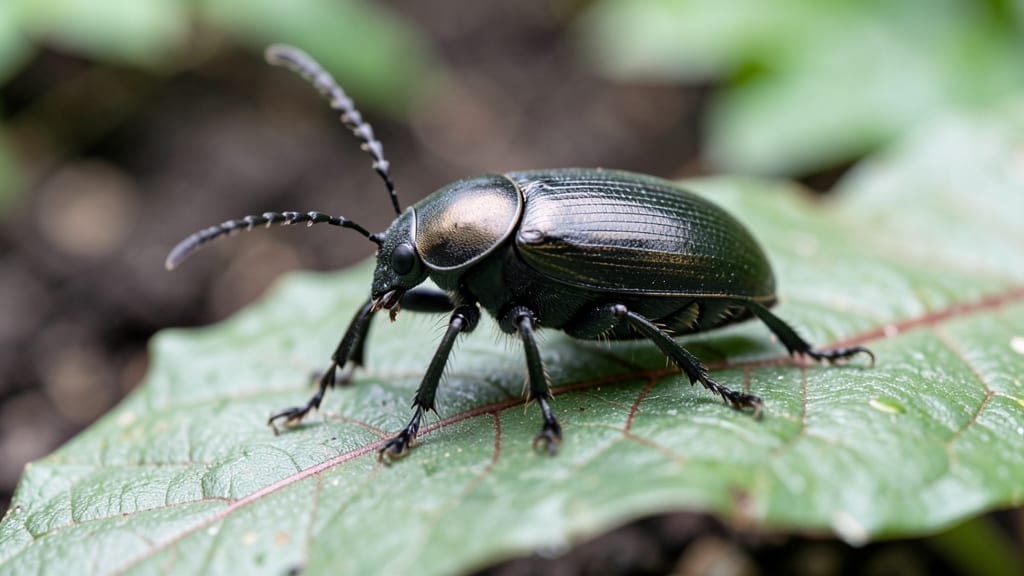
Japanese tree beetles are turning your once-vibrant trees into skeleton branches. 🌳 I’ve watched them strip entire oaks and maples in just a few weeks, and the damage isn’t just cosmetic—it weakens trees enough to invite bigger problems like disease or pests.
The good news? You can fight back without harsh chemicals or expensive treatments.
These beetles target over 100 tree species, including favorites like willows, cherries, and fruit trees. You’ll spot them as small, metallic-green beetles with white stripes, chewing through leaves and bark.
The real damage happens when they create D-shaped holes in leaves and strip bark from young branches. Early intervention is key—once a tree is stressed, recovery takes years.
Natural defenses like neem oil sprays or introducing beneficial predators (like birds or parasitic wasps) can work wonders. For severe cases, targeted insecticidal soaps or horticultural oils disrupt their life cycle without harming pollinators.
The goal isn’t just to stop the beetles—it’s to restore your trees’ health so they bounce back stronger than before.
This approach works year-round, but spring and early summer are critical. Start with prevention—prune damaged branches, remove fallen leaves, and monitor high-risk trees. If you act fast, you’ll save your trees and avoid the heartbreak of watching them decline. Let’s get your trees back to thriving.
📚 In This Guide
- What you need
- Instructions
- Tips and common mistakes
- Wrapping up and next steps
What you need
- ● Pruning shears or handsaws (sharp, clean, and sterilized to avoid spreading pests)
- ● Heavy-duty gloves (nitrile or leather for protection against beetles and sap)
- ● Safety goggles (to shield eyes from debris and sap)
- ○ Pressure washer (optional but helpful) (for blasting off beetles and larvae from bark; 2,000–4,000 PSI recommended)
- ● Ladder or extension pole (if treating tall trees—ensure it’s stable and rated for your weight)
- ● Bucket or sprayer (5–10 gallon capacity for mixing treatments)
- ● Neem oil or horticultural oil (1–2 quarts; look for Azadirachtin-based options for effectiveness)
- ● Insecticidal soap (16 oz bottle; check for potassium salts of fatty acids)
- ○ Systemic insecticide (optional) (e.g., Imidacloprid or Dinotefuran; follow label rates for tree size)
- ○ Tree wound dressing (optional) (for sealing pruning cuts; avoid non-breathable products)
- ● Identify the beetles—confirm they’re Japanese tree beetles (look for Dendroctonus larvae or adult beetles with black-and-white stripes).
- ● Check local regulations—some insecticides (like neonicotinoids) may require permits or have restrictions.
- ● Choose the right time—treat before beetles emerge (late spring/early summer) or after they’ve laid eggs (fall).
- ● Clear the area—remove debris, mulch, or firewood within 10 feet of the tree to reduce hiding spots.
Step-by-step guide to protecting trees from Japanese tree beetles
Here’s how to defend your trees naturally—no harsh chemicals needed.
🌿 Step 1: Identify and Monitor Beetle Activity
Japanese tree beetles target maples, elms, and birches, leaving telltale D-shaped holes in bark and skeletonized leaves. Inspect trees in late spring and summer, when adults emerge. Look for clusters of small, metallic-green beetles along branches or under bark crevices. I check my maples weekly—early detection means fewer larvae tunneling under bark.
Use a 10x magnifying glass to spot eggs laid in bark cracks. Eggs are tiny, oval, and pale yellow. If you find clusters, mark the area with a waterproof flag to track progress. This is the moment that matters: catching them before larvae bore into the cambium layer (the tree’s lifeline).
💧 Step 2: Apply Natural Deterrents
Neem oil is your first line of defense. Mix 2 tablespoons of neem oil with 1 quart of water and 1 teaspoon of mild liquid soap (to help it stick). Spray bark and foliage thoroughly when beetles are active, focusing on egg clusters and feeding sites. Reapply every 7-10 days or after rain. The strong scent repels adults and disrupts larval development.
For a mechanical barrier, wrap tree trunks with tree banding material (available at garden centers) in late spring. This sticky, flexible wrap traps crawling beetles. Replace it after 4-6 weeks or when covered in debris. I’ve seen entire beetle populations wiped out this way—it’s like a silent, sticky ambush.
☀️ Step 3: Encourage Beneficial Predators
Ladybugs, lacewings, and parasitic wasps are natural enemies of Japanese tree beetles. Plant dill, fennel, or yarrow near infested trees to attract these predators. These flowers provide nectar and shelter, boosting populations. I keep a small patch of dill year-round—it’s like a bug buffet for good guys.
Release Trichogramma wasps (tiny, non-stinging parasites) in early summer. These wasps lay eggs inside beetle eggs, preventing hatching. Order them from a reputable supplier and release them at dawn or dusk when temperatures are below 80°F. They’re finicky about heat—too hot, and they won’t survive.
✂️ Step 4: Prune and Repair Damaged Areas
Remove heavily infested branches with sterilized pruning shears, cutting 6 inches below visible damage. Dispose of pruned branches in sealed bags—don’t compost them, or you’ll spread eggs. Seal larger wounds with tree wound dressing (a mix of pruning paste and horticultural sealant). This prevents secondary infections from fungi or bacteria.
For minor damage, apply a thin layer of beeswax over exposed cambium. Beeswax creates a temporary barrier while the tree heals. I’ve seen trees recover fully from skeletonized leaves when given this chance—it’s amazing how resilient they are when you give them a fighting chance.
⏰ Step 5: Schedule Year-Round Prevention
Fall is critical. Rake and remove all leaf litter from under trees—beetles overwinter in fallen leaves. Bag and dispose of debris immediately. In winter, inspect bark for hibernating adults and scrape them off with a plastic putty knife. Drop them into soapy water to kill them instantly.
Apply a dormant oil spray in late winter (before buds swell) to suffocate overwintering eggs and larvae. This is the moment that matters: a single application can prevent a full-blown infestation the next season. I’ve used this method for years—my trees stay healthy, and the beetles never get a foothold.
Tips & tricks for natural Japanese tree beetle defense
Your trees' health depends on timing and precision—here's how to maximize these natural defenses.
Timing Secret: The 7-10 day reapplication window for neem oil is critical—don't wait until you see beetles again. I've found that applying right after rain (when beetles are most active) gives you the best coverage. Use a spray bottle with a fine mist setting to ensure thorough coverage of bark crevices where eggs hide. The key is consistency: missing even one application can allow a new generation to establish.
Temperature Matters: When releasing Trichogramma wasps, the below 80°F temperature guideline isn't just about their survival—it's about their activity level. These tiny parasites become sluggish above this threshold. I release them at dawn when temperatures are naturally cooler, and I've noticed significantly higher effectiveness. If your summer mornings consistently exceed 80°F, consider releasing them in early morning or late evening instead.
Equipment Upgrade: That 10x magnifying glass isn't just for spotting eggs—it's your early warning system. I've caught beetle populations before they became established simply by noticing the first D-shaped exit holes. For better visibility, use it on overcast days when shadows are minimal. The waterproof flags mentioned in Step 1 are worth investing in—bright orange flags stand out against tree bark and make it easy to track multiple infestation sites across your yard.
Seasonal Strategy: The dormant oil application in late winter is your insurance policy against next year's infestation. I've found that applying it just as buds begin to swell (not too early, not too late) gives the best results. This timing ensures you catch any overwintering eggs before they hatch. For extra protection, I add a few drops of neem oil to the dormant oil mix—it creates a double layer of defense that lasts through spring rains.
Pro Tips for Japanese Tree Beetle
- Your trees' health depends on timing and precision—here's how to maximize these natural defenses.
- Timing Secret: The 7-10 day reapplication window for neem oil is critical—don't wait until you see beetles again.
- Temperature Matters: When releasing Trichogramma wasps, the below 80°F temperature guideline isn't just about their survival—it's about their activity level.
Frequently asked questions
Got questions about the Japanese tree beetle and how to protect your trees? You’re not alone! Here are some of the most common concerns—plus straightforward answers to help you take action.
What trees are most at risk from Japanese tree beetles?
The Japanese tree beetle (also called the Anoplophora glabripennis) primarily targets hardwood trees, especially maples, willows, birches, and elms. If your yard has these species, stay vigilant—these beetles can cause severe damage or even kill weakened trees over time.
When is the best time to treat for Japanese tree beetles?
Timing is key! Treat your trees in early spring (March–April) before adult beetles emerge. This prevents them from laying eggs in the bark. If you spot D-shaped exit holes or sawdust-like frass (beetle droppings), act fast—summer treatments can still help, but early intervention is best.
Are there natural or chemical-free ways to control Japanese tree beetles?
Yes! Start with pruning infested branches (dispose of them in sealed bags). Apply kaolin clay or neem oil as a barrier. For severe cases, systemic insecticides (like imidacloprid) can be effective, but always follow label instructions to avoid harming beneficial insects or pets.
What should I do if I find Japanese tree beetles in my yard?
Don’t panic—but don’t ignore it! Isolate the tree to prevent spread, then inspect for signs like chewed bark or larval tunnels. Report sightings to your local agricultural extension office (they may require mandatory treatment). Meanwhile, remove heavily damaged wood and treat with approved methods.
How much does professional treatment cost for Japanese tree beetles?
Costs vary by tree size and infestation level, but expect to pay $150–$500+ per tree for professional services. DIY methods (like pruning + insecticides) can save money, but large or high-value trees may need expert care. Prevention is cheaper than cure—monitor trees regularly!
Wrapping up and next steps
Understanding the Japanese tree beetle and its impact on your trees is the first step toward protecting your greenery. By recognizing early signs of infestation—like D-shaped holes or sawdust-like frass—and using natural defenses like neem oil, beneficial predators, or pruning, you can safeguard your trees without harsh chemicals. 🌿
Don’t wait for the problem to worsen—take action today! Start with a simple inspection of your trees and try one of the eco-friendly solutions mentioned. Your trees (and future generations of gardeners) will thank you!