
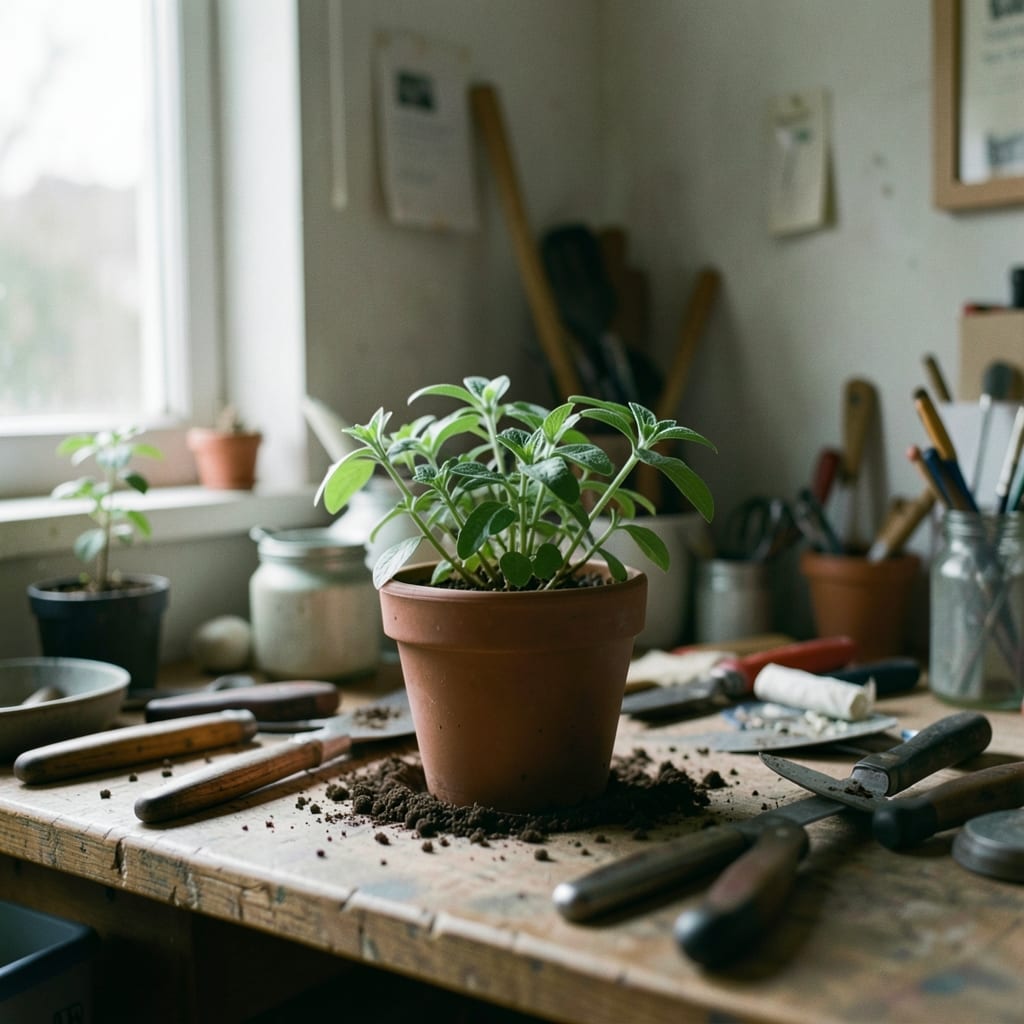
What this site is
This site is for anyone who has ever planted a seed and wondered if it would break through the soil—or for those who already know the quiet thrill of watching roots tangle underground.
It’s for the gardener who measures the weather by how quickly the compost heats up, the one who still checks the soil pH after three years of ‘knowing’ it’s right, and the beginner who just wants to know why their tomato plants keep wilting before they fruit.
We focus on the things that matter most: what grows where, when to stop fighting the weeds, and how to tell if your compost is truly ready. No step-by-step guides for perfect rows—just the unvarnished truth about dirt, seasons, and the plants that either thrive or teach you a lesson.
| What you will find here | What you will not |
|---|---|
| The truth about soil pH and why your roses keep dying | Generic ‘best plants for your zone’ lists |
| How to salvage a failed seed start before it’s too late | Tutorials on pruning to ‘perfection’ |
| Why your compost heap smells like rot (and how to fix it) | Step-by-step instructions for show gardens |
| The plants that actually grow in shade—no matter what the catalog says | Promises about ‘foolproof’ methods |
Meet the author
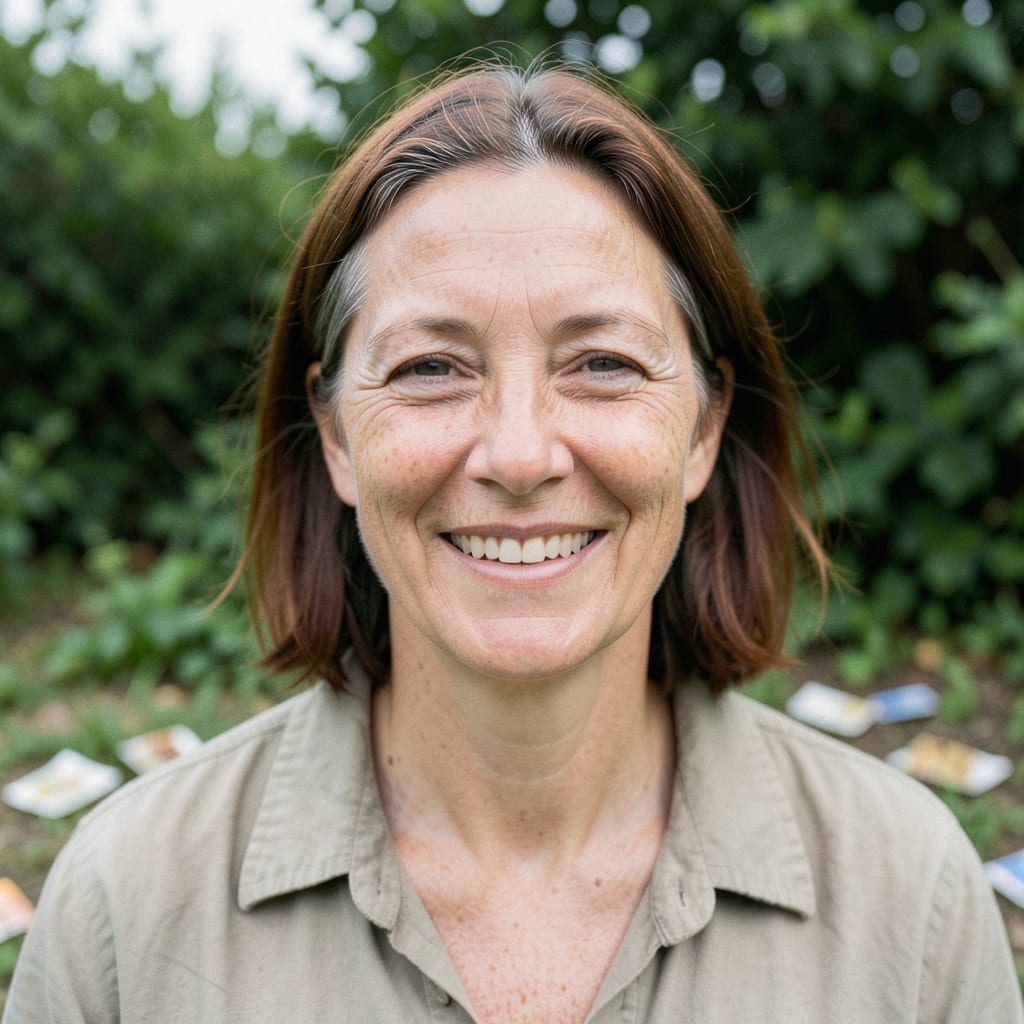
Fiona Whitaker is the one who still checks the soil after three years, who talks to her tomatoes like they’ll listen, and who has exactly one perfect row in her garden—by accident.
A day in the garden
- 15:40 a.m.
The compost bin is already steaming by the time I drag on my boots. The thermometer says 45°C inside, which means the worms are happy and the flies are about to arrive. I stir it anyway—just to prove I can—and the shovel sticks. The bin is too wet. Again.
- 2Just after the school run
I’m supposed to be weeding the strawberry patch, but the kids have brought home a dandelion ‘for Mommy’ and now I’m explaining why it’s not a weed. The patch is still half-mulch, half-dirt, and the strawberries are growing fine anyway. The dandelion gets replanted in the compost heap, where it belongs.
- 3The hour before dinner
I’m supposed to be harvesting the basil, but the pot is full of aphids. I drown them in soapy water, rinse the leaves, and still end up with half a pot of basil that looks like it’s been through a war. The pesto will be bitter, but the kids won’t notice.
- 49:30 p.m.
The last light is fading over the vegetable patch, and I’m still kneeling in the dirt, debating whether to stake the runner beans. The soil is cold now, and my hands are stiff. The beans will probably climb the fence on their own, as they always do.
- 5Midnight
I lie in bed listening to the wind rattling the tomato cages. One of them collapsed in the storm last week, and I haven’t fixed it yet. The tomatoes are still producing, but the fruit touching the ground is rotting. I’ll fix it tomorrow. Or next week.
The only rule I keep is this: if a plant survives where you didn’t intend it to, it’s not a weed. It’s a lesson.
The rules we hold ourselves to
We write about what we’ve actually done in the dirt, not what we wish we’d tried. That means some things get left out—like the perfect garden, the foolproof method, or the plant that never fails.
Every tip here is something we’ve tested in real soil, with real weather, and real mistakes. If it hasn’t failed at least once, we don’t write about it.
We cut the fluff—no rambling about ‘gardening as therapy’ or ‘the joy of watching things grow.’ If it doesn’t help you dig a hole, prune a branch, or save a dying plant, it’s not here.
This site moves at the speed of seasons. A post about winter pruning might take months to write because we’re still learning what works—and what doesn’t—when the ground is frozen.
What we still get wrong
We still overcomplicate soil tests. The truth is, most home gardens don’t need a lab report—they just need a handful of compost and a willingness to accept that some years, the earth is stubborn. We’re working on simpler ways to check pH without a degree in chemistry.
We also assume everyone has space for a compost heap. The reality is, half our readers are growing herbs in pots on a balcony. We’re adding more urban gardening tips, but the old posts still talk like you’ve got a quarter-acre plot.
How to reach us
We love hearing about the plants that outsmarted you, the weeds that won, and the compost heaps that surprised everyone. If you’ve got a story—or a question that wasn’t answered here—visit the contact page.
The guides are grouped by category: Blooming, Container Gardens, Fertilization, Flowers, How To and Landscaping.