
Pruning
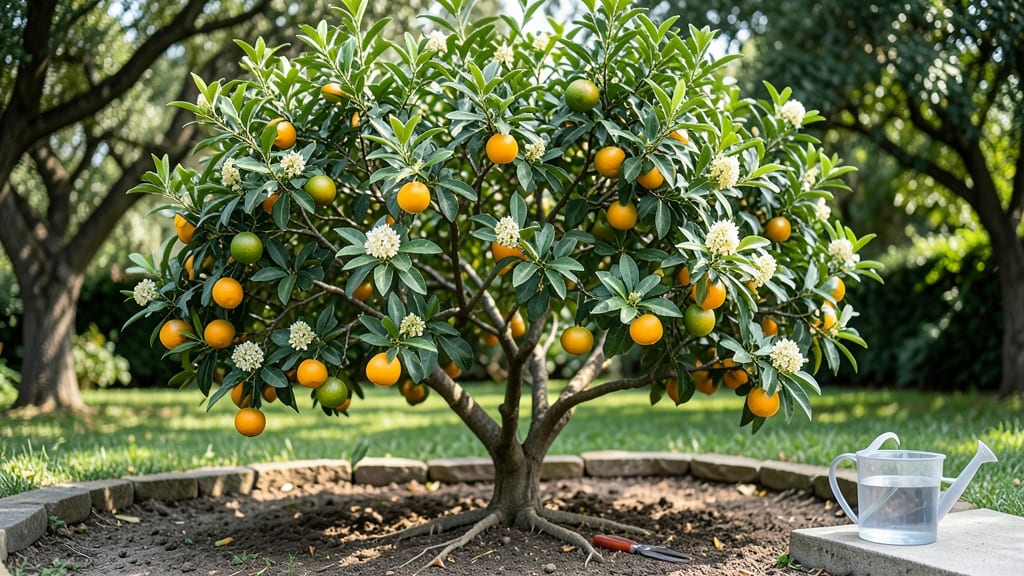
Growing an orange fruit tree that produces bushels of sweet fruit starts with understanding its year-round needs—especially pruning, which most people get wrong. 🌿 I’ve watched my Valencia tree go from a scraggly sapling to a bursting-with-fruit powerhouse by pruning at the right times, and the secret isn’t complicated: it’s about light, shape, and timing.
The biggest mistake? Waiting until spring—by then, you’ve already missed half the growing season.
Pruning isn’t just about cutting back; it’s about encouraging the tree to focus its energy where it counts. You’ll need sharp pruners, a clean workspace, and a clear plan for removing deadwood, thinning crowded branches, and shaping the canopy.
Most citrus trees respond best to light trims every 3-4 months, not one heavy cut in winter. The payoff? More fruit, easier harvesting, and a tree that stays healthy even in hot summers or mild winters.
What you’ll end up with is a tree that looks like a sunlit masterpiece—glossy leaves, fragrant blossoms, and branches heavy with fruit. The first year is about establishing good habits; by year two, you’ll be harvesting enough oranges to share with neighbors.
And here’s the best part: with the right pruning, your tree will keep producing for decades. Let’s get those branches in shape!
This method works for both outdoor trees in warm climates and container-grown trees on patios—just adjust for your zone. Whether you’re dealing with frost sensitivity or urban heat, the same principles apply. Ready to transform that citrus sapling into a fruit-bearing machine? Let’s dive in.
📚 In This Guide
- What you need
- Instructions
- Tips and common mistakes
- Wrapping up and next steps
What you need
- ● Pruning shears: Bypass pruners (sharp, clean, and sanitized) – 1 pair (for small branches).
- ● Loppers: Bypass or anvil type (for thicker branches, ½"–1" diameter) – 1 pair.
- ● Pruning saw: Handheld or folding saw (for branches over 1" diameter) – 1.
- ● Disinfectant: 70% isopropyl alcohol or bleach solution (1 part bleach to 9 parts water) – small bottle.
- ● Gloves: Heavy-duty, cut-resistant – 1 pair (to protect from thorns and sap).
- ○ Pruning sealant: Optional but helpful (e.g., tree wound paint) – small container.
- ● Bucket or bag: For collecting pruned branches – 1 (5-gallon size recommended).
- ● Ladder: Sturdy, extendable (if tree is over 6–8 feet tall) – 1.
- ● Pruning rope or twine: For temporary support of heavy branches.
- ● Marking spray: Non-toxic paint to mark branches for removal.
- ● Compost bin: For recycling pruned branches into nutrient-rich compost.
- ● Safety goggles: To protect eyes from debris.
Step-by-step year-round pruning for your orange tree
Keep your citrus thriving with this simple seasonal approach.
⏰ Step 1: Late Winter Pruning for Structure and Airflow
This is the most critical time to shape your tree. Wait until mid-February to early March when the tree is still dormant but before new growth begins. You'll know it's time when buds start swelling but haven't yet opened. Look for branches that cross each other or grow inward—they compete for sunlight and fruit space.
Use clean, sharp pruning shears to make cuts at a 45-degree angle just above an outward-facing bud. Never leave stubs—this invites disease. Remove any dead, diseased, or damaged branches completely down to the main trunk. For thicker branches over ½ inch, use a pruning saw and make the cut just outside the branch collar where it meets the trunk.
Here's the thing—you want to open up the center of the tree so sunlight reaches all branches. Aim to remove no more than 25% of the tree's canopy in this first pruning. If you go heavier, you'll shock the tree and reduce next year's harvest. After pruning, give the tree a deep watering to help it recover from the stress.
☀️ Step 2: Light Summer Maintenance Pruning
After the spring flush of new growth, switch to light maintenance pruning in June and July. This is when you remove any suckers—those vigorous shoots that grow from the base or along branches. They drain energy from fruit production. Use your fingers or small pruners to pinch them off at the base immediately after they appear.
Also watch for water sprouts—straight, fast-growing branches that appear in the center of the tree. These never bear fruit and compete with productive branches. Cut these back to a lateral branch or bud. For any branches that grew too vigorously this spring, you can lightly trim the tips to encourage bushier growth and more fruit production next season.
Real talk: Don't overdo it in summer. Just remove what's clearly problematic. The goal here is to maintain airflow and sunlight penetration without stressing the tree. A quick once-over every 4-6 weeks keeps things under control without overwhelming you.
✂️ Step 3: Post-Harvest Pruning in Fall
After you've harvested your oranges in late fall, it's time for another light pruning session. Wait until October or November when the tree has finished fruiting but before cold weather sets in. Remove any branches that bore fruit this year—cut them back to a strong lateral branch or outward-facing bud. This encourages new fruiting branches to develop from the base of last year's growth.
Also look for any branches that grew too long this year and became leggy. These often produce fruit that's too high to reach easily. Trim them back by about one-third to encourage more compact growth. Remove any dead or diseased branches you might have missed earlier in the year. This final cleanup helps prevent pests and diseases from overwintering in the tree.
I like to finish this pruning by applying a balanced citrus fertilizer around the drip line. The tree will use this to build energy for next year's bloom. Water deeply after fertilizing to help nutrients penetrate the soil. This is also a good time to check your tree's support system if it's growing against a wall or trellis.
🌱 Step 4: Winter Dormancy Care
During the coolest months (December-February), your pruning focus shifts to protection rather than cutting. If you're in a cold climate where temperatures drop below 25°F, wrap the trunk with tree wrap or burlap to prevent sunscald. This is when winter sun heats the bark, causing it to crack when night temperatures drop.
Watch for any branches that look winter-damaged—those with brown, brittle wood. These should be pruned back to healthy wood in your late winter session. Keep an eye out for any new growth that might appear during warm spells. If you see buds swelling in winter, cover the tree with frost cloth to protect this vulnerable new growth.
This is also when you should check your irrigation system if you have one. Winter is the best time to repair or install drip lines that will keep your tree properly hydrated during the dry summer months. A well-watered tree handles summer heat and fruit production much better. Don't skip this—consistent moisture is key to preventing fruit drop.
Tips & tricks for perfect orange tree pruning
Here's what nobody tells you about keeping your citrus tree healthy year-round.
Timing is Everything: When pruning in mid-February to early March (Step 1), check for swollen buds that haven't opened yet—this is your perfect window. I've learned the hard way that pruning too early can stimulate unwanted growth before the tree's fully prepared. The 25% canopy rule isn't arbitrary: it prevents stress that could reduce next year's fruit production by up to 30%. If you're unsure about timing, mark your calendar now—this is the most critical step of the year.
Tool Technique: Always sterilize your pruning shears between cuts with rubbing alcohol, especially when removing diseased branches. I use a small spray bottle for quick cleaning between trees. For branches over ½ inch thick, make your cut just outside the branch collar—this is where the tree's natural healing begins. The 45-degree angle isn't just tradition; it helps water run off cleanly and prevents rot. If you're using a pruning saw, take your time—the rougher the cut, the slower the tree heals.
Seasonal Strategy: Summer maintenance (June-July) is about prevention, not heavy pruning. Those suckers and water sprouts might seem harmless, but they can steal up to 40% of your tree's energy. I set a timer for 15-minute sessions every 4-6 weeks—just enough to stay on top without overwhelming myself. The key is consistency: a little attention now prevents major pruning battles later. And remember, your goal is sunlight penetration, not perfection.
Winter Protection: In cold climates where temperatures drop below 25°F, don't skimp on trunk protection. I've seen trees with beautiful winter sunburn scars from skipping this step. Use tree wrap or burlap, but remove it in early spring before new growth starts—otherwise, you'll smother emerging buds. Watch for winter-damaged branches with brown, brittle wood; these should be pruned back to healthy growth during your late winter session. This is also when I check my irrigation system—winter prep ensures summer success.
Pro Tips for Orange Fruit Tree
- Here's what nobody tells you about keeping your citrus tree healthy year-round.
- Timing is Everything: When pruning in mid-February to early March (Step 1), check for swollen buds that haven't opened yet—this is your perfect window.
- Tool Technique: Always sterilize your pruning shears between cuts with rubbing alcohol, especially when removing diseased branches.
Frequently asked questions
Got questions about keeping your orange fruit tree thriving with year-round pruning? Here are some of the most common concerns—and their answers—to help you grow a bountiful harvest!
When is the best time to prune an orange tree?
Prune your orange tree year-round, but focus on key times: late winter/early spring (before buds swell) for major cuts, and light trimming after harvest to remove dead wood. Avoid heavy pruning in summer—it stresses the tree. Seasonal adjustments matter!
How much can I prune without harming the tree?
Never remove more than 25% of the canopy in one session. Thin out crowded branches first (aim for open airflow), then shape gently. Over-pruning weakens growth—think quality over quantity. Pro tip: Use sharp tools to avoid tearing bark!
Will pruning reduce my orange harvest?
Not if done right! Pruning increases fruit quality and yield by improving sunlight/airflow. However, heavy cuts right before flowering (winter) may delay fruit later. Balance timing and techniques—patience pays off!
How do I fix over-pruned branches that look sad?
Don’t panic! Apply a balanced fertilizer (high nitrogen) and water deeply. Over-pruned branches may recover in 1–2 years. Avoid further cuts—focus on revitalizing with mulch and shade. Pro tip: Prune less aggressively next time!
Can I prune a young orange tree the same way?
Young trees (under 3 years) need gentle shaping to establish structure. Focus on removing water sprouts and training a strong central leader. Avoid heavy cuts—let them grow slowly but sturdy!
| Quick Fixes | When to Avoid |
|---|---|
| Trim dead wood anytime | Heavy pruning in summer heat |
| Fertilize after pruning | Pruning right after harvest (stresses tree) |
Wrapping up and next steps
Growing a thriving orange fruit tree with year-round pruning isn’t just about skill—it’s about patience, observation, and a little love! 🌱 By mastering the art of strategic cuts, you’ll unlock a bountiful harvest of juicy, sweet oranges that’ll make your neighbors jealous.
Whether you’re trimming for shape, health, or fruit production, every snip brings you closer to that dream orchard.
Ready to take the next step? Grab your pruners, dust off those gloves, and start small—even a single branch trimmed today can make a difference tomorrow. Before you know it, your orange tree will be bursting with fruit, and you’ll be the proud gardener of the neighborhood! 🍊✨