
Pruning
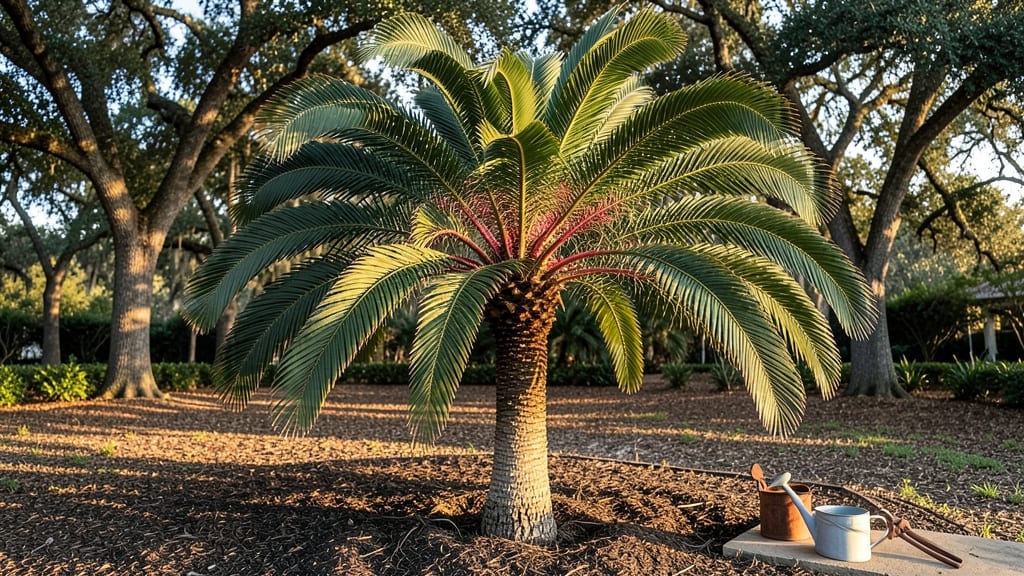
Your red palm tree pruning game changes when you treat it like a living sculpture—not just a chore. 🌿 I’ve spent years watching mine transform from scraggly to showstopping, all by following a few key rules about when and how to cut.
The difference between a healthy specimen and one struggling with dead fronds comes down to timing, technique, and knowing which fronds to keep (and which to say goodbye to).
Here’s the thing—you don’t need fancy tools or years of experience. A sharp pruning saw, some gloves, and a clear day are all you’ll need. The real secret? Pruning year-round, not just when you spot brown fronds.
I’ve learned that removing dead leaves in summer prevents pests from moving in, while winter pruning encourages fresh growth when the tree’s energy kicks back into gear.
By the end, your palm will have a clean, balanced silhouette that catches sunlight perfectly and shows off its natural shape. No more hiding behind overgrown fronds or wondering why your tree looks sad.
The best part? You’ll save time on future cleanups because you’re preventing problems instead of reacting to them.
Whether you’ve got a Roystonea regia in Florida’s heat or a Phoenix canariensis in a coastal California yard, these techniques adapt. Let’s get your palm looking like a million bucks—without the guilt of over-pruning or the frustration of missed growth spurts.
📚 In This Guide
- What you need
- Instructions
- Tips and common mistakes
- Wrapping up and next steps
What you need
- ● Pruning shears or loppers – Bypass pruners (for clean cuts) or loppers (16–24" reach) for thicker fronds. Quantity: 1–2 pairs.
- ● Heavy-duty pruning saw – For stubborn, thick fronds (e.g., Fiskars X27 or similar). Quantity: 1.
- ● Safety gloves – Cut-resistant (e.g., Mechanix Wear) to protect hands from sharp edges. Quantity: 1 pair.
- ● Safety goggles – To shield eyes from debris. Quantity: 1 pair.
- ● Disinfectant (70% isopropyl alcohol or bleach solution) – 1:9 bleach-to-water ratio to sterilize tools and prevent disease. Quantity: Small bottle or spray.
- ● Heavy-duty trash bags or bin – For removing pruned fronds. Quantity: 2–3 bags or a 30-gallon bin.
- ○ Ladder or lift (optional but helpful) – Extendable 20–30 ft for tall palms. Quantity: 1 (if needed).
- ● Pruning sealant – Tree wound dressing (e.g., Tanglefoot) to coat large cuts and reduce infection risk. Quantity: Small tube.
- ● Hose with nozzle – To clean tools and rinse the tree post-pruning. Quantity: 1.
- ● Extension cord & leaf blower – For hard-to-reach areas or clearing debris. Quantity: 1 each (if needed).
- ● Notebook & pen – To track pruning dates and tree health observations. Quantity: 1.
Step-by-Step red palm tree pruning for shape and health
Here's how I keep my palms looking sharp and thriving year-round—no green thumb required.
🌿 Step 1: Inspect and Identify Dead or Damaged Fronds
Start by examining your red palm tree from top to bottom. Look for fronds that are completely brown, brittle, or hanging limp—they're dead and need removal. Healthy fronds should be green with some yellowing at the edges, not uniformly brown or dry. I like to work on a dry, sunny day when the fronds are less slippery.
Gently shake each frond to test for stability. If it crumbles easily or falls off with minimal pressure, it's ready to go. Never prune partially green fronds—this stresses the tree and invites pests. I usually tackle the lowest fronds first, working my way up to the crown.
✂️ Step 2: Remove Dead Fronds at the Base
Use clean, sharp pruning shears or a handsaw for thicker stems. Cut each dead frond at its base, about ½ inch above the point where it meets the trunk. This prevents water from pooling and rotting the trunk. I always sterilize my tools with rubbing alcohol between cuts to avoid spreading disease.
For fronds with long, dry stalks, you might need to make two cuts: one near the trunk and another further down if the stalk is thick. Never leave stubs longer than ½ inch—they can trap moisture and become breeding grounds for fungus. After cutting, dispose of the debris immediately to keep your workspace clean.
🌱 Step 3: Shape the Tree for Balance and Airflow
Once dead fronds are removed, focus on shaping. Red palms grow best with a natural, slightly conical shape. Remove any fronds growing at odd angles or crossing others to improve airflow and sunlight penetration. I aim for a 12-18 inch gap between the trunk and the lowest frond to reduce humidity buildup.
If your palm has fronds growing too close together at the top, trim the outermost ones to open up the crown. This prevents disease and makes future pruning easier. Avoid over-pruning—never remove more than one-third of the fronds at once, even if they look unhealthy. Your palm needs some green leaves to photosynthesize and stay strong.
💧 Step 4: Clean Up and Protect the Tree
After pruning, wipe down the trunk and remaining fronds with a damp cloth to remove dust and sap. This helps prevent pests and disease. I also apply a copper fungicide spray (optional but recommended for humid climates) to protect against fungal infections. Focus on the cuts and any areas where fronds were attached.
Water your palm deeply after pruning to help it recover. For red palms, 1-2 gallons of water per week is usually enough, depending on your climate. Avoid overwatering—soggy soil can cause root rot, especially after pruning. Mulch around the base with 2-3 inches of organic mulch to retain moisture and regulate soil temperature.
Tips & tricks for perfect red palm tree pruning
Took me years to perfect these tricks—here's how to keep your red palm looking sharp without stressing the tree.
Timing Secret: Prune during the tree's dormant season in late winter or early spring when new growth begins. This gives your palm time to recover before summer heat. I schedule my pruning right before the first warm rains to help the tree heal faster. Avoid pruning during extreme heat or cold, as this can shock the tree.
Tool Technique: Sterilize your tools between every cut—this prevents spreading disease from one frond to another. I keep a small bottle of rubbing alcohol nearby and wipe down blades after each use. For thick stalks, use a handsaw with a fine-tooth blade to avoid tearing the fibers. Never use dull tools, as they crush rather than cleanly cut.
Visual Cues for Healthy Fronds: In Step 1, look for fronds that crumble when you gently shake them—they're ready to go. Healthy fronds should have some flexibility and a slight spring when you press them. The classic "brown and brittle" test works, but don't wait until fronds are completely dry and falling off. Early removal prevents pest infestations and looks more intentional.
Shape Maintenance: Aim to keep your palm's natural conical shape by removing only the lowest dead fronds first. This creates that elegant silhouette while maintaining airflow. I like to visualize removing a "V" shape from the bottom up—this keeps the tree balanced and prevents it from looking top-heavy. Remember the 12-18 inch gap rule between the trunk and lowest frond to prevent moisture buildup.
Pro Tips for Red Palm Tree
- Took me years to perfect these tricks—here's how to keep your red palm looking sharp without stressing the tree.
- Timing Secret: Prune during the tree's dormant season in late winter or early spring when new growth begins. This giv...
- Tool Technique: Sterilize your tools between every cut—this prevents spreading disease from one frond to another. I k...
Frequently asked questions
Got questions about keeping your red palm tree in tip-top shape? You’re not alone! Here are answers to the most common queries—from timing to tools—to help you prune like a pro.
When is the best time to prune a red palm tree?
The ideal time is year-round, but focus on late winter to early spring (just before new growth starts). Avoid heavy pruning during summer heat or winter freezes to prevent stress. Light maintenance (removing dead fronds) can happen anytime, but major shaping is best done when the tree is dormant.
How do I know which fronds to cut?
Prune only dead, brown, or yellow fronds—never green ones! Look for fronds that are completely dry or hanging limp. Cut at the base of the frond (where it meets the trunk) with clean, sharp tools. Avoid over-pruning; leave at least ⅓ of the fronds for photosynthesis.
Can I prune a red palm tree in hot or cold weather?
Avoid extreme temperatures! Heat stress (above 90°F) or freezing temps (below 32°F) can shock the tree. If you must prune in summer, do it early morning or late evening and water thoroughly afterward. In winter, wait until frost risk has passed—usually February or March in most climates.
What if my pruning cuts look messy or jagged?
Jagged cuts happen, but don’t panic—red palm trees heal well! Use a pruning saw or sharp loppers for clean cuts, and always cut at a 45-degree angle (just above a bud or growth ring). If cuts are uneven, the tree will naturally seal them over time. For large wounds, apply pruning sealant (optional but helpful for aesthetics).
Will pruning my red palm tree harm it if I do it wrong?
Yes, but only if you over-prune or use dull tools. Never remove more than ⅓ of the fronds at once, and avoid cutting into the trunk or healthy green fronds. If you’re unsure, start with small, strategic cuts and monitor the tree’s response. Healthy trees bounce back quickly!
Wrapping up and next steps
Pruning your red palm tree isn’t just about aesthetics—it’s a year-round commitment to its health, beauty, and longevity! 🌿 By mastering the right techniques, timing, and tools, you’ll keep your tree thriving while showcasing its stunning fronds and vibrant growth.
Whether you’re trimming for shape, safety, or seasonal care, consistency is key.
Ready to take your palm care to the next level? Start small—pick one season to focus on and gradually build your confidence. Before you know it, your red palm tree will be the showstopper of your landscape! 🌴✨ Grab your tools and begin today!