
Pruning
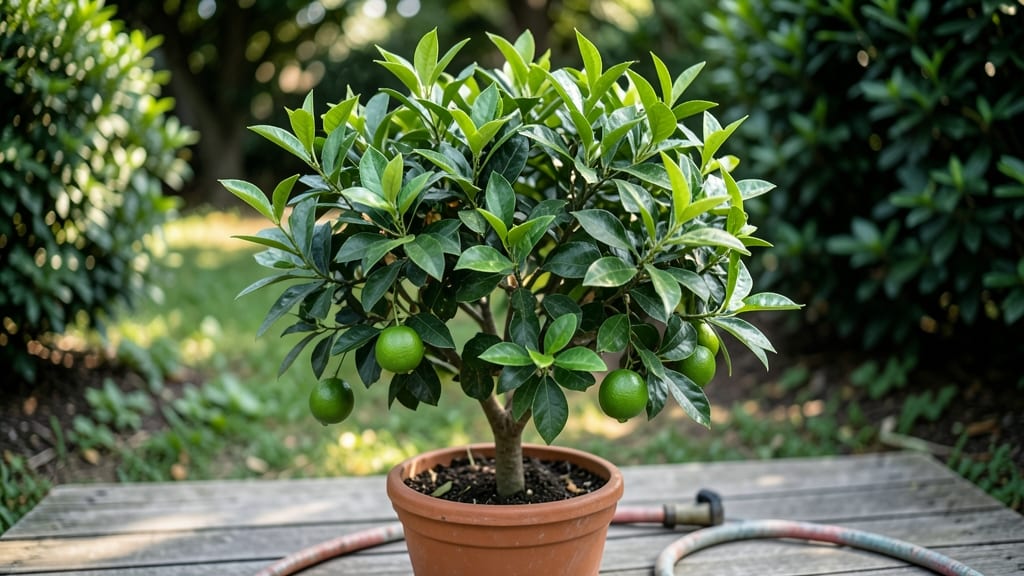
A lime tree in a pot brings that fresh citrus scent to your patio or balcony, even in winter. 🌿 I’ve grown mine for three years now, and the secret isn’t just choosing the right variety—it’s matching the pot, soil, and care to keep it compact and productive.
The Meyer lime, in particular, thrives in containers and rewards you with fragrant blooms and sweet-tart fruit.
You’ll need a 15-25 gallon pot with drainage holes, well-draining citrus mix, and a sunny spot that gets 6-8 hours of light daily. Water when the top inch of soil feels dry, and fertilize monthly with a citrus-specific blend during growing season.
Pruning in late winter keeps the shape tidy and encourages new growth—just avoid heavy cuts that stress the tree.
By summer, you’ll have glossy leaves, fragrant white flowers, and tiny limes ripening on the branches. The best part? You can move the pot indoors during cold snaps, extending the growing season. Even in small spaces, this tree delivers year-round fragrance and a harvest you’d normally need a backyard for.
Watch for root-bound issues (repot every 2-3 years) and aphids (spray with soapy water if they appear). With the right setup, your potted lime tree will outlast store-bought plants and become the star of your outdoor space. Let’s get yours growing!
📚 In This Guide
- What you need
- Instructions
- Tips and common mistakes
- Wrapping up and next steps
What you need
- ● Lime tree sapling: Choose a dwarf variety (e.g., Citrus aurantifolia or Citrus × latifolia) from a nursery. Size: 1–3 feet tall.
- ● Pot: 15–20 gallons (18–24" diameter) with drainage holes. Terracotta or ceramic pots work best for airflow.
- ● Well-draining potting mix: 50% cactus/succulent mix, 30% peat moss or coco coir, and 20% perlite or sand. Avoid garden soil!
- ● Citrus fertilizer: Slow-release granules or liquid (e.g., Miracle-Gro Citrus Food). Start with a balanced 6-6-6 NPK ratio.
- ● Mulch: 1–2 inches of orchid bark or pine fines to retain moisture and regulate temperature.
- ● Pruning tools: Bypass pruners (for clean cuts)
- ● Sterilized saw (for thicker branches, if needed)
- ● Gloves: Heavy-duty gardening gloves to protect from sap and thorns.
- ● Watering can or hose with gentle spray nozzle (avoid overhead watering).
- ● pH test kit: Ideal soil pH for lime trees: 6.0–7.0. Adjust with sulfur if needed.
- ○ Support stake (optional): 4–5 ft bamboo or metal stake for young trees in windy areas.
- ● Sunlight access: A south-facing window, grow light, or patio with 6+ hours of direct sunlight daily.
- ● 🌡️ Temperature: Keep your lime tree in a space between 60–85°F (it’s tropical, but not frost-hardy!).
- ● ✨ Drainage test: Before planting, place your pot in a saucer and fill it with water. If it drains within 10 minutes, you’re good to go!
- ● 🎯 Pot mobility: Use a pot with wheels or a lightweight material—lime trees need occasional rotation for even sunlight exposure.
Step-by-Step instructions for growing a lime tree in a pot
Here's how to keep your citrus tree thriving in containers while enjoying year-round fragrance.
🪴 Step 1: Select the Right Pot and Drainage
Choose a container with drainage holes at least 12-14 inches deep for each lime tree. I recommend unglazed terra cotta—it breathes better than plastic and prevents root rot. If using plastic, add 2-3 extra drainage holes yourself. The pot should be 1-2 inches wider than the root ball to allow growth without crowding.
Place ¼ inch of small gravel or broken pottery at the bottom before adding soil. This creates an air pocket that prevents waterlogging, which lime trees hate. I always double-check the holes aren't too large—if water drains too fast, the roots stay dry and stressed.
🌱 Step 2: Plant with Well-Draining Citrus Soil Mix
Fill the pot with a specialized citrus potting mix (never garden soil—it compacts and suffocates roots). I blend mine with 20% perlite for extra aeration. Fill the container to 1 inch below the rim, leaving room for watering. Gently remove the tree from its nursery pot and loosen the roots if they're circling.
Position the tree so the root flare (where roots meet the trunk) sits just above the soil line. This prevents stem rot from buried trunks. Press the soil lightly around the roots—don't pack it down. Water immediately after planting to settle the soil and remove air pockets.
☀️ Step 3: Place in Full Sun and Maintain Warmth
Lime trees need 6-8 hours of direct sunlight daily. A south-facing window or patio works, but most homes don't have enough light. I use a grow light for 12-14 hours/day in winter when natural light drops. Keep the pot within 3 feet of the light source—closer in winter, farther in summer.
Maintain temperatures between 65-85°F. Below 55°F, growth slows dramatically, and buds drop. If your space gets chilly, move the tree near a sunny window or use a small space heater (never too close—keep it 2 feet away). You'll notice leaves yellowing if it's too cold or dropping if it's too hot.
💧 Step 4: Water Deeply and Fertilize Regularly
Water when the top 2 inches of soil feel dry. Stick your finger in—if it's dry past your first knuckle, it's time. Water until it drains freely from the bottom, then empty the saucer. Overwatering is the #1 killer of potted lime trees. I water every 5-7 days in summer and every 10-14 days in winter when growth slows.
Feed with a balanced citrus fertilizer every 4-6 weeks in spring and summer. Cut back to every 8 weeks in fall and monthly in winter. I always dilute fertilizer to half-strength—lime trees are sensitive to salt buildup. Flush the soil with water once a month to prevent mineral buildup.
✂️ Step 5: Prune for Shape and Encourage Blooms
Prune in late winter or early spring before new growth starts. Remove dead or crossing branches first with clean, sharp pruners. Cut just above a leaf node (the bump where leaves grow) at a 45-degree angle to encourage healing. Never leave stubs—they invite disease.
Shape the tree by trimming outer branches to maintain a compact form. Aim for an open center to allow sunlight to reach inner growth. You'll see new buds form at the cuts within 2-3 weeks. Avoid heavy pruning in fall—it stresses the tree before winter dormancy.
Tips & tricks for perfect potted lime tree care
Here's what I've learned after keeping my own lime trees thriving for years—these tricks make all the difference for container-grown citrus.
Drainage is Everything: In Step 1, don't just rely on the pot's drainage holes—test them first by running water through before planting. If water drains too quickly (within 10 seconds), add a layer of small pebbles to slow it down. This mimics natural soil moisture retention and prevents the roots from drying out between waterings. I've lost trees this way when drainage was too aggressive.
Soil Mix Matters More Than You Think: When blending your citrus potting mix with 20% perlite in Step 2, don't skimp on the perlite. This isn't optional—it's what prevents the soil from becoming compacted and waterlogged. I've seen trees with perfect drainage still fail when the soil mix was too dense. For extra insurance, add a handful of coarse sand to improve drainage further.
Light Strategy for Small Spaces: The 6-8 hours of sunlight in Step 3 is non-negotiable, but here's how to maximize it: Rotate your pot ¼ turn every week so all sides get even light exposure. In winter when using grow lights for 12-14 hours, position the light just above the tree's canopy—this prevents leggy growth. I've had trees grow toward one light source and become lopsided because I didn't rotate them.
Watering Wisdom: The finger test in Step 4 is crucial, but here's the pro move: Use a chopstick instead of your finger to check moisture—it's cleaner and gives you a more precise measurement. When watering, pour slowly until you see water draining from the bottom. This ensures the entire root ball gets hydrated, not just the top layer. I've caught many overwatering mistakes by watching the water flow through completely.
Pro Tips for Lime Tree In Pot
- Here's what I've learned after keeping my own lime trees thriving for years—these tricks make all the difference for ...
- Drainage is Everything: In Step 1, don't just rely on the pot's drainage holes—test them first by running water throu...
- Soil Mix Matters More Than You Think: When blending your citrus potting mix with 20% perlite in Step 2, don't skimp o...
Frequently asked questions
Got questions about growing a lime tree in a pot?
You’re not alone! Here are answers to the most common queries—from pruning to pests and beyond.
How often should I repot a lime tree in a container?
Repot your lime tree every 1–2 years or when roots circle the pot’s base. Use a container 2–4 inches larger in diameter with drainage holes. Spring is the best time—avoid repotting during flowering or fruiting to minimize stress. Pro tip: Refresh the soil mix with compost to boost nutrients!
When is the best time to prune a potted lime tree?
Prune in late winter or early spring (before new growth starts) to shape the tree and encourage fruiting. Avoid heavy pruning in fall—it can stunt growth. Remove dead, diseased, or crossing branches year-round. Use sterilized shears to prevent infections. Timing matters: Never prune during a heatwave!
What pests commonly attack potted lime trees, and how do I treat them?
Watch for scale, aphids, or spider mites (tiny webs on leaves). Treat with neem oil or insecticidal soap, or blast pests off with water. For mealybugs, wipe infested areas with rubbing alcohol. Prevention tip: Keep the tree healthy with balanced fertilizer and good airflow!
Will a potted lime tree produce fruit, and how do I encourage it?
Yes! Potted lime trees (like Citrus aurantifolia) can fruit, but they need full sun (6+ hours/day), consistent water, and pollination. Hand-pollinate with a soft brush if bees are scarce. Feed with citrus-specific fertilizer (high in nitrogen early, phosphorus later). Patience is key—fruit may take 2–3 years!
How do I protect my potted lime tree in winter?
Move the pot to a sunny, frost-free spot (e.g., garage or patio). If temps drop below 30°F (-1°C), wrap the pot in bubble wrap or use a frost cloth. Reduce watering—overwatering in cold soil stresses roots. Indoor option: Place near a south-facing window and use a grow light if needed!
Wrapping up and next steps
Growing a lime tree in a pot is a rewarding way to enjoy fresh citrus year-round—even in small spaces! With the right pruning techniques, you’ll keep your tree healthy, compact, and fragrant while maximizing fruit production.
Whether you’re trimming for shape, encouraging airflow, or managing size, remember: consistency is key.
Ready to take your potted lime tree to the next level? Start by reviewing your pruning plan and scheduling regular check-ins. Before you know it, you’ll be harvesting homegrown limes and basking in the satisfaction of a thriving, well-cared-for tree! 🌿✨