
Trees
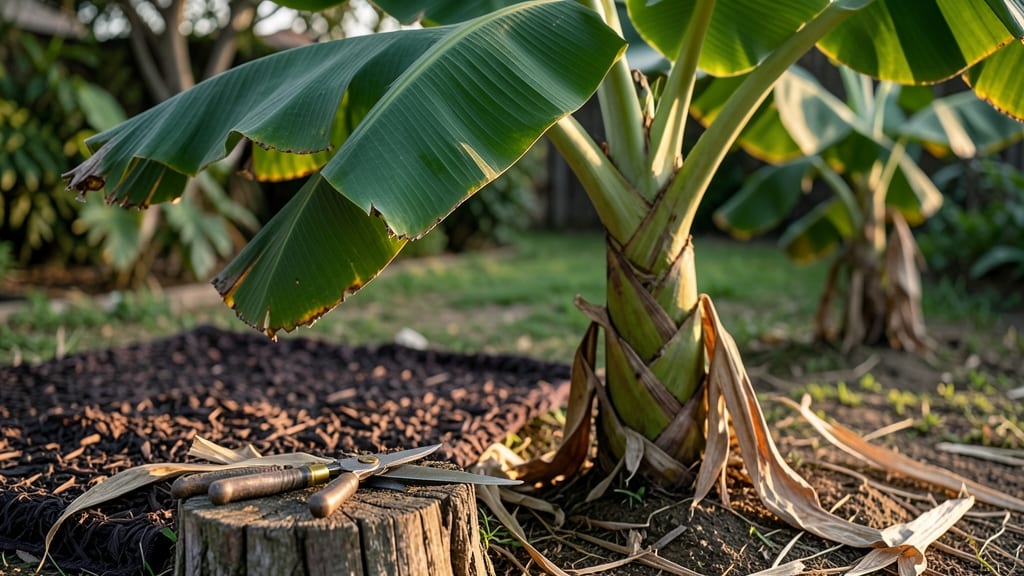
Winterizing banana trees in Zone 7 isn’t just about survival—it’s about giving them the best shot at bouncing back stronger next spring. 🌱 I’ve learned the hard way that skipping this step means frost-nipped leaves or worse, so I’ve perfected a foolproof routine that works even when temperatures dip below 20°F.
The key is acting before the first frost, usually by mid-November in most of Zone 7, when nights get reliably chilly.
You’ll need mulch, frost cloth, pruners, and a sturdy tarp—simple supplies that make all the difference. Start by cutting back dead or yellowing fronds to the ground, then wrap the trunk with burlap or cardboard to shield it from windburn.
The real magic happens with 8-12 inches of straw mulch piled around the base, trapping heat and insulating roots from freezing soil.
By spring, you’ll see fresh shoots emerging from the ground, proof that your banana tree made it through the cold. The leaves might look ragged at first, but with proper care, they’ll unfurl into vibrant, new growth by May.
This method has saved my trees for five winters running, and I’ve even spotted tiny flowers on regrowth by late spring.
Works for both dwarf and larger varieties, and the same principles apply if you’re in a microclimate with earlier frosts. The only real mistake is waiting too long—once frost hits, it’s too late to protect the foliage. Let’s get your trees prepped before the cold sets in!
📚 In This Guide
- What you need
- Instructions
- Tips and common mistakes
- Wrapping up and next steps
What you need
- ● Pruning shears or loppers – Sharp, sterilized tools (1 pair)
- ● Heavy-duty mulch – Straw, pine needles, or wood chips (5–10 bags, ~2–3 cubic feet each)
- ● Burlap or frost cloth – Breathable fabric (10–15 ft² per tree)
- ● Plastic wrap or row covers – Clear or opaque, 4–6 mil thickness (enough to wrap 2–3 trees)
- ● Stakes or wooden dowels – For securing wraps/cloth (4–6 per tree, 3–4 ft long)
- ● Garden twine or zip ties – To secure materials (1 roll)
- ○ Thermometer (optional but helpful) – Soil or air thermometer (for monitoring temps)
- ● Compost or organic matter – For enriching soil before mulching (1–2 bags)
- ● Insulated tree wraps – For extra protection on trunks
- ● Heat lamps or grow lights – For severe freezes (if temps drop below 20°F)
- ● Anti-desiccant spray – To prevent leaf dryness
- ● Garden hose or sprinkler – For light frost protection (if temps hover around freezing)
Step-by-step instructions for winterizing banana trees in Zone 7
Here's how I've kept my banana plants thriving through Zone 7 winters—no fancy equipment, just smart prep.
🌿 Step 1: Prune Back to the Ground Before First Frost
Wait until after your first light frost when temperatures drop to 28°F or below. Using clean, sharp pruners, cut back all above-ground growth to the ground level. This might feel drastic, but the energy stored in the rhizome (the thick underground stem) is what will regrow in spring. I always sterilize my pruners with rubbing alcohol first to prevent disease transfer.
Remove any dead or diseased leaves immediately and dispose of them in the trash—not your compost pile. The goal is to eliminate any potential pathogens that could survive winter and infect next year's growth. You'll notice the plant looks completely stripped, but trust the process—this is how you protect the root system from cold damage.
🪴 Step 2: Apply a Thick Mulch Layer for Insulation
Spread a 4-6 inch layer of straw mulch over the entire root zone, extending out 12-18 inches from the plant's base. Straw is ideal because it insulates while allowing moisture to penetrate. I use the 5 gallons of straw mulch I bought specifically for this purpose, spreading it evenly with a rake. Avoid using leaves or grass clippings—they compact and can trap moisture, leading to rot.
Pile the mulch higher (up to 8 inches) around the center of the plant where the rhizome is located. This creates a natural heat pocket that protects against freeze damage. Water the mulch lightly after applying to help it settle and make contact with the soil. The mulch should feel cool to the touch but not damp—you want it to insulate, not hold excess moisture.
⏰ Step 3: Install Protective Coverings for Extreme Cold Snaps
When temperatures are forecasted to drop below 20°F, it's time to add extra protection. I use frost blankets (the 2 large frost blankets from my supplies) draped loosely over the mulch. Secure them with bricks or stakes at the edges to prevent wind from blowing them away, but leave some airflow at the bottom—this prevents condensation buildup that can cause rot.
For even colder nights (below 15°F), I add a second layer of frost blanket or even a clear plastic tunnel (like the 1 plastic tunnel I keep on hand) over the top. This creates a mini greenhouse effect that traps heat. Check the setup every few days to ensure no moisture has accumulated inside the coverings. If you see condensation, remove the coverings temporarily to air them out before replacing them.
☀️ Step 4: Monitor and Adjust Through Winter
Check your banana tree's winter protection every 7-10 days during cold snaps, even if it's not actively freezing. Look for signs of heaving—when the soil expands and contracts with freeze-thaw cycles, it can push the rhizome out of the ground. If this happens, gently press the mulch back down around the exposed area to restore insulation.
If you notice any part of the mulch shifting or the frost blankets lifting, adjust them immediately. A small gap can let in enough cold air to damage the rhizome. Also, keep an eye out for pests like rodents that might dig through the mulch for warmth. A few drops of peppermint oil around the base usually deters them without harming the plant.
🌱 Step 5: Prepare for Spring Regrowth
As temperatures begin to rise consistently above 40°F in late winter, it's time to start thinking about spring. Remove the frost blankets and plastic tunnel first, then wait another 2-3 weeks before pulling back most of the mulch. This gradual exposure prevents shock to the emerging rhizome. Leave about 2 inches of mulch in place until new shoots appear—this keeps the soil warm and encourages faster growth.
Once you see new green shoots breaking through the soil (usually in March or early April in Zone 7), you can remove the remaining mulch. Water lightly to help the young shoots establish, but avoid overwatering—the rhizome has been dormant and needs time to adjust. You'll likely see multiple shoots emerging, which is normal. Thin to the 3-4 strongest stems once they reach 6 inches tall to give your banana tree the best start.
Tips & tricks for perfectly winterizing banana trees in Zone 7
Here's what nobody tells you—these little details make all the difference between a plant that survives winter and one that thrives when spring arrives.
Timing is Everything: Don't rush to prune after the first frost! Wait until temperatures consistently drop to 28°F or below for at least 24 hours before cutting back. This ensures the plant has fully entered dormancy and won't waste energy trying to regrow. I've learned this the hard way after seeing new growth get fried by unexpected late frosts. Also, prune on a dry day—wet leaves can harbor fungal spores that will spread to your dormant rhizome.
Mulch Depth Matters: The 4-6 inch layer of straw mulch is non-negotiable, but where you pile it counts too. Focus that 8-inch mound right over the rhizome area—this is where the heat pocket forms. I use a garden hose to lightly water the mulch after applying; this helps it settle and make full contact with the soil. Pro tip: If you're using fresh straw, let it sit for a few days before applying—it'll lose some of its initial dryness and insulate better.
Condensation Can Be Deadly: When using frost blankets or plastic tunnels below 20°F, check for condensation every 3-4 days. Even a small amount of moisture trapped against the rhizome can cause rot. I keep a small fan handy to gently blow air into the tunnel for a minute or two if I notice dampness. And never fully seal the coverings—always leave that bottom airflow gap, even if it's just a few inches. The goal is to trap heat, not create a sauna.
Spring Transition Strategy: That 2-3 week wait before fully removing mulch in spring is crucial. I've seen too many gardeners rush this step and end up with shocked plants. Start by uncovering the frost blankets first, then wait until you see new green shoots before removing the remaining mulch. These shoots are amazingly resilient—they'll push through even a light layer of mulch, but they'll grow stronger with that extra warmth.
Pro Tips for Winterize Banana Trees In Zone 7
- Here's what nobody tells you—these little details make all the difference between a plant that survives winter and on...
- Timing is Everything: Don't rush to prune after the first frost! Wait until temperatures consistently drop to 28°F or...
- Mulch Depth Matters: The 4-6 inch layer of straw mulch is non-negotiable, but where you pile it counts too. Focus tha...
Frequently asked questions
When should I start winterizing my banana trees in Zone 7?
Begin winterizing your banana trees once nighttime temperatures consistently drop below 40°F (4°C). In Zone 7, this typically happens in late October or early November. Early preparation gives your tree time to acclimate and reduces stress from sudden cold snaps. Monitor your local weather forecast to time your efforts perfectly!
Can I leave my banana tree in the ground if it’s partially mulched?
Yes, but with caution! If your banana tree is well-mulched (at least 6–12 inches deep) and you’ve wrapped the trunk with burlap or bubble wrap, it may survive mild Zone 7 winters. However, for reliable protection, dig up and pot the tree or mound soil around the base. Mulching alone isn’t enough for hard freezes (below 20°F/-7°C).
What if I missed the winterizing window—can I still save my banana tree?
Don’t panic! If frost hits unexpectedly, cover the tree immediately with frost cloth, blankets, or even cardboard boxes secured with bricks. For potted trees, move them to a sheltered spot (garage, porch) or bury the pots in the ground. Act fast—banana trees can recover if the cold isn’t prolonged, but severe damage may require pruning dead fronds in spring.
Should I cut back my banana tree before winter?
Prune only dead or damaged leaves before winter. Avoid heavy pruning, as it stresses the plant. In early spring (after the last frost), you can trim back any remaining dead fronds. The goal is to protect the growing point (the center of the tree) while allowing the plant to conserve energy for regrowth.
Can I winterize a banana tree in a pot differently than one in the ground?
Potted banana trees need extra care:
- Move indoors (garage, basement) if temps drop below 30°F (-1°C).
- Wrap the pot in bubble wrap or place it in a larger container with insulating materials (straw, leaves).
- Reduce watering—keep soil slightly moist but avoid soggy roots.
- Bring it back outside in spring only after all frost risk has passed.
Wrapping up and next steps
Winterizing your banana trees in Zone 7 doesn’t have to be stressful—with the right prep, your tropical beauty can thrive even through chilly months! 🌱❄️ By wrapping roots, insulating trunks, and protecting foliage, you’re giving your plant the best shot at bouncing back stronger next spring. Remember: patience and consistency are key!
Now that you’re armed with these tips, take action this week before the first frost hits. Check your banana tree’s progress monthly, and don’t hesitate to adjust your approach if needed. Happy gardening—your future harvest (or stunning foliage!) will thank you! 🌿