
Pruning
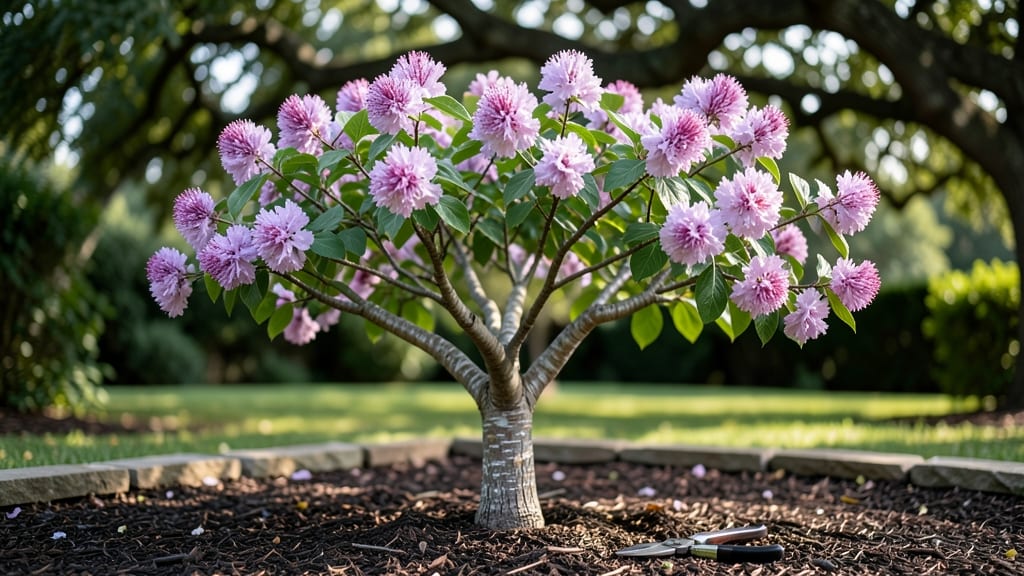
Growing Lagerstroemia indica—the crepe myrtle tree—means transforming your yard into a summer-long floral spectacle. 🌸 This drought-tolerant stunner thrives in zones 7-10, where its paper-thin blooms cascade like confetti from June through frost. The secret to that nonstop show? Pruning at the right time and with the right cuts.
You’ll need basic tools—a sharp pair of loppers, pruning shears, and gloves—to tackle this foolproof method. Start by removing dead or crossing branches first, then shape the tree to encourage airflow and sunlight penetration.
The key move? Cutting back last year’s blooms to just above a set of healthy buds in late winter or early spring.
What you’ll end up with is a tree that bursts into color earlier each season, with blooms so abundant they seem to multiply overnight. The foliage stays lush and vibrant, and you’ll avoid the "crepe myrtle bark disease" look that plagues neglected trees.
Plus, the pruned branches make perfect firewood or mulch.
Works in full sun or partial shade, from city sidewalks to rural landscapes. Once you master the timing, you’ll have a tree that outshines every neighbor’s yard—no green thumb required.
📚 In This Guide
- What you need
- Instructions
- Tips and common mistakes
- Wrapping up and next steps
What you need
- ● Pruning shears: Bypass pruners (sharp, 4- to 6-inch blades) for small branches (up to ½-inch thick).
- ● Loppers: 8- to 10-inch handles for medium branches (½- to 2-inch thick).
- ● Pruning saw: Curved-tooth saw for thick branches (>2 inches).
- ● Disinfectant: Rubbing alcohol (70%+) or bleach solution (1 part bleach to 9 parts water) to sterilize tools.
- ○ Garden gloves: Cut-resistant, heavy-duty (optional but highly recommended—thorns!
- ● Heavy-duty trash bags: 20-gallon capacity for debris cleanup.
- ● Ladder (if needed): Sturdy, extendable, 16- to 20-foot (for tall trees).
- ● Safety gear: Sunglasses, long sleeves/pants (protection from sap and branches).
- ● Hand pruners: For tiny twigs (¼-inch thick).
- ● Tree wound dressing: Pruning sealant (controversial—skip if unsure!).
- ● Marking spray: Non-toxic paint to tag branches for removal.
- ● Work buddy: A second pair of hands (and eyes!) for safety.
- ● Post-pruning fertilizer: Balanced 10-10-10 or slow-release granular to boost recovery.
Step-by-step guide for pruning crepe myrtle trees
Here’s my foolproof method for shaping your Lagerstroemia indica—no guesswork, just stunning blooms.
✂️ Step 1: Prune Immediately After Flowering
Start your pruning routine right after the last blooms fade in late fall or early winter. This ensures you remove spent flowers while the tree’s energy isn’t focused on new growth. Cut back one-third of the oldest stems at the base—these are the thickest branches that no longer produce vibrant blooms. I always use clean, sharp pruners to avoid tearing bark, which invites disease.
Look for branches that cross or rub against each other—these should go first. You’ll know you’re on the right track when you see fresh, green growth emerging from the remaining stems within 4-6 weeks. Avoid pruning in spring, as new buds form on current season’s growth, and cutting too early will reduce next year’s flowers.
✂️ Step 2: Thin Out Crowded Branches for Airflow
Crepe myrtles thrive with good airflow, so remove 10-20% of the thickest branches to open up the canopy. Focus on branches growing inward or upward—these create a dense, messy habit. Cut back to the nearest outward-facing bud or lateral branch. I like to step back every few cuts to visualize the shape; you’re aiming for an airy, vase-like form.
If your tree has water sprouts (thin, vertical shoots), snip them off at the base. These steal energy from the main structure. After thinning, the remaining branches should be spaced 6-12 inches apart along the trunk. This spacing prevents future overcrowding and makes future pruning easier.
☀️ Step 3: Shape for Sunlight and Structure
Now’s the time to refine the tree’s silhouette. Prune to encourage a multi-trunk base if your myrtle has a single dominant stem—select 2-3 strong lateral branches near the bottom and cut above a outward-facing bud. This creates a fuller, more stable tree over time. For established trees, avoid heavy topping (cutting the main stem flat)—this leads to weak, leggy regrowth.
Step back and check for balanced sunlight exposure. The inner branches should receive at least 4-6 hours of morning sun daily. If some areas stay shaded, prune back competing outer branches to let light reach the center. You’ll see a noticeable difference in bloom density the following season—more light means more flowers.
⏰ Step 4: Light Maintenance Pruning Throughout the Year
After the initial prune, keep your tree tidy with light maintenance cuts in late winter or early spring. Remove any dead, diseased, or broken branches immediately—they’re easy to spot as they lack leaves or have blackened wood. Also, trim back any suckers (shoots growing from the base) to 6 inches tall to redirect energy upward.
Here’s the thing—don’t over-prune. Crepe myrtles bloom on new wood, so aggressive cuts in summer will reduce next year’s flowers. A quick once-over in late winter is enough to maintain shape. Watch for new growth at the branch tips by mid-spring—that’s your signal the tree is responding well to your pruning.
Tips & tricks for pruning crepe myrtle trees
Real talk: these small details make the biggest difference in your crepe myrtle's health and bloom performance.
Timing is Everything: That late fall/early winter window is crucial because it lets the tree heal before spring growth begins. I've seen people prune too early in winter when buds are already forming—this cuts next year's flowers. Wait until after the last blooms fade completely, then act within 2-3 weeks to avoid missing the optimal timing.
Branch Selection Strategy: When removing those one-third oldest stems in Step 1, target the thickest ones first—they're the least productive. Look for branches with smaller leaves or fewer blooms compared to others. These are the energy vampires of your tree, sucking resources that could go to vibrant new growth. Also, always cut back to a lateral branch or outward-facing bud to encourage proper regrowth.
Visual Pruning Cues: After thinning, step back and check for that "airy vase" shape. You should see light filtering through the canopy like sunlight through a chandelier. If you can't see the trunk clearly from the sides, you haven't thinned enough. And here's a pro move: snap a photo before and after—you'll notice how much more open the structure becomes, which directly impacts airflow and bloom quality.
Tool Maintenance Matters: Your pruners are your most important tool. After each use, wipe them clean with rubbing alcohol and store them in a dry place. Dull blades tear bark and create wounds that invite disease—something you definitely don't want on your prized crepe myrtle. I keep a small kit with me when pruning that includes my sharpener, alcohol wipes, and a pair of gloves for safety.
Pro Tips for Crepe Myrtle Tree Lagerstroemia Indica
- Real talk: these small details make the biggest difference in your crepe myrtle's health and bloom performance.
- Timing is Everything: That late fall/early winter window is crucial because it lets the tree heal before spring growt...
- Branch Selection Strategy: When removing those one-third oldest stems in Step 1, target the thickest ones first—they'...
Frequently asked questions
Got questions about keeping your Lagerstroemia indica (crepe myrtle) thriving and blooming? We’ve got answers!
Here are the most common queries from gardeners just like you.
When is the best time to prune a crepe myrtle for maximum blooms?
Prune your crepe myrtle late winter or early spring (just before new growth starts) to encourage vibrant blooms. Avoid pruning in fall or winter—this can stimulate weak, late-season growth that may not survive frost. Pro tip: If you must prune after blooms, wait until after the first hard frost to avoid cutting off next year’s flowers.
How much can I prune my crepe myrtle without harming it?
You can safely remove up to 25-30% of the tree’s canopy in one pruning session. For older or overgrown trees, spread pruning over 2-3 years to avoid stress. Never remove more than 1/3 of the branches at once—this can weaken the tree. Focus on dead, diseased, or crossing branches first, then shape the tree for airflow and sunlight.
Why aren’t my crepe myrtle blooms as vibrant as they used to be?
Dull or sparse blooms often signal over-pruning (cutting into old wood) or nutrient deficiencies. Ensure you’re pruning above a leaf node (not flush to the trunk) to preserve next year’s buds. Fertilize in early spring with a balanced, low-nitrogen formula (like 5-10-10) to boost flower production. Bonus: Mulch around the base to retain moisture and improve root health!
Can I prune a crepe myrtle in hot or cold weather?
Avoid pruning during extreme heat or cold—ideal temps are 50–70°F (10–21°C). Pruning in summer heat stresses the tree, while winter pruning (below freezing) can damage new growth. If you must prune in summer, do it early morning or late evening and keep the tree well-watered to help it recover.
What’s the difference between “crepe murder” and proper pruning?
“Crepe murder” refers to over-pruning that turns crepe myrtles into stumps with tiny, weak branches. The fix? Stop cutting back to the trunk—always leave the lower 1/3 of the trunk bare (called the “lag”) to support new growth. Instead, focus on thinning out crowded branches and shaping the tree naturally. Pro tip: Use hand pruners for small branches and loppers for thicker stems to avoid jagged cuts.
Wrapping up and next steps
Your Lagerstroemia indica is ready to shine year-round with vibrant blooms! By mastering the art of pruning—whether it’s light shaping, deadheading, or rejuvenation cuts—you’ll encourage healthier growth and stunning floral displays. Remember, timing and technique are key, so don’t hesitate to revisit your tree’s needs seasonally.
Now that you’re armed with the know-how, grab those shears and get pruning! 🌸✂️ Start with a quick assessment of your tree and take the first step toward a blooming masterpiece. Happy gardening!