
Trees
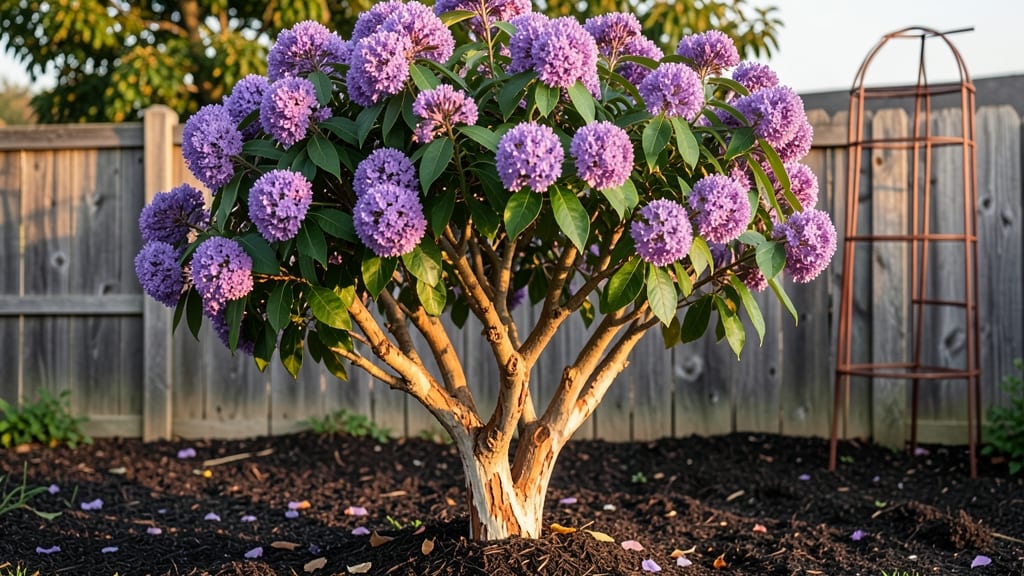
Those jaw-dropping purple blooms come from the purple crape myrtle trees you’ve been admiring all summer—cold-stressed roots are their secret, and they thrive with the right start: well-draining soil, full sun, and a little winter chill to toughen their roots. 🌿 The payoff?
A canopy of vibrant blooms that lasts from midsummer until frost, with foliage that turns shades of burgundy and gold as fall arrives.
Here’s the thing—these trees aren’t picky, but they do need good drainage to avoid soggy roots, which can lead to root rot. Amend heavy clay soil with compost or sand before planting, and choose a spot where they’ll get at least 6 hours of sunlight daily.
In colder zones, a little winter cold actually helps them bloom better the next season—just don’t let them freeze solid.
Once established, purple crape myrtles are low-maintenance, but they reward consistent care. Water deeply once a week during dry spells, and fertilize lightly in early spring with a balanced, slow-release formula.
Prune in late winter to shape the tree and remove dead wood—this keeps the canopy open and airy, so those purple blooms get maximum exposure.
Troubleshooting is simple: yellow leaves usually mean overwatering, while sparse blooms often point to too much shade or over-fertilizing. With the right conditions, your purple crape myrtle will become the showstopper of your landscape, year after year. Let’s get those roots settled in for a summer of color.
📚 In This Guide
- What you need
- Instructions
- Tips and common mistakes
- Wrapping up and next steps
What you need
- ● Purple crape myrtle tree: Choose a cold-hardy variety (e.g., 'Natchez,' 'Tonto,' or 'Muskogee') rated for your USDA zone (Zones 6-9 for best results). Opt for a 1- to 3-gallon container-grown sapling for easier establishment.
- ● High-quality soil: A mix of 60% native soil, 30% compost, and 10% perlite/sand for drainage. Test soil pH (aim for 5.5–6.5; crape myrtles prefer slightly acidic conditions).
- ● Organic mulch: 3–4 inches of shredded bark or pine straw to retain moisture and regulate root temperature.
- ● Slow-release fertilizer: A balanced 10-10-10 or 12-4-8 formula (apply ½ cup per year of tree age in early spring).
- ● Root stimulator: Mycorrhizal fungi granules (e.g., Myke) to boost cold-stressed roots.
- ● Shovel: A round-point digging spade (24–30 inches long) for planting holes.
- ● Garden trowel: For amending soil and backfilling.
- ● Pruners: Bypass pruners (for clean cuts) and loppers (for thicker branches).
- ● Measuring tape: To ensure proper spacing (10–15 feet apart for mature trees).
- ● Watering can or hose with nozzle: A soaker hose is ideal for deep watering.
- ● Gloves and knee pads: For comfort during planting.
- ● Burlap or tree wrap: To protect young bark from winter sunburn in zones 6–7.
- ● Insulating blanket: A lightweight frost cloth for root zones during hard freezes (<20°F).
- ● Anti-desiccant spray: (e.g., Wilt-Pruf) to prevent winter drying in exposed areas.
- ● Soil warming mat: For early spring planting in colder zones to jumpstart root growth.
Step-by-Step guide for revitalizing purple crape myrtle trees after cold stress
Here's how to nurse your purple crape myrtles back to full summer glory after winter damage.
🌱 Step 1: Assess Root and Canopy Damage
Start by gently probing the soil around the base with your fingers—look for soft, mushy areas that indicate root rot from prolonged cold. Healthy roots should feel firm with a slight springiness. If the bark shows dark streaks or peels easily, the trunk suffered cold damage too.
Examine the canopy next. Healthy branches should be firm with green buds ready to burst. If you see blackened twigs or brittle stems, those will need pruning. I always check the highest buds first—they're most vulnerable to winter dieback.
Here's the thing—don't panic if you see some damage. Purple crape myrtles are tough. Focus on the green buds and firm roots—they're your plant's secret weapon for recovery.
☀️ Step 2: Create Ideal Recovery Conditions
Move your plant to a location that gets full sun for at least 6 hours daily, but protect it from harsh afternoon sun during the first two weeks. I like to use a shade cloth (50% block) for morning sun, then remove it by midday when temperatures rise.
Water deeply once a week until you see moisture emerge from the drainage holes. The goal is to rehydrate the roots without overwhelming them. After that, let the soil dry slightly between waterings—crape myrtles hate soggy feet.
This is the moment that matters: Wait until nighttime temperatures stay consistently above 50°F before pushing growth. Cold snaps after pruning can set recovery back weeks.
✂️ Step 3: Strategic Pruning for New Growth
Use clean, sharp pruners to remove all dead or blackened branches first—cut back to the first healthy bud below the damage. I always make cuts at a 45-degree angle just above a leaf node to encourage new growth.
Next, thin the canopy by removing one-third of the oldest stems at ground level. This opens the center for air circulation and sunlight. You'll see new shoots emerge from the base within 3-4 weeks—that's your signal the plant is recovering.
Don't skip this (I learned the hard way): Avoid heavy pruning if your plant still looks weak. A few well-placed cuts are better than over-pruning and stressing an already damaged tree.
💧 Step 4: Fertilize for Strong Recovery
Apply a balanced 10-10-10 fertilizer at half strength 4 weeks after pruning. This gives the roots time to establish before pushing new growth. I always water thoroughly before and after applying fertilizer to prevent root burn.
For the next two months, use a low-nitrogen fertilizer (like 5-10-10) to encourage root development over top growth. You'll notice new leaves emerging with a deeper purple hue—that's your plant's way of telling you it's back on track.
Real talk: If your tree shows no new growth after 6 weeks, it may need more time. Don't rush—crape myrtles are patient plants.
Tips & tricks for revitalizing purple crape myrtle trees
Here's what I've learned after helping multiple crape myrtles bounce back from winter—these tricks make all the difference.
Root Health Check: When probing for root rot in Step 1, press firmly but gently—healthy roots should spring back slightly when released. If you find mushy spots, mix in some compost or sand to improve drainage before proceeding with other steps. This small adjustment prevents future rot during recovery.
Sunlight Transition: The 6-hour daily sun requirement in Step 2 is non-negotiable, but here's the secret: Gradually increase sunlight exposure over 7-10 days. Start with 3 hours of morning sun, then add 1 hour each subsequent day. Sudden full sun can shock already stressed plants and set back recovery by weeks.
Pruning Precision: In Step 3, when removing one-third of oldest stems, focus on the largest, thickest branches first. These compete most aggressively for resources. Make your cuts just above a leaf node at a 45-degree angle—this directs growth energy to new shoots rather than wasted energy on healing awkward cuts.
Fertilizer Timing: The 4-week wait before applying 10-10-10 fertilizer in Step 4 gives roots time to recover. But here's the pro move: Divide that first application into two smaller doses—apply half at 4 weeks and the other half at 5 weeks. This prevents nutrient overload that can stress newly recovering roots.
Pro Tips for Purple Crape Myrtle Trees
- Here's what I've learned after helping multiple crape myrtles bounce back from winter—these tricks make all the diffe...
- Root Health Check: When probing for root rot in Step 1, press firmly but gently—healthy roots should spring back slig...
- Sunlight Transition: The 6-hour daily sun requirement in Step 2 is non-negotiable, but here's the secret: Gradually i...
Frequently asked questions
Got questions about keeping your purple crape myrtle trees thriving? Here are some common concerns—and their answers—to help you grow a stunning, cold-hardy specimen with minimal stress.
How cold can purple crape myrtles tolerate before root damage occurs?
Most purple crape myrtles handle light frosts down to 20–25°F (-6 to -4°C), but prolonged exposure below 15°F (-9°C) risks root injury. Young trees or newly planted specimens are more vulnerable. Pro tip: Mulch heavily (3–4 inches) in late fall to insulate roots!
When is the best time to plant purple crape myrtles to avoid transplant shock?
Plant in early spring or fall (4–6 weeks before first frost) for optimal root establishment. Avoid summer heat or winter freezes, which stress roots. If planting in spring, water deeply 2–3 times per week for the first month to encourage growth.
Why are my purple crape myrtle leaves turning yellow or brown?
Yellowing leaves often signal overwatering or poor drainage, while brown edges may mean underwatering or cold stress. Check soil moisture (top 2 inches should be dry) and ensure the tree isn’t planted in a low-lying area where water pools. Fix it: Amend soil with compost and adjust watering.
Are there dwarf varieties of purple crape myrtles that are cold-hardy?
Yes! Look for ‘Dynamite’ or ‘Tonto’—both stay under 6–8 feet tall and thrive in USDA Zones 6–9. They’re perfect for small gardens or containers. Just ensure they get full sun (6+ hours daily) to maintain vibrant purple blooms.
How do I protect my purple crape myrtle from late spring frosts?
Cover young trees with frost cloth or a lightweight blanket when temps drop below 32°F (0°C). Avoid plastic, which traps moisture. For mature trees, focus on circulation—prune nearby branches and water deeply before frost to reduce stress.
Can I prune purple crape myrtles in winter to encourage cold resistance?
No—prune only in late winter (before buds swell) to avoid stimulating new growth that’s vulnerable to frost. Key rule: Never “crape murder” (cutting to the ground)—this harms the tree’s structure. Aim to remove only dead or crossing branches by ⅓ of the canopy.
Wrapping up and next steps
Purple crape myrtle trees bring bold color and resilience to any landscape, thriving even in colder climates with the right care.
Their stunning blooms and adaptability make them a standout choice for gardeners looking to add drama and durability to their outdoor spaces. Ready to transform your yard? Start by assessing your soil, providing proper winter protection, and giving these trees the love they deserve—your summer garden will thank you!
Next step: Pick your favorite purple crape myrtle variety and begin planning your planting or care routine today! 🌿