
Propagation
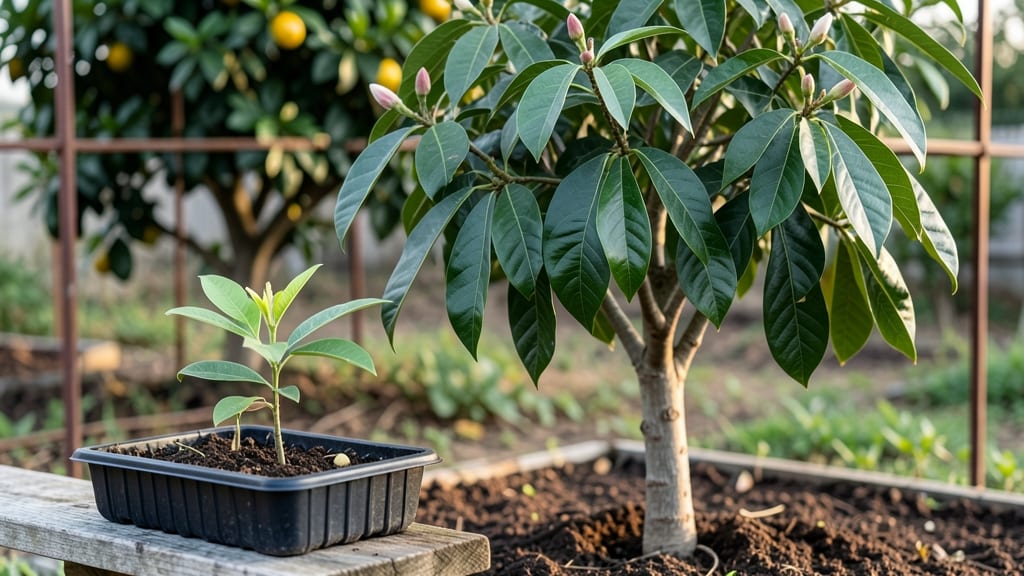
Growing a litchi tree from seed unlocks a taste of the tropics right in your own space. 🌱 The journey starts with a single seed—one that holds the potential for glossy, fragrant fruit if given the right care.
I’ve nurtured my own from seed, and while it takes patience (years before fruit), the process itself is surprisingly straightforward when you know the key steps.
The biggest challenge isn’t the technique—it’s finding fresh seeds. Look for ripe litchis at specialty stores or order online from tropical fruit suppliers. You’ll need a warm spot (70–80°F), moist seed-starting mix, and a clear plastic bag to create humidity.
Most seeds sprout in 2–4 weeks, but consistency with warmth and moisture is everything—no shortcuts here.
Once sprouted, your seedling will need bright, indirect light to prevent leggy growth. A south-facing window or grow light works best. Water when the top inch of soil feels dry, and avoid letting it sit in soggy soil.
Within 3–6 months, you’ll have a sturdy young tree ready for transplanting—though it’ll need years to mature for fruit.
This method works for both indoor pots and outdoor climates (zones 10–11). For cooler areas, treat it as a houseplant and overwinter indoors. The real reward? A tree that carries the scent of summer year-round, even if the fruit takes time. Ready to start your tropical adventure?
📚 In This Guide
- What you need
- Instructions
- Tips and common mistakes
- Wrapping up and next steps
What you need
- ● Fresh litchi seeds: 3–5 (harvested from ripe, organic litchis—avoid store-bought seeds treated to prevent germination).
- ● Well-draining potting mix: 2–3 bags (use a blend of coconut coir, perlite, and compost for aeration).
- ● Small seed trays or pots: 4–6 (3–4 inches deep with drainage holes).
- ● Plastic wrap or humidity dome: 1 (to retain moisture during germination).
- ● Watering can with a fine rose nozzle: 1 (for gentle hydration).
- ● Pruning shears: 1 (for trimming seed pods or future pruning).
- ● Spray bottle: 1 (for misting seedlings).
- ● Grow lights or sunny windowsill: Access to 6+ hours of indirect light daily.
- ● Fertilizer (balanced 10-10-10 or organic compost): 1 small bag (for later growth stages).
- ○ Heat mat (optional): 1 (speeds up germination in cooler climates, set to 75–85°F).
Step-by-Step instructions for growing a litchi tree from seed
Here's how I turn a tiny seed into a tropical promise—with patience and the right care.
🌱 Step 1: Extract and Prepare the Seed
Grab a ripe litchi fruit and carefully crack open the tough outer shell to reveal the seed inside. The seed is encased in a hard, brown husk—this is your starting point. I like to soak the seed in warm water for 24 hours to soften the outer layer and kickstart germination. Place it in a small bowl or jar, ensuring the seed stays submerged.
After soaking, gently rub the seed between your fingers to remove the husk. You'll see a smooth, oval seed underneath. This is the part that holds all the potential for your future litchi tree. Keep it moist but not soggy—wrap it in a damp paper towel and place it inside a sealed plastic bag. Store it in a warm spot, like on top of your refrigerator, where temperatures hover around 75-80°F. Check daily to ensure the towel stays damp.
🌿 Step 2: Plant the Germinated Seed
Once the seed sprouts—usually within 2-4 weeks—you'll notice a tiny root and a small shoot emerging. This is your signal to plant it. Fill a 4-inch diameter pot with well-draining potting mix, leaving about 1 inch of space at the top. Make a small hole in the center of the soil, about ½ inch deep, just enough to cradle the seed without burying it too deeply.
Place the seed in the hole, root-side down, and gently press the soil around it. Don’t pack it down too firmly—you want the soil to stay loose for those delicate roots. Water lightly until the soil feels evenly moist, but avoid soaking it. Place the pot in a warm, bright spot, but avoid direct sunlight for the first week. You’ll see the first true leaves appear within 4-6 weeks, signaling that your seedling is thriving.
☀️ Step 3: Provide Warmth and Light for Growth
When your litchi seedling reaches about 4 inches tall, it’s time to introduce it to more light. Move it to a location where it can receive bright, indirect sunlight for at least 6 hours a day. A south-facing window works well, but avoid harsh afternoon sun, which can scorch tender leaves. If you notice the leaves turning pale or stretching toward the light, your seedling needs more intensity. At this stage, a grow light can be a lifesaver, especially if you're growing indoors.
Keep the soil consistently moist but never waterlogged. Stick your finger 1 inch deep into the soil—if it feels dry, it’s time to water. Overwatering is the biggest mistake here; it can lead to root rot and kill your young tree. A 1-gallon watering can with a gentle spray nozzle works best to avoid disturbing the soil around the roots.
🪴 Step 4: Transplant to a Larger Pot
Once your litchi tree reaches 6-8 inches tall, it’s time to upgrade its home. Choose a 6-inch diameter pot with drainage holes and fill it with fresh potting mix. Gently remove the seedling from its current pot, being careful not to damage the roots. Place it in the center of the new pot and fill in around it with soil, pressing lightly to secure it. Water thoroughly to help the roots settle into their new space.
This is also the time to start fertilizing. Use a balanced, water-soluble fertilizer diluted to half strength once a month. Too much fertilizer too soon can burn the roots of your young tree. Watch for new growth—this is your sign that the transplant was successful. If the leaves start to yellow or drop, you might be overwatering or over-fertilizing. Cut back on both until the tree stabilizes.
✂️ Step 5: Prune and Train for Strong Growth
As your litchi tree grows, you’ll notice it developing multiple branches. Pruning isn’t just about shaping—it’s about encouraging strong, healthy growth. Once your tree reaches 12 inches tall, use clean, sharp pruning shears to trim back any leggy or weak stems. Cut just above a leaf node or bud to encourage new growth. This is also the time to start training the tree to grow in a single trunk by removing any lower branches that form near the base.
If you're growing indoors, rotate the pot a quarter turn every week to ensure even growth toward the light. This prevents the tree from leaning and keeps it sturdy. Outdoor growers should wait until the tree is 2 feet tall before transplanting it into the ground, if your climate allows. Litchi trees love warmth and thrive in USDA zones 10-11, but with care, you can keep them alive indoors year-round.
🌳 Step 6: Prepare for Fruit Production (Long-Term Care)
Here’s the thing—growing a litchi tree from seed takes years before it produces fruit, often 5-10 years. But the journey is worth it. To encourage flowering and fruiting, your tree will need full sun exposure (at least 8 hours daily), well-draining soil, and regular fertilization during the growing season. In cooler climates, bring your tree indoors before temperatures drop below 50°F to protect it from frost.
If you're lucky enough to see flowers appear, hand-pollinate them using a small paintbrush to transfer pollen from one flower to another. This increases the chances of fruit set. Even if you don’t get fruit right away, enjoy the lush, tropical foliage and the satisfaction of nurturing a tree from a tiny seed. Patience is key—just like with any tropical fruit tree, the rewards come with time.
Tips & tricks for perfect litchi tree growth
Between us, growing a litchi tree from seed is all about patience—and these little tricks will help you avoid the most common pitfalls along the way.
Seed Preparation Secret: In Step 1, when you soak the seed for 24 hours, use warm water that's just below boiling—not scalding. I learned this the hard way after accidentally using hot water that cracked the seed shell. The goal is to soften the husk, not shock the seed. After soaking, gently rub the seed between your palms under running water to remove the husk completely—this prevents any hidden debris from interfering with germination.
Light Transition Tip: In Step 3, when moving your 4-inch seedling to brighter light, do it gradually over 3-4 days. Sudden exposure to full sun can cause leaf burn, especially for indoor-grown seedlings. Start with morning sun only, then gradually increase exposure. If you notice leaves curling or yellowing, it's a sign you're moving too fast—back off and let the tree adjust.
Transplanting Wisdom: In Step 4, when upgrading to a 6-inch pot, water the seedling thoroughly the day before transplanting. This helps reduce transplant shock by keeping roots hydrated during the move. After repotting, place the pot in a shaded area for 24 hours to let the tree recover before reintroducing it to normal light conditions. This simple step can make all the difference in survival rates.
Pro Tips for Litchi Tree From Seed
- Between us, growing a litchi tree from seed is all about patience—and these little tricks will help you avoid the most common pitfalls along the way.
- Seed Preparation Secret: In Step 1, when you soak the seed for 24 hours, use warm water that's just below boiling—not scalding.
- Light Transition Tip: In Step 3, when moving your 4-inch seedling to brighter light, do it gradually over 3-4 days.
Frequently asked questions
Got questions about growing a litchi tree from seed?
You’re not alone! Here are answers to the most common concerns—from patience to pitfalls—so you can set your tropical dream in motion with confidence.
How long does it take for a litchi seed to sprout?
A litchi seed typically sprouts within 2–4 weeks if kept warm (70–85°F) and moist. Some seeds take longer—up to 8 weeks—so don’t lose hope! Use a seedling heat mat or place the pot in a sunny windowsill to speed things up. Patience is key—think of it as nature’s slow-cooker!
Will a litchi tree grown from seed produce fruit?
Probably not for 5–10 years (or never, if the seed isn’t true to type). Seed-grown trees often produce smaller, less flavorful fruit or even sterile varieties. For faster, better results, consider grafting a known fruiting cultivar onto your seedling later. Or, buy a young grafted tree from a nursery!
Can I grow a litchi tree indoors?
Litchi trees thrive outdoors in USDA zones 10–12, but you can try container growing indoors near a south-facing window with supplemental grow lights. Keep humidity high (mist leaves daily) and temperatures above 60°F. Expect slower growth—outdoor plants grow much faster with direct sunlight and seasonal changes.
Why did my litchi seed rot instead of sprouting?
Overwatering or poor drainage are the top culprits! Litchi seeds need moist but not soggy soil. Use a well-draining mix (like perlite + peat moss) and a pot with drainage holes. If mold appears, dump the mix, sterilize the pot, and try again with fresh, dry conditions. Pro tip: Soak seeds for 24 hours before planting to soften the shell—then let them dry slightly before sowing.
What’s the easiest alternative to growing from seed?
If seeds feel too finicky, try air-layering a branch from an existing litchi tree (if you have access to one) or buy a grafted litchi sapling from a tropical nursery. These methods guarantee faster, fruit-bearing results. Just ensure the climate matches your zone—litchis hate frost!
Wrapping up and next steps
Growing a litchi tree from seed is a rewarding journey that connects you to nature’s sweetest treasures! 🌱 With patience, care, and the right conditions, you can nurture a thriving tropical plant that may one day bear delicious fruit.
Don’t let challenges discourage you—every gardener faces hurdles, but persistence pays off.
Ready to take the next step? Start by monitoring your seedling’s progress and adjusting care as it grows. Once your litchi tree is established, research pruning, pollination tips, or even grafting to maximize its potential. Happy growing—your future harvest is waiting! 🍈✨