
Landscaping
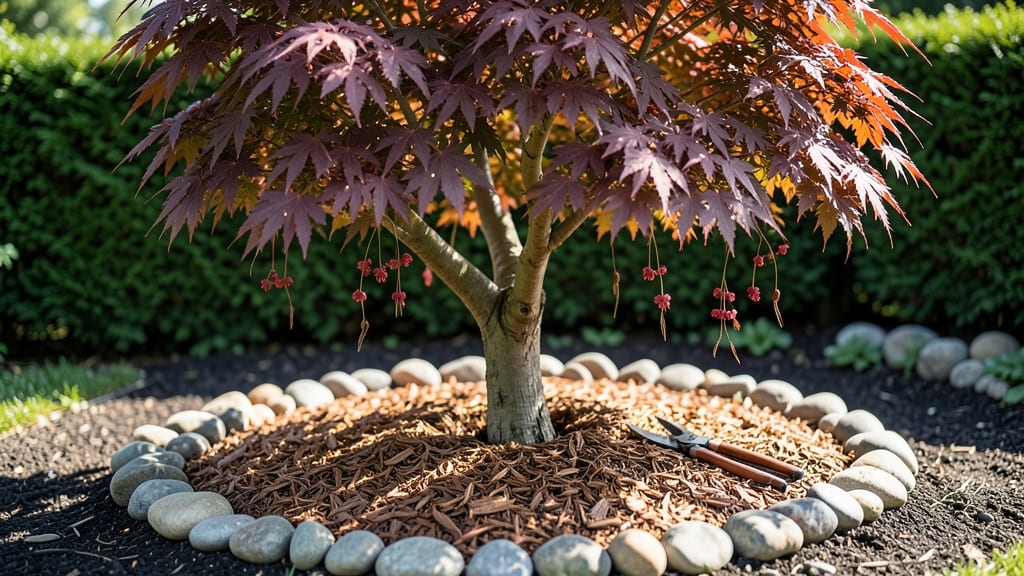
This front yard landscaping around trees proves that beauty and roots can coexist—it’s all about embracing nature’s foundation. 🌳 I’ve designed spaces where mature trees become the centerpiece, not an obstacle, using mulch rings that retain moisture while keeping roots. cool.
The key is choosing plants that thrive in shade and spacing hardscapes carefully to avoid compacting soil.
Start with a 3-inch layer of mulch (wood chips or pine straw) to suppress weeds and regulate temperature. Pair that with shade-tolerant perennials like hostas or ferns, and add a gravel path that curves naturally around the trunk.
This setup keeps your yard lush while protecting the tree’s root zone—no guesswork, just proven results.
By summer, you’ll see vibrant foliage spilling over the mulch and a clean, intentional look that turns heads. The best part? Trees stay healthy, and your curb appeal gets a low-maintenance upgrade that lasts for years. Ready to make your front yard both functional and stunning?
This approach works for any climate—just adjust mulch types (cypress for wet areas, cedar for dry) and plant choices (azaleas in the South, rhododendrons in cooler zones). The secret is balancing aesthetics with root health, so your trees keep thriving while your yard looks intentional.
📚 In This Guide
- What you need
- Instructions
- Tips and common mistakes
- Wrapping up and next steps
What you need
- ● Mulch: 2–3 inches of organic mulch (e.g., shredded bark, wood chips, or pine straw) for 10–15 sq. ft. per tree. Avoid volcanic rock or gravel near roots.
- ● Soil amendments: Compost or aged manure (1–2 bags per tree) to enrich the root zone.
- ● Ground cover plants: Low-growing, drought-tolerant options like creeping thyme, clover, or hostas (5–10 plants per tree, depending on size).
- ● Drip irrigation or soaker hose: 50–100 ft. of tubing (adjust based on yard size) to hydrate roots efficiently.
- ○ Edging materials (optional):strong> Flexible metal or plastic edging (10–20 ft. rolls) to define borders without harming roots.
- ● Garden shovel or spade (for digging small trenches or planting holes)
- ● Rake (bow or leaf rake, for leveling mulch and soil)
- ● Pruners (bypass pruners for trimming plants, not trees!)
- ● Wheelbarrow (to haul mulch, soil, or plants)
- ● Measuring tape (for spacing plants and materials accurately)
- ● Garden gloves (to protect your hands from mulch and sharp tools)
- ● Watering can or hose (for initial watering after planting)
- ● Know your tree’s root zone: Keep mulch and plants at least 6–12 inches away from the tree trunk to avoid suffocating roots.
- ● Check local regulations: Some areas restrict mulch depth or types—call your city’s landscaping office if unsure.
- ● Test your soil: A simple pH test ($10–$15 at garden centers) ensures amendments will work effectively.
- ● Timing matters: Plant ground covers in spring or early fall for the best root establishment.
How to design low-impact landscaping that safeguards tree roots
Here's how to create a beautiful front yard that keeps trees thriving while minimizing root damage.
🌱 Step 1: Map the Root Zone and Avoid Compaction
First, identify your tree's root zone by measuring 2-3 times the tree's canopy width from the trunk. This is where roots spread horizontally. Use a garden hose to mark the outer boundary—this area becomes your no-disturb zone. Real talk: Most people dig too close to the trunk, which severs critical feeder roots. I always step back and think "bigger" when planning hardscapes or planting beds.
Next, avoid compacting soil in this zone. Walk around the tree instead of standing directly over it, and keep heavy equipment at least 10 feet away from the trunk. If you must work near roots, lay down plywood or landscape fabric to distribute weight. You'll know you're doing it right when the soil around the tree stays loose and crumbly.
🪴 Step 2: Install Mulch and Drip Irrigation Strategically
Spread 3-4 inches of organic mulch (like shredded bark) in a 3-6 foot wide ring around the tree, keeping it 6 inches away from the trunk. This creates a moisture-retaining zone without suffocating the base. I use the volcano mulch method—no piling mulch against the trunk. That's a common mistake that traps moisture and invites rot. Instead, create a slight depression in the center to channel water outward.
Install a drip irrigation system along the outer edge of the mulch ring, not the trunk. Set emitters to deliver 1-1.5 gallons per hour for 15-20 minutes, 2-3 times per week. You'll see the soil stay consistently moist but never soggy in this zone. Too much water here causes root rot, while too little stresses the tree during dry spells.
☀️ Step 3: Choose Root-Friendly Plants and Hardscapes
Select ground covers and perennials with shallow, non-invasive roots like creeping thyme, sedum, or hostas. Plant them outside the dripline (the edge of the tree's canopy) in clusters of 3-5 plants per square foot. Avoid anything with deep taproots or aggressive spreaders like mint or bamboo. I always check plant tags for "shallow root" labels before buying.
For hardscapes like patios or pathways, use permeable materials like gravel, decomposed granite, or permeable pavers. Keep walkways at least 10 feet from the trunk and elevate them slightly to prevent water runoff from pooling near roots. You'll notice healthier trees where water drains freely instead of pooling against the trunk.
✂️ Step 4: Prune and Maintain with Root Safety in Mind
Prune only dead, diseased, or crossing branches—never for aesthetic shaping. Use clean, sharp tools and make cuts at a 45-degree angle just outside the branch collar. This prevents tearing bark and reduces stress on the root system. I schedule pruning for late winter or early spring when the tree is dormant, giving roots time to recover before summer heat.
Check the mulch ring annually and refresh it if it breaks down. Remove any weeds that compete for water, but leave leaf litter—it naturally decomposes into nutrient-rich humus. You'll see the tree's health improve over time as the soil stays loose, moist, and free of competition.
Tips & tricks for beautiful tree-friendly landscaping
A few simple strategies will help you create a front yard that looks stunning while keeping your trees healthy for years to come.
Root Zone Visualization: To make mapping the root zone easier, use a garden flag or spray-paint marker to clearly identify the outer boundary. This visual cue helps you remember where to avoid digging or placing hardscapes. I also sketch a simple diagram of my yard with the root zone marked—it's a great reference when planning new plantings or pathways. Confession: I skipped this step for years and wondered why my trees struggled with drought.
Mulch Maintenance: Refresh your 3-4 inch mulch layer annually in late winter or early spring, just before new growth begins. This timing ensures the mulch breaks down gradually and provides nutrients to the soil during the growing season. If you notice mulch breaking down faster than expected, consider using a thicker layer (up to 6 inches) in hotter climates, but never pile it against the trunk.
Irrigation Adjustments: During the 15-20 minute watering sessions, check the soil moisture after the first few weeks. If the soil remains damp longer than expected, reduce to 10-15 minutes per session. Conversely, if the soil dries out quickly, extend to 20-25 minutes. Adjust your 2-3 weekly schedule based on seasonal changes—trees typically need less water in cooler months.
Plant Selection Shortcut: When choosing ground covers, look for plants labeled "self-limiting" or "clumping" on the tag. These varieties naturally spread to a manageable size without becoming invasive. I always check the plant's mature size against my tree's dripline—if it's smaller than the 3-5 foot spacing, it's a safe bet for underplanting.
Pro Tips for Front Yard Landscaping Around Trees
- A few simple strategies will help you create a front yard that looks stunning while keeping your trees healthy for years to come.
- Root Zone Visualization: To make mapping the root zone easier, use a garden flag or spray-paint marker to clearly identify the outer boundary.
- Mulch Maintenance: Refresh your 3-4 inch mulch layer annually in late winter or early spring, just before new growth begins.
Frequently asked questions
How close can I plant flowers or mulch to a tree without hurting its roots?
Keep mulch at least 6 inches away from the tree trunk (but spread it in a 3-inch-thick ring extending to the drip line). For plants, avoid digging within 12–18 inches of the trunk—root competition can stress mature trees. Use root-friendly perennials like hostas or ferns instead of shallow-rooted annuals.
When is the best time to landscape around trees to avoid damaging them?
Plan your project for early spring or fall (avoid extreme heat or frost). Never landscape during drought—trees are already stressed. If you must work in summer, water deeply 2–3 days before to reduce shock. For new plantings, wait 4–6 weeks after transplanting to let roots establish.
What’s a low-impact alternative to grass around my tree?
Consider mulch beds, ground covers (like clover or creeping thyme), or gravel paths—all reduce water loss and root competition. For a polished look, try wood chip mulch (3–4 inches deep) or decorative rocks (with at least 2 inches of soil underneath). Avoid black plastic or dense pavers, which suffocate roots.
My tree’s leaves are yellowing after I landscaped—what went wrong?
Yellowing leaves often signal root damage or stress. Check for:
- Compacted soil (loosen gently with a fork).
- Over-mulching (keep mulch 6+ inches from the trunk).
- Underwatering (deep water 1–2x/week for new landscapes).
- Root disturbance (avoid heavy machinery near the drip line).
Can I add a raised garden bed near my tree without risking its roots?
Yes, but keep the bed 3+ feet from the trunk and avoid deep digging (roots extend wider than you think!). Use lightweight, organic soil and drip irrigation to prevent runoff. For extra safety, line the bed with landscape fabric to block invasive roots from creeping into your garden.
Wrapping up and next steps
Transforming your front yard around trees doesn’t have to be overwhelming—it’s all about thoughtful design and root protection. By choosing the right plants, mulching wisely, and keeping hardscapes at a safe distance, you’ll create a stunning, eco-friendly space that thrives for years.
Start small, celebrate progress, and soon your yard will be the envy of the neighborhood! 🌿
Ready to get started? Sketch a simple plan today—grab a notebook, measure your space, and let your creativity grow! Whether you’re adding mulch or planting perennials, every step brings you closer to a beautiful, low-maintenance landscape.