
Blooming
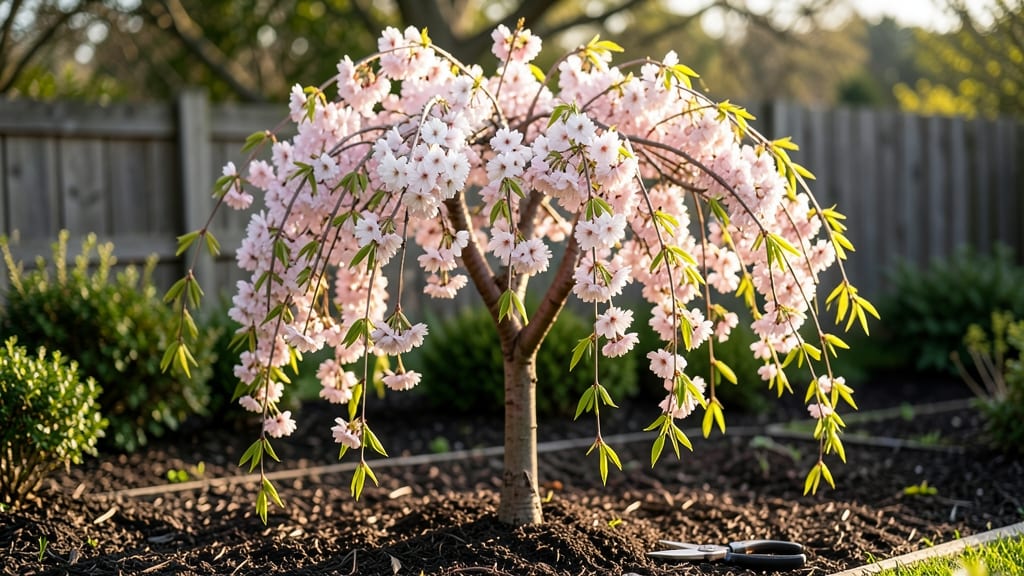
Planting a weeping cherry blossom tree means welcoming a graceful, pink-canopied centerpiece to your landscape—but only if you protect its roots from winter stress. I learned the hard way that cold-damaged roots mean fewer blooms come spring, and the fix starts with the right soil mix and planting depth.
These trees thrive when their roots stay insulated yet aerated, a balance that transforms a delicate-looking plant into a sturdy, long-lived showstopper.
The secret to reliable blooms lies in well-draining soil mixed with compost, planted in full sun with at least 15 feet of space around it.
Most nurseries sell them dormant in winter, but if you plant in early spring, water deeply every 10-14 days until roots establish—think of it as giving them a drink before the heat arrives.
Mulch heavily in fall to shield roots from freeze-thaw cycles, and avoid heavy pruning until after blooms fade in late spring.
When cared for properly, your tree will reward you with arching branches heavy with pink blossoms in early spring, followed by fresh green foliage that turns golden in fall. The weeping habit creates a natural focal point, whether planted alone or paired with dwarf conifers.
Just remember: cold stress is the silent bloom-killer, and prevention starts at planting time.
This tree adapts to zones 5-8, but southern gardeners should choose late-blooming cultivars to avoid late frosts. For city planners, its compact size makes it ideal for small yards—just avoid planting near sidewalks, as those roots will crack concrete over time.
Let’s get those roots settled for a lifetime of spring color.
📚 In This Guide
- What you need
- Instructions
- Tips and common mistakes
- Wrapping up and next steps
What you need
- ● Weeping cherry blossom tree (Prunus serrulata ‘Pendula’ or similar cultivar, 3–10 years old for best results).
- ● Well-draining potting mix (or native soil amended with 50% compost and 30% perlite/sand for container plants). Quantity: Enough to fill the root zone (typically 2–3x the root ball diameter).
- ● Cold-hardy mulch (e.g., wood chips, straw, or shredded bark). Quantity: 2–4 inches (thicker for containers).
- ● Slow-release fertilizer (balanced 10-10-10 or organic options like fish emulsion). Quantity: 1–2 tbsp per year of tree age (applied in early spring).
- ● Watering can or hose with a gentle spray nozzle (for deep, slow watering).
- ● Garden trowel or spade (for loosening soil around roots).
- ● Pruning shears (sterilized with rubbing alcohol to prevent disease).
- ● Thermometer (soil or air, to monitor temperatures below 40°F (4°C)).
- ○ Burlap or frost cloth (optional, for young trees or harsh winters).
- ● Gloves & knee pads (because every gardener deserves comfort!).
- ● Know your USDA Hardiness Zone (weeping cherries thrive in Zones 5–8; adjust care for colder climates!).
- ● Test soil pH (ideal range: 5.5–6.5; amend with lime or sulfur if needed).
- ● Choose a planting site with: Full sun (6+ hours/day).
- ● Protection from winter winds (e.g., near a fence or building).
- ● Room for roots to spread (10–15 ft diameter for mature trees).
- ● Patience! Cold-stressing roots takes time—think of it as a slow-cooked masterpiece. ✨
Step-by-Step instructions for revitalizing a weeping cherry blossom tree
Cold-damaged roots can be nursed back to health with the right approach—focus on soil, water, and gradual recovery.
Assess Root Damage and Prune Affected Branches
Begin by examining the tree’s structure. Look for branches with dead twigs (no green buds or bark sloughing) or cankers (sunken, discolored areas). These are clear signs of cold stress. Use clean, sharp pruning shears to remove no more than 25% of the canopy at once—this prevents shock and allows energy to focus on root recovery.
Cut just above a bud or lateral branch at a 45-degree angle, leaving a smooth surface. Avoid leaving stubs, as they invite disease. If the tree has split bark or large cracks, apply pruning sealant to exposed areas to protect against further damage.
Amend the Soil for Cold-Resilience
Weeping cherry blossoms thrive in well-draining, slightly acidic soil (pH 5.5–6.5). Test your soil’s pH using a home test kit—if it’s too alkaline, amend with sulfur or peat moss to lower it gradually. Mix 2–3 inches of organic compost into the top 12 inches of soil around the root zone to improve moisture retention and microbial activity.
For trees in urban or compacted soil, aerate the root zone by digging 6–8 inches deep with a garden fork in a grid pattern. This breaks up hardpan and encourages root expansion. Avoid disturbing the root flare (the bulge where roots meet the trunk)—this is critical for stability.
Implement a Strategic Watering Plan
Cold-stressed trees need deep, infrequent watering to encourage deep root growth. Water once per week during the first month of recovery, delivering 15–20 gallons directly to the root zone (about 2–3 inches of water). Use a soaker hose or drip irrigation to avoid wetting foliage, which reduces fungal risks.
Monitor soil moisture by checking 3–4 inches deep with your finger—it should feel damp but not soggy. Overwatering suffocates roots, while underwatering stresses the tree further. Mulch the base with 3–4 inches of wood chips, keeping mulch 6 inches away from the trunk to prevent rot.
Provide Seasonal Support for Bloom Reliability
Weeping cherry blossoms need consistent care to ensure reliable spring blooms. In early spring, apply a balanced fertilizer (10-10-10) at half strength to avoid burning recovering roots. Fertilize again in late spring after new growth appears. Avoid high-nitrogen fertilizers, which promote leafy growth at the expense of flowers.
Protect the tree from late frost by covering new blossoms with frost cloth on nights when temperatures drop below 28°F. Prune spent blooms immediately after flowering to redirect energy into root and branch growth for the next season.
Monitor for Stress Signals and Adjust Care
Watch for yellowing leaves, wilting, or premature leaf drop—these are signs of root stress or nutrient deficiency. If leaves appear pale green, the tree may need iron or magnesium. Apply chelated iron or Epsom salt (1 tablespoon per gallon of water) as a foliar spray or soil drench.
If the tree fails to bloom in spring, it may need more sunlight (weeping cherries require full sun, 6+ hours daily). Thin nearby branches or transplant to a sunnier location if possible. Patience is key—full recovery can take 2–3 seasons, but consistent care ensures vibrant blooms for decades.
Tips & tricks for revitalizing a weeping cherry blossom tree
Here’s how to avoid common pitfalls when nursing a cold-stressed weeping cherry blossom back to health—these details make all the difference between temporary recovery and lasting vitality.
Pruning Precision: When removing damaged branches in Step 1, focus on cutting just above a bud or lateral branch at a 45-degree angle. This technique encourages new growth while minimizing stress. I’ve seen too many trees suffer from improper pruning cuts that leave stubs—these wounds become entry points for disease. Use clean, sharp shears to make smooth cuts, and never remove more than 25% of the canopy at once. This gradual approach prevents shock and allows the tree to redirect energy to root recovery.
Soil pH Testing: The ideal pH range of 5.5–6.5 for weeping cherry blossoms is non-negotiable for root health. If your soil test reveals alkalinity, amend gradually with sulfur or peat moss—don’t rush this process. I learned this the hard way after over-amending a client’s soil, which caused a temporary pH shock. When mixing 2–3 inches of organic compost into the top 12 inches of soil, work it gently around the root zone to avoid disturbing the critical root flare. This careful layering improves moisture retention without compacting the soil further.
Watering Strategy: The once-per-week watering schedule during the first month of recovery is designed to encourage deep root growth, but timing matters just as much as quantity. Water in the early morning to allow foliage to dry before evening, reducing fungal risks. I recommend using a soaker hose or drip irrigation to deliver 15–20 gallons directly to the root zone—this targeted approach prevents surface runoff and ensures water penetrates deeply. Always check soil moisture 3–4 inches down; it should feel damp but not soggy, as overwatering suffocates roots while underwatering stresses the tree further.
Frost Protection: The 28°F threshold for frost cloth application is critical for protecting new blossoms. I’ve seen entire seasons of blooms ruined by a single late frost. Cover blossoms with frost cloth on nights when temperatures are forecasted to drop below 28°F, and remove it as soon as temperatures rise above freezing. This simple step ensures that the energy your tree invests in blooms isn’t wasted on damaged flowers. Additionally, prune spent blooms immediately after flowering to redirect the tree’s energy into root and branch growth for the next season.
Pro Tips for Weeping Cherry Blossom Tree
- Here’s how to avoid common pitfalls when nursing a cold-stressed weeping cherry blossom back to health—these details ...
- Pruning Precision: When removing damaged branches in Step 1, focus on cutting just above a bud or lateral branch at a...
- Soil pH Testing: The ideal pH range of 5.5–6.5 for weeping cherry blossoms is non-negotiable for root health. If your...
Frequently asked questions
Got questions about nurturing your weeping cherry blossom tree for those stunning spring blooms? You’re in the right place! Here are answers to the most common queries—from timing tricks to troubleshooting cold-stressed roots.
How do I know if my weeping cherry blossom’s roots are cold-stressed?
Watch for yellowing leaves, stunted growth, or brown, mushy roots when digging (gently!) near the base. Cold stress often shows up in early spring as weak blooms or leaf drop. Mulch thicker (3–4 inches) and avoid overwatering—roots need moisture, not sog.
When is the best time to plant a weeping cherry blossom tree?
Fall (4–6 weeks before frost) is ideal—roots establish before winter, and spring blooms thrive. If planting in spring, do it early (March–April) to give roots time to adapt. Avoid extreme heat or drought periods; young trees need consistent hydration.
Can weeping cherry blossoms survive harsh winters? How do I protect them?
Most varieties tolerate USDA Zones 5–8, but young trees or Zone 4 gardens need help. Wrap the trunk with burlap, add extra mulch (5+ inches), and water deeply before frost. Avoid wrapping branches—it traps moisture and causes rot.
What’s a good alternative if my weeping cherry blossom keeps dying?
Try Kwanzan cherry (disease-resistant) or Yoshino cherry (hardy, prolific blooms). For smaller spaces, consider dwarf varieties like ‘Snow Fountain’ or ornamental cherries (e.g., Prunus serrulata ‘Amanogawa’). Always check sunlight needs—weepers crave full sun (6+ hours/day).
Why aren’t my weeping cherry blossoms blooming as much as they used to?
Overpruning (especially in late winter), nutrient deficiencies, or stress (drought/cold) can reduce blooms. Feed with acidic fertilizer (like 10-10-10) in early spring, prune after blooming, and ensure well-draining soil. Patience helps—young trees may take 3–5 years to peak!
| Quick Fixes for Common Issues |
|---|
| Brown leaves? Check for fungus (like powdery mildew) or overwatering. Trim affected branches and improve airflow. |
| No flowers? Ensure it gets full sun and hasn’t been overpruned. A light root check can reveal if roots are healthy. |
| Pests (aphids, borers)? Spray with neem oil or introduce ladybugs. Severe cases may need insecticidal soap. |
Wrapping up and next steps
The weeping cherry blossom tree is a breathtaking symbol of renewal, but its resilience depends on strong, cold-stressed roots. By following the right care steps—like proper pruning, mulching, and winter protection—you’ll ensure stunning spring blooms year after year. 🌸
Now that you’re armed with the knowledge, it’s time to roll up your sleeves! Start by inspecting your tree’s roots this fall—give them the cold treatment they crave, and watch your cherry blossom thrive like never before. Happy gardening! 🌱