
Pruning
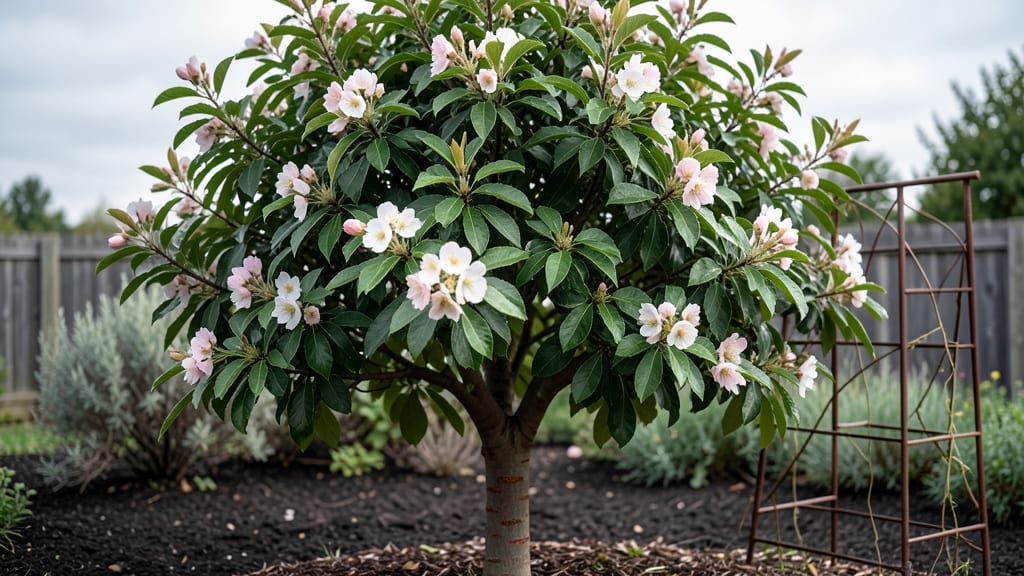
The Suncrest peach tree delivers sweet, juicy fruit that tastes like summer vacation—even when your neighbors are still shivering through winter. 🌿 I planted mine last spring, and by July, I was handing out peaches like they were candy (which, let’s be honest, they basically are).
This variety thrives where others struggle, producing heavy crops with minimal fuss if you nail a few key steps.
Here’s the secret: Suncrest peaches love full sun (at least 6-8 hours daily) and well-draining soil—think sandy loam mixed with compost. Pruning in late winter (before buds swell) keeps the tree open for airflow, which prevents fungal diseases and makes fruit easier to harvest.
Water deeply once a week once established, but never let the roots sit in soggy soil—this tree hates wet feet.
By summer, you’ll be rewarded with bright yellow-orange fruit that ripens in clusters, often before other varieties. The flavor? A perfect balance of sweet and tart, with just enough acidity to keep things interesting.
Plus, the blossoms in spring are showstoppers—pink and fragrant enough to make your whole yard smell like a peach orchard.
Whether you’re a first-time fruit grower or a seasoned pro, this tree adapts to USDA zones 5-9 with the right winter protection. The real magic? It keeps producing year after year with almost no drama. Ready to grow your own peach pie tree?
📚 In This Guide
- What you need
- Instructions
- Tips and common mistakes
- Wrapping up and next steps
What you need
- ● Pruning shears: Sharp, bypass-style (avoid anvil shears—they crush branches). 2-3 pairs (one for small cuts, one for thicker limbs).
- ● Loppers: 1 pair (18–24” reach) for branches ½–1.5” thick.
- ● Pruning saw: 1 (for limbs >1.5” thick; blank">bow or folding saw recommended).
- ● Disinfectant: 70% isopropyl alcohol or blank">horticultural spray (to sterilize tools between cuts).
- ● Gloves: 1 pair (cut-resistant, like blank">mechanics’ gloves—peach trees have thorns!).
- ● 5-gallon bucket: 1 (for collecting debris or storing pruned branches).
- ○ Tree wound paint: Optional but helpful (use blank">pruning sealant only for cuts >0.5” wide).
- ● Extension pole: 1 (3–6’ tall) for high branches.
- ● Ladder: 1 (lightweight, blank">step or extension—ensure it’s stable!).
- ● Labeling tags: Pack of 20+ (to mark branches for future reference).
- ● Compost bin: 1 (for recycling pruned wood as mulch).
- ● Safety gear: 1 pair of safety glasses (if sawing thick limbs).
Step-by-step year-round care for your Suncrest peach tree
Here's how to keep your Suncrest peach thriving through every season.
🪴 Step 1: Establish Proper Planting and Soil Conditions
The Suncrest peach loves well-draining soil with a pH between 6.0-6.5. Before planting, amend your soil with 2-3 inches of compost and a handful of granular citrus fertilizer (peaches are heavy feeders). Choose a location with full sun exposure—at least 6-8 hours daily—and space your tree 15-20 feet from structures to prevent frost damage.
Dig a hole twice as wide as the root ball but no deeper. Gently loosen the roots if they're circling, then place the tree so the graft union sits 2-3 inches above soil level. This prevents water from pooling at the graft, which can cause disease. Backfill with native soil, tamp lightly, and create a 2-inch deep watering basin around the base.
☀️ Step 2: Seasonal Watering and Fertilizing Schedule
In the first year, water deeply twice weekly during dry spells, keeping the root zone consistently moist but never soggy. You'll know it's time when the top 2 inches of soil feel dry. After the first year, mature trees need 1-1.5 inches of water weekly, delivered at the base—not overhead—to reduce fungal risks. Mulch with 3 inches of wood chips to retain moisture and regulate soil temperature.
Fertilize in three key stages: early spring (when buds swell), late spring (as flowers appear), and mid-summer (after harvest). Use a balanced 10-10-10 fertilizer at half-strength in spring, then switch to a low-nitrogen, high-potassium formula (5-10-10) for fruit development. Avoid fertilizing after mid-August—new growth won’t harden off before winter.
✂️ Step 3: Pruning for Structure and Fruit Production
Prune your Suncrest in late winter (before buds break) to shape the tree and improve airflow. Remove dead, crossing, or inward-growing branches first, then thin out 25% of the canopy to let sunlight reach the center. Open the tree’s center by cutting back suckers (shoots growing from the base) and water sprouts (vertical shoots from branches).
During the growing season, summer pruning encourages fruiting spurs. After harvest, trim back any branches that grew excessively, but avoid heavy cuts—this stresses the tree before winter. Always use sterilized pruners and make cuts just outside the branch collar to prevent disease entry.
⏰ Step 4: Winter Protection and Pest Prevention
Suncrest peaches are semi-dwarf, so they tolerate colder climates better than full-size varieties, but young trees need winter protection. Wrap the trunk with tree guard and cover the root zone with 4-6 inches of mulch before the first frost. In Zone 6 or colder, wrap the entire canopy with frost cloth if temperatures dip below 15°F for extended periods.
Pests like peach tree borers and aphids target stressed trees. Preventatively, spray with neem oil in early spring and late summer to deter insects. Monitor for peach leaf curl (a fungal disease) by removing and destroying infected leaves immediately. A copper fungicide spray applied in late fall and early spring builds resistance before spores spread.
Tips & tricks for perfect Suncrest peach tree care
Mastering these key strategies will help your Suncrest peach thrive year after year with minimal effort.
Soil pH Precision: Testing your soil's pH before planting is worth the small investment—most garden centers offer quick tests. The Suncrest peach's ideal range of 6.0-6.5 isn't just a suggestion; it directly impacts nutrient uptake. If your soil tests lower, add pelletized lime according to package instructions. For higher pH, work in sphagnum peat moss or elemental sulfur. I've seen trees struggle for years because their soil was just slightly off-range—don't let that happen to yours.
Watering Technique: The twice-weekly watering schedule in the first year might seem straightforward, but timing matters. Water in the morning between 6-10 AM to allow foliage to dry completely before evening. Wet leaves at night create perfect conditions for fungal diseases. For mature trees, use a rain gauge or tuna can to measure your 1-1.5 inches weekly—eyeballing it often leads to over- or under-watering. I've had clients call me in panic when their trees wilted because they thought "watering deeply" meant drowning the roots.
Pruning Strategy: When you're thinning out that 25% of the canopy in Step 3, focus on removing branches that cross or rub against each other—these create entry points for disease. I recommend using a sharp bypass pruner and making cuts at a 45-degree angle just outside the branch collar. The key is to open up the center of the tree while maintaining its natural shape. After pruning, dispose of all clippings immediately—don't leave them under the tree where they can harbor pests.
Winter Protection: That 15°F threshold isn't just arbitrary—it's when peach tree bark begins to suffer frost damage. If you're in Zone 6 or colder, invest in quality frost cloth rather than old bedsheets. The breathable material allows sunlight while protecting against freezing winds. For extra insurance, wrap the trunk with tree guard after applying a thick layer of mulch. I've seen trees survive -10°F winters with this protection, though the fruit yield might be lighter that first year after severe cold.
Pro Tips for Suncrest Peach Tree
- Mastering these key strategies will help your Suncrest peach thrive year after year with minimal effort.
- Soil pH Precision: Testing your soil's pH before planting is worth the small investment—most garden centers offer quick tests.
- Watering Technique: The twice-weekly watering schedule in the first year might seem straightforward, but timing matters.
Frequently asked questions
Got questions about growing and maintaining your Suncrest peach tree? Here are some of the most common concerns—plus quick, practical answers to keep your tree thriving year-round!
When is the best time to plant a Suncrest peach tree?
The ideal time to plant your Suncrest peach tree is in late winter or early spring, when the soil is workable but before new growth begins. This gives roots time to establish before summer heat. If planting in fall, do so at least 6-8 weeks before the first frost to avoid stress. Choose a spot with full sun (6+ hours/day) and well-draining soil.
How and when should I prune my Suncrest peach tree?
Prune your Suncrest peach tree twice a year:
- Late winter/early spring (before buds swell): Remove dead, diseased, or crossing branches to improve airflow and shape.
- Summer (after harvest): Lightly thin out excess growth to encourage fruit size and reduce disease risk.
Why aren’t my Suncrest peaches ripening evenly?
Uneven ripening often stems from inconsistent sunlight, water stress, or poor pollination. Ensure your tree gets full sun daily and water deeply 1-2 inches per week (more during fruit development). If bees are scarce, hand-pollinate by gently shaking branches on warm, dry days. Thin fruit early (leave 6-8 inches between peaches) to avoid overburdening the tree.
What pests or diseases should I watch for in a Suncrest peach tree?
Common threats include:
- Peach leaf curl: Fungal disease causing puckered leaves. Prevent with copper fungicide in late fall/winter.
- Brown rot: Fungal spots on fruit/leaves. Remove infected fruit immediately and apply sulfur spray.
- Peach tree borers: Look for sawdust-like frass. Wrap trunks with burlap and apply systemic insecticide in early spring.
Can I grow a Suncrest peach tree in a container? How?
Yes! Suncrest peaches thrive in large containers (20+ gallons) with drainage holes. Use a fast-draining potting mix (add perlite/sand) and repot every 2-3 years. Place in full sun and water frequently—containers dry out faster. Dwarf varieties (like ‘Bonanza’) are best for pots. Note: Container trees may produce smaller yields but are great for patios!
Wrapping up and next steps
Growing a thriving Suncrest peach tree is all about consistency—whether it’s pruning for structure, protecting against pests, or nurturing those juicy peaches! With the right care, your tree will reward you with bountiful blooms and sweet fruit year after year. 🌸🍑
Ready to take the next step? Start small: pick one seasonal task—like winter pruning or pest monitoring—and build from there. Before you know it, your Suncrest will be the star of your garden! Grab your tools and get growing!