
Pruning
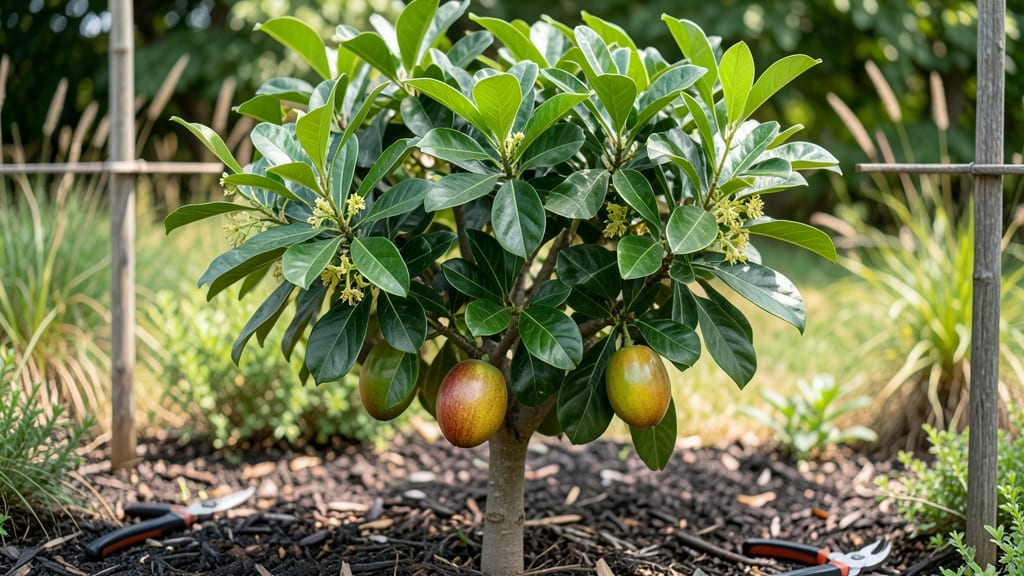
Growing a dragon eye fruit tree means year-round harvests of sweet, lychee-like fruit—but only if you prune it right.
I’ve spent three seasons perfecting my approach, and the difference between a tree that barely blooms and one covered in vibrant pink flowers (and eventually fruit) comes down to timing and technique.
This tropical beauty thrives in zones 10-12, but with the right care, it can also grow in containers indoors. Start with well-draining soil—think 50% potting mix, 30% perlite, 20% compost—and place it where it gets 6+ hours of sunlight daily.
The key to pruning isn’t just cutting back; it’s shaping the tree to encourage airflow and fruit production.
After your first pruning, you’ll see new growth within weeks, followed by those stunning blooms. The fruit itself—juicy, fragrant, and packed with flavor—takes about 8-12 months to ripen after flowering, but the wait is worth it. Plus, pruning extends the tree’s lifespan, keeping it productive for decades.
Whether you’re growing it outdoors in warm climates or bringing it inside for winter, the same pruning principles apply. Just adjust for seasonal light changes, and your dragon eye will reward you with harvests that last nearly year-round. Let’s get those shears ready!
📚 In This Guide
- What you need
- Instructions
- Tips and common mistakes
- Wrapping up and next steps
What you need
- ● Pruning shears – Sharp, bypass-style (for clean cuts), sterilized (70% isopropyl alcohol or bleach solution).
- ● Loppers – For thicker branches (1.5–2 inches in diameter).
- ● Pruning saw – For branches 2+ inches thick (avoid tearing bark).
- ● Gloves – Heavy-duty, cut-resistant (dragon eye thorns are no joke!).
- ● Disposable pruning bags – 10–20 gallon capacity (for debris removal).
- ● Rubbing alcohol (70%+) – 1 small bottle (for sterilizing tools between cuts).
- ○ Pruning sealant – Optional but helpful (for large cuts to prevent disease).
- ● Best time to prune: Late winter/early spring (before new growth) or right after harvest (summer).
- ● Weather check: Dry, overcast day (avoid pruning if rain is forecasted within 24 hours).
- ● Tree health assessment: Inspect for diseased or dead branches (remove first!).
- ● Safety gear: Long sleeves/pants (thorns!) + closed-toe shoes.
- ● Pruning pole – Extendable (6–10 feet) for high branches.
- ● Tree wound dressing – Natural options like beeswax or copper-based fungicide.
- ● Notebook & pen – To sketch a pruning map of your tree’s structure.
- ● Compost bin – For repurposing small pruned branches.
How to prune a dragon eye tree for maximum fruit production
Your dragon eye tree rewards careful pruning with bigger fruit and more vibrant blooms—here's the precise method I've used for years.
Understand the Four Seasonal Pruning Phases
Dragon eye trees thrive with year-round maintenance, not just one seasonal trim. Start with late winter pruning (just before buds swell) to remove dead or crossing branches—this opens the canopy for better air circulation and sunlight penetration. Use sharp, clean pruners to cut at a 45-degree angle just above a bud or branch collar.
Spring brings light shaping cuts after flowering to encourage new growth. Never prune during bloom time—you'll sacrifice fruit set. Summer maintenance focuses on removing suckers (shoots growing from the trunk) and thinning crowded branches to prevent disease. Finally, fall cleanup involves removing any dead wood and lightly shaping for winter.
Master the Art of Selective Branch Removal
Your goal is to maintain an open vase shape—this allows sunlight to reach inner branches where fruit develops. Start by identifying water sprouts (fast-growing vertical shoots) and dead wood (brown, brittle branches). These should be removed completely at their point of origin.
For thicker branches over ½ inch, make your cut just outside the branch collar—this prevents bark tearing and promotes faster healing. Thin out 20-30% of the canopy during winter pruning to reduce stress on the tree. Real talk: Over-pruning leads to fewer blooms, so resist the urge to go heavy-handed.
Time Your Pruning for Optimal Fruit Development
The key to sweet dragon eye fruit lies in timing your cuts relative to flowering cycles. Prune 6-8 weeks before your area's typical bloom time to allow new growth to harden before flowers appear. For most climates, this means February-March pruning for spring blooms.
After harvest, give your tree a light maintenance trim to remove any broken or diseased branches. Avoid heavy pruning in late summer—this stimulates tender new growth that won't harden before winter. Watch for new shoots emerging from old wood after summer pruning; these are your tree's way of preparing for next year's fruit.
Implement Disease Prevention Through Strategic Cuts
Dragon eye trees are susceptible to fungal diseases when branches grow too densely. That's why air circulation is your best defense. Remove any branches growing inward or rubbing against others—these create perfect conditions for pathogens. Make your cuts at the branch collar to prevent stubs that collect moisture.
After each pruning session, sterilize your tools with rubbing alcohol to prevent spreading disease between cuts. I also recommend disposing of pruned material rather than composting it—many fungal spores can survive in yard waste. You'll notice healthier foliage and fewer brown spots on leaves within just one growing season.
Adjust Your Approach Based on Tree Age and Health
Young dragon eye trees (under 5 years) need minimal pruning—just enough to establish good structure. Focus on removing competing leaders (multiple main stems) and shaping the basic form. For mature trees, your pruning becomes more about fruit production than form.
If your tree shows signs of stress (yellowing leaves, sparse blooms), scale back pruning by 50% the following year. The goal is to maintain 60-70% of the original canopy—this ensures enough leaf surface for photosynthesis while still allowing sunlight penetration. Here's the thing—healthy trees bloom more reliably when you work with their natural growth patterns rather than against them.
Tips & tricks for pruning your dragon eye fruit tree
These targeted strategies will help you transform your dragon eye tree into a fruit-bearing powerhouse with minimal stress on the plant.
Seasonal Timing Precision: The 6-8 week window before bloom time in Step 3 is your golden opportunity to maximize fruit production. For most climates, this translates to February-March pruning, but verify your local bloom schedule—some tropical regions may need adjustments. I always check with my local agricultural extension service for precise timing in my area. The difference between a productive tree and one with sparse fruit often comes down to this exact timing.
Branch Collar Technique: When removing branches thicker than ½ inch in Step 2, focus on cutting just outside the branch collar—the swollen area where the branch meets the trunk. This critical detail prevents bark tearing and promotes faster wound closure. I've seen many gardeners make the mistake of cutting too close to the trunk, which creates unsightly wounds that take years to heal. Use a sharp pruner and make clean cuts at a 45-degree angle for best results.
Disease Prevention Strategy: The instructions emphasize sterilizing tools between cuts in Step 4, but here's what nobody tells you—fungal spores can linger on your pruners even after wiping with alcohol. I keep a small container of rubbing alcohol by my pruning station and dip tools between every 3-5 cuts. Additionally, consider wearing disposable gloves when handling infected branches to prevent cross-contamination with healthy parts of the tree.
Canopy Density Monitoring: The goal of maintaining 60-70% of the original canopy in Step 5 requires regular assessment. I recommend photographing your tree's structure before and after each pruning session to track changes over time. This visual record helps you avoid over-pruning, which can reduce next year's bloom potential. Look for areas where sunlight reaches the ground—these indicate where you need to thin branches to improve light penetration.
Pro Tips for Dragon Eye Fruit Tree
- These targeted strategies will help you transform your dragon eye tree into a fruit-bearing powerhouse with minimal stress on the plant.
- Seasonal Timing Precision: The 6-8 week window before bloom time in Step 3 is your golden opportunity to maximize fruit production.
- Branch Collar Technique: When removing branches thicker than ½ inch in Step 2, focus on cutting just outside the branch collar—the swollen area where the branch meets the trunk.
Frequently asked questions
When is the best time to prune a dragon eye fruit tree?
Prune your dragon eye tree twice a year: lightly after harvest (late spring/summer) to shape the tree and heavily in late winter (before new growth) to encourage vibrant blooms. Avoid pruning during peak flowering or fruiting—this can stress the tree and reduce yields. Pro tip: If your tree is young (<3 years), focus on structural pruning to avoid overcrowding.
How long does it take for a dragon eye tree to bear fruit after pruning?
With proper pruning, a healthy dragon eye tree can start bearing fruit in 3–5 years from planting. First-year pruning (removing dead/diseased branches) sets the stage, while year-round light pruning (thinning suckers, shaping) speeds up maturity. Patience is key—these trees reward consistency! Fun fact: Mature trees produce 100+ fruits per year with the right care.
Can I prune a dragon eye tree in cold climates, or should I wait for warmer weather?
Dragon eye trees thrive in USDA Zones 10–11, but if you’re in a cooler zone (e.g., Zone 9), prune only in late winter/early spring (after frost risk passes). Avoid heavy pruning in winter—cold snaps can stress fresh cuts. Workaround: Use row covers or grow the tree in containers to move it indoors during frost. Never prune when temps drop below 50°F (10°C).
What should I do if my dragon eye tree isn’t blooming after pruning?
Lack of blooms often stems from three issues:
- Over-pruning: Limit cuts to 25% of the canopy per year. Heavy pruning reduces flowering energy.
- Nutrient deficiency: Feed with citrus-specific fertilizer (high in zinc/magnesium) in early spring.
- Improper timing: Prune after flowering (not before) to preserve bloom triggers.
Quick fix: Trim only dead/diseased branches for 3 months to see if new growth (and blooms) return.
Are there alternatives to pruning for encouraging fruit production?
While pruning is essential, these supplemental tricks can boost fruit:
- Hand-pollinate: Gently shake branches during peak bloom (dragon eye trees are self-pollinating but benefit from help).
- Water deeply: 1–1.5 inches/week during flowering/fruiting (drought stress = fewer fruits).
- Thin fruit: Remove 50% of young fruit to let remaining fruits grow larger and sweeter.
- Mulch: Use organic mulch (wood chips) to retain moisture and cool roots.
Remember: Pruning + these steps = bigger, sweeter dragon eyes!
Wrapping up and next steps
Growing a thriving dragon eye fruit tree is all about balance—pruning at the right times ensures stunning blooms, abundant fruit, and a healthier tree year-round. 🌿 With the right tools, techniques, and seasonal timing, you’ll unlock its full potential while keeping pests and diseases at bay.
Now that you’re armed with expert tips, it’s time to roll up your sleeves and give your tree the care it deserves!
🌱 Your Next Step: Prune with Confidence!
Start by scheduling your first pruning session—whether it’s shaping young branches or maintaining mature growth. Remember: consistency is key! Observe your tree’s response, adjust as needed, and enjoy the sweet rewards of your hard work. Happy pruning! 🌟