
Pruning
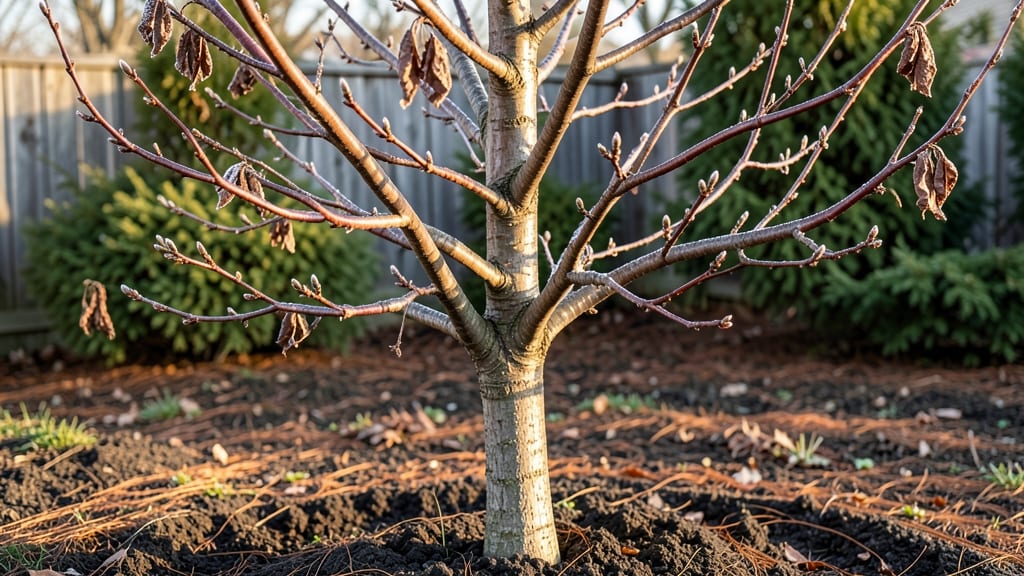
Winter is when a peach tree’s health for the next season gets decided—three strategic cuts now mean bigger harvests and stronger branches by summer. 🌿 I’ve pruned my peach tree every winter for five years, and the difference between a neglected tree and one that thrives comes down to timing, technique, and a few key rules most gardeners miss.
The secret isn’t complicated—just three cuts: remove dead wood first, then thin out crowded branches, and finally shape the tree to let sunlight reach the center.
Most people over-prune or wait too late, but doing this in late winter (before buds swell) gives the tree time to heal before spring growth kicks in. You’ll need a sharp pruner, rubbing alcohol for cleaning cuts, and maybe a ladder if your tree is tall.
By spring, you’ll see faster new growth, fewer fruitless branches, and a tree that’s less likely to break under heavy peaches. The best part? It takes about 30 minutes and saves you from struggling with a tangled mess later.
Winter pruning isn’t just about shaping—it’s about setting your peach tree up for a productive, pest-resistant season ahead.
Works for young trees, mature ones, and even those recovering from frost damage. Here’s how to do it right the first time—no guesswork, just results. Let’s get those branches in order before the growing season starts.
📚 In This Guide
- What you need
- Instructions
- Tips and common mistakes
- Wrapping up and next steps
What you need
- ● Pruning shears: Bypass shears (for clean cuts on small branches, 6–8" blades, sharp and rust-resistant). Anvil shears (for thicker branches, 8–10" blades).
- ● Loppers: 1 pair (18–24" long, for branches ½–2" in diameter). Look for ratcheting loppers for extra leverage.
- ● Pruning saw: 1 (for branches >2" thick). A bow saw or pruning saw with a curved blade works best.
- ● Disinfectant: 70% rubbing alcohol or bleach solution (1 part bleach to 9 parts water) to sterilize tools between cuts.
- ● Gloves: 1 pair of cut-resistant, garden gloves (nitrile-coated for grip and protection).
- ● Safety glasses: 1 pair (to shield eyes from debris).
- ○ Ladder (optional but helpful): Aluminum extension ladder (20–24' tall, with non-slip feet) if your tree is over 8' tall.
- ● Marking twine or flags: (for tagging branches to remove later, if needed).
- ● Sealant: Pruning paint or wound dressing (like Tanglefoot Tree Wound Pruning Seal) for large cuts (>2" diameter).
- ● Tree bag or tarp: To collect fallen branches and debris easily.
- ● Sharpener: A file or sharpening stone to keep blades in top condition.
- ● Notebook & pen: To jot down notes on cuts made (helpful for tracking growth patterns).
- ● First-aid kit: Just in case (pruning can be messy!).
How to prune a peach tree in winter for stronger growth
Winter’s the perfect time to shape your peach tree—just three focused cuts will set it up for bountiful fruit next year.
✂️ Step 1: Remove Dead or Diseased Branches First
Start by scanning the tree for branches that are brown, brittle, or oozing sap—these are dead or infected. Use sharp pruning shears to cut these back to healthy wood, making your cuts just outside the branch collar where the branch meets the trunk. This prevents unsightly stubs and keeps disease from spreading.
I always work from the bottom up, so I don’t accidentally drop debris onto clean cuts. If a branch is larger than 2 inches thick, use a pruning saw instead of shears. You’ll know you’ve made the right cut when the inside of the branch shows fresh, green tissue—never dark or mushy wood.
✂️ Step 2: Thin Out Crossing or Rubbing Branches
Next, look for branches that cross each other or rub against one another. These create wounds where disease can enter and weaken the tree. Remove the weaker of the two branches by cutting back to the branch collar. If both branches are strong, choose the one growing at a better angle for sunlight and airflow.
Here’s the thing—peach trees grow fast, and branches can shift over time. If you see any new rubbing spots after pruning, make a note to address them next winter. You’ll also notice the tree’s structure opening up, which means better air circulation and fewer pest problems.
✂️ Step 3: Shape the Tree for Balance and Sunlight
Now focus on the tree’s overall shape. Peach trees thrive with an open center that lets sunlight reach the inner branches. Remove any branches growing inward or downward, cutting them back to a healthy outward-facing bud. Aim for a vase-like shape with the strongest branches evenly spaced along the main trunk.
I like to step back every few cuts to visualize the tree’s silhouette. The goal is to keep the lower branches strong enough to produce fruit while letting light reach the upper branches. Avoid over-pruning—never remove more than 25% of the tree’s canopy in one season, or you’ll stress it unnecessarily.
⏰ Step 4: Clean Up and Protect the Tree
Once pruning is done, rake up all debris and dispose of it in the trash—not the compost pile. Diseased branches can harbor fungi that might reinfect the tree. Then, apply a thin layer of wood ash or copper fungicide to any large cuts to prevent bacterial infections.
Winter pruning is all about preparation. After you’re finished, water the tree deeply to help it recover from the cuts. You’ll see new growth in spring, and those three simple cuts will pay off with stronger branches and more peaches next season.
Tips & tricks for pruning a peach tree in winter
Here's what nobody tells you—those three simple cuts actually require some strategic thinking to do right. Winter pruning is all about setting up your tree for success, not just making random snips.
Tool Selection Matters: Always use sharp, clean tools—dull shears crush branches, creating larger wounds that heal poorly. I keep a small bottle of rubbing alcohol handy to wipe down my pruners between cuts on different parts of the tree. This prevents cross-contamination of diseases from dead branches to healthy wood. For branches thicker than 2 inches, I switch to a pruning saw—it gives me the control I need without tearing the bark.
Visualizing the Final Shape: Before making any cuts, step back and visualize your tree's ideal shape. I sketch a rough outline on paper first—this helps me see which branches need to go. Focus on creating an open center that lets sunlight reach all parts of the canopy. In Step 3, when shaping for sunlight, I look for branches that grow at 45-degree angles outward—they'll produce the best fruit. Never remove more than 25% of the canopy at once, even if your tree looks overgrown.
Timing is Everything: Winter pruning works best when your tree is fully dormant, typically between late fall and early spring before buds begin to swell. The exact timing depends on your climate zone—consult your local extension office if you're unsure. I always prune on a dry day to prevent fungal spores from spreading through fresh cuts. After pruning, I water deeply to help the tree recover, especially if we've had a dry winter. This is particularly important in Step 4 when protecting the tree.
Pro Tips for Peach Tree In Winter
- Here's what nobody tells you—those three simple cuts actually require some strategic thinking to do right.
- Tool Selection Matters: Always use sharp, clean tools—dull shears crush branches, creating larger wounds that heal poorly.
- Visualizing the Final Shape: Before making any cuts, step back and visualize your tree's ideal shape.
Frequently asked questions
Got questions about keeping your peach tree thriving in winter? You’re not alone! Here are answers to the most common concerns—so you can prune with confidence and set your tree up for a bountiful spring.
When is the absolute latest I can prune my peach tree in winter?
Prune your peach tree before buds swell in late winter (typically February–March in most zones). This timing prevents disease spread and encourages strong spring growth. If you miss it, wait until early spring—but avoid pruning after flowers appear to protect fruit production.
Can I prune a peach tree in winter if it’s still snowing or freezing?
No—wait for temperatures to stabilize above freezing (usually 40°F/4°C or warmer). Cold, wet conditions stress the tree and can invite fungal infections. If your area has unpredictable winters, prune on a dry, mild day to minimize risk.
What if my peach tree looks dead after winter? Should I prune it?
Don’t panic! Peach trees often look dormant in winter. Start by checking for green buds or slight swelling at branch junctions—signs of life. If branches are completely brown and brittle, they’re likely dead and should be removed. Thin out 20–30% of the canopy to improve airflow and health.
Do I need to seal pruning cuts on a peach tree?
Nope! Unlike some trees, peach trees don’t need pruning sealant. Their bark heals quickly, and sealants can trap moisture, promoting rot. Just make clean cuts at a 45° angle, ¼” above a bud, and avoid leaving stubs.
What if my peach tree has no leaves but still has fruit? Is winter pruning safe?
If your tree has fruit in winter, it’s likely in a warm microclimate (e.g., near a wall or in Zone 8+). Prune carefully to avoid removing potential fruit-bearing branches. Focus on dead, crossing, or diseased wood first, then adjust for shape. Harvest any remaining fruit as soon as possible—it won’t ripen properly.
Pro Tip:
After pruning, sterilize your tools with rubbing alcohol to prevent spreading fire blight or other diseases. And if your tree is young, consider wrapping the trunk with tree guard to protect it from rodents and sunscald.
Wrapping up and next steps
Winter pruning might seem like a chilly task, but with just three simple cuts, you’re setting your peach tree up for a bounty of fruit and lush growth all year. 🌱 Remember, the key is timing, technique, and tools—clean cuts, proper spacing, and a little patience go a long way.
Ready to roll up your sleeves? Grab your pruners and head outside—your tree (and future harvest) will thank you! Next up: Mark your calendar for late winter or early spring and start pruning. Your peach tree’s health—and your future peach cobbler—will be the sweetest reward. 🍑✨