
Pruning
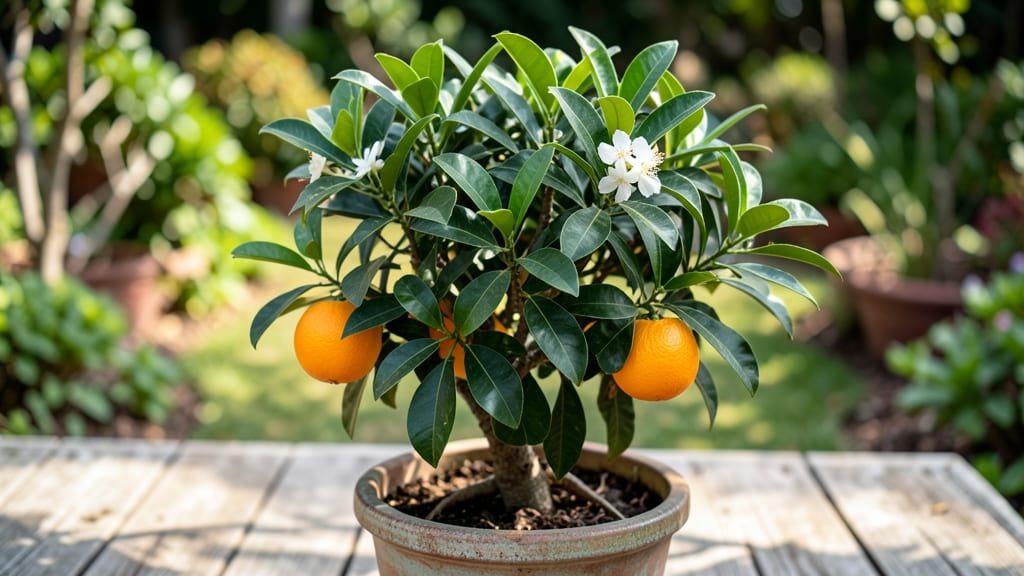
The pineapple orange fruit tree delivers sweet-tart fruit that tastes like a cross between citrus and tropical dessert—something I never expected from a backyard tree. 🌱 Unlike fussy citrus, this hardy hybrid thrives in zones 7-10, even handling brief cold snaps better than lemons or oranges.
The secret to its abundance? Four strategic pruning cuts that keep it productive year-round, not just once a year.
First, you’ll need sharp bypass pruners, a 3-foot ladder (for taller branches), and a spray bottle of diluted rubbing alcohol to sterilize cuts. The tree’s open growth habit makes it perfect for container growing in cooler climates—just use a 15-gallon pot with drainage holes.
Water deeply once a week in summer, but cut back in winter when growth slows. Most beginners overwater, causing root rot, so let the top 2 inches of soil dry between waterings.
After pruning, you’ll see new growth within 3-4 weeks, with fruit setting heavier than ever. The sweet-tart flavor develops fully when fruit turns deep orange—harvest in late fall for the best taste.
Container-grown trees bear fruit just as well as in-ground plants, making them ideal for patios or small yards. The only trade-off? You’ll need to bring pots indoors if temperatures drop below 20°F.
Here’s the game-changer: prune in late winter to shape the tree and remove dead wood, then do light maintenance cuts in summer to improve airflow. This two-step approach prevents fungal issues and keeps the tree compact enough for easy harvesting.
Once you master these cuts, you’ll have fruit from June through November—and neighbors begging for cuttings.
📚 In This Guide
- What you need
- Instructions
- Tips and common mistakes
- Wrapping up and next steps
What you need
- ● Pruning shears: Sharp, bypass-style shears (4–6" blade) for clean cuts on small branches.
- ● Loppers: 8–10" loppers for thicker branches (½"–1" diameter).
- ● Pruning saw: Curved-tooth saw for branches >1" thick (avoid crushing!).
- ● Disinfectant (70% isopropyl alcohol or bleach solution): 1 part bleach to 9 parts water (for sterilizing tools between cuts).
- ● Garden gloves: Heavy-duty, cut-resistant gloves (e.g., Mechanix Wear or Tiger Claw).
- ● Sealing wax or pruning paste: 1 small jar (to coat large cuts and prevent disease).
- ● 5-gallon bucket or trash bag: For collecting pruned branches (avoid leaving debris near the tree).
- ○ Permanent marker: Fine-tip for labeling cuts (optional but helpful for tracking growth).
- ● Extension pole: 3–6 ft with pruning shears attached (for high branches).
- ● Hand saw with bypass blade: For precision on awkward angles.
- ● Tree growth regulator: (e.g., Bonzi) to control excessive growth if needed.
- ● Camera or sketchbook: To document cuts before/after (great for learning!).
- ● Compost bin: For repurposing small pruned branches into mulch.
How to prune a pineapple orange tree for maximum fruit production
Here’s the simple, science-backed approach I use to keep my pineapple orange tree laden with fruit all year.
🌿 Step 1: Remove Dead or Diseased Branches First
Start by inspecting the tree for any branches that are brown, brittle, or showing signs of disease—these are the first to go. Use clean, sharp pruning shears to make a clean cut just above a leaf node or outward-facing bud. This ensures the tree doesn’t waste energy trying to heal damaged wood.
I always prune these branches in the late winter or early spring, just as new growth begins. The tree will thank you by redirecting its energy toward healthy, productive branches. If you spot any branches with blackened spots or oozing sap, cut them back aggressively to prevent the issue from spreading.
✂️ Step 2: Thin Out Overcrowded Growth
Next, look for branches that are rubbing against each other or growing inward toward the center of the tree. These compete for sunlight and nutrients, which means fewer pineapple oranges for you. Use your pruning shears to cut these branches back to the main trunk or a strong outward-facing branch.
This step is all about opening up the tree’s canopy so light and air can circulate freely. I aim to leave about 6-8 inches of space between branches—this prevents future overcrowding. If you’re unsure which branches to remove, imagine looking at the tree from the center: you want a balanced, open shape.
☀️ Step 3: Encourage Fruit Production with Strategic Cuts
To boost fruit production, focus on cutting back branches that have already borne fruit. After harvesting, trim the branch back to a strong lateral branch or bud. This trick encourages the tree to produce new flowering shoots from those buds, leading to more fruit in the next cycle.
I also make sure to leave at least 3-4 strong branches per main stem to support the tree’s structure. If you see a branch that’s producing small, sparse fruit, it might need a harder prune to stimulate new growth. Just don’t go overboard—you want to maintain the tree’s shape while encouraging abundance.
⏰ Step 4: Lightly Prune for Shape and Airflow Year-Round
Throughout the year, do light pruning to maintain the tree’s shape and improve airflow. Remove any suckers (shoots growing from the base or trunk) unless you’re propagating new trees. Trim back any branches that are growing too long or leggy, cutting them back to a bud or branch that’s growing in the direction you want.
This is also the time to shape the tree for easier harvesting. I like to keep the lower branches trimmed so I can reach the fruit without straining. A little maintenance now means bigger, easier-to-pick pineapple oranges later. Just avoid heavy pruning in the heat of summer—wait until cooler months to minimize stress on the tree.
Tips & tricks for pruning your pineapple orange tree
Here's what nobody tells you about keeping your pineapple orange tree thriving after pruning.
Timing Secret: Late winter or early spring is your best window because the tree is just waking up from dormancy. I've learned the hard way that pruning too early can expose tender new growth to frost damage, while waiting too long means you're cutting back the year's potential fruit production. Look for fresh buds forming—those are your cues.
Tool Technique: Never use dull pruning shears—they crush branches instead of making clean cuts. I invest in high-quality bypass pruners and sharpen them annually. When cutting, always make your slice just above a leaf node or outward-facing bud. This small detail makes a huge difference in how quickly your tree recovers and grows new branches.
Branch Spacing Strategy: That 6-8 inch spacing between branches isn't arbitrary—it's based on how much sunlight your tree needs. I mark my spacing with small stakes when I first prune, then check annually. Too little space means branches compete for sunlight, while too much space can make the tree look sparse. Think of it like creating a balanced canopy that lets light reach all parts of the tree.
Recovery Watch: After heavy pruning, your tree might look like it's taking a nap. Don't panic! This is normal as it redirects energy. I keep an eye out for new growth within 4-6 weeks. If you don't see buds forming after 8 weeks, it might be time to check for underlying issues like nutrient deficiencies or pests.
Pro Tips for Pineapple Orange Fruit Tree
- Here's what nobody tells you about keeping your pineapple orange tree thriving after pruning.
- Timing Secret: Late winter or early spring is your best window because the tree is just waking up from dormancy.
- Tool Technique: Never use dull pruning shears—they crush branches instead of making clean cuts.
Frequently asked questions
Got questions about growing and pruning your pineapple orange fruit tree? You’re not alone! Here are answers to the most common queries to help you keep your tree thriving and productive year-round.
How often should I prune my pineapple orange tree?
Prune your pineapple orange tree 2-3 times per year—once after harvest (to encourage new growth), in late winter (for shaping), and lightly in summer (to manage size). Focus on removing dead, diseased, or crowded branches while keeping the open-canopy structure intact for airflow and sunlight.
When is the best time to harvest pineapple oranges?
Harvest when the fruit is fully colored, slightly soft to the touch, and fragrant—usually fall through early winter (varies by climate). Avoid picking too early; underripe fruit lacks sweetness. If left on the tree, they’ll ripen further but may drop naturally.
Can I grow pineapple oranges in containers? If so, how?
Yes! Use a large container (at least 20+ gallons) with drainage holes and well-draining soil. Prune aggressively to control size, and repot every 2–3 years. Place in full sun (6+ hours daily) and water deeply when the top inch of soil dries. Dwarf varieties like ‘Calamondin’ work well for pots!
What should I do if my pineapple orange tree has yellow leaves?
Yellow leaves often signal overwatering, underwatering, or nutrient deficiencies. Check soil moisture—it should be dry but not bone-dry between waterings. Test for pests (like aphids or scale) and fertilize with citrus-specific food in early spring. If the issue persists, adjust sunlight exposure or improve drainage.
Are pineapple oranges self-pollinating, or do I need another tree?
Most pineapple oranges are self-pollinating, but cross-pollination from another citrus tree (even a different variety) can boost fruit set. If you’re in a windy area, a second tree nearby may help. Hand-pollinate with a small brush if your tree isn’t producing well—gently transfer pollen between flowers!
Wrapping up and next steps
Growing a pineapple orange fruit tree with year-round abundance is totally within your reach—it just takes the right pruning know-how! By mastering those four key cuts—thinning, shaping, rejuvenation, and disease prevention—you’ll keep your tree healthy, productive, and bursting with sweet, tangy fruit. 🌱✂️
Now that you’re armed with the tools and techniques, there’s no time like the present to grab those shears and get pruning! Start small, observe your tree’s response, and soon you’ll be enjoying homegrown pineapple oranges like never before. Happy gardening!