
Pruning
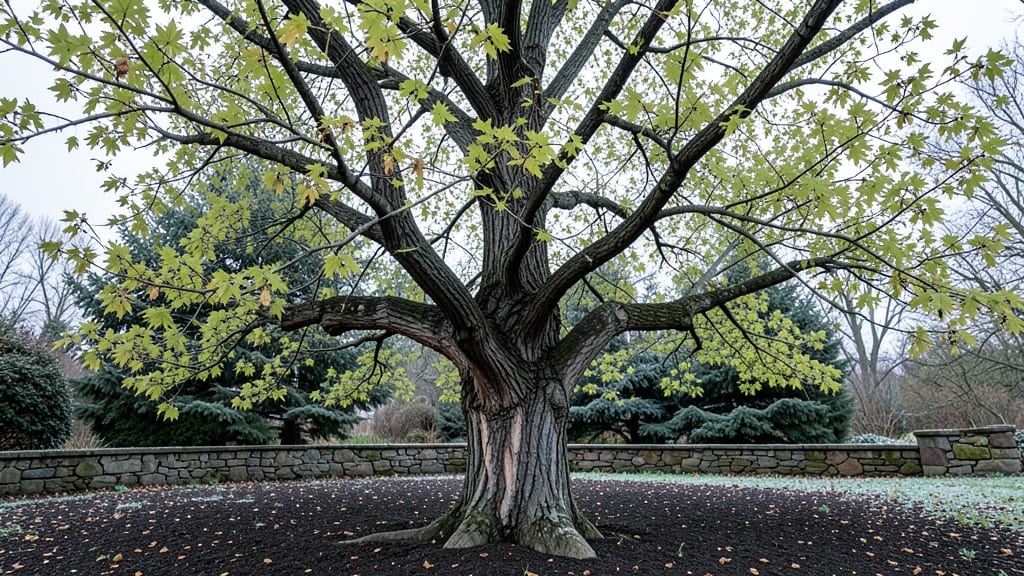
When pruning hard maple trees, their rugged bark isn’t just armor—it’s a clue about how to cut for healthier growth. 🌳 I’ve spent years studying how these trees respond to pruning, and the right technique makes all the difference between a stressed tree and one that thrives.
The key lies in understanding the bark’s role: thick, furrowed, and tough, it protects against pests and disease, but improper cuts can invite trouble.
Hard maple bark signals where to make cuts—look for natural branch collars where the limb meets the trunk. Using sharp tools and clean cuts prevents tearing, which exposes vulnerable wood to rot. This isn’t just about aesthetics; it’s about giving your tree the best chance to heal strong.
The right pruning timing (late winter or early spring) also matters, as it lets the tree recover before summer stress hits.
What you’ll get is a tree that grows more vigorously, with fewer weak branches and better resistance to common diseases like anthracnose. The bark itself becomes even more pronounced, adding character to your landscape while keeping the tree robust.
Think of it as a long-term investment—one that pays off in stronger structure and fewer headaches down the road.
Whether you’re shaping a young sapling or maintaining a mature hard maple, these principles apply. The goal is always the same: prune to encourage health, not just looks. Let’s get into the details of how to do it right—your tree will thank you for years to come.
📚 In This Guide
- What you need
- Instructions
- Tips and common mistakes
- Wrapping up and next steps
What you need
- ● Pruning shears: Bypass pruners (for cuts up to ½ inch thick) – one pair (look for sharp, stainless-steel blades).
- ● Loppers: For branches ½ to 2 inches thick – one pair (with a long handle for reach).
- ● Pruning saw: For larger branches (2+ inches) – one (bow or folding saw preferred).
- ● Disinfectant: 70% isopropyl alcohol or a 10% bleach solution (to sterilize tools between cuts).
- ● Heavy-duty gloves: Work gloves with grip (to protect from splinters and sap).
- ● Safety glasses: ANSI-rated (to shield from debris).
- ○ Ladder (optional): Extendable aluminum ladder (rated for your weight + tools).
- ○ Tar or pruning sealant: (Optional) For sealing large wounds (e.g., Tanglefoot Tree Wound Pruning Seal).
- ● ✅ Timing: Prune during dormant season (late fall/winter) or early spring (before buds swell). Avoid summer pruning.
- ● ✅ Weather: Choose a dry, calm day (no rain or wind forecasted for 24 hours).
- ● ✅ Tree health check: Inspect the tree for signs of disease (e.g., cankers, oozing sap) or pests before starting.
- ● ✅ First aid kit: Basic kit (for minor cuts/scrapes from bark or tools).
Step-by-step guide to pruning hard maple trees for healthier bark
Pruning isn't just about shaping—it's about protecting that prized hard maple bark.
🌿 Step 1: Identify the Right Time and Tools
Timing matters most for hard maples. Late winter or early spring—just before buds swell—is ideal. This lets wounds heal before summer pests arrive. I always use sharp, clean tools: a pruning saw for branches over 2 inches thick, bypass pruners for ½- to 2-inch branches, and a hand pruner for smaller growth. Sterilize blades with rubbing alcohol between cuts to prevent disease spread.
Here's the thing—hard maples bleed sap heavily when cut in warm weather. Late winter pruning minimizes this mess and gives the tree time to seal wounds naturally. Look for branches that cross, rub, or grow straight up from the trunk. These are your first targets.
✂️ Step 2: Remove Problematic Branches First
Start with dead, diseased, or damaged branches—they stress the tree most. Cut just outside the branch collar (the swollen area where the branch meets the trunk) at a 45-degree angle. Never leave stubs; they invite rot and pests. For larger branches, make a 3-inch-long undercut first to control the fall.
Watch for branches growing toward the center of the tree. These compete for sunlight and weaken the structure. Remove them entirely at their base. Thin the canopy by 25% max per year—hard maples are sensitive to over-pruning. If you're unsure whether a branch is alive, scrape the bark with your fingernail. Green underneath means it's healthy; brown means it's dead.
☀️ Step 3: Shape for Airflow and Light
Hard maples need good airflow to prevent fungal diseases like anthracnose. Aim to open the canopy so sunlight reaches the lower branches. Start at the bottom and work upward. Remove branches that grow downward or inward—they create dense pockets where moisture lingers.
For structural branches, follow the "third cut" rule: First, make a small notch on the underside of the branch. Then cut 6-12 inches out from the trunk on the top side. Finally, remove the remaining stub just outside the branch collar. This prevents bark tearing and promotes faster healing.
🪴 Step 4: Clean Up and Protect the Tree
After pruning, rake up all debris and dispose of it in sealed bags. Never leave cut branches on the ground—they harbor pests and diseases. Seal larger wounds (over ½ inch wide) with a tree wound sealant to speed healing, but skip it for small cuts. The tree's natural response is better long-term.
Water the base thoroughly after pruning to reduce shock. Mulch with 2-3 inches of organic mulch, keeping it 3 inches away from the trunk to prevent moisture buildup. Avoid fertilizing immediately—hard maples need time to recover before new growth.
Tips & tricks for pruning hard maple trees
Pruning hard maples right takes patience and precision—here's what I've learned after years of trial and error.
Timing is Everything: Late winter or early spring is non-negotiable for hard maples. This timing lets wounds heal before summer pests arrive, and it minimizes sap bleeding. I've seen trees bleed sap for weeks when pruned in warm weather—it's a messy situation and stresses the tree. If you must prune in summer, do it on a cool day and be prepared for sap cleanup. The goal is to give your tree time to seal wounds before the growing season.
Tool Sharpness Saves Trees: Dull tools tear bark instead of making clean cuts, which invites disease. I always test my pruners by cutting a piece of paper—if it doesn't cut cleanly, it's not sharp enough. For branches over 2 inches thick, use a pruning saw with a fine-tooth blade to prevent tearing. Sterilize tools between cuts with rubbing alcohol, especially if you're working on multiple trees. This simple step prevents spreading fungal spores from one tree to another.
Branch Collar Respect: The branch collar—the swollen area where the branch meets the trunk—isn't just decoration. It's the tree's natural healing mechanism. Always cut just outside this collar at a 45-degree angle. I've made the mistake of cutting flush with the trunk, and those wounds never healed properly. For larger branches, the undercut technique (making a 3-inch notch first) prevents the branch from tearing the trunk when you make the final cut. This small detail makes all the difference in recovery.
Canopy Thinning Strategy: Hard maples are sensitive to over-pruning, so aim to remove no more than 25% of the canopy in a single year. I start at the bottom and work upward, removing branches that grow downward or inward first. These branches create dense pockets where moisture lingers, inviting fungal diseases like anthracnose. Think of it like opening a window in a stuffy room—you're improving airflow and light penetration to the lower branches. This approach keeps your tree healthy while maintaining its natural shape.
Pro Tips for Hard Maple Tree Bark
- Pruning hard maples right takes patience and precision—here's what I've learned after years of trial and error.
- Timing is Everything: Late winter or early spring is non-negotiable for hard maples.
- Tool Sharpness Saves Trees: Dull tools tear bark instead of making clean cuts, which invites disease.
Frequently asked questions
Got questions about hard maple tree bark and pruning?
You’re not alone! Here are answers to the most common queries to help you care for your tree like a pro.
When is the best time to prune hard maple trees to avoid bark damage?
Prune hard maple trees during late winter or early spring (February–March) when the tree is dormant but before buds swell. Avoid heavy pruning in late summer or fall, as wounds take longer to heal, increasing the risk of disease or pests. For minor trims, late summer is fine—but always prioritize timing to protect that tough bark!
Why does my hard maple’s bark look cracked or peeling? Is this normal?
Cracked or peeling bark on hard maple trees is usually normal as the tree matures, especially in hot/dry climates. However, if you see deep splits, oozing sap, or signs of fungus (like black streaks), it could signal bacterial leaf scorch or canker disease. Prune affected branches immediately and monitor for pests. Healthy bark should be smooth with shallow ridges!
How do I prune without harming the bark or leaving jagged cuts?
Use clean, sharp pruners or a saw to make cuts at a <45° angle, just outside the branch collar (the swollen area where the branch meets the trunk). Avoid tearing or stripping bark—this invites disease. For larger branches, make a three-cut method to prevent bark damage. Always sterilize tools with rubbing alcohol between cuts!
Are there alternatives to traditional pruning if my hard maple has weak bark?
Yes! If your tree’s bark is fragile, opt for selective pruning (removing only dead/diseased branches) instead of heavy thinning. You can also use wound dressings (like pruning sealant) on large cuts, though research shows it’s optional for hard maples. For severe cases, consult an arborist to assess structural integrity.
How do I tell if bark damage is from pests vs. disease vs. natural aging?
| Cause | Signs to Look For |
|---|---|
| Pests (e.g., borers) | Small holes, sawdust-like frass, or tunnels under bark. Often paired with wilting leaves. |
| Disease (e.g., canker) | Sunken, oozing lesions, black streaks, or dead branches. Bark may appear sunken or cracked. |
| Natural Aging | Shallow cracks, peeling patches, or rough texture. No sap, pests, or leaf discoloration. |
If unsure, snap a photo and compare to University of MN’s tree disease guides.
Wrapping up and next steps
Pruning your hard maple tree isn’t just about shaping—it’s about strengthening its growth and boosting disease resistance. By following the right techniques, timing, and tools, you’ll help your tree thrive for decades. Remember, patience and precision are key!
Ready to take action? Start by inspecting your tree this season—look for dead branches or signs of stress. Grab your tools and get pruning! For extra guidance, bookmark this guide or consult a local arborist to keep your hard maple healthy and stunning. 🌳✨