
Pruning
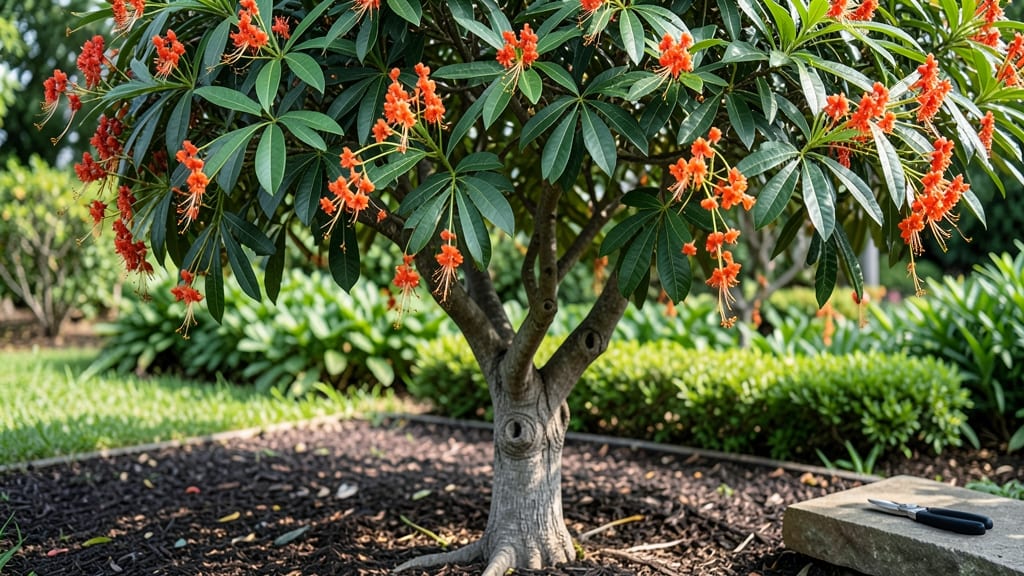
The Saraca indica, or Ashoka tree, transforms any garden into a sacred space with its cascading orange-red blooms—if you prune it right. 🌿 I’ve learned the hard way that this tree rewards precision: too aggressive, and you lose next year’s flowers; too gentle, and it grows leggy.
The key is timing and technique, and I’ll show you exactly how to balance both.
This tree thrives in warm climates but needs your help to stay vibrant. Pruning in late winter or early spring—right before buds swell—stimulates fresh growth without sacrificing blooms. You’ll only need basic tools: sharp pruning shears, gloves, and a clear vision of where you want new branches to emerge.
The goal? A fuller canopy with those iconic, fragrant flowers.
After pruning, your Ashoka will burst with healthier foliage and more dramatic blooms by spring. The flowers aren’t just beautiful—they’re sacred in Hindu traditions, symbolizing fertility and renewal. With the right cuts, you’ll create a tree that’s both a garden centerpiece and a living piece of history.
Works for both container-grown Ashokas and mature trees in the ground. Let’s get those shears ready—your tree’s transformation starts now.
📚 In This Guide
- What you need
- Instructions
- Tips and common mistakes
- Wrapping up and next steps
What you need
- ● Pruning shears: Bypass pruners (sharp, clean, and sterilized with rubbing alcohol or a 10% bleach solution) – 1 pair.
- ● Loppers: For thicker branches (1–2 inches in diameter) – 1 pair.
- ● Hand saw: For stubborn, larger branches (3+ inches) – 1 (with a fine-tooth blade).
- ● Gloves: Heavy-duty, cut-resistant gloves (to protect from thorns!) – 1 pair.
- ○ Disposable pruning bags: For collecting debris (optional but handy!) – 1–2 bags.
- ● Pruning sealant: (e.g., tree wound paint) – small bottle (only for cuts > ½ inch).
- ● Ladder: Sturdy, extendable ladder (if tree is > 6 feet tall) – 1.
- ● Safety glasses: To shield eyes from debris.
- ● Pole pruner: For high branches (if ladder isn’t an option).
- ● Hose or spray bottle: To clean tools between cuts and rinse sap.
- ● Notebook/pencil: To sketch a pruning plan before you start!
- ● Choose the right time: Late winter/early spring (before new growth) or post-bloom (after flowers fade).
- ● Check the weather: Prune on a dry, calm day (no rain for 24 hours after).
- ● Gather safety gear: Long sleeves/pants to avoid thorns and scratches.
Step-by-step guide to pruning your Saraca indica Ashoka tree
Pruning this stunning tree keeps it lush and flowering beautifully—here's how to do it right.
✂️ Step 1: Choose the Right Time for Pruning
Prune your Ashoka tree immediately after its spring blooming season ends, around late March to early April. This timing ensures you don't cut off next year's flower buds, which form on old wood. The tree will be recovering from its vibrant display, making it more resilient to pruning.
Wait until all flowers have fully faded and dropped. You'll notice the branches losing their bright orange-red blooms and developing fresh green leaves. This is your signal that the tree has completed its flowering cycle and is ready for shaping.
✂️ Step 2: Gather the Proper Tools and Safety Gear
Use clean, sharp pruning shears for cuts smaller than ½ inch in diameter, and a pruning saw for thicker branches. Sterilize your tools with rubbing alcohol to prevent spreading disease between cuts. I always wear gloves—Ashoka branches can be thorny, and the sap sometimes irritates skin.
Have a bucket ready to collect fallen branches and debris. This keeps your workspace tidy and makes cleanup easier. Work on a dry day when the tree isn't stressed by heat or drought. The ideal temperature range is 60-75°F, with no forecasted rain for 24 hours afterward.
✂️ Step 3: Remove Dead, Diseased, or Crossing Branches First
Start by identifying and removing any dead, diseased, or damaged branches. These are easy to spot—they'll be brown or black, with no leaves or signs of life. Cut these back to the main trunk or a healthy lateral branch. This improves airflow and prevents pests from moving into the tree.
Next, look for branches that are crossing or rubbing against each other. These create weak points where the bark can split. Make your cuts just outside the branch collar—the swollen area where the branch meets the trunk. This helps the tree heal properly and prevents unsightly stubs.
✂️ Step 4: Thin Out the Canopy for Better Light Penetration
Step back and assess the tree's shape from all sides. Your goal is to create an open, airy canopy that allows sunlight to reach the inner branches. Focus on removing branches that are growing inward or downward. These often block light and compete with the tree's natural structure.
Remove no more than 25% of the tree's foliage in one pruning session. You'll see the tree's natural framework more clearly as you work. Look for branches that are growing straight up—these can be shortened to encourage a fuller, bushier look while maintaining the tree's elegant form.
✂️ Step 5: Shape the Tree and Encourage Future Blooms
Now it's time to shape the tree to your preference. Ashoka trees respond well to light pruning, so avoid heavy cutting. Focus on creating a balanced silhouette by selectively trimming longer branches. Make cuts just above a leaf node or bud to encourage new growth in the right direction.
Pay special attention to the tree's lower branches. Removing some of these opens up the trunk for better air circulation and makes the tree more visually appealing. After pruning, step back and admire your work—the Ashoka's natural beauty will shine through with proper care.
Tips & tricks for pruning your Saraca indica Ashoka tree
Here's what I've learned from years of shaping Ashoka trees—these small details make all the difference for healthy growth.
Timing is Everything: The late March to early April window is critical because Ashoka trees form flower buds on old wood. If you prune too early, you risk removing next year's blooms. Look for the exact moment when flowers have fully faded and new leaves start emerging—this is your perfect cue. I've missed this timing twice and ended up with sparse blooms the following spring.
Tool Prep Matters: Sterilizing your pruning shears between cuts prevents spreading disease between branches. I use rubbing alcohol on a clean cloth—it takes just 10 seconds per tool. Also, make sure your gloves fit well; Ashoka sap can cause skin irritation, especially when working with fresh cuts. The ideal temperature range of 60-75°F during pruning helps the tree recover faster.
Branch Selection Strategy: When thinning the canopy in Step 4, prioritize branches growing inward or downward—they block sunlight and create dense areas. A good rule of thumb is to remove every third branch that's competing for space. This 25% foliage limit keeps the tree healthy while maintaining its natural shape. I always sketch a rough outline first to visualize the final look.
Healing Technique: After making cuts, avoid leaving stubs—always cut just outside the branch collar. This swollen area at the branch base contains healing cells that protect against disease. I've seen trees develop infections from improper cuts, so this step is non-negotiable. For larger branches, I make the cut at a slight angle to help water run off and prevent rot.
Pro Tips for Saraca Indica Ashoka Tree
- Here's what I've learned from years of shaping Ashoka trees—these small details make all the difference for healthy g...
- Timing is Everything: The late March to early April window is critical because Ashoka trees form flower buds on old w...
- Tool Prep Matters: Sterilizing your pruning shears between cuts prevents spreading disease between branches. I use ru...
Frequently asked questions
Got questions about pruning your Saraca indica (Ashoka tree)?
You’re not alone! Here are some common concerns—and straightforward answers—to help you keep your tree thriving with minimal stress.
When is the best time to prune an Ashoka tree?
The ideal window is late winter or early spring (just before new growth starts). Avoid pruning during the monsoon or flowering season—this can disrupt blooms or weaken the tree. If you must prune post-flowering, do it lightly to avoid stress.
How much can I trim back without harming the tree?
Never remove more than 20-25% of the canopy in one session. Ashoka trees are resilient but sensitive to over-pruning. Focus on dead, diseased, or crossing branches first, then lightly shape the rest. Pro tip: Use sharp tools to make clean cuts—ragged edges invite pests!
Will pruning reduce my Ashoka tree’s flowers?
Pruning can reduce flowers if done improperly, but strategic cuts (like removing old wood) actually stimulate new growth and blooms. Avoid heavy pruning during the flowering season (Feb–March). Instead, prune after blooms fade to encourage next year’s vibrant display!
What should I do if my Ashoka tree bleeds sap after pruning?
Sap bleeding (a milky or yellowish ooze) is normal for Ashoka trees but can attract pests. Seal cuts with pruning sealant or beeswax to minimize sap flow. Clean tools with 70% alcohol between cuts to prevent bacterial spread. Most trees recover within a few weeks!
Can I grow an Ashoka tree from cuttings?
While Ashoka trees can be propagated from semi-hardwood cuttings (taken in summer), success rates are lower than grafting. For best results, use rooting hormone and keep cuttings in a shady, humid environment. Alternatively, buy a young sapling from a nursery—it’s far easier!
Wrapping up and next steps
The Saraca indica (Ashoka tree) is a stunning addition to any garden, and with the right pruning techniques, you can ensure its vibrant blooms and healthy growth for years to come! 🌸 By following the steps outlined—timing, tools, and techniques—you’ll not only enhance its beauty but also promote longevity.
Now that you’re equipped with the knowledge, roll up your sleeves and give your Ashoka tree the care it deserves!
Ready to transform your garden? Start pruning today and watch your Ashoka tree thrive with lush foliage and breathtaking flowers! 🌿✨