
Trees
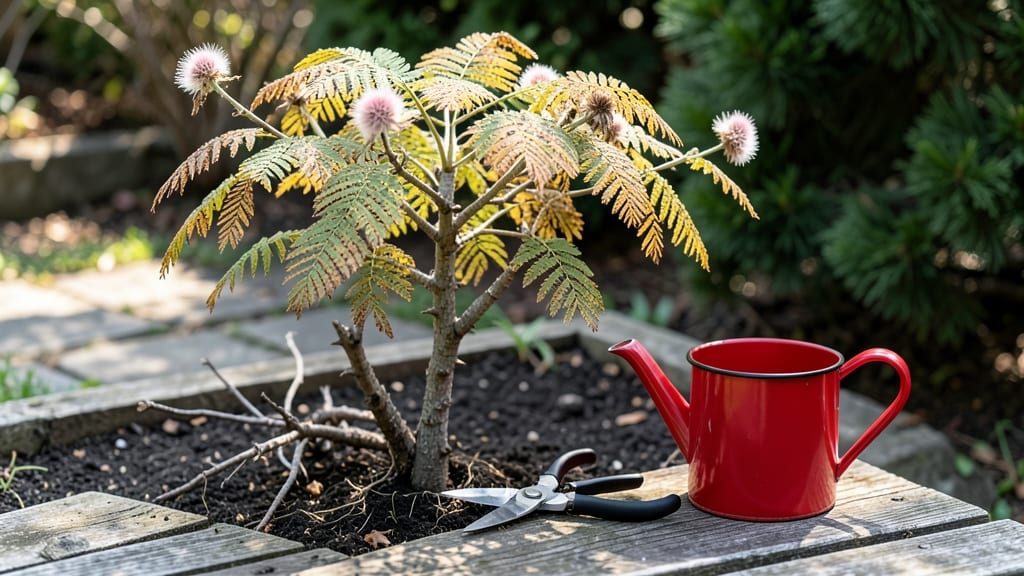
Despite the common problems with mimosa trees, their delicate beauty makes them a favorite—but their foliage is shockingly vulnerable to pests, diseases, and environmental stressors, and I’ve seen firsthand how a thriving tree can turn into a sad skeleton in weeks. 🌿 The most common culprits?
Spider mites, powdery mildew, and sudden leaf drop, all of which can turn your tree into a maintenance headache if ignored.
Here’s the good news: most issues have quick fixes that don’t require harsh chemicals. I’ve tackled spider mites with a simple neem oil spray, stopped powdery mildew in its tracks by improving airflow, and nursed back trees suffering from drought stress with deep watering.
The key is catching problems early—before they spread or cause permanent damage.
You’ll learn to spot the early signs of trouble (like tiny webs on leaves or white powdery spots) and how to treat them organically, so your mimosa stays healthy and lush all season.
Whether it’s adjusting watering habits, pruning for better airflow, or introducing beneficial insects, these solutions work fast—and without breaking the bank.
Cold-sensitive varieties? No problem. I’ll cover regional tweaks so you can adapt these fixes whether you’re in the South’s humid heat or the North’s occasional frost. Let’s get your mimosa back to its vibrant best before the next pest or disease strikes.
📚 In This Guide
- What you need
- Instructions
- Tips and common mistakes
- Wrapping up and next steps
What you need
- ● Pruning shears: Sharp, bypass-style shears (10-12" blade length) for clean cuts.
- ● Gloves: Heavy-duty, nitrile-coated gloves (2 pairs) to protect against thorns and sap.
- ● Ladder: Sturdy, extension ladder (16-20 ft tall) if trees exceed 10 ft in height.
- ● Hose with nozzle: For rinsing off pests or applying water-based treatments.
- ● Fungicide: Copper-based or neem oil-based fungicide (1-2 gallons, depending on tree size).
- ○ Insecticide (optional): Systemic insecticide (e.g., imidacloprid) for severe pest infestations (follow label instructions).
- ● Mulch: Organic mulch (3-4 inches thick, wood chips or pine straw) to improve soil health.
- ○ Soil test kit: To check pH and nutrient levels (optional but helpful for long-term care).
- ● Safety goggles: To shield eyes from debris.
- ● Trash bags: For collecting fallen leaves, pests, or pruned branches.
- ● Tree wound dressing: (e.g., pruning sealant) for large cuts (use sparingly—often unnecessary).
- ● Sprayer: Hose-end sprayer for even fungicide/insecticide application.
Quick fixes for mimosa tree pests and diseases
Here’s how to spot and solve common issues fast—before they threaten your tree’s health.
🐛 Step 1: Identify and Treat Common Pests
Mimosa trees often attract aphids, spider mites, and scale insects. Check the undersides of leaves for sticky residue (aphid honeydew) or fine webbing (mites). Scale appears as bumpy, immobile spots on branches. I grab a magnifying glass—early detection saves the tree.
For aphids, spray with a neem oil solution (1 tablespoon per quart of water) in the early morning. Neem disrupts their life cycle without harming bees. For mites, blast leaves with water first to knock them off, then apply insecticidal soap. Repeat weekly until pests vanish. Avoid harsh chemicals—they can burn mimosa’s delicate foliage.
If you spot borers (tiny holes in bark or sawdust-like frass), drill ¼-inch holes into the infested area and inject bacillus thuringiensis (Bt) powder mixed with water. This bacterial treatment targets larvae without harming beneficial insects. Monitor for new holes weekly.
🌿 Step 2: Diagnose and Fix Fungal Diseases
Powdery mildew (white, dusty patches) and leaf spot (brown, irregular marks) are the most common fungal threats. I test for powdery mildew by gently rubbing a leaf—if it leaves a white residue, that’s your culprit. Fungal spores thrive in humid, shaded conditions, so prune nearby branches to improve airflow.
For powdery mildew, spray leaves with a baking soda solution (1 teaspoon baking soda + ¼ teaspoon dish soap per quart of water). Reapply every 7-10 days until symptoms disappear. For leaf spot, remove infected leaves immediately and apply copper fungicide (follow label rates). Sterilize pruners with rubbing alcohol between cuts to prevent spreading spores.
Root rot (yellowing leaves, mushy bark at the base) signals overwatering. Mimosa trees prefer well-draining soil—amend heavy clay with 2-3 inches of compost and reduce watering to once weekly unless the top 2 inches of soil feel dry. If rot is severe, dig around the base to check for blackened roots; prune affected areas with sterilized shears.
✂️ Step 3: Revitalize with Pruning and Nutrient Boosts
Overgrown or leggy mimosa trees benefit from selective pruning in late winter or early spring. Remove dead, crossing, or inward-growing branches first—these compete for nutrients and invite pests. Use sharp, clean pruners and cut just above a bud or lateral branch to encourage bushier growth.
Fertilize lightly in spring with a balanced, slow-release fertilizer (10-10-10 ratio). Mimosa trees are nitrogen-sensitive—overdoing it causes leaf burn. Scatter ½ cup of fertilizer around the drip line (not touching the trunk) and water deeply. Avoid fertilizing in summer; the tree focuses on flowering, not foliage.
If new growth looks weak or yellow, test the soil pH—mimosa thrives in slightly acidic to neutral soil (6.0-7.0). Amend with sulfur to lower pH or lime to raise it, following package instructions. Mulch with 2-3 inches of wood chips to retain moisture and regulate temperature, but keep mulch 6 inches away from the trunk to prevent rot.
☀️ Step 4: Adjust Light and Water for Resilience
Mimosa trees need full sun (6+ hours daily) to resist stress. If leaves yellow or drop, move the tree to a sunnier spot or prune nearby shade trees. Indoor mimosa trees (like Albizia julibrissin) need a south-facing window or grow lights (12-14 hours/day) to prevent etiolation (stretchy, weak growth).
Water deeply once weekly in dry climates, but mimic natural rainfall—1-2 inches per week. Mimosa roots are shallow; let the top 2 inches of soil dry out between waterings. Overwatering causes root rot, while underwatering leads to wilting and pest attraction. Use a moisture meter if unsure—aim for 40-60% soil moisture at root level.
Here’s the thing—mimosa trees are tough once you address the root cause. I’ve seen revivals after just 4-6 weeks of consistent care. The key is acting fast at the first sign of trouble. Don’t wait until the tree is stressed—preventative checks (monthly inspections, proper pruning) save time and effort.
Tips & tricks for healthy mimosa tree care
Here’s what I’ve learned from years of saving mimosa trees—small adjustments make all the difference when pests or diseases strike.
Pest Prevention Strategy: Mimosa trees attract pests when stressed, so focus on prevention first. I’ve found that applying a light horticultural oil spray every 4-6 weeks during growing season disrupts egg-laying pests before they become a problem. This works especially well for scale insects, which often go unnoticed until they’re established. The key is consistency—don’t wait for visible pests to act.
Fungal Treatment Timing: When dealing with powdery mildew, timing matters more than you’d think. The 7-10 day reapplication window for baking soda solution is critical because fungal spores reproduce quickly in humid conditions. I schedule treatments on overcast days when humidity is naturally higher—this helps the solution adhere better to leaves. Always spray in the early morning so leaves have time to dry before nighttime moisture sets in.
Root Rot Rescue: If you suspect root rot from overwatering, the 2-inch soil dryness test is your best friend. I’ve learned the hard way that mimosa roots are extremely sensitive—once they turn black and mushy, recovery is difficult. When amending soil with 2-3 inches of compost, mix it into the top 6 inches of soil to improve drainage at the root level. This prevents future waterlogging while giving existing roots time to recover.
Light Optimization: Mimosa trees need 6+ hours of direct sunlight daily to stay healthy, but many gardeners overlook this. If your tree isn’t getting enough light, supplement with a south-facing window or grow lights (12-14 hours/day) during winter months. I’ve seen indoor mimosa trees thrive with just LED grow lights positioned 12 inches above the foliage—this mimics natural sunlight without heat stress. The goal is to prevent etiolation, which makes trees weak and prone to pests.
Pro Tips for Problems With Mimosa Trees
- Here’s what I’ve learned from years of saving mimosa trees—small adjustments make all the difference when pests or diseases strike.
- Pest Prevention Strategy: Mimosa trees attract pests when stressed, so focus on prevention first.
- Fungal Treatment Timing: When dealing with powdery mildew, timing matters more than you’d think.
Frequently asked questions
Got questions about mimosa tree troubles?
You’re not alone—these fast-growing beauties can be tricky! Here are answers to the most common concerns to help you keep your mimosa thriving (or decide if it’s time to say goodbye).
Why do my mimosa tree leaves turn yellow?
Yellowing leaves are often a sign of overwatering or nutrient deficiencies (like nitrogen or iron). Mimosa trees prefer well-draining soil—check for soggy roots or compacted ground. If the issue persists, test your soil’s pH (ideal: 6.0–7.0) or fertilize with a balanced, slow-release formula in early spring.
How do I get rid of mimosa tree pests like aphids or spider mites?
Start with a strong blast of water to dislodge soft-bodied pests like aphids. For stubborn infestations, use neem oil or insecticidal soap (apply in the early morning or evening). Prune heavily infested branches and dispose of them away from your yard. Pro tip: Introduce beneficial insects like ladybugs to naturally control pests!
Are mimosa trees invasive? Should I remove mine?
Yes! Mimosa trees (especially Albizia julibrissin) are classified as invasive in many U.S. states due to their aggressive root systems and seed spread. If you’re in a warm climate, consider replacing them with native alternatives like southern magnolia or crepe myrtle. Check your state’s invasive species database before planting.
Can mimosa trees survive cold winters?
Mimosa trees are semi-tropical and typically tolerate temps down to 10–15°F without damage. However, prolonged exposure to <10°F can kill them. In colder zones, plant them near a south-facing wall or mulch heavily around the base. If your tree loses leaves in winter, it’s likely dormant—not dead!
What’s the fastest way to kill a mimosa tree?
For removal, use the cut-and-seal method: Cut the trunk 2–3 inches above ground, then apply horticultural vinegar or glyphosate to the stump. Cover with plastic to retain moisture. For large roots, dig a trench around the base and sever them with a shovel. Warning: Wear gloves—mimosa thorns are sharp!
Why is my mimosa tree dropping leaves suddenly?
Sudden leaf drop can stem from stress factors like transplant shock, drought, or extreme heat. Mimosa trees also shed leaves in fall/winter. If the tree is otherwise healthy, it’s likely natural. For drought stress, water deeply 1–2 times per week (avoid shallow watering). If leaves wilt or turn brown, check for root rot or bacterial blight.
Wrapping up and next steps
Mimosa trees can be stunning additions to your landscape, but like any plant, they come with their share of challenges. From pesky pests like aphids and spider mites to diseases like powdery mildew and root rot, staying proactive is key to keeping them thriving.
With the right tools—like neem oil, fungicides, and proper pruning techniques—you can tackle these issues head-on and enjoy a lush, healthy tree for years.
Don’t let these problems discourage you! 🌱 Take action today by inspecting your mimosa regularly, addressing issues early, and sharing your newfound knowledge with fellow gardeners. Happy gardening!