
Light Requirements
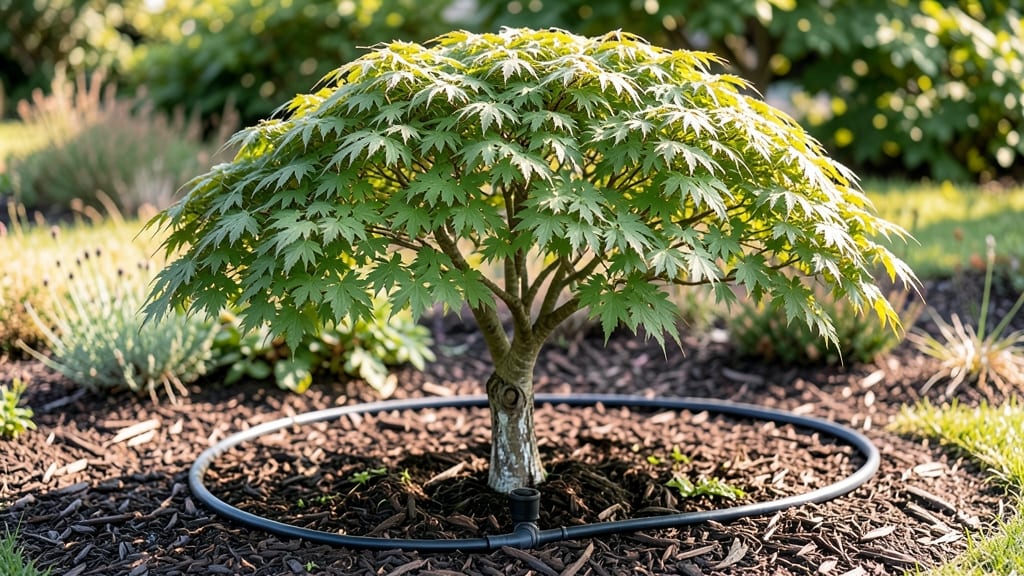
Finding the perfect trees for partial shade gardens just got easier. 🌿 These drought-tolerant beauties thrive where others struggle, offering lush foliage and year-round interest with minimal fuss.
My first experience with a serviceberry tree proved that even in dappled shade, you can have a stunning, low-maintenance centerpiece that attracts birds and produces edible fruit.
Partial shade trees like dogwoods, serviceberries, and Japanese maples bring structure and texture to gardens that get morning sun but afternoon shade. They handle dry spells better than most, so you won’t spend summers fussing over watering schedules.
Plus, their varied leaf colors—from deep purples to golden yellows—keep your landscape vibrant through all four seasons.
Imagine a backyard where your morning coffee is shaded by delicate white blooms in spring, followed by glossy leaves that turn fiery red in fall. These trees deliver that kind of drama without demanding full sun or constant care.
They’re the backbone of a garden that looks effortless but is actually thoughtfully designed.
Whether you’re filling a small city yard or adding layers to a larger landscape, these trees adapt beautifully. Their slow, steady growth means you won’t outgrow them quickly, and their wildlife-friendly habits make them a smart choice for eco-conscious gardeners. Let’s explore which varieties will work best for your space.
📚 In This Guide
- What you need
- Instructions
- Tips and common mistakes
- Wrapping up and next steps
What you need
- ● Drought-tolerant partial shade trees: 1–3 Japanese Maple (Acer palmatum) (3–6 ft. tall, mature height 15–25 ft.)
- ● 1 Dogwood (Cornus florida) (4–6 ft. tall, mature height 20–30 ft.)
- ● 1 Serviceberry (Amelanchier spp.) (5–8 ft. tall, mature height 15–25 ft.)
- ● 1 Oakleaf Hydrangea (Hydrangea quercifolia) (3–5 ft. tall, mature height 6–12 ft.)
- ● Planting supplies: 1–2 5-gallon containers (or bare-root trees for fall planting)
- ● 1 High-quality, well-draining potting mix (2–3 bags, 1.5–2 cubic feet each)
- ● 1 Slow-release fertilizer (e.g., Osmocote or Espoma, 5–10 lbs.)
- ● 1 Mulch (shredded bark or pine straw) (2–3 cubic feet, 2–3 inches deep)
- ● Tools: 1 Shovel or trowel (for digging holes)
- ● 1 Garden hose or watering can (with a spray nozzle)
- ● 1 Pruning shears (sterilized, for trimming)
- ● 1 Garden gloves (for protection)
- ● 1 Tree stake & ties (for young, top-heavy trees like Dogwood)
- ● 1 Soil amendment (compost or worm castings) (1–2 bags, to boost nutrients)
- ● 1 Drip irrigation system (for consistent moisture in dry spells)
- ● 1 Tree guard or protective wrap (to shield from pests or harsh sun)
- ● 1 pH test kit (to check soil acidity, ideal range: 5.0–7.0 for most partial shade trees)
Step-by-step guide to planting and caring for partial shade trees
Here's how to select, plant, and maintain trees that thrive in dappled light.
🌱 Step 1: Choose the Right Tree for Your Space
Look for species that naturally tolerate 4-6 hours of filtered sunlight daily, like serviceberry, dogwood, or fringe tree. These trees handle morning sun with afternoon shade beautifully. I always check the mature height—some, like Eastern redbud, stay under 20 feet, while others like American beech can reach 50 feet. Measure your space first to avoid future issues.
Consider leaf color too. Trees like the Japanese maple offer stunning seasonal changes even in partial shade. Plant tags often list light requirements—never guess. If your yard has dense overhead canopy, opt for shade-tolerant varieties like the Katsura tree, which thrives with just 2-4 hours of light.
🪴 Step 2: Prepare the Planting Site with Proper Soil Amendments
Test your soil's drainage first—partial shade trees hate soggy roots. If your soil compacts easily, mix in 2-3 inches of organic compost before planting. I like to dig a hole twice as wide as the root ball but only as deep. The top of the root ball should sit 1 inch above ground level to prevent settling.
For clay-heavy soils, create a raised mound of amended soil where the root ball will sit. This improves drainage while keeping the tree's natural root structure intact. Water the hole thoroughly before planting to settle the soil and remove air pockets around the roots.
☀️ Step 3: Plant with Careful Spacing and Watering
Place the tree slightly off-center in the hole to account for root flare visibility after settling. Backfill with native soil mixed with 1 part compost to encourage root establishment. Press gently around the edges but avoid compacting the soil. Water immediately after planting to eliminate air gaps and help roots make contact with moist soil.
Mulch with 2-3 inches of organic mulch (like shredded bark) extending 2-3 feet from the trunk, but keep it 6 inches away from the stem. This protects roots from temperature swings while preventing rot. Water deeply once a week for the first month, then taper to every 10-14 days once established, depending on rainfall.
✂️ Step 4: Prune and Maintain for Long-Term Health
Wait until spring to prune new trees—never prune in fall or winter when the tree is dormant. Remove only dead, diseased, or crossing branches in the first year. Use clean, sharp pruners to make cuts just outside the branch collar. Avoid heavy pruning, which stresses young trees.
Monitor for pests like scale or spider mites, common in partial shade where airflow is reduced. A hose spray often dislodges them, but for persistent issues, use neem oil as a natural treatment. Fertilize lightly in early spring with balanced 10-10-10 if growth appears slow, but most partial shade trees need minimal feeding once established.
Tips & tricks for perfect partial shade tree planting
Here's what I've learned after helping dozens of gardeners transform shady spots into thriving tree havens.
Light Assessment: The 4-6 hour sunlight range is crucial—measure your space at different times of day. Morning sun behaves differently than afternoon light. I use a simple trick: Place a white sheet on the ground at midday and mark the shadow edges every hour. This visual map shows exactly where your partial shade falls. For trees needing only 2-4 hours, position them where the shadow is deepest.
Soil Prep Secret: When amending with 2-3 inches of compost, I always mix in a handful of perlite or coarse sand for clay soils. This creates tiny air pockets that improve drainage without altering the soil's natural structure. For sandy soils, add a bit of peat moss to help retain moisture during dry spells. The key is maintaining that 1-inch elevation for the root ball—it prevents water pooling that can suffocate roots.
Mulching Mastery: That 2-3 inch mulch layer works wonders, but placement matters. I've seen many gardeners make the mistake of piling mulch right against the trunk. Instead, create a slight depression around the base and mound the mulch outward. This encourages water to flow toward the roots while preventing rot. For extra drought resistance, consider a 50/50 mix of shredded bark and leaf mold in your mulch blend.
Establishment Timeline: The first month's weekly watering is non-negotiable, but here's the real secret: After that 10-14 day taper, most gardeners stop watering completely. Instead, I recommend checking soil moisture every 2-3 weeks during dry periods. Stick your finger 3 inches down—if it's dry, water deeply. This mimics natural rainfall patterns and prevents shallow root systems that struggle in drought.
Pro Tips for Partial Shade Trees
- Here's what I've learned after helping dozens of gardeners transform shady spots into thriving tree havens.
- Light Assessment: The 4-6 hour sunlight range is crucial—measure your space at different times of day.
- Soil Prep Secret: When amending with 2-3 inches of compost, I always mix in a handful of perlite or coarse sand for clay soils.
Frequently asked questions
Got questions about partial shade trees?
You’re not alone! Here are some of the most common concerns—and straightforward answers—to help you pick the perfect low-maintenance tree for your garden.
What exactly is "partial shade," and how much sun is too much?
Partial shade typically means 3–6 hours of direct sunlight daily, with the rest in dappled light or filtered shade. Trees like Japanese maples or dogwoods thrive here, but avoid full sun (6+ hours) or deep shade (less than 3 hours)—they’ll struggle without enough light for photosynthesis.
Are partial shade trees really drought-tolerant, or do they still need extra water?
Many partial shade trees, like serviceberry or oakleaf hydrangea, are naturally drought-tolerant once established (after 1–2 years). However, young trees may need weekly watering during dry spells. Mulch heavily (2–3 inches) to retain moisture and reduce stress.
When is the best time to plant a partial shade tree?
Spring or early fall are ideal! Plant in spring (after last frost) for root growth before summer heat, or in fall (6–8 weeks before frost) to let roots establish before winter. Avoid planting in peak summer—heat stress can stunt growth.
What if my yard has uneven shade? Can I still grow these trees?
Partial shade trees adapt well to mixed light conditions. Place them near buildings, fences, or taller trees where light shifts throughout the day. Just avoid competition—keep them at least 15–20 feet away from other trees to prevent root battles.
Are partial shade trees prone to pests or diseases?
Most are resistant, but watch for aphids, scale insects, or fungal issues (like powdery mildew) in humid climates. Choose native species (e.g., eastern redbud) for built-in pest resistance. Prune regularly to improve airflow, and water at the base (not leaves) to deter fungi.
Wrapping up and next steps
Partial shade trees are the perfect low-maintenance superstars for gardens that need beauty and resilience! 🌿 Whether you're dealing with limited sunlight, drought conditions, or just want to cut back on upkeep, these trees deliver stunning foliage, minimal fuss, and long-term satisfaction.
Their ability to thrive in moderate light makes them a smart choice for almost any outdoor space.
Ready to transform your garden? Start by researching a few varieties that match your climate and soil, then plant with confidence—your future shade (and stress-free weekends) will thank you! 🌳✨