
Pruning
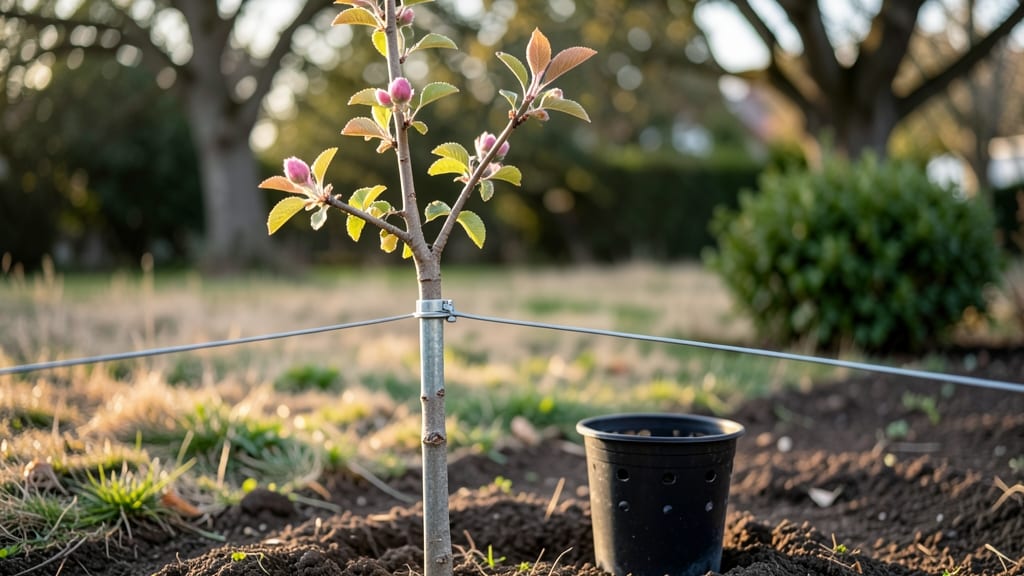
Sturdy tree stake wire keeps young trees standing strong without strangling their growth. 🌳 I’ve seen too many trees girdled by cheap twine or wire that cuts into bark—this is the right way to support them without damage.
The secret lies in flexibility and spacing: wire that bends with wind but holds firm when needed, positioned just right to let the trunk sway naturally.
You’ll need 3/16-inch galvanized wire (thick enough to last years), sturdy wooden stakes, and a few basic tools. The wire should stretch at least 12 inches above the stake to accommodate growth, and you’ll want stakes buried deep enough to stay upright in storms.
This setup works for everything from fruit trees to ornamental saplings—no more bent trunks or snapped stakes mid-winter.
What you’ll end up with is a tree that grows straight and healthy, its bark unharmed by tight bindings. The wire stays in place for 3-5 years as the trunk thickens, and you can adjust it seasonally to prevent rubbing.
No more checking for wire marks every spring—just reliable support that disappears as the tree matures.
Works for any young tree in your yard, from shade trees to citrus groves. Here’s how to install it without a single mistake—learned the hard way over a dozen failed stakes.
📚 In This Guide
- What you need
- Instructions
- Tips and common mistakes
- Wrapping up and next steps
What you need
- ● Tree stake wire: 18-24 gauge galvanized steel wire (3-4 feet long per stake). Pro tip: 💡 Galvanized wire resists rust and lasts longer!
- ● Tree stakes: 2-3 wooden or plastic stakes (1.5–2 inches in diameter, 3–4 feet tall). Pro tip: 🌡️ Bamboo stakes are lightweight and biodegradable!
- ● Soft fabric or rubber: 1–2 strips of old t-shirt, burlap, or rubber tubing (to protect the tree trunk).
- ● Measuring tape or ruler: For precise wire placement.
- ● Wire cutters: To trim wire cleanly.
- ○ Gloves (optional but recommended): To protect hands from wire and splinters.
- ● Mallet or hammer: For driving stakes into the ground.
- ● Pliers: To bend wire securely.
- ○ Staple gun (optional): For attaching fabric to stakes if needed.
- ○ Spray paint (optional): To mark wire placement or paint stakes for visibility.
- ● Choose a stable, wind-protected location for stakes.
- ● Ensure the tree is young and flexible (mature trees may crack under pressure).
- ● Work on a dry, non-frozen day for easier stake insertion.
How to install tree stake wire for strong, snag-free plant support
Here's the simple method I use to keep tall plants steady without damaging bark or branches.
🪴 Step 1: Choose the Right Wire and Position Your Stakes
Select 18-20 gauge galvanized tree stake wire—thin enough to bend but strong enough to handle wind. I like 36-inch lengths because they're long enough to wrap securely without leaving loose ends. Place your stakes 4-6 inches away from the trunk and 2 inches deeper than the plant's root ball for stability.
Drive the stakes into the ground at a 45-degree angle toward the prevailing wind direction. This creates a natural brace rather than a rigid lever that can snap in storms. For multiple plants, space stakes 12-18 inches apart so the wire doesn't stretch too tightly between them.
🌿 Step 2: Wrap the Wire Gently Around the Stem
Start at the base of the plant, about 6 inches above the soil line. Loop the wire around the stem once, then cross it diagonally to form an "X" shape. Pull the ends through the loop to create a figure-eight pattern—this distributes pressure evenly and prevents cutting into the bark.
Here's the thing—don't pull it tight. You want just enough tension to keep the plant upright, but the wire should still allow for natural sway in wind (about 1-2 inches of give). Too tight and you'll strangle the stem as it grows. I test by trying to twist the wire with my fingers—if it moves freely, you're good.
☀️ Step 3: Secure the Wire to the Stake Without Over-Tightening
Thread the loose ends of the wire through the top loop of the stake (the part sticking out of the ground). Cross them again to form another "X" and pull through to create a second figure-eight. This double-wrap system prevents the wire from slipping downward as the plant grows.
Tighten only until the plant stands straight—no more. You should be able to fit a pencil between the wire and the stem. Check weekly and adjust as the plant grows. If the wire starts digging into the bark, loosen it immediately or add a soft tree collar (like a strip of felt) between the wire and the stem.
✂️ Step 4: Monitor and Adjust as Your Plants Grow
After 4-6 weeks, inspect each plant. If the wire is now too loose (you can see daylight between the wire and the stem), re-tighten gently. If the plant has outgrown the wire's reach, add a second wire loop above the first one, about 6 inches higher on the stem.
Real talk: Don't leave wire on all winter. Once the plant is established (usually after one growing season), remove the wire completely. Leaving it on can girdle the stem as it thickens. I mark the removal date on my calendar so I don't forget—last year's neglected wire left a permanent scar on my peach tree.
Tips & tricks for sturdy plant support without snagging
These little adjustments make all the difference between flimsy support and sturdy growth protection.
Wire Gauge Wisdom: The 18-20 gauge recommendation isn't arbitrary—it's about balance. Thicker wire (like 16 gauge) is harder to work with and can cut through bark, while thinner wire (22 gauge) won't hold up in strong winds. I always test by bending a piece: if it creases but doesn't snap, you've got the right gauge. For extra windy areas, consider doubling up with two 20-gauge wires instead of one thicker one.
Stake Placement Precision: That 4-6 inch distance from the trunk matters more than you'd think. Too close (under 4 inches) can damage the stem as it grows, while too far (over 6 inches) creates an unstable lever effect. I like to use a small garden flag to mark the exact spot before driving the stake. For young trees, you can actually bend the stake slightly to create a natural cradle shape that protects the trunk.
The Figure-Eight Technique: When creating that first figure-eight in Step 2, think of it like a seatbelt—it needs to be snug but not restrictive. The key is to make the first loop at exactly 6 inches above soil level, then cross at a 45-degree angle. This creates three points of contact that distribute pressure evenly. If you're working with a particularly thick stem, you can make the first loop slightly larger to accommodate it without over-tightening.
Seasonal Removal Reminder: Marking your calendar isn't just about avoiding winter damage—it's about growth patterns. Most plants enter dormancy in late fall, so I aim to remove stakes by Thanksgiving. For tropical plants that don't have a dormant season, check every 3 months instead. Pro tip: Use a bright-colored ribbon tied to the stake as a visual reminder to check it during your next garden maintenance.
Pro Tips for Tree Stake Wire
- These little adjustments make all the difference between flimsy support and sturdy growth protection.
- Wire Gauge Wisdom: The 18-20 gauge recommendation isn't arbitrary—it's about balance.
- Stake Placement Precision: That 4-6 inch distance from the trunk matters more than you'd think.
Frequently asked questions
Got questions about using tree stake wire?
You’re not alone! Here are some of the most common queries—plus quick, practical answers to keep your tall plants standing strong without damage.
What’s the best time to install tree stake wire?
Install tree stake wire before heavy winds or storms hit—ideally when planting or transplanting young trees/shrubs. For established plants, stake in early spring or late fall to avoid stressing roots. Avoid winter staking unless your region has extreme ice loads.
How tight should the wire be around the trunk?
The wire should fit snugly but not cut into the bark—leave a 1–2 inch gap between the wire and trunk. Use a rubber tree collar or soft padding to prevent abrasion. Loosen the wire as the plant grows to avoid girdling.
Can I reuse tree stake wire year after year?
Yes! Tree stake wire is durable, but check for rust, fraying, or sharp edges before reuse. Clean with a wire brush and lubricate with vegetable oil to prevent corrosion. Replace if the wire is stretched, kinked, or no longer holds tension.
What if my plant leans even with stakes?
Leaning can happen if stakes aren’t angled properly (they should slope outward at 45°) or if the wire isn’t tight enough. Adjust the stakes for better support, or add a second wire higher up for taller plants. If the plant is mature, it may have already developed a permanent lean.
Are there alternatives to tree stake wire?
Try soft tree ties (fabric or rubber), burlap wraps, or elasticized straps for gentler support. For heavy-duty needs, metal tree spikes or plastic tree guards with built-in stakes work too. Just avoid anything that can strangle or scar the trunk.
How do I remove tree stake wire without damaging the tree?
Start by loosening the wire completely, then gently unwind it in a spiral motion. If the wire is stuck, use pliers to carefully cut it (avoid sawing into the bark). Remove stakes gradually over 1–2 weeks to let the tree adjust to standing alone.
Wrapping up and next steps
Using tree stake wire is a game-changer for supporting tall plants without causing damage or snagging—keeping your garden thriving while saving you time and effort. Whether you're a seasoned gardener or just starting out, this simple yet effective solution ensures your plants grow strong and healthy. 🌱
Ready to give it a try? Grab your supplies, follow the steps, and watch your garden flourish with minimal fuss. Your plants will thank you!
- 📝 Next step: Experiment with different wire types or DIY alternatives to find what works best for your garden.
- 🌿 Pro tip: Check on your staked plants regularly to adjust support as they grow.