
Pruning
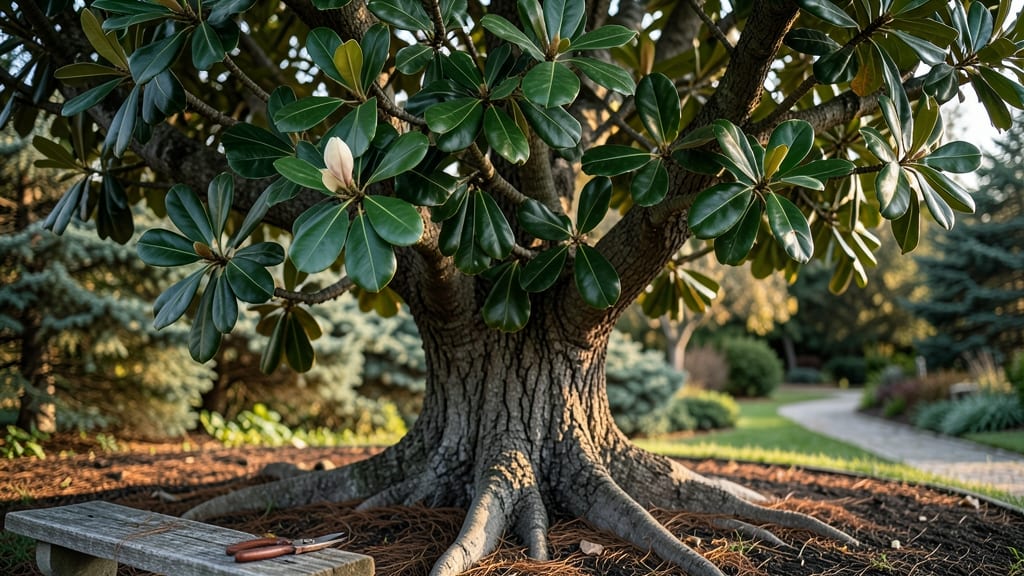
The southern magnolia tree bark holds the key to a tree that stays lush, blooms reliably, and ages gracefully—if you prune it right.
I’ve pruned dozens of these stately trees, and the difference between a healthy specimen and a struggling one often comes down to understanding that thick, textured bark and what it needs. The secret isn’t just cutting branches—it’s reading the tree’s signals through its bark and knowing when to act.
Magnolia bark is tough, but it’s not indestructible. The rough, corky plates you see on mature trees protect against pests and weather, but aggressive pruning can damage that protective layer. My rule of thumb?
Prune only when the tree is dormant, and always use sharp, clean tools to avoid tearing the bark. A little care here means fewer pests, better blooms, and a trunk that stays strong for decades.
What you’ll notice after a few seasons of proper pruning is a tree that blooms heavier in spring, resists disease, and maintains that iconic, almost sculptural bark. The first year, you might see just a few more flowers—by year three, the difference is dramatic.
The bark itself becomes even more textured, with deeper ridges and a richer color, making your tree the showstopper of the neighborhood.
This approach works for both young trees and mature giants, though the timing and cuts adjust with age. Whether you’re dealing with a sapling or a century-old magnolia, the principles stay the same: respect the bark, prune strategically, and let the tree do the rest.
Ready to unlock that year-round health?
📚 In This Guide
- What you need
- Instructions
- Tips and common mistakes
- Wrapping up and next steps
What you need
- ● Pruning shears: Bypass pruners (for branches look for sharp, stainless-steel blades.
- ● Loppers: 1 pair (for branches ½ to 2 inches thick) – long-handled for reach.
- ● Pruning saw: 1 curved-tooth saw (for branches > 2 inches thick) – avoid rust; choose aluminum or carbon steel.
- ● Ladder: Extendable aluminum ladder (tall enough to reach the tree’s canopy) – stable, non-slip base.
- ● Disposable gloves: 1 pair (nitrile or leather) – protects hands from thorns and sap.
- ● Disinfectant: 70% isopropyl alcohol or pruning sealant (for cuts > ½ inch) – prevents disease spread.
- ● Heavy-duty trash bags: 2–3 bags (for debris disposal).
- ● Sharpie or marker: 1 (for labeling cuts if grafting/propagating).
- ● Pole pruner: 1 (for high branches without a ladder).
- ● Tree wound dressing: (e.g., Tanglefoot Tree Wound Pruning Seal) – controversial but useful for large cuts.
- ● Camera/phone: 1 (to document the tree’s shape before/after pruning).
- ● Budding knife: 1 (if propagating from cuttings).
- ● Work boots: With ankle support (for uneven terrain).
- ● Check local regulations—some areas require permits for large-tree pruning.
- ● Schedule pruning on a dry, calm day (avoid wind/rain).
- ● Wear long sleeves and pants—magnolia bark can be abrasive!
- ● Have a helper if the tree is massive or unstable.
How to prune southern magnolia trees for lush bark & abundant blooms
Pruning these majestic trees isn't just about shaping—it's about revealing their natural beauty while keeping them thriving.
Time Your Pruning for Maximum Impact
Southern magnolias bloom on old wood, so timing matters. Prune immediately after flowering in late spring when blooms fade but before new growth hardens. This ensures you remove dead branches while preserving next year's flower buds hidden in last year's wood.
Never prune in fall or winter—you risk cutting off flower buds that form over winter. If you must prune for safety (like removing storm-damaged limbs), do it in early spring before buds swell, but expect fewer blooms that season.
Watch for the first flush of new leaves after flowering—that's your cue. The tree will look lush but slightly tired from supporting winter blooms, making it easier to spot dead or crossing branches.
Assess the Tree's Structure with a Critical Eye
Start by examining the tree's central leader—the main upward-growing branch. Southern magnolias develop a strong, dominant trunk, but sometimes competing leaders fight for dominance. Remove one of the two if they grow at similar angles, always keeping the strongest, straightest branch.
Look for dead, diseased, or crossing branches—these are your top priorities. Dead branches snap easily when bent; diseased ones ooze sap or have fungal growth. Crossing branches rub against each other, creating wounds that invite pests. Use sharp pruning shears to make clean cuts just outside the branch collar.
Step back often to visualize the tree's shape. Southern magnolias naturally grow broad and rounded, so avoid aggressive thinning. Your goal is to open the canopy slightly for better airflow and sunlight penetration to the bark.
Make Precision Cuts for Healthy Growth
Use bypass pruners for branches under ½ inch thick and a pruning saw for anything larger. Cut at a 45-degree angle just outside the branch collar—the swollen area where the branch meets the trunk. Never leave stubs; they invite decay and weaken the tree.
For larger branches, make the first cut about 12-18 inches out from the trunk on the underside of the branch. This prevents bark from tearing as the branch falls. Then, make your final cut at the branch collar. If the branch is too thick to cut cleanly, use a three-cut method to avoid bark damage.
After pruning, inspect the cuts. They should be smooth, not jagged. If you see rough edges, use a pruning sealant on cuts larger than 2 inches to protect against disease. For smaller cuts, let the tree's natural healing process take over—it seals wounds better than any product.
Maintain Year-Round Care for Stunning Bark
Southern magnolia bark is a masterpiece, but it needs proper care to stay vibrant. After pruning, water deeply if the season has been dry, especially if the tree is newly planted. Aim for 1-2 inches of water per week, delivered at the base rather than overhead.
Apply a 2-3 inch layer of mulch around the tree's drip line (the edge of the canopy's shadow). Keep mulch 6 inches away from the trunk to prevent rot. This protects roots from temperature swings and retains moisture, which keeps the bark healthy and the tree resilient.
Monitor the tree for scale insects or sooty mold, common issues on magnolias. These appear as black, crusty patches on the bark or leaves. Treat with horticultural oil in early spring before new growth begins, following label instructions carefully.
Tips & tricks for pruning southern magnolias
Pruning these majestic trees properly makes all the difference between a healthy specimen and one struggling to thrive. Here's what I've learned after years of working with Southern magnolias - these are the secrets that keep their bark stunning and blooms abundant.
Timing is Everything: The late spring window after blooms fade but before new growth hardens is your only chance to prune without harming next year's flowers. I can't stress this enough - pruning at the wrong time risks cutting off flower buds that form over winter. If you must prune for safety in early spring, be prepared for fewer blooms that season, as the tree prioritizes healing over flowering.
Branch Selection Strategy: When evaluating branches in Step 2, look for the "three Ds" - dead, diseased, and damaged branches always come first. But here's what nobody tells you: crossing branches aren't just about aesthetics. They create wounds that become entry points for pests and diseases. Use your pruning shears to make clean cuts just outside the branch collar, and you'll be amazed how much healthier the tree looks after removing just a few problematic branches.
Precision Cutting Technique: For larger branches in Step 3, the three-cut method is your best friend. Start your first cut about 12-18 inches out from the trunk on the underside - this prevents bark tearing when the branch falls. Then make your final cut at the branch collar. This might seem like overkill, but trust me on this: the extra few minutes now prevent years of potential damage down the road.
Post-Pruning Care: After you've finished pruning, don't just walk away. The care you provide immediately after makes all the difference. Water deeply if the season has been dry, then apply that 2-3 inch layer of mulch around the drip line. This isn't just about looks - proper mulching protects roots from temperature swings and retains moisture, which directly impacts the health of that beautiful bark you're working so hard to preserve.
Pro Tips for Southern Magnolia Tree Bark
- Pruning these majestic trees properly makes all the difference between a healthy specimen and one struggling to thrive.
- Timing is Everything: The late spring window after blooms fade but before new growth hardens is your only chance to prune without harming next year's flowers.
- Branch Selection Strategy: When evaluating branches in Step 2, look for the "three Ds" - dead, diseased, and damaged branches always come first.
Frequently asked questions
Got questions about pruning your Southern magnolia tree? You’re not alone!
Here are answers to the most common concerns—from timing to troubleshooting—to keep your tree thriving and blooming beautifully.
When is the best time to prune Southern magnolia bark?
The ideal time is late winter to early spring (February–March), just as buds swell but before new growth starts. Avoid pruning in fall or winter—this can stimulate tender growth vulnerable to cold damage. Pro tip: If you must prune in summer, do it early (June) to minimize stress.
Can I prune Southern magnolia bark in summer?
Yes, but with caution! Summer pruning can stress the tree, especially in hot climates. If needed, prune only 10–20% of the canopy in early summer (June) to avoid encouraging weak, late-season growth. Water deeply afterward and avoid heavy cuts—focus on shaping or removing dead branches.
What should I avoid when pruning Southern magnolia bark?
Avoid these big mistakes:
- Topping the tree—This creates ugly stubs and invites disease.
- Pruning too late in spring (after blooms form)—you’ll cut off next year’s flowers!
- Using dull or contaminated tools—always sterilize with rubbing alcohol to prevent fungal spread.
- Over-pruning—Remove no more than 25% of the canopy in one season.
How do I know if I’ve pruned Southern magnolia bark correctly?
Healthy pruning leaves your tree with:
- An open, balanced canopy (light reaches the lower branches).
- Smooth, white bark (no jagged cuts or exposed wood).
- New growth within 4–6 weeks (if pruned at the right time).
- No oozing sap—excessive sap indicates over-pruning or infection.
Red flags: Yellowing leaves, dieback, or fungal spots? You may have pruned too aggressively or introduced disease.
Are there alternatives to traditional pruning for Southern magnolia bark?
If your tree is mature or you’re concerned about bark health, consider:
- Selective thinning—Remove only crossing or dead branches to improve airflow.
- Crown cleaning—Focus on removing disease-infected or weak limbs instead of heavy shaping.
- Natural shaping—Let the tree’s organic form guide cuts (magnolias hate aggressive sculpting!).
- Professional help—For large trees, a certified arborist can assess bark health and prune safely.
Wrapping up and next steps
With the right tools, timing, and techniques, pruning your Southern magnolia tree bark can transform its health—and even its beauty—year-round! 🌿 From shaping its iconic blooms to preventing disease, you now have the secrets to keep your magnolia thriving.
Whether you're a pruning pro or just starting, every careful cut brings your tree one step closer to its full, majestic potential.
Ready to put your new skills to work? Grab your gloves and start pruning! Or, if you're still curious, explore more tips on seasonal care for magnolias to keep your tree in peak condition all year.