
Blooming
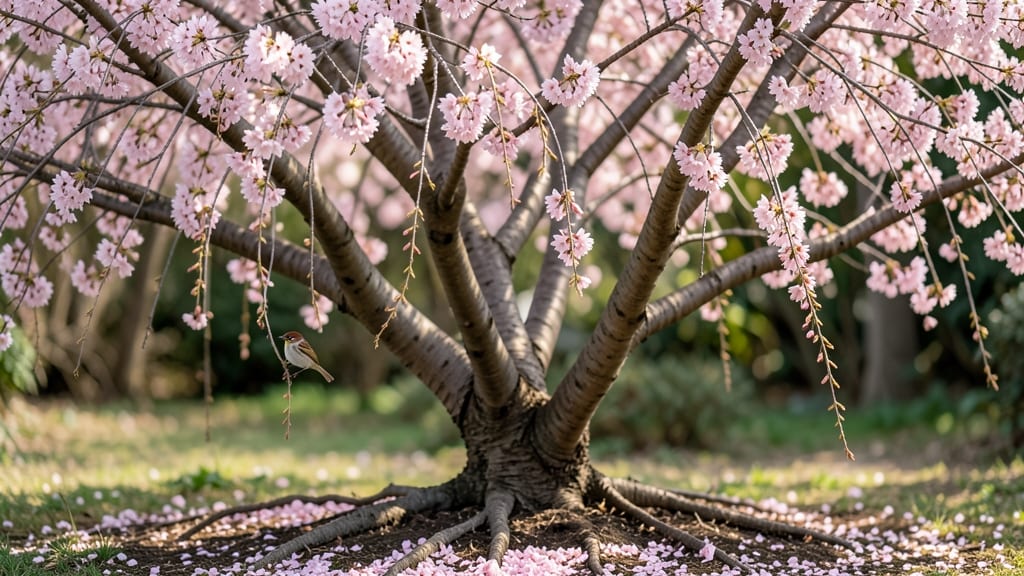
The cherry blossom tree life cycle begins with a tiny seed and unfolds like nature’s most delicate ballet—each stage revealing a new layer of beauty and resilience.
I’ve watched my own tree transform from a bare branch in winter to a cloud of pink blossoms, and there’s nothing quite like understanding how that magic happens. The journey starts with dormancy, where the tree quietly prepares underground, then bursts into life with spring’s first warmth.
Spring is when the real show begins: buds swell, leaves unfurl, and by late April, those iconic blossoms erupt in a two-week spectacle of color and fragrance. Supporting this growth means keeping the soil moist but not soggy, avoiding heavy pruning during bloom, and protecting young trees from late frosts.
Summer brings leafy maturity, while autumn’s golden foliage signals the tree’s quiet return to dormancy—ready to start the cycle again.
You’ll notice how each season shapes the tree: winter’s dormancy builds strength, spring’s blooms attract pollinators, and summer’s leaves feed the roots for next year.
The key to nurturing a healthy blossom tree is observing these cues—watering when the soil dries, pruning after flowering, and mulching to protect roots in winter. Every stage has its own needs, but the reward is always worth it.
Whether you’re planting a sapling or admiring a century-old tree, this life cycle connects you to generations of growth. The stages aren’t just about timing—they’re about patience, care, and the quiet joy of watching nature’s rhythms unfold.
Let’s dive into each phase so you can support your tree through every season.
📚 In This Guide
- What you need
- Instructions
- Tips and common mistakes
- Wrapping up and next steps
What you need
- ● Cherry blossom seeds or saplings: Choose Prunus serrulata (Japanese cherry) or Prunus avium (wild cherry) varieties. For faster results, opt for 1-2 year-old bare-root saplings (available at nurseries in late winter).
- ● Well-draining soil: A mix of 60% topsoil, 30% compost, and 10% perlite or sand (pH 6.0–7.0).
- ● Organic mulch: 3–4 inches of wood chips or straw to retain moisture and suppress weeds.
- ● Slow-release fertilizer: 10-10-10 NPK ratio (apply in early spring and fall).
- ● Watering can or hose with a gentle spray nozzle (cherry trees hate soggy roots!).
- ● Shovel or trowel (for planting).
- ○ Grafting tools (optional for advanced growers): Grafting knife, grafting tape, and rootstock (if propagating from cuttings).
- ● Pruning shears (sterilized with rubbing alcohol).
- ● Tree stakes & ties (if needed) for young saplings in windy areas.
- ● pH testing kit (to monitor soil acidity).
- ● Frost cloth or row covers (for protecting young trees in late spring frosts).
- ● Sunlight: A full-sun location (6+ hours daily)—cherry blossoms thrive in open spaces!
- ● Space: Mature trees need 20–30 feet of clearance (account for root spread!).
- ● Patience: From seed, it takes 5–7 years to bloom; saplings may flower in 3–5 years.
- ● Local climate check: Cherry blossoms prefer USDA Zones 5–8 (verify your hardiness zone here).
Understanding cherry blossom tree life cycle: seasonal growth stages
Here's how to recognize each phase of a cherry blossom's annual journey—from winter dormancy to spring's spectacular show.
Winter Dormancy and Bud Formation
When temperatures drop below 32°F, the tree enters dormancy, conserving energy in its roots and branches. This is when the magic happens—tiny flower buds begin forming on last year's growth. Look for swollen, plump buds along the branches in late winter; they'll feel firm but slightly rubbery to the touch.
Don't prune during dormancy unless removing dead wood—you'll risk cutting off next year's blooms. The tree needs these months of rest to build energy for spring. In colder climates, mulch around the base with 3-4 inches of organic mulch to protect roots from freezing temperatures.
Spring Bud Break and Leaf Emergence
As daytime temperatures consistently reach 50°F, the buds swell rapidly. Within 7-10 days, you'll see tiny pink or white tips emerge—this is bud break. The leaves unfurl next, appearing as bright green, fuzzy new growth. Here's where timing matters: if a late frost hits after buds open but before leaves form, the blossoms may freeze and drop.
This phase is delicate—avoid heavy pruning now. Instead, focus on watering when the top 2 inches of soil feel dry. The tree is directing energy into both flowers and leaves, so consistent moisture prevents stress. You'll know you're doing well when branches fill with blossoms and leaves simultaneously.
Full Bloom and Pollination
The centerpiece arrives when 50% of buds open fully, typically lasting 7-10 days depending on variety. Each blossom lasts just 3-5 days, so the tree's beauty unfolds in waves along branches. This is also peak pollination time—bees and wind carry pollen between trees for fruit production.
Resist the urge to remove spent blossoms now. Let nature's cycle complete: after petals fall, tiny green fruit (cherries) begin forming. If you're growing an ornamental variety, you can deadhead after blooming to encourage more flowers next year—but only after all petals have dropped from a branch.
Fruit Development and Summer Growth
After blooming, the tree shifts focus to fruit. Tiny cherries appear as pea-sized green orbs within 4-6 weeks. This is when the tree grows most vigorously—you'll see new shoots emerge from the trunk and branches. Water deeply once weekly during dry spells to support this rapid growth.
Here's where pruning pays off: remove any crossing branches or suckers growing from the base. The goal is to maintain an open canopy that lets sunlight reach all branches. You'll know you've pruned correctly when sunlight filters evenly through the tree's center.
Autumn Leaf Change and Preparation for Dormancy
As temperatures drop below 60°F in fall, leaves begin their stunning transformation from green to red or orange. This color change signals the tree is preparing for dormancy. The cherries ripen and drop to the ground, marking the end of the fruiting cycle.
This is your final chance to prune before winter. Remove any dead, diseased, or weak branches. Apply a 2-3 inch layer of mulch to insulate roots, but leave 3-4 inches of space between mulch and trunk to prevent rot. The tree will enter dormancy when nights stay below 40°F for several weeks.
Tips & tricks for understanding cherry blossom tree life cycle
Real talk: Watching a cherry blossom tree transform through the seasons is magical—but knowing what to look for makes all the difference. These insights will help you recognize each stage with confidence and care for your tree like a pro.
Timing is Everything: The 7-10 day window for bud break (Step 2) is when your tree is most vulnerable to late frosts. Check your local frost dates and consider covering young blossoms with frost cloth if nights dip below 32°F after buds open. I learned this the hard way after losing a whole branch of blossoms to a surprise freeze.
Visual Cues Matter: During full bloom (Step 3), when 50% of buds open fully, focus on the color progression: buds start pale pink, then deepen to white. Each blossom only lasts 3-5 days, so the tree's beauty unfolds in waves—like nature's own light show. Take photos daily to capture this fleeting beauty.
Pruning Precision: The instructions mention pruning in Steps 1, 4, and 5—but here's the secret: always prune at a 45-degree angle just above an outward-facing bud. This encourages growth in the right direction and prevents unsightly stubs. I've seen too many trees with awkward, stunted growth from improper pruning cuts.
Seasonal Soil Care: In autumn (Step 5), when applying that 2-3 inch layer of mulch, choose organic materials like shredded bark or leaves. Avoid fresh wood chips—they can draw nitrogen from the soil as they decompose, stressing your tree during its critical dormancy preparation. Think of it as giving your tree a warm winter blanket.
Pro Tips for Cherry Blossom Tree Life Cycle
- Real talk: Watching a cherry blossom tree transform through the seasons is magical—but knowing what to look for makes all the difference.
- Timing is Everything: The 7-10 day window for bud break (Step 2) is when your tree is most vulnerable to late frosts.
- Visual Cues Matter: During full bloom (Step 3), when 50% of buds open fully, focus on the color progression: buds start pale pink, then deepen to white.
Frequently asked questions
Got questions about the cherry blossom tree life cycle? You’re not alone! Here are some of the most common queries—and their answers—to help you navigate each stage with confidence.
How long does it take for a cherry blossom tree to bloom after planting?
A newly planted cherry blossom tree typically takes 3 to 5 years to produce its first blooms, depending on the variety and growing conditions. Patience is key—young trees focus on root and branch development before flowering. Pro tip: Choose fast-growing varieties like Kanzan or Stella Pink if you’re eager for color!
Why aren’t my cherry blossoms blooming this year?
Missing blooms can stem from cold winter chilling hours (most varieties need 600–1,000 hours below 45°F), poor nutrition, or stress (like drought or transplant shock). Check your tree’s chilling requirement—some modern hybrids need less cold. Troubleshoot: Apply a balanced fertilizer in early spring and ensure consistent watering.
Can I extend the cherry blossom season with care?
While you can’t stop nature entirely, you can soften the timeline! Prune spent blooms early to encourage a second flush (in some varieties), and avoid heavy pruning in late winter. For container-grown trees, move them to a cooler spot at night to delay bud drop. Bonus: Mulch heavily to regulate soil temps and preserve moisture.
What’s the best time to prune a cherry blossom tree?
Prune late winter or early spring (before buds swell) to shape the tree and remove dead wood. Avoid pruning in fall—it can stimulate new growth that won’t harden off before winter. For flowering branches, cut just above a bud facing outward to promote airflow and future blooms. Warning: Never prune during the blooming season!
Are cherry blossom trees hard to grow? What’s the biggest challenge?
The biggest hurdle is often site selection. Cherry blossoms thrive in full sun (6+ hours/day) and well-draining soil. Overwatering or soggy roots can lead to disease. Solution: Plant on a slight mound and amend heavy clay with compost. Young trees also need winter protection in harsh climates (wrap the trunk with burlap).
Wrapping up and next steps
Watching a cherry blossom tree transform through its life cycle is like witnessing nature’s most breathtaking performance! 🌸 From delicate buds to vibrant blooms and lush foliage, each stage tells a story of resilience and beauty.
Whether you’re growing your own tree or simply admiring one in a park, understanding this cycle deepens your appreciation for the fleeting yet magical moments of spring.
Ready to embrace the magic? Plant a cherry blossom tree today—or visit a local arboretum to witness the stages firsthand. Share your blossom journey with others and inspire them to connect with nature’s ever-changing artistry! 🌱