
Pests
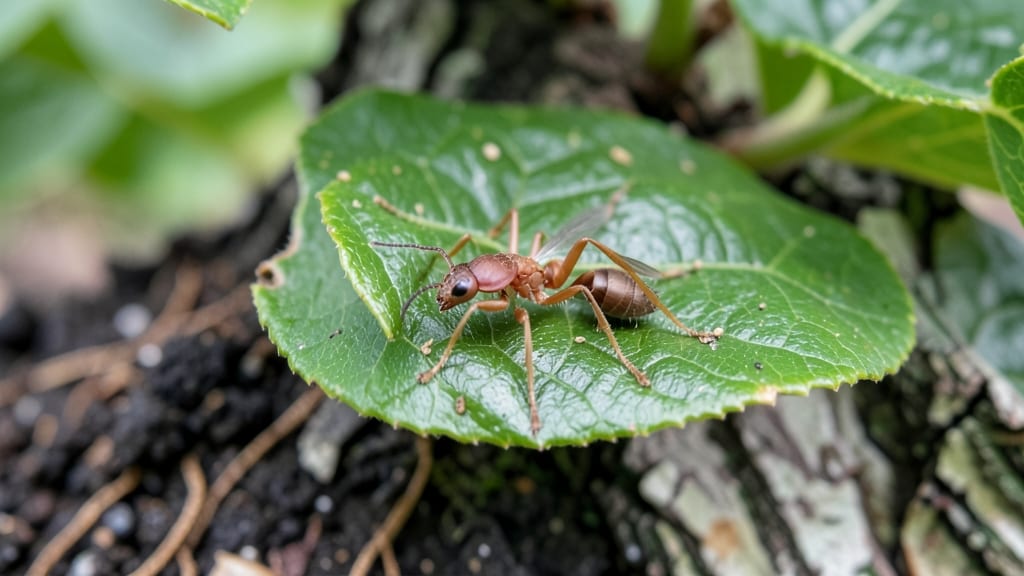
Ants marching up your fruit tree aren’t just a nuisance—they’re protecting aphids, mealybugs, and other sap-suckers that drain your tree’s energy. 🌳 I’ve seen firsthand how a single colony can turn a thriving peach tree into a shadow of itself, and the worst part?
Most ant treatments miss the real problem: the hidden pests they’re protecting. The good news? A few targeted barriers and baits can clear them out in days without harming your tree.
Here’s the thing—ants don’t just invade; they set up shop. They farm pests for honeydew, so you can’t just spray them. Instead, focus on disrupting their trails, starving their colonies, and removing the pests they’re protecting.
Diatomaceous earth works as a natural barrier, but the real game-changer is a borax-soapy water bait that targets the queen—and it’s safer than you’d think when used right. You’ll need just a few supplies: a spray bottle, some food-grade diatomaceous earth, and a little patience.
Within 3-5 days, you’ll see trails disappear and the ants vanish completely. The key is consistency—reapply barriers after rain and keep checking for new colonies. Your tree will bounce back faster than you’d expect, with fewer pests and more energy to produce fruit.
The best part? No harsh chemicals lingering on your harvest. Let’s get those trees back to their full potential.
This method works for apple, peach, cherry, and citrus trees alike, whether you’re dealing with a small backyard orchard or a single prized tree. The same principles apply whether you’re in a dry climate or a humid one—just adjust the bait consistency for your local conditions.
Once you’ve cleared the ants, keep an eye out for new pests and act fast to prevent reinfestation. Your fruit trees will thank you.
📚 In This Guide
- What you need
- Instructions
- Tips and common mistakes
- Wrapping up and next steps
What you need
- ● Diatomaceous earth (food-grade): 1–2 lbs (focus on fine powder, not block form)
- ● Baking soda: 1 cup (for homemade baits)
- ● Sugar: 1 cup (to mix with baking soda)
- ● Water: Small spray bottle (for dampening diatomaceous earth)
- ● Gloves: 1 pair (nitrile or rubber, for safety)
- ● Small paintbrush or powder duster: 1 (for precise application)
- ● Orange peels or citrus slices: 3–5 (fresh or dried, for natural repellents)
- ○ Cinnamon or cayenne pepper: 1–2 tbsp (optional but effective for barriers)
- ● Ant bait stations: 2–3 (store-bought or DIY with borax/sugar mix)
- ● Hose with nozzle: 1 (for rinsing trees post-treatment)
- ● Sticky traps: 2–3 (to monitor ant activity)
- ● Plastic or cardboard: 1–2 sheets (to create temporary barriers)
- ● Essential oils (peppermint, tea tree, or eucalyptus): 5–10 drops (for spray solutions)
Step-by-Step natural barriers to evict ants from fruit trees
Here's my battle-tested approach—no harsh chemicals, just smart tactics.
🌿 Step 1: Create a Diatomaceous Earth Barrier at the Tree Base
First, gather food-grade diatomaceous earth (about ½ cup per tree) and a small shovel. This microscopic powder dehydrates ants by damaging their exoskeletons—completely safe for trees and pets once settled.
Spread a 2-inch wide band around the tree trunk, extending 6 inches outward from the base. Focus on where ants travel between the soil and tree. Water lightly after application so it bonds with the soil surface. You'll see fewer ants within 24 hours—they avoid crossing this barrier.
Reapply after rain or every 7-10 days until the colony relocates. The key is consistency: ants will detour around the treated zone rather than risk crossing it.
☀️ Step 2: Set Up a Vinegar and Water Spray for Trail Disruption
Mix 1 part white vinegar with 1 part water in a spray bottle. Vinegar's strong odor masks pheromone trails ants use to navigate, forcing them to lose their way. Fill your bottle and spray directly on ant trails—not the tree itself—where you spot them marching.
Focus on the lower trunk, branches, and soil surface near the tree. Spray in the early morning when ants are most active. You'll notice trails thinning within a few hours as scouts get confused. For stubborn colonies, repeat 2-3 times daily for 3 days to break their communication.
Here's the thing—vinegar won't kill the queen, but it disrupts their ability to organize. Combine this with the diatomaceous earth for maximum effect.
🪴 Step 3: Install a Physical Barrier with Copper Tape
Wrap copper tape (about 12 inches wide) around the tree trunk, starting 6 inches above ground. Copper emits a mild electric charge when ants cross it, which they dislike intensely. Secure it tightly with non-toxic tape—ants can't climb smooth copper surfaces.
Extend the barrier up to 3 feet on the trunk to cover their primary entry points. If your tree has multiple trunks, wrap each one. You'll see ants avoid the copper within minutes—they'll march right up to it and turn back. This method works best for young trees where ants haven't established deep colonies.
Check weekly for gaps where ants might bridge the copper with debris. If you spot any, clean the area and reapply the tape. Copper lasts 1-2 seasons before needing replacement.
⏰ Step 4: Monitor and Maintain the Defense System
Inspect your tree daily for 3 days, then every other day until ant activity stops. Look for new trails, nests in the soil, or ants climbing the barrier. If you see ants bridging the copper with twigs or soil, remove them immediately—this breaks their path.
After 7-10 days, reassess the diatomaceous earth band. If it looks dry or clumpy, reapply a fresh layer. The vinegar spray can be reduced to once daily after the first 3 days, as trails will naturally fade without reinforcement.
Real talk: some colonies are persistent. If ants return after 2 weeks, repeat the vinegar spray and check for hidden entry points like cracks in the bark or nearby mulch piles.
Tips & tricks for natural ant barriers in fruit trees
These battle-tested strategies will help you maximize the effectiveness of your ant eviction plan—without any harsh chemicals.
Timing is Everything: The 24-hour mark after applying diatomaceous earth is critical. That's when you'll first notice ants avoiding the barrier—this is their natural response to the microscopic powder. If you see ants still crossing after 24 hours, check for gaps in your 2-inch band and reapply if needed. Consistency is key, especially after rain which can wash away the powder.
Trail Disruption Tactics: When using the vinegar spray in Step 2, focus on the active trails you observe in the early morning. The 2-3 times daily application for 3 days is non-negotiable for stubborn colonies—this breaks their communication system. Pro tip: Add a few drops of dish soap to your vinegar mix (just a drop or two) to help it stick better to surfaces and last longer between applications.
Copper Tape Placement: The 6-inch starting point above ground for copper tape is perfect because it covers where ants typically begin climbing. For trees with multiple trunks, wrap each one completely—ants will find any gap to bridge. If you notice ants trying to build bridges with debris after a week, clean those areas immediately. This physical barrier works best when it's completely unbroken.
Monitoring Made Simple: During your daily inspections for the first 3 days, look for these three signs of success: fewer ants on the tree, thinner trails, and ants avoiding the copper tape. After 7-10 days, if you're still seeing activity, it might indicate a larger colony nearby. In that case, expand your diatomaceous earth band by another 2 inches outward from the trunk to create a wider exclusion zone.
Pro Tips for Get Rid Of Ants In Fruit Trees
- These battle-tested strategies will help you maximize the effectiveness of your ant eviction plan—without any harsh chemicals.
- Timing is Everything: The 24-hour mark after applying diatomaceous earth is critical.
- Trail Disruption Tactics: When using the vinegar spray in Step 2, focus on the active trails you observe in the early morning.
Frequently asked questions
about keeping ants away from your fruit trees—because even the best gardeners need a little extra help! Here are some common concerns and quick solutions to keep your trees thriving.Will vinegar or lemon juice really work to repel ants?
Yes! A homemade spray of equal parts water and white vinegar (or lemon juice) can disrupt ant trails and deter them naturally. Reapply after rain or every few days for best results. For extra potency, add a few drops of dish soap to break down their scent trails.
How long does it take for natural ant repellents to work?
Most natural methods like diatomaceous earth or borax-based sprays show results within 24–48 hours, but severe infestations may take up to a week. Consistency is key—reapply after rain or prune affected branches to speed up the process.
Can ants harm my fruit trees beyond just being a nuisance?
Indirectly, yes! Ants farm aphids, which sap tree nutrients and leave sticky honeydew that attracts mold. They also protect pests like mealybugs, weakening trees over time. Early intervention prevents long-term damage.
What’s the best time of day to apply ant repellents?
Apply repellents early morning or late evening when ants are least active and temperatures are cooler. This maximizes effectiveness and reduces evaporation. Avoid midday heat, which can dry out sprays too quickly.
Are there long-term solutions to keep ants away for good?
Combine preventative barriers like kaolin clay or copper tape around tree trunks with regular yard maintenance. Remove food sources (fallen fruit, spills), trim overhanging branches, and encourage natural predators like birds and ladybugs.
What should I do if ants keep coming back after treatment?
Persistent ants often mean a new colony nearby or hidden nests. Check for moisture issues (ants love damp soil), seal entry points with caulk, and consider bait stations (like borax sugar mixes) to eliminate the queen. If needed, consult a local pest control expert.
Wrapping up and next steps
Getting rid of ants in your fruit trees doesn’t have to be a battle—with the right natural barriers and consistency, you can reclaim your garden in just a few days! 🌿 From diatomaceous earth to citrus sprays and strategic plant placement, these methods are effective, eco-friendly, and easy to implement.
Start with one or two techniques, monitor progress, and adjust as needed.
You’ve got this! Once your trees are ant-free, take the next step—like setting up a preventative maintenance schedule (think seasonal checks or companion planting) to keep those tiny invaders away for good. Happy gardening! 🍏🌱