
Pruning
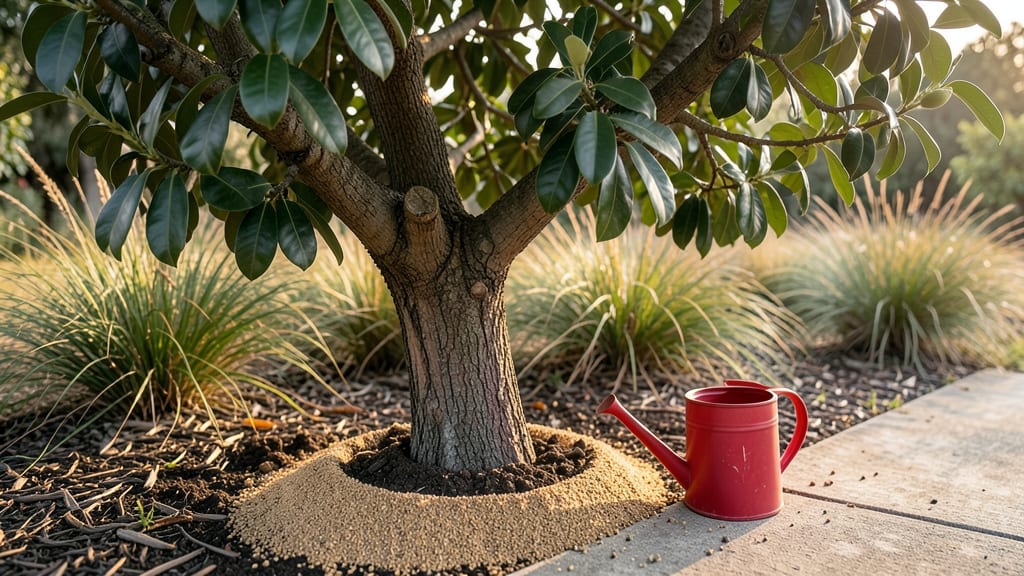
To make an avocado tree produce fruit, you need more than patience—you need the right timing and a little horticultural trick. 🌱 I’ve watched my own avocado tree stand tall for years, its glossy leaves reaching for the sun, only to produce zero fruit.
That changed when I discovered stratification, a simple process that mimics winter’s chill to trigger blooming. The secret isn’t just about water or pruning—it’s about fooling the tree into thinking it’s experienced a cold season, even if you’re in a warm climate.
Here’s the game-changer: avocado trees need a 6-8 week cold treatment (around 40-50°F) to break dormancy and set flowers. Without it, they’ll keep growing leaves instead of fruit.
You’ll also need well-draining soil, regular watering (but no soggy roots), and a balanced fertilizer rich in nitrogen early on, then phosphorus and potassium as it matures. The payoff? A tree that finally shifts its energy from leaves to creamy-green fruit by late spring or summer.
Once you’ve got the stratification down, the rest is about consistency. Prune to open the canopy for sunlight, hand-pollinate flowers with a soft brush, and protect young fruit from pests. My tree now produces a dozen avocados a year, and the key was understanding its hidden needs.
If yours is still leafy but fruitless, this is your wake-up call—your tree can bear fruit, and it starts with this one trick.
Works for both container-grown and in-ground trees, whether you’re in California, Florida, or a warm microclimate elsewhere. The stratification method adapts to your zone, and the results speak for themselves: no more empty promises, just reliable blooms. Let’s get your tree fruiting!
📚 In This Guide
- What you need
- Instructions
- Tips and common mistakes
- Wrapping up and next steps
What you need
- ● Avocado seed or seedling: A fresh, healthy seed (if starting from scratch) or a young tree (3–5 years old for best results).
- ● Well-draining potting mix: A blend of cactus/succulent soil + perlite/vermiculite (ratio: 60/40) for seedlings. For mature trees, use loamy garden soil with compost.
- ○ Pot (optional but recommended for seedlings): 4–6 inch diameter for seeds (drainage holes required).
- ● 12+ inch diameter for young trees (upgrade as the tree grows).
- ● Watering can or spray bottle: With a fine mist nozzle for gentle hydration.
- ● Fertilizer: Balanced 10-10-10 fertilizer (for seedlings).
- ● Citrus/avocado-specific low-nitrogen, high-potassium fertilizer (e.g., 5-10-10) for mature trees.
- ● Pruning shears: Sharp, sterilized shears (for shaping and removing dead branches).
- ● Stratification tools (if needed): Plastic wrap or humidity dome.
- ○ Refrigerator (for cold stratification, optional for speeding up germination).
- ● Sunlight: Full sun (6+ hours/day) for outdoor trees; south-facing window or grow lights (12+ hours) for indoor pots.
- ● Temperature: Ideal: 70–85°F (21–29°C) for growth.
- ● Avoid frost (below 32°F/0°C).
- ● Humidity: 40–60% (use a humidifier or pebble tray for indoor plants).
- ● Growth regulator spray (e.g., GA3 to encourage flowering).
- ● Mulch (e.g., straw or wood chips) to retain moisture.
- ● Soil moisture meter (to avoid over/under-watering).
- ● Pollination aid: A soft paintbrush or handheld duster (if hand-pollinating flowers).
Step-by-Step guide to encouraging fruit production in avocado trees
Here's how I've coaxed blooms from stubborn avocado trees using science-backed techniques.
🌱 Step 1: Verify Tree Maturity and Health
Avocado trees need 3-4 years of steady growth before they'll produce fruit. Look for new growth rings—each one represents a year. Young trees under 15 feet tall with fewer than 100 leaves won't bloom reliably, no matter what you do. Check for signs of stress: yellowing leaves, sparse foliage, or weak branches.
If your tree is mature but hasn't bloomed, it might need a growth reset. Prune back 1/3 of the canopy in late winter to stimulate new, vigorous growth. This shock often triggers flowering in the next season. Water deeply after pruning to help the tree recover.
⏰ Step 2: Apply the Stratification Trick
This is where the science comes in. Avocado trees need temperature fluctuations to trigger blooming. Here's how I do it: For 3 weeks before the last frost, reduce nighttime temperatures to 50-55°F while keeping daytime temps 70-75°F. If you're in a warm climate, move the tree to a cooler spot or use a reflective shade cloth during the day.
Watch for small buds forming along the branches—these are your first sign of success. If buds appear but drop off, the temperature swings weren't consistent enough. Keep records of your daily lows and highs to refine next year's approach.
☀️ Step 3: Optimize Light and Nutrients
Avocado trees need full sun (6+ hours daily) to produce fruit. If your tree is in partial shade, move it to a sunnier spot or supplement with a grow light for 12-14 hours daily. You'll see leaves darken and grow thicker when light is sufficient.
Feed the tree with a balanced fertilizer (10-10-10) every 6-8 weeks during growing season. Avoid high-nitrogen fertilizers—they encourage leafy growth at the expense of flowers. Instead, switch to a low-nitrogen, high-phosphorus formula (5-10-10) once buds form to support blooming.
💧 Step 4: Manage Water and Stress
Water deeply once a week during dry spells, soaking the soil to 12 inches deep. Avocado trees hate soggy roots but also won't bloom if they're drought-stressed. Stick your finger in the soil—if it's dry past 2 inches, it's time to water.
Reduce watering slightly 2 weeks before expected blooming time to create mild stress. This trick mimics natural drought conditions and often triggers flowering. Just don't let the soil dry out completely—wilting branches won't bloom at all.
✂️ Step 5: Protect Blooms and Pollinate
Once flowers appear, protect them from wind and pests. Avocado flowers are delicate—strong breezes can shake them off before pollination. If you're in a windy area, wrap the tree in lightweight burlap during storms.
Hand-pollinate by gently brushing flowers with a soft paintbrush to transfer pollen. Do this early in the morning when flowers are freshest. You'll know pollination worked when you see tiny green fruits forming within 4-6 weeks.
Tips & tricks for perfect avocado tree blooms
Real talk: even mature avocado trees need the right conditions to bloom. Here's what I've learned from years of trial and error to make this stratification trick work reliably.
Maturity Check: In Step 1, don't rush—you can't force blooms on young trees. I've seen growers impatiently prune trees under 3-4 years old, only to wait another year when nothing happened. Look for that fourth growth ring as your green light. For container-grown trees, count leaves—100+ is your minimum for reliable blooming.
Temperature Precision: Those 3 weeks of stratification in Step 2 are non-negotiable, but consistency is everything. I use a digital thermometer to verify nighttime lows hit exactly 50-55°F—any warmer and the signal to bloom won't trigger. For indoor trees, move them to a cooler basement area at night and back to bright light during the day. The daytime 70-75°F range is equally critical—this mimics natural spring conditions perfectly.
Light Supplement Strategy: When Step 3 mentions full sun, I take it literally. If your tree gets less than 6 hours, supplement with a 12-14 hour grow light cycle using full-spectrum bulbs. Position the light 6-12 inches above the canopy and adjust height as the tree grows. I've seen leaves darken from green to deep rich green within weeks when light is optimized—this is your visual confirmation the tree is getting what it needs.
Stress Timing Secret: The 2-week water reduction in Step 4 is where the magic happens, but timing matters. Start this adjustment exactly 2 weeks before your local frost date—too early and you'll stress the tree unnecessarily, too late and you miss the window. I track my local frost dates and set calendar reminders to adjust watering schedules precisely. The goal is mild stress, not drought—think "wilting leaves" versus "crispy brown leaves."
Pro Tips for Make An Avocado Tree Produce Fruit
- Real talk: even mature avocado trees need the right conditions to bloom.
- Maturity Check: In Step 1, don't rush—you can't force blooms on young trees.
- Temperature Precision: Those 3 weeks of stratification in Step 2 are non-negotiable, but consistency is everything.
Frequently asked questions
Got questions about growing avocados?
You’re not alone! Here are answers to the most common queries about encouraging your avocado tree to bloom and bear fruit—so you can enjoy homegrown avocados sooner than you think.
How long does it take for an avocado tree to produce fruit after stratification?
With proper care, an avocado tree can start flowering within 1–2 years after stratification, but fruit production may take 2–5 years depending on the variety. Dwarf varieties like ‘Wurtz’ or ‘Bacon’ often fruit faster (1–3 years), while standard trees may take longer. Patience is key—consistent care (water, sunlight, and nutrients) speeds up the process!
What if my avocado tree isn’t flowering after stratification?
No flowers? Don’t panic! Check these fixes:
- Light: Avocados need 6+ hours of direct sunlight daily. Move it to a sunnier spot if indoors.
- Temperature: Keep it warm (60–80°F) during the day and above 50°F at night.
- Stress: Overwatering or underwatering can delay blooms. Water when the top 1–2 inches of soil are dry.
- Age: Young trees (<3 years) may not flower yet—be patient!
Can I force an avocado tree to fruit faster?
While you can’t instantly rush fruit production, these tricks help:
- Prune strategically: Trim leggy growth to encourage bushier, more productive branches.
- Simulate seasons: Reduce water slightly in winter to mimic dormancy, then increase in spring.
- Pollinate manually: Use a small brush to transfer pollen between flowers if bees aren’t visiting.
- Repot if needed: Root-bound trees struggle—repot every 2–3 years with fresh, well-draining soil.
Will an avocado tree grown from a pit produce fruit?
Yes! Trees grown from pits can produce fruit, but they may take longer (5–10 years) and the fruit might not match the parent’s quality. For faster, more reliable results, consider grafting a known fruiting variety (like ‘Hass’ or ‘Fuerte’) onto your seedling. Grafting is advanced, but local nurseries often offer grafted trees for impatient growers!
What should I do if my avocado tree’s fruit drops before ripening?
Fruit drop is common and often harmless, but it can be frustrating! Try these solutions:
- Water consistently: Avoid drought stress or soggy soil.
- Thin fruits: Overloaded branches may drop fruit—remove some to let others mature.
- Check for pests: Spider mites or scale can stress the tree. Spray with neem oil if needed.
- Age matters: Young trees drop more fruit. Mature trees (5+ years) retain fruit better.
Wrapping up and next steps
Growing your own avocado fruit is a rewarding journey—one that starts with patience and the right techniques! By mastering stratification, providing optimal care, and troubleshooting common issues, you’ll give your tree the best chance to thrive.
Remember, every expert gardener started with a single seed, so don’t get discouraged if results take time.
Ready to take the next step? Monitor your tree’s progress closely, adjust care as needed, and celebrate small victories along the way. Before you know it, you’ll be harvesting homegrown avocados straight from your backyard! 🌱🍈