
Neem Oil
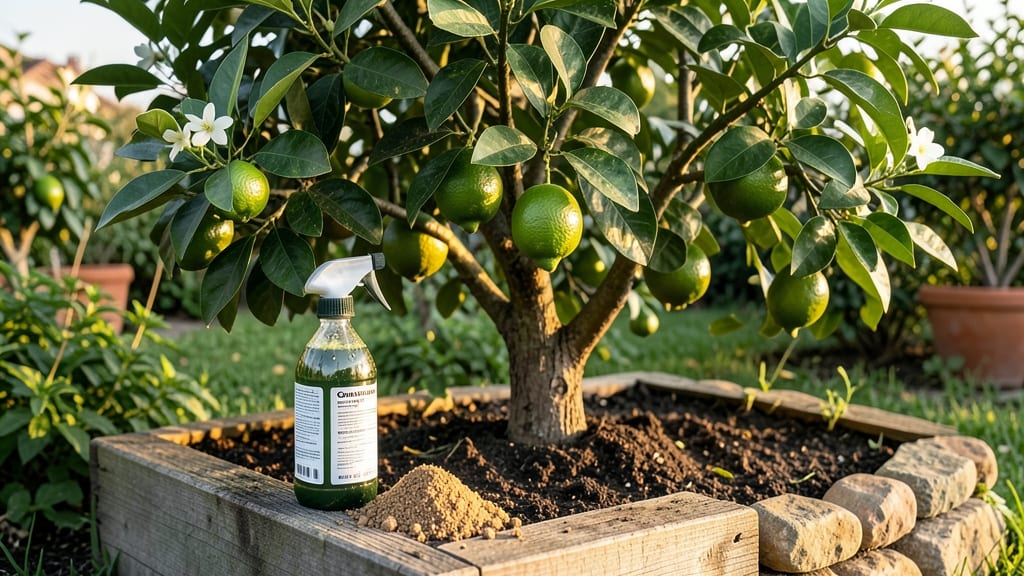
Neem oil for fruit trees isn't just a spray—it's your secret weapon against aphids, mites, and fungal infections that threaten harvests. 🌿 I remember the first time I used it on my peach tree last spring: within days, the stubborn scale insects vanished, and the tree put all its energy into fruit instead of fighting pests.
The best part? It works without synthetic chemicals that harm bees and beneficial insects.
You'll need neem oil concentrate, water, a spray bottle, and a few drops of dish soap to help it stick. Mix it in the evening when bees aren't active, and always apply it when the air is calm so it covers every leaf and branch.
The smell is strong but fades quickly—no lingering chemical residue. This method has saved my apple and cherry trees from multiple seasons of infestations.
By midseason, you'll notice fewer pests and healthier foliage that actually looks like it belongs on a fruit tree. The fruit stays blemish-free, and the trees grow stronger each year.
It's not a one-time fix—regular applications every 2-4 weeks during pest season keep problems from returning. The payoff? Juicier fruit and a garden that thrives without toxic sprays.
Works for backyard orchards, container-grown fruit trees, and even small urban gardens. The key is consistency—don't skip applications when pests first appear. Here's how to make it work without stressing your plants or your schedule.
📚 In This Guide
- What you need
- Instructions
- Tips and common mistakes
- Wrapping up and next steps
What you need
- ● Neem oil (100% pure, cold-pressed): 1–2 quarts (per 100 sq. ft. of foliage or ~10–20 trees, depending on size). Look for organic, cold-pressed neem oil with at least 30% azadirachtin for maximum efficacy.
- ○ Horticultural oil or carrier oil (optional but recommended): 1 quart (e.g., vegetable, olive, or mineral oil) to help emulsify neem oil if mixing with water.
- ● Water (for spray mixture): 1 gallon per quart of neem oil (adjust for coverage needs). Use lukewarm or room-temperature water to avoid oil separation.
- ○ Spray bottle or backpack sprayer: Choose a 1–3 gallon capacity with a fine mist nozzle for even coverage. A hose-end sprayer (optional) works for larger trees.
- ● Dish soap (mild, unscented): 1–2 teaspoons (e.g., Castile soap) as an emulsifier to help the oil mix with water.
- ● Protective gear: Nitrile gloves (to avoid skin irritation)
- ● Long sleeves/pants (for sun/foliage protection)
- ● Safety goggles (if spraying near eyes)
- ● Stirring stick or small paddle: For mixing the solution thoroughly.
- ● Measuring cups and spoons: For precise oil and soap ratios.
- ● Stick sprayer: For hard-to-reach branches or small trees.
- ● Fan or gentle breeze: To speed up drying time after application (prevents mold risk).
- ● Label or marker: To tag trees with application dates for tracking.
- ● Neem cake or powder: (For soil treatment) Sprinkle 1–2 cups per tree around the base to deter pests from emerging.
- ● Pet-safe barrier: If you have pets or livestock, create a 24-hour exclusion zone after spraying.
Step-by-step instructions for applying neem oil to fruit trees
Here's how I protect my orchard—no harsh chemicals, just effective organic defense.
🌿 Step 1: Choose the Right Time and Conditions
Apply neem oil when your fruit trees are dormant or when pests are actively feeding but before harvest. I always spray in the early morning or late afternoon when temperatures are below 85°F—this prevents leaf burn and ensures the oil has time to dry before the sun peaks. Avoid spraying if rain is forecast within 24 hours; the oil needs to stay on the leaves to work.
Check the weather forecast first. Humid conditions actually help neem oil spread better, but never apply when leaves are wet—this dilutes the concentration. If you must spray on a dry day, do it when dew is still present for better coverage.
💧 Step 2: Mix the Neem Oil Solution Properly
Combine 1 tablespoon of neem oil with 1 teaspoon of mild liquid soap (like castile soap) in a 1-quart spray bottle. The soap acts as an emulsifier, helping the oil mix with water. Fill the bottle with warm water—this improves mixing and coverage. Shake vigorously for 30 seconds until the solution is completely blended and no oil separates.
Here's the thing—neem oil alone won't stick to leaves. The soap helps it adhere, but don't overdo it. Too much soap can harm the tree. Test the mixture on a small branch first to ensure it doesn't cause irritation. Once mixed, use it within 2 hours for maximum effectiveness.
☀️ Step 3: Apply Evenly to All Tree Surfaces
Start spraying from the top of the tree and work your way down to the lowest branches. Focus on the undersides of leaves, where many pests hide, and the trunk and branches. Use a fine mist setting on your sprayer to ensure even coverage—neem oil needs to coat the pests directly. Lightly mist the soil around the base of the tree as well; this helps control soil-borne pests and prevents reinfestation.
Don't forget the young shoots and buds. These are prime targets for aphids and mites, and neem oil works best when it reaches every surface. If your tree is large, consider using a hose-end sprayer for better reach. Apply until the solution just begins to drip off the leaves—this ensures full coverage without waste.
⏰ Step 4: Reapply as Needed for Long-Term Protection
Neem oil breaks down quickly in sunlight, so you'll need to reapply every 7-14 days during active pest seasons. I mark my calendar with the last application date to stay on schedule. Consistency is key—pests build up resistance if they're exposed to neem oil sporadically. After each application, monitor the tree for 24 hours to check for any signs of leaf damage or stress.
If pests return after a few applications, switch to a different organic method like insecticidal soap or horticultural oil for a week before returning to neem. This rotation keeps pests from adapting. Always store your neem oil in a cool, dark place to preserve its potency.
Tips & tricks for perfect neem oil applications
These practical insights will help you get the most out of your organic pest control routine without wasting a drop.
Timing Secret: The 24-hour weather window is non-negotiable for effectiveness. I always double-check the forecast app the night before—if there's even a chance of rain within 24 hours, I'll wait. The oil needs that full day to work its magic, and rain washes it away before it can do its job. Morning applications also give the oil time to dry completely before the sun peaks, preventing leaf burn at that critical 85°F threshold.
Mixing Technique: Warm water isn't just about dissolving the soap—it helps the neem oil spread more evenly. I fill my spray bottle with water that's just warm to the touch (about 100°F), then let it cool slightly before mixing. The soap ratio is crucial: that 1 teaspoon for every tablespoon of oil is perfect for adhesion without harming the tree. If you're using a different soap, test a small amount first—some castile soaps are stronger than others.
Application Strategy: When I spray, I work in concentric circles starting from the top. This ensures I don't miss any spots while the solution is still fresh. For large trees, I use a ladder with a spray bottle attached to a pole—it's safer and gives me better reach. The key is that "just beginning to drip" look: that's your visual cue for perfect coverage. Don't forget to flip leaves gently with a stick to get the undersides, where most pests hide.
Storage Wisdom: Neem oil degrades when exposed to light and heat, so I keep mine in a dark glass bottle in the fridge. Once opened, it lasts about 6 months—write the date on the bottle to track it. The 2-hour usage window after mixing is firm, but if you must stop earlier, cover the bottle tightly and refrigerate. Just remember to shake vigorously before use, as the oil will separate over time.
Pro Tips for Neem Oil For Fruit Trees
- These practical insights will help you get the most out of your organic pest control routine without wasting a drop.
- Timing Secret: The 24-hour weather window is non-negotiable for effectiveness.
- Mixing Technique: Warm water isn't just about dissolving the soap—it helps the neem oil spread more evenly.
Frequently asked questions
Got questions about using neem oil for your fruit trees?
You’re not alone! Here are some of the most common concerns—and straightforward answers—to help you get the best results from this organic pest control powerhouse.
How often should I apply neem oil to fruit trees?
For preventive care, apply neem oil every 2–4 weeks during peak pest seasons (spring and summer). If treating an active infestation, use it weekly for 2–3 weeks, then switch to a monthly schedule. Always apply in the evening to avoid harming bees and other pollinators.
How long does neem oil take to work on fruit tree pests?
Neem oil disrupts pests’ life cycles, so you won’t see instant results. For soft-bodied insects (like aphids or mites), effects appear in 3–7 days. For harder pests (such as scale or borers), it may take 2–4 weeks of consistent applications. Patience is key—stick with it!
Will neem oil harm my fruit trees or affect fruit quality?
When used correctly, neem oil is safe for fruit trees and won’t damage leaves, bark, or fruit. However, never apply it directly to ripe fruit—wait until harvest is over or use a spray shield to protect edible parts. Always dilute it properly (1–2 tbsp per gallon of water) to avoid phytotoxicity.
Can I use neem oil if rain is forecasted?
Rain can wash away neem oil, reducing its effectiveness. Avoid applying it within 24 hours of rain unless you’re treating a severe infestation. If rain is expected, opt for a sticky spray (like neem oil + a bit of dish soap) to help it cling longer, or reapply after the storm passes.
What’s a good alternative if neem oil isn’t working?
If pests persist, try rotating treatments like:
- Insecticidal soap (for soft-bodied bugs)
- Diatomaceous earth (for crawling pests like caterpillars)
- Beneficial nematodes (for soil-dwelling larvae)
- Kaolin clay (as a physical barrier for fruit pests)
Wrapping up and next steps
Neem oil is a game-changer for organic fruit tree care, offering a natural, effective way to protect your harvests from pests while keeping your garden thriving. Its versatility, affordability, and eco-friendly benefits make it a must-have in every gardener’s toolkit.
Whether you're a seasoned grower or just starting, integrating neem oil into your routine can significantly reduce chemical reliance and boost fruit tree health.
Ready to give it a try? Start small—test a few branches or a single tree—and observe the results. With patience and consistency, you’ll be well on your way to bountiful, pest-free harvests! 🌱🍎