
Pruning
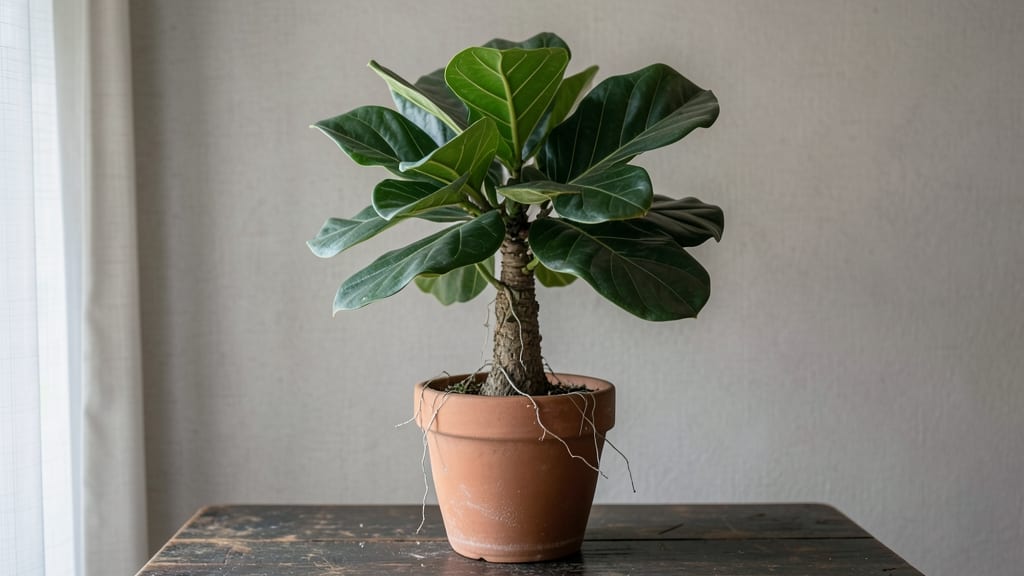
Mastering fica tree care—whether it’s a fiddle-leaf, rubber plant, or weeping fig—starts with pruning it right. ✂️ I’ve learned the hard way that skipping regular trims leads to leggy growth and fewer blooms, but a few strategic cuts keep these plants lush and productive year-round.
The key is timing and technique: prune in early spring to encourage new growth, and do light trims after major blooms to maintain shape. You’ll need sharp pruners, rubbing alcohol for cuts, and a plan—because Ficus trees respond best when you’re intentional, not random.
Even a small 6-inch trim can make a difference in how full your plant looks.
What you’ll end up with is a tree that stays compact, puts out more leaves, and blooms reliably. The air in your space feels fresher, too, since healthy Ficus trees clean the air better than struggling ones.
Plus, you’ll avoid the dreaded "bare branches" look that makes these plants seem neglected.
Works for both indoor Ficus varieties and outdoor tropical climates—just adjust the pruning schedule for seasonal growth spurts. Let’s get those branches looking intentional!
📚 In This Guide
- What you need
- Instructions
- Tips and common mistakes
- Wrapping up and next steps
What you need
- ● Pruning shears: Bypass pruners (sharp, clean, and sterilized with rubbing alcohol) for small branches.
- ● Loppers: 6–8" bypass loppers for thicker branches (up to 2" diameter).
- ● Pruning saw: A folding handsaw or curved pruning saw for stubborn, larger branches.
- ● Gloves: Heavy-duty, cut-resistant gloves (e.g., mechanics’ gloves or gardening gloves with reinforced palms).
- ● Disinfectant: 70% isopropyl alcohol or a pruning sealant (e.g., Tanglefoot Pruning Seal) to prevent disease.
- ● Rag or paper towels: For wiping tools between cuts.
- ○ Ladder (optional): A stable, extendable ladder (8–12 ft) for tall trees—ensure it’s rated for your weight.
- ● Safety gear: Safety glasses (to shield from debris) and earplugs (if using a chainsaw for large branches).
- ● Weather check: Prune on a dry, cloudy day (avoid extreme heat or rain).
- ● Tree health assessment: Inspect the tree for diseased or dead branches (they’ll snap easily—remove first!).
- ● Clean workspace: Lay down tarps or cardboard to catch debris.
- ● Sharp tools only: Dull blades tear wood—hone shears or replace blades annually.
- ● Hose or spray bottle: For rinsing tools or refreshing thirsty trees post-prune.
- ● Tree wound dressing: (Controversial but useful for large cuts—e.g., Ortho Fruit Tree Wound Paint).
- ● Camera: Snap photos of the tree’s structure before pruning for reference.
- ● Compost bin: Collect clippings for mulch (if disease-free!).
Step-by-Step guide for pruning your ficus tree year-round
Pruning your ficus tree isn't just about shaping—it keeps it blooming beautifully all year.
🌿 Step 1: Assess the Tree for Pruning Needs
Start by examining your ficus tree for dead, crossing, or overcrowded branches. Look for branches that rub against each other or grow inward—they’ll compete for light and nutrients. I always check for yellowing leaves or bare spots, which signal areas needing attention. Run your hand along the branches to feel for weak or brittle growth.
Use a small notebook to sketch a rough map of the tree’s structure. Mark branches that need removal or thinning. This helps visualize the final shape before making cuts. Focus on branches that are thinner than a pencil—these are easier to remove and won’t leave large wounds. Prune in the early morning or late afternoon to avoid stressing the tree during peak sunlight.
✂️ Step 2: Gather Tools and Sanitize for Safety
You’ll need sharp, clean pruning shears for small branches and a pruning saw for thicker stems. I always sanitize my tools with rubbing alcohol before and after pruning to prevent spreading disease. Wipe down the blades with a cloth soaked in alcohol, then let them air dry completely. This step is critical—even a small cut can introduce pathogens if tools aren’t clean.
Wear gloves to protect your hands from sap and sharp edges. Have a bucket of water nearby to clean tools between cuts if you’re working with multiple branches. Keep a small bag or container to collect pruned branches for disposal or composting. This keeps your workspace tidy and reduces the risk of pests hiding in fallen debris.
🌱 Step 3: Make Strategic Cuts for Shape and Health
Begin by removing dead or diseased branches first—these are the easiest to spot and won’t affect the tree’s overall shape. Cut just outside the branch collar, the swollen area where the branch meets the trunk. Avoid leaving stubs, as they can invite rot or pests. Angle your cuts slightly downward to allow water to run off and prevent pooling.
For shaping, focus on thinning out the canopy to improve airflow and light penetration. Remove no more than 25% of the tree’s foliage in one session to avoid shocking it. If you’re pruning for blooms, target branches that haven’t flowered in the past year—they’re likely overgrown and need renewal. Step back frequently to check your progress and ensure the tree maintains a balanced silhouette.
☀️ Step 4: Post-Pruning Care for Recovery
After pruning, water the tree deeply to help it recover from the stress of cutting. Focus on the root zone, ensuring the soil is moist but not soggy. Avoid fertilizing immediately—wait 4-6 weeks to let the tree heal before adding nutrients. This gives it time to redirect energy toward healing wounds rather than new growth.
Monitor the tree closely for the next few weeks. New growth should appear within 2-3 weeks if the pruning was successful. If you notice excessive wilting or leaf drop, reduce watering slightly and provide light shade until the tree stabilizes. Keep an eye out for signs of stress, like curled leaves or brown edges—these can indicate over-pruning or environmental factors like sudden temperature changes.
Tips & tricks for perfect ficus tree pruning
Here's what nobody tells you—these little-known tricks make all the difference when shaping your ficus tree.
Branch Assessment: In Step 1, when checking for crossing branches, look for the "V" shape where two branches grow toward each other. These are prime candidates for removal—they'll rub together and create wounds. I also check for branches growing at sharp angles (less than 45 degrees) to the trunk, as these are more likely to break under their own weight or in storms.
Tool Sanitization: During Step 2, don't just wipe your tools with alcohol—let them air dry completely before using. Damp tools can spread bacteria even after sanitizing. For stubborn sap buildup, soak tools in warm, soapy water for 10 minutes before sanitizing. I keep a small spray bottle of rubbing alcohol handy to quickly sanitize between cuts on larger pruning sessions.
Cutting Technique: In Step 3, when making your cuts just outside the branch collar, use a slight downward angle (about 45 degrees) to help water runoff. This prevents water from pooling at the wound site. For thicker branches, make a small notch on the underside of the branch first—this helps control where the branch breaks naturally, reducing tearing of the bark.
Recovery Monitoring: After Step 4, watch for new growth appearing within 2-3 weeks as a sign your pruning was successful. If you notice small, pale leaves appearing instead of the tree's usual vibrant foliage, this indicates stress. In this case, provide light shade for a few days and avoid any more pruning until the tree shows signs of recovery.
Pro Tips for Fica Tree Care
- Here's what nobody tells you—these little-known tricks make all the difference when shaping your ficus tree.
- Branch Assessment: In Step 1, when checking for crossing branches, look for the "V" shape where two branches grow tow...
- Tool Sanitization: During Step 2, don't just wipe your tools with alcohol—let them air dry completely before using. D...
Frequently asked questions
Got questions about keeping your Fica tree thriving with year-round pruning? You’re not alone!
Here are answers to the most common concerns—from timing to troubleshooting—so you can nurture lush blooms with confidence.
When is the best time to prune a Fica tree?
Prune your Fica tree after flowering (late spring to early summer) to avoid cutting off next year’s blooms. Light trimming can also happen in early spring to shape the tree, but avoid heavy pruning in winter when the tree is dormant. Pro tip: Never prune during frost or extreme heat!
How much can I trim without harming the tree?
Remove no more than 25–30% of the foliage in one session to prevent stress. Focus on dead, diseased, or crossing branches first. For shaping, trim back to just above a leaf node (where new growth emerges). Over-pruning can weaken the tree—go slow!
Why are my Fica tree’s leaves turning yellow after pruning?
Yellowing leaves often signal stress from over-pruning or improper cuts. If it’s mild, the tree may recover. For severe cases, check for pests (like spider mites) or root issues. Reduce watering slightly and fertilize with a balanced, slow-release formula to aid recovery.
Can I propagate my Fica tree from cuttings?
Yes! Take 4–6 inch semi-hardwood cuttings in early summer, dip in rooting hormone, and plant in moist perlite or sand. Keep them humid and warm (70–75°F). Roots form in 4–8 weeks. Pro tip: Use a plastic bag to create a mini greenhouse for higher success rates!
What if my Fica tree isn’t blooming?
Poor blooming often stems from lack of sunlight, over-fertilizing, or improper pruning. Ensure it gets 6+ hours of sun daily and prune lightly in summer to encourage next year’s flowers. Try a low-phosphorus fertilizer (like 10-10-10) in early spring to boost blooms.
Wrapping up and next steps
Caring for your fica tree with year-round pruning doesn’t have to be daunting—it’s all about consistency and a little love! 🌿 By following the right techniques, you’ll reward yourself with vibrant blooms and a thriving plant. Start small, stay patient, and soon your tree will flourish like never before.
Ready to take the next step? Grab your pruners, dust off your gloves, and schedule your first pruning session today! Your tree—and your green thumb—will thank you. 🌸