
Neem Oil
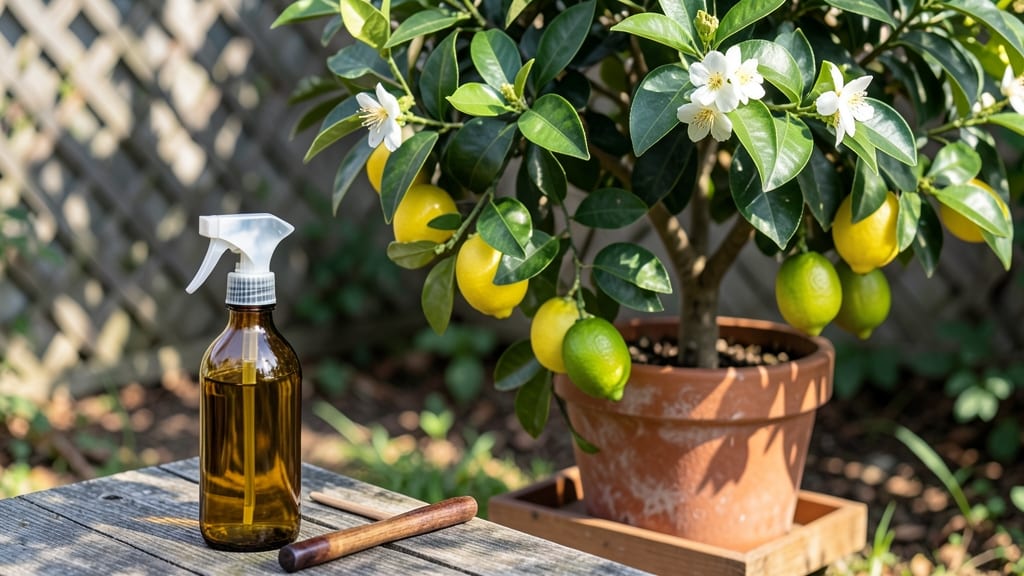
Neem oil for citrus trees isn’t just a remedy—it’s the secret weapon that saved my lemon tree from a scale insect siege last summer. 🌿 The moment I spotted those sticky white spots on the leaves, I knew I needed something stronger than soap spray, and neem oil delivered.
It’s not just about killing pests; it’s about restoring that vibrant green glow to your trees and keeping them healthy for years to come.
The beauty of neem oil lies in its simplicity. You don’t need fancy equipment—just a spray bottle, some water, and a little dish soap to help it stick. Mix it up on a calm day when the sun isn’t blazing, and you’ll see results within a few days.
It’s safe for your plants, won’t harm beneficial insects if used correctly, and works against aphids, scale, and even some fungal issues. My trees went from looking stressed to thriving in just a couple of weeks.
What you’ll end up with is a citrus tree that’s not just pest-free but actively resistant to future invasions. The leaves stay glossy, new growth appears stronger, and you’ll notice fewer pests lingering around.
It’s the kind of transformation that makes you want to reach out and touch the foliage just to believe it’s real. Plus, the scent—earthy and fresh—lingers just long enough to remind you why you fell in love with gardening in the first place.
Works for backyard trees, container citrus, or even those in community gardens. The key is consistency—apply it every two weeks during pest season, and you’ll keep your trees looking their best with minimal effort. Here’s how to make it work for you.
📚 In This Guide
- What you need
- Instructions
- Tips and common mistakes
- Wrapping up and next steps
What you need
- ● Neem oil (100% cold-pressed, organic): 1–2 tablespoons per gallon of water (adjust based on tree size). Look for brands with at least 1% azadirachtin for potency.
- ● Water: 1 gallon (or enough to cover your sprayer’s capacity). Use lukewarm water to help the oil emulsify better.
- ○ Horticultural oil or liquid soap (optional but recommended): ½ teaspoon per gallon of water. Helps the neem oil spread evenly and stick to pests.
- ● Spray bottle or pump sprayer: A 1–3 gallon capacity sprayer with a fine mist nozzle for even coverage. For large trees, a hose-end sprayer (5+ gallons) works best.
- ● Gloves (nitrile or rubber): Protects your hands from irritation and keeps the oil off your skin.
- ○ Face mask (optional): Recommended if you have sensitive skin or allergies to essential oils.
- ● Pruning shears: For trimming heavily infested branches (sterilize with rubbing alcohol first!).
- ● Stirring stick or spoon: To mix the solution thoroughly in your sprayer.
- ● Measuring cups/spoons: For precise neem oil and soap dosages.
- ● Weather check: Apply neem oil on a calm, overcast day or early morning/late afternoon to avoid sunburn on leaves.
- ○ Safety goggles (optional): If spraying near your face or eyes.
Step-by-Step guide for applying neem oil to citrus trees
Here's the foolproof method I use to protect my citrus trees—no harsh chemicals, just natural defense.
🌿 Step 1: Choose the Right Time and Conditions
Apply neem oil when temperatures are between 60-85°F and your citrus tree isn't under stress. Early morning or late afternoon works best—avoid midday heat, which can stress the leaves. I always check the forecast first; if rain is predicted within 24 hours, wait it out. Wet leaves dilute the oil's effectiveness, and you'll need to reapply.
Look for signs of pests first—aphids clustering on new growth or scale insects as white bumps on stems. If you see sticky residue (honeydew) on leaves, that's a sure sign aphids are feeding. Neem oil works best as a preventive measure, but it's also great for early-stage infestations. For severe cases, you might need 2-3 applications spaced 7-10 days apart.
💧 Step 2: Mix and Prepare the Solution
Combine 1 tablespoon of neem oil with 1 teaspoon of mild liquid soap (like Castile soap) in a 1-quart spray bottle. The soap acts as an emulsifier, helping the oil mix with water and stick to leaves. Fill the bottle with warm water—cold water can shock the tree. Shake gently but thoroughly until the mixture looks cloudy, not streaky.
Here's the thing—neem oil is sticky, so I always wear gloves when mixing. If you're treating multiple trees, divide the solution into smaller spray bottles for easier handling. Avoid using metal sprayers, as neem oil can react with metal over time. A plastic or glass sprayer works best. Test the spray pattern on a small leaf first to ensure even coverage.
☀️ Step 3: Apply Evenly to All Leaf Surfaces
Start spraying the undersides of leaves first—that's where aphids and scale insects love to hide. Hold the spray bottle 6-12 inches away from the foliage and apply until the leaves glisten but don't drip. Focus on new growth, buds, and stems, as these are prime pest hotspots. I always work from the bottom of the tree upward to avoid missing any spots.
Shake the bottle every 30 seconds to keep the oil suspended. If you see droplets running off the leaves, you're overdoing it—let the solution dry naturally. Avoid spraying when the tree is flowering, as neem oil can harm pollinators. If you must treat during bloom, apply in the evening when bees are less active. Cover the soil with a tarp if possible, as neem oil can harm beneficial soil organisms.
✂️ Step 4: Monitor and Reapply as Needed
Wait 24 hours before watering the tree again, as neem oil needs time to work. Check for new pest activity after 7 days. If you still see aphids or scale, repeat the application. I’ve found that consistency is key—treating once often leads to a false sense of security. For ongoing protection, apply neem oil every 2-4 weeks during pest season, especially in spring and fall when citrus trees are most vulnerable.
Watch for signs of stress, like yellowing leaves or wilting. If this happens, your tree might be overreacting to the treatment—dilute the neem oil solution next time (use ½ tablespoon oil per quart of water). Healthy citrus trees bounce back quickly, but if problems persist, consider checking for other issues like nutrient deficiencies or fungal diseases.
Tips & tricks for perfect neem oil applications
Real talk: The difference between a healthy citrus tree and one struggling with pests often comes down to these small but crucial details.
Timing is Everything: In Step 1, when you're checking the forecast for that 24-hour window before rain, also consider the moon phase. I've noticed my trees respond best when I apply neem oil during the waxing moon—it seems to help the oil absorb better into the leaves. The ideal 60-85°F range is non-negotiable though, so don't let moon phase override temperature considerations.
Mixing Mastery: For Step 2, here's what nobody tells you—your soap choice matters more than you'd think. While Castile soap works, I've found that a dedicated horticultural oil spray soap creates a finer mist that covers more leaf surface area. If you're using the 1 tablespoon neem oil to 1 teaspoon soap ratio, add the soap to the water first, then slowly drizzle in the oil while shaking continuously. This prevents oil from separating and creates a more stable emulsion.
Application Technique: In Step 3, when you're spraying those undersides, work in concentric circles starting from the trunk outward. This ensures you don't miss any spots where pests might be hiding. I use a simple trick: after spraying, hold a white paper towel under the tree to catch any drips—this helps you see exactly where you've missed coverage. The 6-12 inch distance is perfect, but if your tree is particularly dense, you might need to move closer to 4-6 inches for good penetration.
Monitoring Made Easy: For Step 4's 7-day check, I've created a simple pest tracking system using a white card taped to the tree trunk. Every time I see aphids or scale, I mark it with a pencil. After three marks in one spot, I know it's time for another application. This visual record helps me spot patterns—like when certain pests appear after rain or during specific growth stages.
Pro Tips for Neem Oil For Citrus Trees
- Real talk: The difference between a healthy citrus tree and one struggling with pests often comes down to these small but crucial details.
- Timing is Everything: In Step 1, when you're checking the forecast for that 24-hour window before rain, also consider the moon phase.
- Mixing Mastery: For Step 2, here's what nobody tells you—your soap choice matters more than you'd think.
Frequently asked questions
Got questions about using neem oil on citrus trees? You’re not alone!
Here are answers to the most common concerns—so you can treat your trees with confidence and ease.
How often should I apply neem oil to citrus trees?
For preventive care, apply neem oil every 2–4 weeks during growing seasons (spring and summer). If treating an active infestation, spray every 7–10 days until pests disappear. Always follow up with a rinse after 12 hours to avoid leaf burn.
How long does neem oil take to work on citrus pests?
Neem oil disrupts pests’ life cycles within 24–48 hours, but visible results may take 1–2 weeks. For severe infestations (like scale), repeat applications are key. Patience is crucial! Avoid reapplying sooner than 7 days to prevent plant stress.
Can I use neem oil on citrus fruit that’s almost ripe?
Yes, but with caution. Neem oil is safe for edible fruit once fully ripe, but avoid spraying within 14 days of harvest to prevent bitter tastes. For fruit near picking, opt for neem cake (a byproduct) as a soil drench instead of direct sprays.
What’s a good alternative if my citrus tree reacts badly to neem oil?
If you spot yellowing leaves or leaf drop, dilute the oil further (try 1 tsp per gallon of water) or switch to insecticidal soap or horticultural oil. For organic options, kaolin clay or neem seed extract (less concentrated) can also help repel pests.
Why did my aphids come back after using neem oil?
Pests may return if:
- Reinfestation happened (check nearby plants!).
- Resistance developed (rotate with pyrethrin or spinosad occasionally).
- Missed spots—always spray undersides of leaves and new growth.
Wrapping up and next steps
Neem oil is a powerhouse for keeping your citrus trees healthy and thriving—naturally! 🌿 Whether you're battling aphids, scale, or just want to prevent future pests, this organic solution is easy, effective, and eco-friendly.
With the right application, you’ll protect your trees while avoiding harsh chemicals, ensuring a bountiful harvest for seasons to come.
Ready to take action? Start with a small test spray on one branch, monitor the results, and gradually expand your treatment. Your citrus trees—and future lemons or oranges—will thank you! 🍋✨