
Pruning
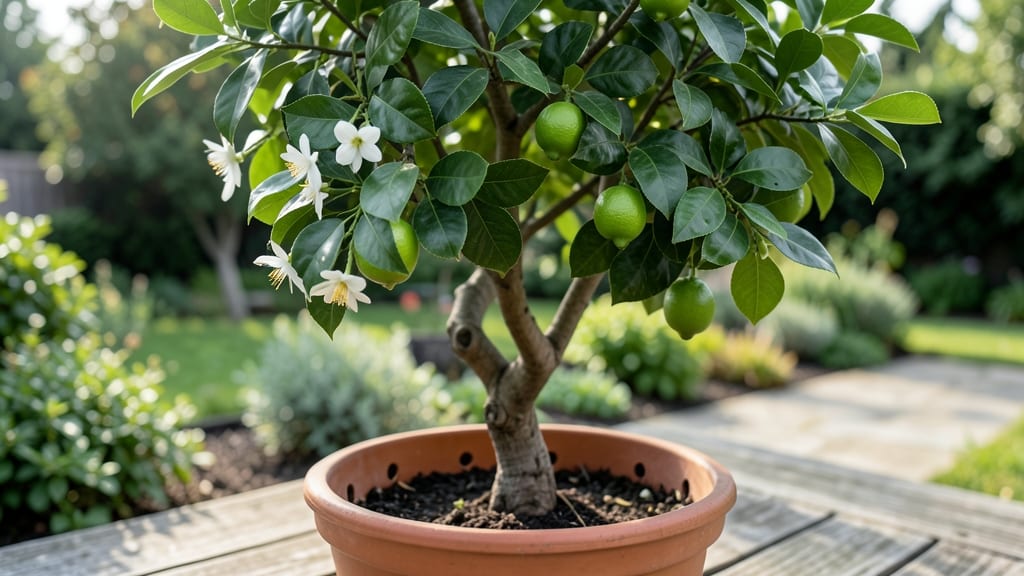
Learn how to take care of lemon tree in pot so you can grow citrus even in small spaces—no backyard required. 🌱 The key is mimicking its Mediterranean roots with bright light, precise watering, and the right container.
I’ve nursed my potted Meyer lemon through three winters, and it’s now bursting with fruit by midsummer.
Your lemon tree needs 6+ hours of direct sunlight daily, well-draining soil, and a pot 2-3 inches larger than its root ball to prevent soggy roots. Overwatering is the #1 killer—stick your finger in the soil first; if it’s dry an inch down, water thoroughly.
Feed it every 4-6 weeks with citrus-specific fertilizer during growing season (spring through fall).
Pruning keeps it compact and productive: trim leggy branches in late winter to encourage bushier growth. With the right care, you’ll harvest tiny, sweet lemons by late summer—perfect for garnishes or homemade preserves. The secret? Consistency: light, water, and a little patience go a long way.
Seasonal shifts matter—bring it indoors if temps drop below 40°F, and reduce watering in winter. Repot every 2-3 years to refresh the soil, and watch your tree thrive year after year. Ready to grow your own sunshine?
📚 In This Guide
- What you need
- Instructions
- Tips and common mistakes
- Wrapping up and next steps
What you need
- ● Pot: A container at least 12–18 inches in diameter (bigger for mature trees) with drainage holes (terracotta or ceramic works great!).
- ● Well-draining potting mix: A blend of 60% cactus/succulent mix + 30% perlite/pumice + 10% compost (avoid heavy garden soil!).
- ● Lemon tree sapling: Choose a dwarf or Meyer lemon variety (they’re perfect for pots!).
- ● Pruning shears: Sharp, sterilized shears (or small hand pruners) for trimming.
- ● Watering can or hose with a gentle nozzle: For deep but controlled watering.
- ● Fertilizer: A balanced citrus fertilizer (6-6-6 or 8-3-9 NPK) or organic options like fish emulsion.
- ○ Mulch (optional but helpful): Orchid bark or straw to retain moisture and regulate temperature.
- ● Grow lights: LED full-spectrum bulbs (12–14 hours/day in low-light spaces).
- ● Humidity tray: A pebble tray with water to boost humidity (lemon trees love it!).
- ● Support stake: For young trees to prevent toppling as they grow.
- ● pH test kit: To monitor soil pH (ideal range: 6.0–7.0).
- ● Citrus-specific pest control: Neem oil or insecticidal soap for aphids/spider mites.
Step-by-step guide to nurturing your potted lemon tree
Here's how I've kept my citrus thriving for years—no green thumb required.
🪴 Step 1: Choose the Right Container and Drainage
Your lemon tree needs a 12-18 inch diameter pot with multiple drainage holes—citrus roots rot quickly in soggy soil. I use unglazed terra cotta because it breathes better than plastic, but if you prefer plastic, just drill extra holes. The pot should be 2-3 inches larger in diameter than the root ball—any bigger and the soil stays too wet.
Line the bottom with 2-3 inches of coarse gravel or pumice to create an air pocket. This prevents the roots from sitting in water while still allowing excess moisture to drain. I always check the holes are clear before planting—clogged drainage is the #1 killer of potted citrus.
☀️ Step 2: Position for Maximum Sunlight and Temperature Control
Lemon trees demand 6-8 hours of direct sunlight daily. Place your pot near a south-facing window or under a grow light if natural light is weak. In winter, supplement with a 14-hour photoperiod—your tree will reward you with blooms and fruit if it gets enough light. I rotate my pot quarter-turn weekly so the tree grows evenly toward the light.
Keep temperatures between 60-85°F—below 50°F damages leaves, and above 90°F stresses the tree. If your home gets drafty, move the pot away from AC vents and heating ducts. A thermometer near the tree helps track conditions—citrus is sensitive to sudden temperature swings.
💧 Step 3: Water Deeply and Strategically
Water when the top 2 inches of soil feel dry—stick your finger in to check. Lemon trees hate soggy roots but also wilting. I use the "soak-and-dry" method: water until it runs out the drainage holes, then wait until the top layer dries before watering again. Overwatering causes root rot, while underwatering leads to dropped leaves and fruit.
Use room-temperature water—cold water shocks the roots. In winter, reduce watering by half since the tree grows slower. I always empty the saucer under the pot 30 minutes after watering to prevent the roots from sitting in standing water. If you see yellow leaves, you're likely overwatering.
✂️ Step 4: Prune and Fertilize for Healthy Growth
Prune in late winter or early spring before new growth starts. Remove dead, crossing, or inward-growing branches with clean, sharp pruners—always sterilize them with rubbing alcohol first. I cut just above a leaf node (the bump where leaves attach) to encourage new growth. Never prune more than 25% of the tree at once—citrus recovers slowly from heavy cuts.
Feed every 4-6 weeks with a balanced citrus fertilizer (look for 10-10-10 or 6-6-6 ratios). In winter, reduce to once every 8-10 weeks since the tree is dormant. I mix fertilizer into the top 2 inches of soil and water deeply afterward to prevent root burn. If leaves turn yellow with green veins, it’s a classic sign of iron deficiency—switch to a chelated iron supplement for a few weeks.
🌿 Step 5: Monitor for Pests and Seasonal Adjustments
Check the undersides of leaves weekly for scale, aphids, or spider mites—citrus is a magnet for pests. Wipe leaves with a soapy water solution (1 tsp mild soap per quart of water) if you spot any. I also spray neem oil preventatively every 2-3 months—it keeps pests away without harming the tree.
In fall, reduce watering and move the tree to a cooler spot (around 55-60°F) to mimic its natural dormancy period. This encourages flowering the following spring. If your tree gets too tall, you can head it back in spring, but never cut into old wood—citrus doesn’t regrow well from mature branches.
Tips & tricks for perfect potted lemon tree care
Citrus care isn't rocket science, but these small details make all the difference between a struggling plant and a thriving lemon producer.
Container Selection Wisdom: The 12-18 inch diameter range isn't arbitrary—it balances root growth with moisture control. Too small restricts roots, too large creates soggy conditions. I've found that terra cotta pots actually help regulate moisture better than plastic, but if you choose plastic, add 2-3 extra drainage holes around the sides. The gravel layer at the bottom isn't just for looks—it creates that crucial air pocket that prevents root suffocation.
Light Management Strategy: Those 6-8 hours of sunlight are non-negotiable, but quality matters more than quantity. If your south-facing window gets harsh afternoon sun, use a sheer curtain to diffuse it—direct rays can scorch leaves. For indoor growers, LED grow lights with full spectrum capabilities work best. The quarter-turn weekly rotation might seem fussy, but it prevents that lopsided growth where the tree leans desperately toward the light source.
Watering Precision: The "soak-and-dry" method takes practice, but here's the secret: your finger should feel dry soil down to 2 inches, not just the surface. I've ruined three lemon trees by guessing—always check with your finger before watering. That 30-minute saucer emptying rule is crucial too; standing water creates anaerobic conditions that kill roots. In winter, I reduce watering by half and only water when the top inch feels completely dry.
Seasonal Transition Tips: Fall's temperature drop below 60°F signals dormancy time. Move your tree to a cooler spot (55-60°F) and reduce watering immediately—this mimics natural conditions and primes the tree for spring blooming. The iron deficiency fix works wonders: chelated iron supplements are available at garden centers and can restore that vibrant green color in just 2-3 weeks. Just remember to apply them to moist soil for best absorption.
Pro Tips for Take Care Of Lemon Tree In Pot
- Citrus care isn't rocket science, but these small details make all the difference between a struggling plant and a thriving lemon producer.
- Container Selection Wisdom: The 12-18 inch diameter range isn't arbitrary—it balances root growth with moisture control.
- Light Management Strategy: Those 6-8 hours of sunlight are non-negotiable, but quality matters more than quantity.
Frequently asked questions
How often should I water my lemon tree in a pot?
Water your lemon tree when the top 1–2 inches of soil feel dry—usually every 5–7 days in summer or every 10–14 days in winter. Potted trees dry out faster than in-ground ones, so check soil moisture regularly. Overwatering is worse than underwatering!
Can a potted lemon tree survive winter outdoors?
Lemon trees are tropical and need protection from frost. If temperatures drop below 30°F (-1°C), move your pot indoors or wrap it in frost cloth. In mild climates (Zone 9+), place it in a sheltered spot and mulch the pot to retain warmth. Never let roots freeze!
Why aren’t my lemon tree’s leaves turning yellow?
Yellow leaves often signal overwatering, nutrient deficiency, or root rot. Check the soil—if soggy, reduce watering. Feed with citrus-specific fertilizer every 2–3 months. Brown edges? Could be underwatering or salt buildup (flush soil with water).
How big should the pot be for a lemon tree?
Start with a 5–7 gallon pot for young trees, then upgrade to 10+ gallons as it grows. Lemon trees need room for roots—crowded pots stunt growth and fruit production. Use drainage holes and repot every 2–3 years or when roots circle the pot. Bigger pot = happier tree!
What pests should I watch for on my potted lemon tree?
Common pests include spider mites, scale insects, and aphids. Inspect leaves regularly—look for sticky residue (honeydew) or tiny webs. Treat with neem oil or insecticidal soap. Act fast! Early intervention prevents infestations.
Wrapping up and next steps
Caring for a lemon tree in a pot is totally doable—just remember: sunlight, water, and a little TLC are your best friends! 🌿 With the right soil, pruning, and seasonal adjustments, your citrus buddy will reward you with fragrant blooms and juicy lemons for years.
Now that you’re armed with the know-how, why not harvest your first lemon this season?
Ready to take the next step? Grab your pruning shears and start shaping that tree! 🌱 Or, if you’re new to citrus care, bookmark this guide and revisit it as you grow your green thumb. Happy gardening!