
Pruning
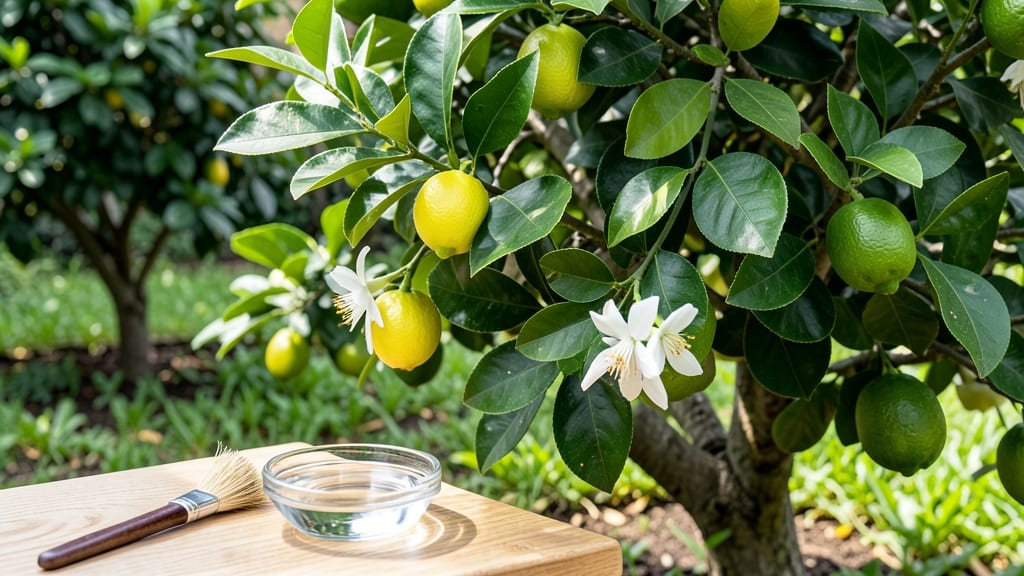
Indoor lemon trees refuse to fruit because they lack natural pollinators—until you step in. 🌿 With just a small paintbrush and a few minutes each morning, you can hand-pollinate your tree and trigger a harvest of sweet, homegrown lemons.
The secret lies in timing: brush those delicate stamens when flowers first open, and watch as tiny fruits begin forming within weeks.
This method works for any dwarf Meyer lemon or Eureka variety kept indoors. You’ll need a soft-bristled brush (or cotton swab), a steady hand, and patience—especially if your home’s dry air struggles to support pollen viability.
Most indoor growers skip this step, which explains why their trees bloom but never bear fruit. The brush method mimics bees by transferring pollen between flowers, ensuring fertilization happens even without wind or insects.
Expect to see fruit set within 2-3 weeks of consistent pollination, though some varieties take longer. The first harvest might be small, but each lemon you pick will taste richer than store-bought—bursting with the bright, tangy flavor of a tree grown with care.
Humidity trays or a nearby pebble tray can boost success rates, especially in dry climates.
Cross-pollination isn’t required for self-fruitful varieties like Meyer lemons, but brushing multiple flowers increases your chances. If your tree still resists fruiting after several weeks, check for pests or nutrient deficiencies—sometimes the real block isn’t pollen at all. With this method, you’ll turn those pretty blooms into a bountiful harvest.
📚 In This Guide
- What you need
- Instructions
- Tips and common mistakes
- Wrapping up and next steps
What you need
- ● Soft-bristle paintbrush (size 0 or 1, synthetic or natural bristles—avoid stiff bristles)
- ● Fine mist spray bottle (8–16 oz, filled with room-temperature water)
- ● Lemon tree in bloom (ensure flowers are fully open but not wilted)
- ○ Small handheld mirror (optional but helpful for reaching tricky spots)
- ● Small paintbrush or cotton swab (for stubborn pollen transfer)
- ● Magnifying glass (to check for pollen on anthers)
- ● Honey or sugar water solution (1 tsp honey per cup of water—boosts pollen viability)
- ● Notebook & pen (to track pollination dates and fruit development)
- ● Indoor lemon tree with healthy, open flowers (no signs of pests or disease)
- ● Access to natural light (bright, indirect sunlight for 6+ hours/day)
- ● Patience! Pollination may take 2–4 weeks before fruit appears.
Step-by-step guide to hand-pollinating your indoor lemon tree
Here's how I get my citrus trees to set fruit reliably—no bees needed, just a soft touch.
🌿 Step 1: Identify Flowers Ready for Pollination
Wait until your lemon tree's flowers are fully open with bright white petals and a sweet fragrance. These blooms typically last just 2-3 days before wilting, so timing matters. I look for flowers with fully extended stamens—those fuzzy yellow pollen sacs at the center. Gently tap a few blooms—if yellow pollen dusts your finger, they're ready.
Here's the thing—only pollinate flowers that open on the same day or within 12 hours of each other. Cross-pollination between older and newer blooms reduces fruit set. I usually work in the morning when flowers are freshest and humidity is lower, which helps pollen stick better.
💧 Step 2: Prepare Your Pollination Tools
You'll need a soft-bristle paintbrush (size 0 or 2) or a cotton swab—nothing too stiff that could damage delicate petals. I keep a small bowl of lukewarm water nearby to dampen the brush occasionally. The slight moisture helps pollen adhere better without smashing flower structures.
Never use your fingers for this step. Lemon tree pollen is sticky but can carry bacteria that might infect open wounds on the flowers. I also avoid synthetic brushes—they sometimes leave microplastic residue that can harm pollen viability. Stick with natural bristles or cotton.
✂️ Step 3: Gently Transfer Pollen Between Flowers
Start with one flower and gently brush the stamens in circular motions for 3-5 seconds to release pollen. You'll see a fine yellow dust accumulate on the brush bristles—that's your cue it's working. Then, move to another flower and brush the stigma (the tiny green knob at the center) in the same motion.
Work systematically through clusters of 3-5 flowers before moving to the next group. This mimics how bees naturally move between blooms. I pollinate every other flower in a cluster first, then return to the skipped ones the next day. This staggered approach increases fruit set because it prevents overloading individual branches with too many developing fruits at once.
☀️ Step 4: Support Post-Pollination Conditions
After pollination, keep your lemon tree in bright, indirect light (east or west window) for 7-10 days. Direct sunlight can stress newly fertilized flowers. I also maintain 50-60% humidity around the tree by placing the pot on a tray of pebbles with water underneath. This prevents flower drop from dry air.
Water lightly at the base every 3-4 days, keeping the soil slightly moist but never soggy. Overwatering now can cause flowers to abort. Within 2-3 weeks, you should see small green swellings where fruits will form. If they drop before reaching ½ inch, it means either the pollination failed or environmental conditions weren't ideal.
⏰ Step 5: Monitor and Repeat for Best Results
Check your tree weekly for new blooms. Lemon trees often flower multiple times per year, and each flush needs fresh pollination. I keep my paintbrush dedicated to this task—washing it between trees prevents cross-contamination if you have multiple citrus varieties.
Real talk: You might need to pollinate 50-100 flowers to get just 5-10 fruits to maturity. That's normal—citrus trees are finicky about setting fruit. But when those lemons finally appear? It's worth every gentle brush stroke. Keep a pollination log to track which methods work best for your specific tree.
Tips & tricks for perfect indoor lemon tree pollination
Want to turn those pretty blooms into sweet lemons? These simple tricks will help you maximize your tree's fruit set.
Timing is Everything: The 2-3 day window for fully open flowers is tight, so work efficiently. I set a timer for 30 minutes when I start pollinating—this keeps me focused and prevents rushing. Remember, the 12-hour rule between flowers is crucial for successful pollination. If you're working with multiple clusters, start with the freshest blooms first and move systematically.
Brush Technique Matters: Those 3-5 seconds of brushing the stamens might seem quick, but it's the perfect amount of time to release pollen without damaging the flower. I've found that using a gentle, back-and-forth motion rather than circular helps prevent pollen from sticking to the brush bristles too aggressively. For stubborn pollen, lightly tap the brush against the stigma rather than pressing down.
Environmental Support: The 7-10 days after pollination are critical for fruit development. I've noticed that maintaining that 50-60% humidity is even more important in dry indoor environments. A simple pebble tray with water beneath the pot creates the perfect microclimate. If your home runs dry, consider adding a small humidifier nearby for those first few weeks after pollination.
Monitoring Progress: That weekly check for new blooms is your chance to catch the next pollination window. I keep a small notebook by my lemon tree and mark each bloom cluster with the date it opens. This helps me track which pollination attempts were successful. When you see those tiny green swellings after 2-3 weeks, you'll know your efforts are paying off!
Pro Tips for Pollinate An Indoor Lemon Tree
- Want to turn those pretty blooms into sweet lemons? These simple tricks will help you maximize your tree's fruit set.
- Timing is Everything: The 2-3 day window for fully open flowers is tight, so work efficiently. I set a timer for 30 m...
- Brush Technique Matters: Those 3-5 seconds of brushing the stamens might seem quick, but it's the perfect amount of t...
Frequently asked questions
Got questions about pollinating your indoor lemon tree? You’re not alone! Here are some of the most common concerns—and straightforward answers—to help you grow those sweet, juicy lemons with confidence.
Why won’t my indoor lemon tree produce fruit?
Even with proper care, indoor lemon trees often struggle to fruit because they lack natural pollinators. Without manual intervention, flowers may drop before pollination occurs. Solution: Try brushing flowers with a soft paintbrush or cotton swab 2–3 times daily during bloom. If humidity is low (<40%), mist leaves or use a humidifier to encourage fruit set.
When is the best time to pollinate my lemon tree?
Pollinate in the morning when flowers are fully open and dew is present—this mimics nature’s ideal conditions. Avoid midday heat, which can stress delicate blooms. Repeat every 2–3 hours for 3–5 days during peak flowering (usually spring/summer). Pro tip: If flowers fall off quickly, they may not be pollinated yet—keep trying!
Can I use bees or other pollinators indoors?
No—indoor bees are unsafe (they can sting or escape) and illegal in many areas. Stick to manual methods like a soft paintbrush, cotton swab, or even a gentle puff of breath (if you’re near the flowers). For larger trees, a small handheld fan on low speed can work too. Just avoid disturbing the flowers roughly!
How do I know if pollination worked?
Success! Look for tiny green fruits (about the size of a pea) forming 4–6 weeks after pollination. If flowers drop without fruiting, try adjusting your method—sometimes flowers need multiple pollination attempts per day. Low humidity or poor airflow can also hinder fruit set, so check your tree’s environment.
What should I do if my lemon tree keeps dropping flowers?
Flower drop is common but can signal stress. Check these fixes:
- Watering: Keep soil consistently moist (not soggy) but avoid overwatering.
- Light: Ensure 6+ hours of bright, indirect light daily (south-facing windows or grow lights help).
- Nutrients: Fertilize lightly with citrus-specific food (low nitrogen, high potassium/phosphorus) during blooming.
- Temperature: Keep it above 60°F (15°C)—cold drafts shock flowers.
Wrapping up and next steps
Pollinating your indoor lemon tree is a simple yet rewarding task that brings you one step closer to homegrown, juicy lemons! With just a soft brush and a little patience, you can mimic nature’s magic and encourage fruit production.
Don’t let small challenges discourage you—every gardener starts somewhere, and your efforts will soon pay off with fragrant blossoms and sweet citrus.
Ready to take the next step? Once your tree is pollinated, monitor its progress—water consistently, provide bright light, and keep an eye out for those tiny lemons forming! 🌱✨