
Blooming
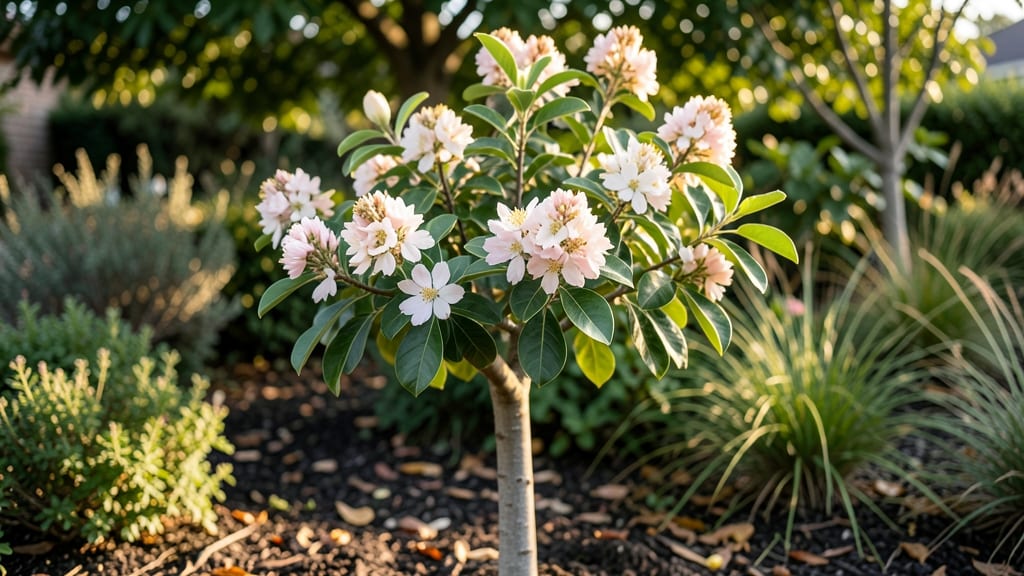
A quince tree in bloom transforms your garden into a fragrant spring paradise, where delicate white flowers perfume the air with a honeyed sweetness that lingers long after the petals fall. 🌸 I still remember the first time I walked past one in full bloom—its intoxicating scent stopped me in my tracks, and I knew it would become the centerpiece of my garden design.
Unlike many spring bloomers, quince offers more than just fleeting beauty; its glossy, aromatic leaves and striking orange fruit in autumn make it a year-round star.
The timing of its bloom is pure magic—typically appearing in late spring, just as other flowers are winding down, quince steps in with its showstopping display. Its compact, rounded shape makes it perfect for focal points, mixed borders, or even as a standalone specimen where its fragrance can truly shine.
Pair it with roses, lavender, or early-blooming bulbs to create a sensory-rich garden that evolves with the seasons.
What makes quince truly special is how effortlessly it elevates any garden design. Its fragrant blossoms attract pollinators, while its dense foliage provides structure and privacy. Even in winter, its evergreen-like leaves add texture, ensuring your garden never feels bare.
For maximum impact, plant it where you can enjoy its scent up close—a patio edge, near a seating area, or as a dramatic backdrop for perennials.
Once you experience a quince tree in bloom, you’ll understand why gardeners adore it. It’s not just about the flowers—it’s about the year-round charm, the intoxicating fragrance, and how it ties your garden together season after season. Ready to make it the heart of your landscape?
📚 In This Guide
- What you need
- Instructions
- Tips and common mistakes
- Wrapping up and next steps
What you need
- ● Quince tree sapling: Choose a disease-resistant variety like Cydonia oblonga (bare-root or potted, 1–3 years old).
- ● Well-draining soil: Mix 1 part native soil with 1 part compost and 1 part coarse sand (for sandy soils, add perlite).
- ● Organic mulch: 3–4 inches of wood chips, straw, or pine needles (keeps roots cool and moist).
- ● Slow-release fertilizer: 10-10-10 NPK ratio (1–2 lbs per tree, applied in early spring).
- ● Drip irrigation or soaker hose: 1/4-inch tubing with emitters (for consistent moisture).
- ● Shovel or trowel: For digging 18–24-inch-wide planting holes.
- ● Pruning shears: Bypass-type, sharp and sterilized (for shaping and deadwood removal).
- ● Garden gloves: Heavy-duty, nitrile-coated (protection against thorns and soil-borne pathogens).
- ● Stake and ties: 4–6 ft wooden stake + soft fabric ties (for young trees in windy areas).
- ○ pH testing kit: Optional but helpful—aim for 6.0–7.0 pH (quince trees thrive in slightly acidic to neutral soil).
- ● Tree guard: 18-inch diameter metal or plastic collar (protects trunk from rodents/deer).
- ● Mycorrhizal fungi: Inoculate roots at planting for 20% faster establishment.
- ● Fragrance-friendly companions: Plant rosemary, lavender, or jasmine nearby to amplify the bloom’s scent!
- ● Seasonal pruning saw: 7-inch curved blade (for larger branches post-bloom).
Step-by-step guide to cultivating a fragrant quince tree
Here's how to nurture a stunning, long-lived tree that rewards you with blossoms, fruit, and seasonal interest.
🌱 Step 1: Select the Perfect Planting Spot
Quince trees thrive in full sun—at least 6-8 hours daily—where they'll develop their signature fragrant blooms. I always look for a location with well-draining soil and shelter from strong winds, which can damage delicate blossoms. The tree's mature size (typically 15-20 feet tall) should guide your spacing—plant it 20-25 feet from structures to avoid root competition.
Here's the thing—quince trees are surprisingly adaptable. While they prefer slightly acidic to neutral soil (pH 6.0-7.5), they'll tolerate mild alkalinity if amended with compost. I test soil pH before planting to avoid surprises later. Dig a hole twice as wide as the root ball but only as deep—planting too deep can suffocate roots.
☀️ Step 2: Plant with Proper Technique for Strong Growth
Remove the tree from its container and gently loosen any circling roots. Place it in the hole so the top of the root ball sits 1-2 inches above ground level—this prevents water from pooling around the trunk. Backfill with native soil mixed with 2-3 inches of compost to improve fertility without overwhelming the tree.
Water deeply right after planting to eliminate air pockets, then spread 3-4 inches of mulch (like wood chips) around the base, keeping it 3 inches away from the trunk. This protects roots from temperature swings and conserves moisture. I always water again after mulching to help settle everything in place.
💧 Step 3: Water and Fertilize for Optimal Blooms
Quince trees are drought-tolerant once established, but newly planted trees need consistent moisture—water deeply once a week during the first growing season. You'll know it's enough when water reaches 12-18 inches deep. Overwatering is worse than underwatering; let the soil dry slightly between waterings to prevent root rot.
In early spring, apply a balanced 10-10-10 fertilizer (about 1/4 pound per inch of trunk diameter) to encourage blooms. I use a slow-release formula to avoid fertilizer burn. After the first year, reduce fertilizing to once every 2-3 years—quince trees are light feeders and prefer natural soil fertility over heavy amendments.
✂️ Step 4: Prune for Health and Abundant Flowers
The best time to prune is late winter or early spring, before buds swell. Remove dead, diseased, or crossing branches first—these compete with healthy growth. Thin out overcrowded branches to improve airflow, which reduces fungal diseases that can spoil blossoms. I aim to open the center of the tree so light reaches all branches.
For established trees, limit pruning to no more than 25% of the canopy in a single year. Quince trees bloom on old wood, so avoid heavy pruning after flowering. A light pruning in summer after blooming helps shape the tree without sacrificing next year's flowers.
🌿 Step 5: Enjoy Year-Round Interest and Harvest Fruit
Quince trees reward patience with spring blossoms, summer foliage, and autumn fruit. The fragrant white or pink flowers appear in late spring, often before leaves fully emerge. I always admire them from a distance—their perfume is intoxicating up close! After blooming, the tree produces hard, yellow-green fruit that ripens in late summer to fall.
Harvest quince when it yields slightly to gentle pressure—it won't soften like other fruits. The fruit isn't edible raw but makes excellent jelly, jam, or marmalade when cooked. Leave some fruit on the tree for birds, which help with pollination. In winter, the tree's exfoliating bark adds textural interest to the landscape.
Tips & tricks for perfect quince tree cultivation
Real talk: A fragrant quince tree isn't just about planting—it's about creating the perfect environment for those signature blossoms to thrive. Here's what I've learned from years of growing these stunning trees.
Sunlight Strategy: While the instructions mention 6-8 hours of full sun, I've found that quince trees actually benefit from morning sun and afternoon shade in hotter climates. If your area gets intense afternoon sun, consider planting near a structure that provides natural shade during those peak hours. This prevents leaf scorch while still giving them enough light for those fragrant blooms.
Soil Testing Tip: That pH range of 6.0-7.5 is ideal, but I always test my soil first—it's the difference between a thriving tree and one that struggles. You can buy a simple soil test kit from any garden center for under $10. If your soil is too alkaline, work in some peat moss or sulfur to adjust it gradually over time. The goal is to mimic the natural conditions these trees prefer in their Mediterranean homeland.
Root Ball Technique: When planting, I make sure to remove the tree from its container and gently tease apart any circling roots. This prevents girdling as the tree matures. After placing it in the hole, I always do a quick "shake test"—gently shake the tree to ensure it's stable without being forced into the ground. This helps prevent wind rock later on.
Mulching Magic: That 3-4 inches of mulch isn't just for looks—it's a game-changer for moisture retention and temperature regulation. I use wood chips because they break down slowly, adding organic matter to the soil over time. Just remember to keep it 3 inches away from the trunk to prevent rot. In winter, I add an extra 2 inches of mulch to protect roots from freezing temperatures.
Pro Tips for Quince Tree In Bloom
- Real talk: A fragrant quince tree isn't just about planting—it's about creating the perfect environment for those sig...
- Sunlight Strategy: While the instructions mention 6-8 hours of full sun, I've found that quince trees actually benefi...
- Soil Testing Tip: That pH range of 6.0-7.5 is ideal, but I always test my soil first—it's the difference between a th...
Frequently asked questions
Got questions about quince trees in bloom?
You’re not alone! Here are answers to the most common queries—from timing to care tips—to help you make the most of this fragrant, versatile tree.
When do quince trees bloom, and how long does it last?
Quince trees typically bloom in early to mid-spring (March–April in most U.S. zones), just before or with apple blossoms. Their pink or white flowers last 1–2 weeks, but the show is worth it—they’re highly fragrant and attract pollinators! Timing can vary by climate; colder regions may see later blooms.
Can I eat the fruit from a flowering quince tree?
Yes, but with a caveat! While the flowers are ornamental, the fruit (called quince) is edible—though it’s tart and astringent raw. It’s best cooked into jams, jellies, or desserts. Warning: Some varieties (like Chaenomeles) have thorns and are primarily grown for flowers/fruit, while Cydonia quince trees focus on fruit production.
How do I care for a quince tree after it blooms?
Post-bloom care is simple! Prune dead or crossing branches in late winter/early spring (before buds swell). Fertilize lightly in early spring with citrus-friendly fertilizer (quince trees prefer well-draining soil). Water deeply but infrequently—they’re drought-tolerant once established. Pro tip: Mulch around the base to retain moisture and suppress weeds.
Why isn’t my quince tree blooming?
Common culprits include:
- Young age: Trees under 3–5 years may not bloom yet.
- Poor sunlight: Quince trees need full sun (6+ hours/day).
- Over-fertilizing: Too much nitrogen = leafy growth, fewer flowers.
- Cold damage: Late frosts can kill buds. Plant in a protected microclimate if your area has harsh springs.
Try light pruning to improve airflow or move the tree if shade is the issue.
Are there quince tree alternatives with similar blooms?
If you love quince flowers but want variety, consider:
- Japanese quince (Chaenomeles): Thorny, cold-hardy, and longer-blooming (spring + occasional fall flowers).
- Crabapple (Malus): Showy blooms + edible (but tart) fruit.
- Hawthorn (Crataegus): White/pink flowers, wildlife-friendly, and drought-tolerant.
All three offer fragrance and seasonal interest, but quince’s unique shape and fruit set it apart!
Wrapping up and next steps
Witnessing a quince tree in bloom is like stepping into a fragrant, golden dream—where delicate blossoms and year-round charm create magic in your garden. 🌸 Whether you’re drawn to its stunning spring display or its practical uses, this versatile tree offers beauty, fragrance, and even culinary delights.
Ready to bring this spectacle to life?
Your next step? Plant one today! Research your climate zone, gather supplies, and start nurturing your own fragrant haven. With patience and care, you’ll soon be surrounded by the intoxicating scent of quince blossoms—a scent that turns every season into a celebration.