
Propagation
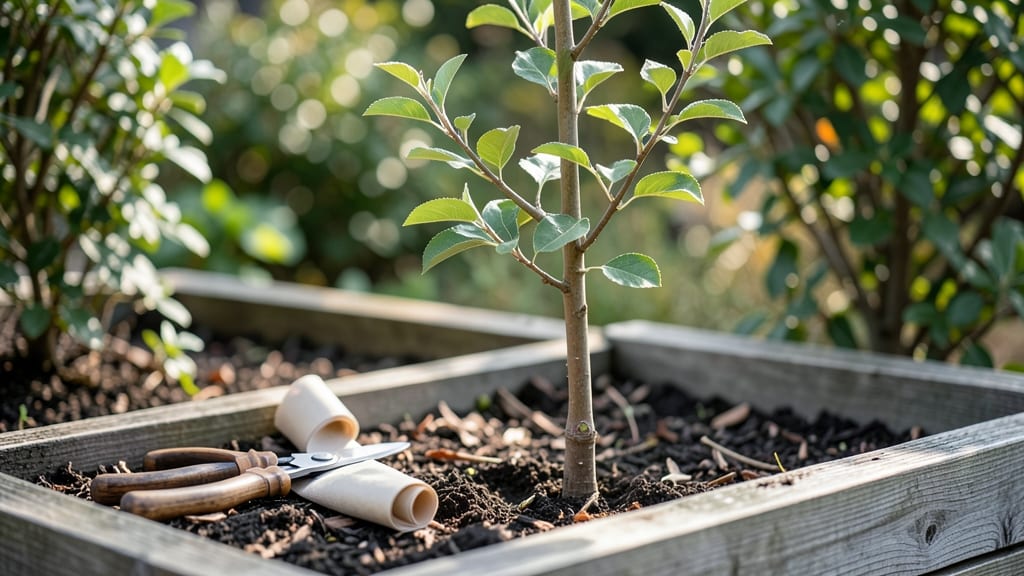
Stopping a tree trunk from growing isn’t about stunting its life—it’s about guiding its shape while keeping it healthy. ✂️ I’ve wrestled with overgrown trees in my backyard, and the right pruning techniques can redirect growth without harming the tree.
The key is timing, precision cuts, and understanding how trees respond to stress.
Most people reach for the saw too soon, but the real solution starts with selective pruning in late winter or early spring. By removing specific branches strategically, you encourage the tree to focus energy on lateral growth instead of vertical stretching.
For stubborn trunks, root barriers can also help redirect root expansion—though this works best for younger trees.
You’ll notice the difference within a growing season: thicker branches, a fuller canopy, and a trunk that grows at a more manageable rate. The tree stays strong, and your yard keeps its balance. Just avoid heavy pruning in summer, or you’ll trigger excessive new growth that defeats the purpose.
Works for fruit trees, ornamental varieties, and even overgrown shade trees—just adjust the approach based on the species. Let’s get those branches under control without sacrificing the tree’s health.
📚 In This Guide
- What you need
- Instructions
- Tips and common mistakes
- Wrapping up and next steps
What you need
- ● Pruning shears or lopers – Choose bypass pruners (for clean cuts on small branches) or lopers (for thicker branches up to 1.5 inches in diameter). Sharpen them beforehand!
- ● Hand pruners – A high-quality bypass pruner (e.g., Felco or Corona) for precision cuts on branches under 0.5 inches.
- ● Pole saw or pruning saw – For branches higher than 6 feet; opt for a curved blade for smoother cuts.
- ● Rubbing alcohol (70% or higher) – 1 small bottle (4 oz) to sterilize tools between cuts and prevent disease spread.
- ○ Pruning sealant (optional but recommended) – A small tube of tree wound sealant (like Tanglefoot Tree Wound Pruning Seal) to protect large cuts.
- ● Work gloves – A pair of cut-resistant gloves (e.g., Mechanix or Filon) to protect your hands from thorns and rough bark.
- ● Ladder or extension pole – A sturdy foldable ladder (rated for your height) or a pruning pole (10–12 feet) for hard-to-reach branches.
- ● Heavy-duty trash bags – 2–3 bags (13-gallon size) to collect pruned branches and debris.
- ● Tree growth regulator – A hormone-based spray (like Apogee or Bonzi) to slow vertical growth (follow label instructions carefully!).
- ● Safety goggles – To shield your eyes from debris, especially when using a saw.
- ● Knee pads – For comfort if you’re working on the ground for extended periods.
- ● Disposable pruning bags – Attachable mesh bags for branches to keep your workspace tidy.
Step-by-Step guide to pruning for compact tree growth
Here's how to slow trunk thickening and encourage a more controlled, ornamental shape.
🌿 Step 1: Identify the Right Time to Prune
Late winter or early spring—just before new growth begins—is ideal. This timing lets you see the tree's structure clearly while avoiding stressing it during active growth periods. You'll know it's the right moment when buds begin swelling but haven't yet burst open. Pruning at this stage ensures cleaner cuts and minimizes disease risk.
For fruit trees, wait until after harvest but before dormancy. Evergreens can be pruned anytime except during extreme cold or heat. The key is to avoid heavy pruning during periods of stress, like drought or extreme temperature swings. I always check the local frost dates to plan accordingly—pruning too early can expose tender new growth to late frosts.
✂️ Step 2: Use Proper Pruning Techniques
Start by removing any dead, diseased, or crossing branches first. These compete with the trunk for energy and can cause weak growth. Use clean, sharp pruning shears or a saw for larger branches. Make cuts just outside the branch collar—the swollen area where the branch meets the trunk—to promote faster healing.
For trunk reduction, focus on selective branch removal rather than topping. Topping—cutting the trunk itself—creates weak, water-sprout growth that's prone to disease. Instead, remove larger branches that contribute to trunk thickening. Aim to reduce the tree's overall canopy by no more than 25% in one season to avoid shocking it. You'll see the difference in growth patterns within a year.
☀️ Step 3: Train New Growth Directionally
After pruning, guide the remaining branches to grow outward rather than upward. Use soft ties or spreaders to gently bend young branches into a more horizontal position. This encourages the tree to allocate energy toward lateral growth instead of vertical thickening. I like to use cotton ties or plastic tree ties—never wire, as it can damage the bark over time.
For young trees, install a central leader if you want a single-trunk appearance. Remove competing leaders early to establish a strong, straight trunk. If the tree already has multiple trunks, you can still slow growth by pruning the strongest leaders back by one-third each year. The goal is to create a balanced structure where no single branch dominates the others.
🌱 Step 4: Maintain Through the Growing Season
Monitor the tree closely after pruning. Remove any water sprouts—fast-growing, vertical shoots that appear along the trunk or branches. These compete with the tree's energy and can thicken the trunk faster. Pinch them off when they're still small, ideally within 2-3 inches of the trunk.
Thin out the foliage slightly if the tree becomes too dense. Dense canopies slow air circulation and increase humidity, which can lead to fungal issues. Aim for an open, airy structure that lets light penetrate to the lower branches. You'll notice a difference in the tree's overall health and growth pattern within 6-12 months of consistent maintenance.
⏰ Step 5: Annual Adjustments for Long-Term Control
Plan to prune annually to maintain the tree's shape and slow trunk growth. Each year, reassess the tree's structure and adjust your cuts accordingly. Focus on removing branches that are growing too vertically or thickening the trunk. Over time, this method will create a more compact, ornamental tree with a slower-growing trunk.
For faster results, combine pruning with root pruning—trimming the outer roots to reduce the tree's overall vigor. This is best done in early spring before new growth begins. Use a sharp spade to cut roots that are growing outward from the trunk, but avoid damaging the main root system. You'll see a noticeable reduction in trunk thickening within 2-3 years of consistent care.
Tips & tricks for pruning trees to control trunk growth
Real talk: The secret to compact tree growth lies in strategic pruning—it's not just about cutting branches, it's about redirecting energy. Here's what nobody tells you about shaping trees for ornamental beauty.
Timing is Everything: Late winter or early spring is non-negotiable for deciduous trees. That's when buds swell but haven't burst open—this window gives you perfect visibility of the tree's structure while avoiding stress during active growth. For evergreens, avoid pruning during extreme cold or heat, as these conditions slow healing. I've learned this the hard way after seeing trees develop fungal infections from cuts made during heatwaves.
Branch Collar Matters: When removing branches in Step 2, never cut flush with the trunk—always make your cut just outside the branch collar. This swollen area contains healing tissues that protect the tree from disease. I've seen too many pruning jobs go wrong because people ignored this detail, leading to slow-healing wounds that become entry points for infections. Use clean, sharp tools to make precise cuts that seal quickly.
Growth Direction Strategy: After pruning, don't just leave branches to grow naturally—actively guide them outward using soft ties. This simple technique redirects the tree's energy from vertical growth to lateral expansion. I use cotton ties for young trees because they're gentle on bark and easy to remove later. The key is to bend branches when they're still flexible—once they harden, you can't change their direction without causing damage.
Water Sprout Prevention: Those fast-growing vertical shoots along the trunk (water sprouts) are trunk growth's worst enemy. Remove them when they're still small—within 2-3 inches of the trunk—and you'll see a dramatic difference in trunk thickening. I check my trees every 4-6 weeks during growing season and pinch these sprouts as soon as they appear. The earlier you catch them, the less impact they'll have on your tree's structure.
Pro Tips for Stop A Tree Trunk From Growing
- Real talk: The secret to compact tree growth lies in strategic pruning—it's not just about cutting branches, it's about redirecting energy.
- Timing is Everything: Late winter or early spring is non-negotiable for deciduous trees.
- Branch Collar Matters: When removing branches in Step 2, never cut flush with the trunk—always make your cut just outside the branch collar.
Frequently asked questions
Got questions about stopping a tree trunk from growing?
You’re not alone! Here are some of the most common concerns—and straightforward answers—to help you navigate this process like a pro.
Can I permanently stop a tree trunk from growing taller?
Not completely, but you can significantly slow it down! Trees grow based on genetics, sunlight, and nutrients. Pruning the top growth (apical bud) redirects energy to lateral branches, but the trunk will still thicken over time. For compact trees, focus on regular pruning and proper care.
How long does it take to see results after pruning?
Results vary by tree type, but you’ll often notice a difference within a few weeks to months. Fast-growing trees (like willows or poplars) may show changes sooner, while slower varieties (like oaks) take longer. Consistency is key—prune at the right time (late winter/early spring) for best results.
Will cutting the trunk too much harm the tree?
Yes! Over-pruning can stress the tree, making it vulnerable to disease or pests. Never remove more than 25% of the canopy in one session. For trunk growth control, focus on selective pruning of upward shoots and avoid cutting into old wood. When in doubt, trim just enough to shape, not stump.
Are there chemical methods to stop trunk growth?
While growth regulators (like auxin-based sprays) can slow elongation, they’re not a magic fix and may have unintended side effects. For most trees, mechanical pruning + proper care is safer and more reliable. If you’re dealing with invasive species, consult a local arborist for targeted solutions.
What’s the best way to keep a tree small in a small yard?
Combine pruning techniques with the right tree choice! Opt for dwarf varieties (like Japanese maples or columnar fruit trees) or regularly prune mature trees to maintain height. Root pruning (trimming roots in a trench) can also limit upward growth. Pair this with balanced fertilization to encourage bushier, not taller, growth.
Still unsure? Drop your specific tree type in the comments—we’re happy to help tailor advice!
Wrapping up and next steps
Stopping a tree trunk from growing doesn’t mean sacrificing its beauty—it’s all about smart pruning and patience! 🌿 By mastering techniques like crown thinning, heading cuts, and root restriction, you can guide your tree toward a more compact, manageable shape while keeping it healthy.
Remember, consistency is key, so stay committed to regular maintenance and observe your tree’s response over time.
Ready to take action? Start by assessing your tree’s needs and picking the right method for your goals. Whether you’re shaping a bonsai or just tidying up your yard, every small step makes a big difference. Happy pruning! 🌱