
Pruning
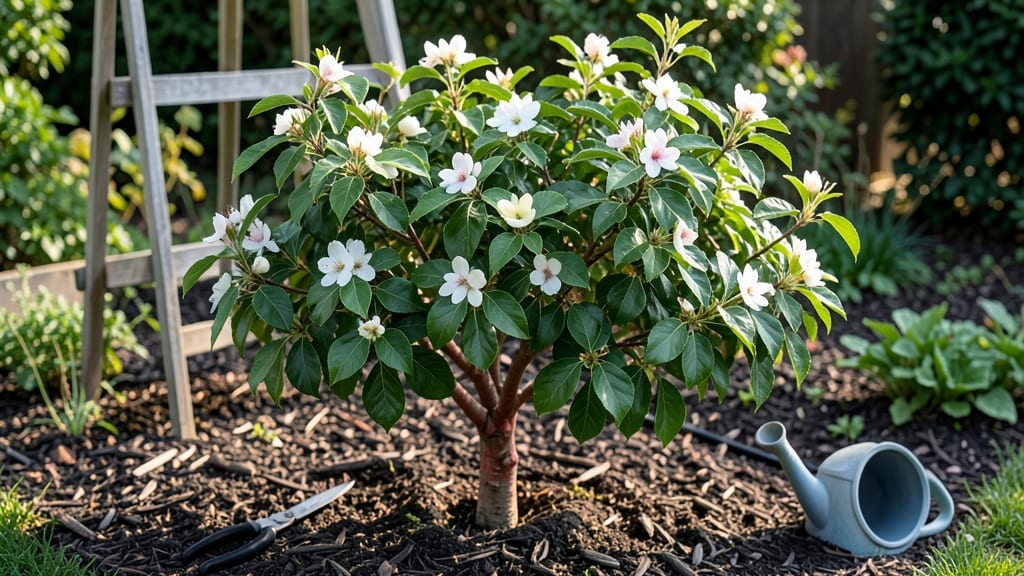
A dwarf white peach tree in your backyard means sweet, juicy fruit without the space of a full-size tree. I planted mine last spring, and the first harvest last summer proved it was worth every late-night pruning session.
The key isn’t just when to cut—it’s how to shape the tree so it produces fruit every season, not just once every few years.
Most gardeners prune once in late winter, but white peaches thrive with three pruning sessions: a light cleanup in early spring, a shaping cut after harvest, and a final trim in late fall.
You’ll need sharp pruners, a ladder (for taller varieties), and about 30 minutes to an hour per session. The payoff? Trees that stay compact, produce more fruit, and resist disease better than neglected ones.
By summer’s end, you’ll see branches heavy with fruit, the scent of white blossoms lingering in the air, and a tree that fits neatly in any yard. The secret is balancing fruit production with airflow—too many branches mean fewer peaches, but too few means weak growth.
I’ll show you how to find that perfect balance, even if you’ve never pruned before.
Works for container growing too—just choose a 5-gallon pot and a dwarf variety like ‘Bonanza’ or ‘Little Princess.’ Whether you’re in zone 5 or 9, these techniques adapt to your climate. Let’s get those branches shaped for next year’s harvest!
📚 In This Guide
- What you need
- Instructions
- Tips and common mistakes
- Wrapping up and next steps
What you need
- ● Pruning shears: Bypass pruners (sharp, clean, and sterilized with rubbing alcohol to prevent disease).
- ● Loppers: For thicker branches (1.5"–2" cutting capacity).
- ● Hand pruners: For precision cuts on small branches (avoid dull tools—they crush wood).
- ● Gloves: Heavy-duty gardening gloves (protect against thorns and sap).
- ● Disinfectant: 10% bleach solution (1 part bleach to 9 parts water) or rubbing alcohol (for sterilizing tools between cuts).
- ○ Pruning sealant: Optional but helpful for larger cuts (>0.5" diameter) to prevent infection.
- ● Bucket or bag: For collecting pruned branches (5-gallon capacity recommended).
- ● Ladder (if needed): Lightweight step stool or extension ladder (for taller trees, up to 6–8 ft).
- ● Tree wound paint: For sealing cuts (use sparingly—modern research suggests it’s often unnecessary).
- ● Rake or broom: To clean up fallen leaves/debris after pruning.
- ● Notebook & pen: For tracking pruning dates, branch sizes, and growth notes.
- ● Safety glasses: Protect your eyes from flying debris (especially when using loppers).
- ● Tree ties or stakes: If your tree needs support after heavy pruning.
- ● Weather check: Prune on a dry, calm day (avoid rain or windy conditions).
- ● Timing: Know your tree’s dormant vs. active growth phases (dormant pruning is ideal for dwarf varieties).
- ● Safety first: Wear closed-toe shoes and avoid loose clothing near moving tools.
- ● Tool maintenance: Sharpen blades annually and store tools in a dry place.
Instructions for year-round pruning of a dwarf white peach tree
Pruning isn't just seasonal—it's the key to keeping your tree healthy and productive all year.
Prepare Tools and Safety Measures
Start by gathering clean, sharp pruning shears and a small pruning saw for thicker branches. I always sterilize my tools with rubbing alcohol to prevent spreading disease between cuts. Wear gloves to protect your hands from thorns and sap irritation—peach trees can be surprisingly prickly when you're working closely.
Check the weather forecast for a dry, calm day. Pruning on a windy or rainy day stresses the tree and slows healing. You'll want to work when temperatures are mild, ideally between 50°F and 75°F, to minimize shock. If your tree is in a high-traffic area, consider covering the ground with a tarp to catch falling branches and debris.
Perform Winter Pruning (Late Dormant Season)
This is the most critical time to shape your dwarf white peach tree. Wait until late winter, just before buds begin to swell—usually 4-6 weeks before your last frost date. Remove any dead, diseased, or crossing branches first. These are easy to spot: they're brown, brittle, or growing inward toward the center of the tree.
Next, open up the center of the tree by cutting back branches that grow toward the interior. This improves airflow and sunlight penetration, which reduces humidity-related diseases like brown rot. Aim to create an open vase shape with a strong central leader. Remember, dwarf trees need less aggressive pruning than standard varieties—focus on maintaining balance rather than drastic cuts.
Light Summer Pruning (After Harvest)
About 6-8 weeks after flowering, when fruit has been harvested, perform a second round of pruning. This is when you'll notice new growth that needs direction. Remove any suckers—those vigorous shoots growing from the base or along the trunk—and any water sprouts (fast-growing vertical shoots). These compete with fruit production.
Thin out crowded branches to improve fruit quality. Look for clusters with more than 3-4 peaches—select the largest, healthiest fruit to keep and prune the rest. This ensures the remaining peaches grow larger rather than staying small and underdeveloped. Always make cuts just above a outward-facing bud or branch collar to encourage proper regrowth.
Fall Cleanup and Minor Adjustments
In early fall, after leaves begin to change color but before they drop completely, do a final walkthrough. Remove any branches that died during the summer or developed disease spots. Burn or dispose of diseased branches immediately—don't compost them. This prevents fungal spores from overwintering in your garden.
Lightly trim any branches that grew too vigorously during the summer. The goal here is maintenance, not major restructuring. You'll also want to remove any fruit mummies—those dried-up peaches left on the tree from poor harvest timing. These can harbor pests and diseases over winter. Finish by raking up fallen leaves and debris from beneath the tree to reduce hiding spots for pests.
Monitor and Adjust Throughout the Year
Keep an eye on your tree between pruning seasons. If you notice new growth that's blocking sunlight or creating dense areas, do light pruning as needed. The key is to prune just enough to maintain an open structure—never more than 25% of the tree's foliage in any one season. Over-pruning stresses dwarf trees and can reduce next year's fruit production.
Water deeply after each pruning session to help the tree recover. Mulch around the base with 2-3 inches of organic mulch to retain moisture and regulate soil temperature. Avoid piling mulch against the trunk, as this can encourage rot. With consistent care, your dwarf white peach tree will reward you with sweet, flavorful fruit for years to come.
Tips & tricks for year-round dwarf white peach tree care
Keeping your dwarf white peach tree thriving takes more than just seasonal pruning—it's about understanding the small details that make a big difference in fruit production.
Tool Maintenance: After each pruning session, clean your pruning shears with rubbing alcohol and sharpen them with a file. Dull blades tear rather than cut cleanly, which can damage the tree and invite disease. I keep a small toolkit with extra blades so I'm always ready for sharp tools when I need them. This simple step prevents unnecessary stress on your tree during pruning.
Seasonal Timing Precision: The 4-6 week window before your last frost date for winter pruning is critical—don't rush it. Check your local frost dates and mark your calendar. For summer pruning, that 6-8 week window after flowering gives you flexibility, but don't wait too long or you'll miss the best time to direct new growth. I always set reminders in my phone for these key dates to avoid missing the optimal timing.
Branch Selection Strategy: When thinning clusters in Step 3, look for the peach that's positioned on the outside of the cluster—these get the most sunlight and air circulation. The largest peach isn't always the best choice; sometimes the one with the strongest attachment to the branch will be more successful. I like to keep the peach that's slightly lower in the cluster as it's often more stable against wind.
Post-Pruning Recovery: After any significant pruning, give your tree a deep watering that reaches at least 12 inches down. The root system needs to recover from the stress of pruning, and proper hydration helps the tree heal faster. I always water immediately after pruning sessions, even if it's not the regular watering day. The 2-3 inches of organic mulch you apply helps maintain this moisture and regulates soil temperature.
Pro Tips for Dwarf White Peach Tree
- Keeping your dwarf white peach tree thriving takes more than just seasonal pruning—it's about understanding the small details that make a big difference in fruit production.
- Tool Maintenance: After each pruning session, clean your pruning shears with rubbing alcohol and sharpen them with a file.
- Seasonal Timing Precision: The 4-6 week window before your last frost date for winter pruning is critical—don't rush it.
Frequently asked questions
Got questions about your dwarf white peach tree? You’re not alone! Here are answers to the most common concerns—from pruning tips to troubleshooting—to keep your tree thriving and fruiting like a pro.
When is the best time to prune a dwarf white peach tree for fruit production?
The ideal times are late winter (before buds swell) and right after harvest in summer. Late winter pruning promotes airflow and sunlight, while summer pruning removes water sprouts and shapes the tree. Avoid heavy pruning in fall—it stresses the tree and invites disease.
Why aren’t my dwarf white peach tree’s fruits ripening evenly?
Uneven ripening often stems from inconsistent sunlight or overcrowded branches. Thin out dense growth during summer pruning to improve airflow. If fruits ripen too early or late, check your tree’s variety—some dwarf whites need chilling hours (300–500) for proper fruiting.
How do I protect my dwarf white peach tree from winter damage?
Dwarf peach trees are semi-dwarf but still need winter care. Prune in late winter to reduce frost damage, and mulch the base with straw or wood chips (3–4 inches) to insulate roots. If your area gets harsh freezes (<10°F), wrap the trunk with burlap or use a tree guard. Avoid heavy pruning in fall—it weakens the tree before winter.
Can I grow a dwarf white peach tree in a container, and what size pot do I need?
Yes! Dwarf varieties thrive in containers, but choose a 15–20 gallon pot with drainage holes for mature trees. Use well-draining soil (like a mix of potting soil and perlite) and repot every 2–3 years. Place the pot in full sun (6+ hours/day) and water deeply when the top inch of soil is dry. Dwarf trees in containers fruit well but may need annual pruning to control size.
What should I do if my dwarf white peach tree has brown leaves or spots?
Brown leaves or spots often signal fungal disease (like brown rot) or pests (aphids, mites). Prune affected branches immediately and remove fallen leaves. Apply copper fungicide or neem oil for prevention. Ensure proper spacing for airflow, and avoid overhead watering. If pests are the culprit, hose them off or use insecticidal soap.
Wrapping up and next steps
Growing a dwarf white peach tree is a rewarding journey that combines patience, care, and a little know-how—especially when it comes to year-round pruning.
By mastering the art of trimming at the right times, you’ll enjoy a healthier tree, better air circulation, and a bountiful harvest of sweet, juicy peaches. Whether you’re a seasoned gardener or just starting out, every snip brings you closer to that perfectly ripe fruit! 🌱✨
Ready to take the next step? Grab your pruners and schedule your first pruning session—your tree (and future peach pies!) will thank you. Happy gardening!