
Planting
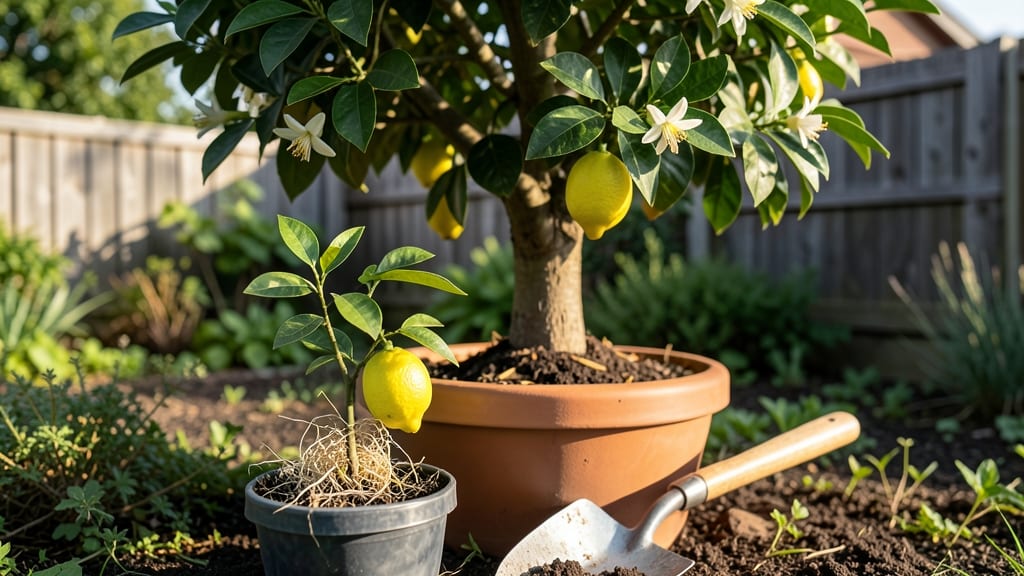
Your lemon tree’s happiness starts with the right spot—where to plant a lemon tree matters more than you think. I learned this the hard way when my first tree struggled in partial shade, its leaves yellowing by mid-summer.
The ideal location combines full sun, shelter from harsh winds, and soil that drains like a sandy beach after a wave recedes. Without these, even the hardiest Meyer lemon will fight you every season.
Most lemon trees thrive in USDA Zones 9-11, where frost is rare and winters stay above 25°F. But don’t let that stop you—containers let you grow them in colder zones (like my Zone 7 balcony) by bringing them indoors before the first chill.
For ground planting, choose a sheltered corner near a south-facing wall, where afternoon sun warms the roots but evening breezes cool things down. Urban gardeners can use large pots on patios, while rural spots benefit from windbreaks like fences or hedges.
Soil should mimic the Mediterranean origins of lemon trees: loose, slightly acidic (pH 6.0-7.0), and packed with organic matter like compost or aged manure. Amend heavy clay with perlite or sand to prevent root rot—the tree’s worst enemy.
In containers, use a mix of potting soil and gritty amendments to mimic well-draining ground. The payoff? A tree that bursts with bright green foliage and fragrant blossoms by spring, followed by lemons that taste like sunshine.
Regional tweaks matter: Mediterranean climates need afternoon shade in peak summer, while subtropical zones can handle full sun year-round. Container growers in cold areas must winterize with insulation wraps or move trees to unheated garages.
Either way, the right spot turns a lemon tree from a finicky experiment into a reliable, productive centerpiece—one that rewards patience with zesty harvests for years to come.
📚 In This Guide
- What you need
- Instructions
- Tips and common mistakes
- Wrapping up and next steps
What you need
- ● Lemon Tree: Choose between a dwarf (3-6 ft, ideal for containers) or standard (10-15 ft, for ground planting). Nursery-bought trees are best.
- ● Well-Draining Soil: Mix 1 part native soil with 1 part compost and 1 part coarse sand or perlite (5-10 gallons, depending on pot size). pH 6.0–7.0 is ideal.
- ● Container (if potted): A 5-gallon minimum (dwarf) or 15+ gallon (standard) pot with drainage holes. Terracotta or fabric pots work best.
- ● Mulch: 2–3 inches of organic mulch (e.g., straw or wood chips) to retain moisture and regulate temperature.
- ● Watering Can or Hose: With a gentle spray nozzle to avoid damaging roots.
- ● Fertilizer: A balanced citrus fertilizer (e.g., 6-6-6 or 8-3-9 NPK ratio) or organic options like fish emulsion or citrus-specific granules.
- ● Pruning Shears: Sharp, clean shears (sterilize with rubbing alcohol between cuts).
- ○ Support Stake (optional for potted trees): A 3–4 ft bamboo or metal stake to secure young trees.
- ● Slow-Release Fertilizer Pellets: Mix into soil for 3–4 months of nourishment.
- ● Citrus-Specific Pest Control: Neem oil or insecticidal soap for aphids or spider mites.
- ● Soil Moisture Meter: To monitor watering needs (lemon trees hate soggy roots!).
- ● Shade Cloth: 30–50% coverage for young trees in intense afternoon sun.
- ● Drip Irrigation Kit: For automated, consistent watering in ground-planted trees.
How to choose the perfect location for your lemon tree
Here’s how I find the ideal spot—balancing sun, shelter, and soil for lush, productive growth.
☀️ Step 1: Prioritize Full Sun Exposure
Lemon trees thrive in 6-8 hours of direct sunlight daily, but they need more in cooler climates. I always scout the sunniest area of my yard first—usually a south- or west-facing wall or fence. If your space gets afternoon shade, supplement with a grow light for 4-6 hours to prevent leggy growth.
Watch for patterns over a week: if leaves yellow or stems stretch toward light, your tree isn’t getting enough. Move it closer to the sun or trim nearby obstructions. Mature trees can tolerate partial shade in extreme heat, but fruit production drops significantly.
🌿 Step 2: Protect From Harsh Winds and Frost
Lemon trees hate windburn and cold drafts. I plant mine near a sturdy fence or building where it gets shelter but still airflow. In frost-prone areas, group trees with other citrus or use a windbreak like bamboo screens to diffuse gusts without blocking sun.
For winter protection, I’ve wrapped young trees in burlap and placed them against a south-facing wall. Mature trees need no frost below 20°F, but younger ones suffer damage at 28°F. If your zone dips below that, grow in containers and move indoors during winter.
🪴 Step 3: Test Soil Drainage and Amend as Needed
Lemon trees despise soggy roots. I dig a 12-inch deep hole, fill it with water, and wait to see how fast it drains. If it pools after 30 minutes, mix in 2-3 inches of coarse sand or perlite to improve drainage. The ideal soil is loose, slightly acidic (pH 6.0-7.0), and rich in organic matter.
If your soil is heavy clay, consider planting in a large container (at least 18 inches deep) with a mix of potting soil, compost, and perlite. Containers also let you move trees indoors for winter. Test soil pH with a kit—adjust with sulfur if too alkaline or lime if too acidic.
⏰ Step 4: Time Transplanting for Optimal Growth
Spring is the best time to plant lemon trees, after the last frost but before summer heat. I’ve found that early April works in most zones, giving roots time to establish before winter. If planting in containers, do it anytime—just keep the tree in a sheltered spot until roots fill the pot.
Water deeply 2-3 times weekly for the first month to encourage root spread. You’ll know it’s settled in when new leaves appear within 4-6 weeks. Avoid transplanting in summer—heat stress slows recovery. If you must plant later, use shade cloth for the first few weeks.
Tips & tricks for perfect lemon tree placement
Finding the right spot for your lemon tree isn't just about sunlight—it's about creating the perfect microclimate for year-round success. Here's what I've learned after years of trial and error with my own citrus grove.
Sunlight Strategy: While 6-8 hours of direct sunlight is ideal, don't just look at the clock—observe your space throughout the day. Early morning sun is less intense than afternoon rays, so position your tree to catch those golden afternoon hours. I've noticed my trees produce the most fruit when they get at least 4 hours of that intense afternoon sunlight, even if total hours are slightly less. If you're working with limited sun, consider a dwarf variety that can tolerate slightly less light.
Microclimate Mastery: The area immediately around your tree creates its own climate. I always look for spots where warm air naturally collects—near south-facing walls or against brick buildings. These spots can provide that extra degree of warmth your lemon tree craves, especially in cooler climates. You can also create a microclimate by planting other heat-loving plants nearby, which will reflect warmth back onto your tree.
Soil Test Hack: That 30-minute drainage test is crucial, but here's a pro tip: do it in multiple spots around your potential planting area. Soil composition can vary dramatically even within a small yard. I've found that the perfect spot often has slightly sandy soil near the surface that transitions to more clay deeper down—this natural layering helps prevent root rot while still holding enough moisture. If you're unsure about your soil's pH, pick up a simple test kit from your local garden center—they're usually under $10 and can save you from years of struggling with poor growth.
Seasonal Adaptation: Don't let the 20°F and 28°F frost thresholds scare you off completely. I've successfully grown lemon trees in zones that dip below these temperatures by using a clever layering technique: plant near a south-facing wall where the wall absorbs heat during the day and radiates it back at night. For container growers, consider using black plastic pots—they absorb heat during the day and release it slowly, providing that extra protection against early morning frosts.
Pro Tips for Where To Plant A Lemon Tree
- Finding the right spot for your lemon tree isn't just about sunlight—it's about creating the perfect microclimate for year-round success.
- Sunlight Strategy: While 6-8 hours of direct sunlight is ideal, don't just look at the clock—observe your space throughout the day.
- Microclimate Mastery: The area immediately around your tree creates its own climate.
Frequently asked questions
Can I plant a lemon tree in a pot instead of the ground?
Potted lemon trees thrive in containers as long as the pot is at least 15–20 gallons (big enough for roots to spread). Use well-draining soil, ensure the pot has drainage holes, and move it indoors when temperatures drop below 40°F (4°C). Just keep in mind: container-grown trees may need more frequent watering and fertilizing.
What’s the best time of year to plant a lemon tree?
The ideal window is early spring or late fall, when temperatures are mild (between 60–80°F / 15–27°C). Avoid planting in extreme heat or cold—roots need time to establish before stress. If you’re in a warm climate, spring is still best to give the tree a head start before summer’s intensity.
How do I protect my lemon tree from frost or freezing temps?
Lemon trees are tender to cold—most varieties can’t handle temps below 25°F (-4°C). If frost is forecast, cover the tree with a frost blanket or move potted trees indoors. For outdoor trees, plant them near a south-facing wall for extra warmth. Mulch the base with straw or wood chips to insulate roots.
Why isn’t my lemon tree fruiting after a few years?
Patience is key—lemon trees often take 3–5 years to bear fruit! Check these common issues:
- Not enough sunlight: Ensure it gets 6–8+ hours of direct sun daily.
- Poor soil: Test pH (ideal: 6.0–7.0) and amend with compost.
- Lack of pollination: Hand-pollinate with a small brush if bees are scarce.
- Over-fertilizing: Too much nitrogen = leafy growth, no fruit. Use a balanced citrus fertilizer.
Are there lemon tree alternatives for colder climates?
If your zone is below USDA 9, try these cold-hardy citrus relatives:
Plant
Cold Tolerance
Fruit Notes
Meyer Lemon
Down to 20°F (-7°C) (with protection)
Sweeter, thinner-skinned fruit; great for pots!
Calamondin Orange
Down to 18°F (-8°C)
Tart, lime-like flavor; drought-tolerant.
Trifoliate Orange
Down to 10°F (-12°C)
Small, tart fruit; used for rootstock in grafting.
For even colder areas, consider dwarf citrus varieties or grow them in greenhouses.
Wrapping up and next steps
Planting a lemon tree is a rewarding journey that starts with choosing the perfect sunny spot—whether in your backyard, a container, or even indoors. Remember, these citrus queens thrive in warmth, well-draining soil, and protection from harsh winds, so prioritize those conditions.
With the right location, your tree can flourish year-round and treat you to fresh, zesty lemons for decades!
Ready to take the next step? Grab your gloves and start digging! 🌱 If you’re unsure about your local climate, check with a local nursery for tailored advice. Happy planting—your future lemon harvest awaits!