
Pruning
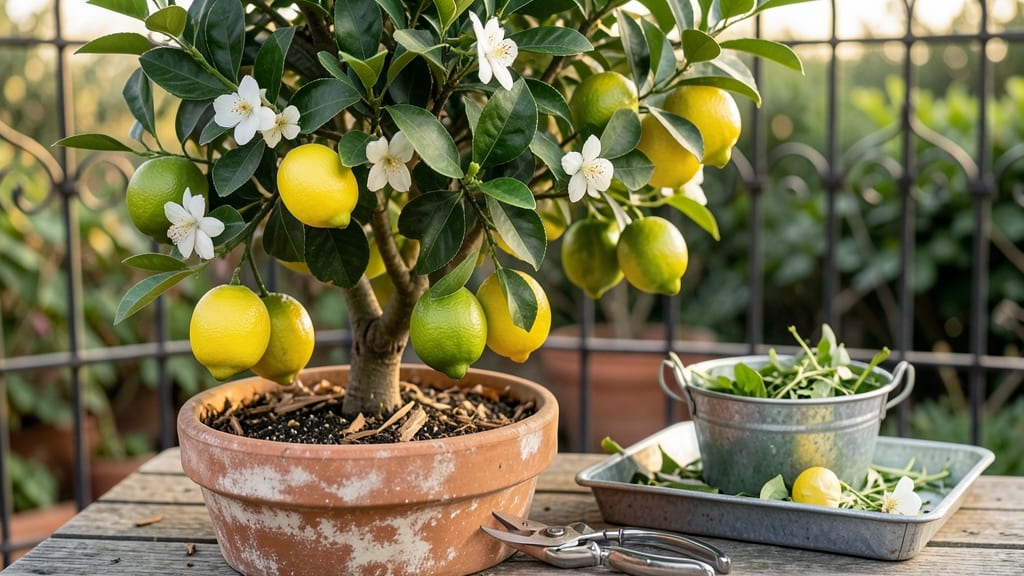
Trimming citrus trees isn’t just about shaping—it’s the difference between a tree that thrives and one that struggles to bear fruit. 🌿 I’ve pruned my Meyer lemon for years, and the right cuts in the right season mean juicier oranges, denser foliage, and fewer pests creeping in.
The key? Timing matters more than you’d think.
You’ll need just three tools: sharp bypass pruners, a small handsaw for thicker branches, and rubbing alcohol to sterilize cuts. Work during late winter (just before buds swell) or early summer after harvest—never in fall, when citrus trees are vulnerable to cold.
The goal is airflow: open the canopy so sunlight reaches every branch and fruit ripens evenly.
Start by removing dead, crossed, or inward-growing branches—these steal energy from your fruit. Then, thin out crowded areas to let light in, and shape the tree to fit your space.
A well-pruned citrus tree rewards you with heavier harvests and fewer diseases. Just avoid cutting more than 25% of the canopy at once, or you’ll shock the tree.
After truning, give your tree a light fertilizer and watch for new growth within 4-6 weeks. The best part? Proper pruning turns citrus care from a chore into a year-round habit that pays off in flavor and health. Let’s get those branches in shape!
📚 In This Guide
- What you need
- Instructions
- Tips and common mistakes
- Wrapping up and next steps
What you need
- ● Pruning shears: Sharp, bypass-style shears (for clean cuts on branches up to ½ inch thick). Quantity: 1 pair.
- ○ Loppers: For thicker branches (½ to 1½ inches). Quantity: 1 pair (optional if branches are small).
- ● Pruning saw: A curved-tooth saw for branches over 1½ inches thick. Quantity: 1 (if needed).
- ● Gloves: Heavy-duty, cut-resistant gloves (to protect from thorns and sap). Quantity: 1 pair.
- ● Disinfectant: 70% isopropyl alcohol or a pruning sealant (to prevent disease spread). Quantity: Small bottle.
- ○ Pruning sealant: Optional for sealing larger cuts (reduces sap oozing and disease risk). Quantity: Small tube.
- ● Ladder or step stool: Sturdy and tall enough to reach the tree’s highest branches safely. Quantity: 1.
- ● Trash bags or bucket: For collecting pruned branches and debris. Quantity: 1-2.
- ● Sharpie or marker: To label branches if you’re doing selective pruning (e.g., marking fruit-bearing limbs). Quantity: 1.
- ● Weather check: Trim on a dry, overcast day (avoid pruning in extreme heat or rain).
- ● Safety glasses: Protect your eyes from debris. Quantity: 1 pair.
- ● Long sleeves/pants: To shield against thorns and sap (citrus sap can irritate skin).
- ● Tree identification: Confirm the citrus variety (e.g., lemon, orange, lime) to tailor pruning needs.
- ● Garden hose or spray bottle: For rinsing tools and cleaning sap off cuts. Quantity: 1.
Step-by-Step guide for pruning citrus trees
Here's how I maintain vibrant, productive citrus trees through every season.
✂️ Step 1: Clean and Prepare Your Tools
Start with sterilized pruning shears and a sharp bypass pruner—dull blades tear bark and invite disease. Wipe both with rubbing alcohol before use, especially if you've trimmed other trees recently. I always carry a small brush to sweep away debris from the cutting area, which helps prevent fungal spores from settling on fresh wounds.
Citrus trees bleed sap when cut, so work on a dry day when temperatures stay above 50°F. This prevents shock and allows wounds to seal faster. If you must prune in cooler weather, do it in the late morning when the tree has warmed up slightly.
🌿 Step 2: Remove Dead or Diseased Wood First
Scan the entire tree for branches with brown, shriveled leaves or blackened bark—these are dead and must go. Cut back to the nearest healthy growth, making your cut at a 45-degree angle just above a leaf node or outward-facing bud. This encourages new growth in the right direction.
Look for signs of citrus canker or root rot—sticky residue, oozing sap, or fungal growth. Bag and dispose of infected branches immediately. Healthy wood should snap with a slight bend, while dead wood breaks cleanly. Never leave stubs; they trap moisture and decay.
☀️ Step 3: Thin the Canopy for Better Airflow
Citrus trees thrive with open, airy canopies—this prevents humidity buildup and reduces fungal risks. Remove crossing branches first, cutting one entirely at its base. Then target overlapping limbs that block sunlight from reaching the interior. Aim to let light penetrate to the center of the tree.
Watch for "water sprouts"—thin, fast-growing shoots that pop up vertically. These steal energy from fruit production. Snip them off at the base. You’ll know you’ve done enough when you can see at least 60% of the sky through the canopy on a clear day.
⏰ Step 4: Shape for Balance and Fruit Production
Step back and assess the tree’s natural shape. Citrus trees grow best with a rounded, vase-like form that directs energy upward. Prune to remove low-hanging branches that drag on the ground, as they’re prone to rot. Cut back overly vigorous branches by one-third to encourage bushier growth.
Focus on scaffolding branches—the main limbs that form the tree’s structure. These should be spaced 12-18 inches apart along the trunk. If a branch is growing inward, prune it back to redirect energy outward. Always make cuts just outside a bud or branch collar to promote healing.
🌱 Step 5: Post-Pruning Care for Rapid Recovery
Apply a wound dressing (like pruning sealant) only to cuts larger than ½ inch in diameter. For smaller cuts, let the tree seal naturally—sealants can trap moisture. Water the tree deeply after pruning to help it recover, especially if you’ve removed a significant portion of foliage.
Monitor the tree for new growth within 4-6 weeks. Healthy new shoots will emerge from the buds you preserved. Avoid fertilizing immediately—wait until you see fresh growth, then apply a balanced citrus fertilizer to support recovery.
Tips & tricks for pruning citrus trees
Here's what nobody tells you about keeping your citrus trees thriving after the trim—these are the details that separate a good prune from a great one.
Timing is Everything: While the instructions emphasize working above 50°F, I've found that late winter to early spring—just before new growth begins—is ideal. This timing lets the tree heal before summer heat stress. Confession: I skipped this once and ended up with more water sprouts than I cared to deal with. The tree's natural growth cycle matters more than just temperature.
Tool Precision Matters: That 45-degree angle cut in Step 2 isn't just for looks—it's about directing water runoff away from the wound. Use a sharp bypass pruner to make clean cuts that heal faster. I've seen homeowners use dull shears that tear the bark, creating perfect entry points for disease. Take 5 minutes to sharpen your tools before starting—your tree will thank you.
Visual Cues for Perfect Pruning: In Step 3, when you're aiming for 60% sky visibility, look for these clues: healthy leaves should cast dappled shade on the ground, and you should see sunlight reaching the center branches. I use a laser level to check my work—it's worth the investment if you have multiple trees. The goal is sunlight penetration without sacrificing too much foliage.
Recovery Strategy: That 4-6 week recovery window in Step 5 is critical. After pruning, I wrap larger cuts with tree tape (not just sealant) to protect them from sun scorch. For smaller trees, I even use a light shade cloth for the first week. The key is balancing wound protection with natural healing—don't smother the tree completely, but give it the support it needs to recover.
Pro Tips for Trim Citrus Trees
- Here's what nobody tells you about keeping your citrus trees thriving after the trim—these are the details that separate a good prune from a great one.
- Timing is Everything: While the instructions emphasize working above 50°F, I've found that late winter to early spring—just before new growth begins—is ideal.
- Tool Precision Matters: That 45-degree angle cut in Step 2 isn't just for looks—it's about directing water runoff away from the wound.
Frequently asked questions
Got questions about trimming your citrus trees? You’re not alone! Here are some of the most common concerns—and straightforward answers—to help you prune with confidence.
When is the best time to trim citrus trees?
The ideal time is late winter or early spring (just before new growth starts). Avoid heavy pruning in summer or fall—this can stress the tree or invite pests. Light shaping in mild winters (like in Zone 9-11) is fine, but never prune after a hard frost.
How much can I trim off without harming the tree?
Remove no more than 20-30% of the tree’s foliage in one session. Over-pruning can shock the tree, reduce fruit production, and leave it vulnerable to disease. Focus on dead, diseased, or crossing branches first—then shape gradually.
Will trimming reduce my citrus fruit yield?
Not if done correctly! Proper pruning boosts fruit quality by improving airflow and sunlight penetration. However, avoid heavy cuts during fruiting seasons (like late spring/summer for lemons). Thin out some fruit clusters too—this ensures larger, sweeter citrus!
What if my tree has pests or disease after pruning?
Sterilize your tools with rubbing alcohol before and after cuts to prevent spreading pathogens. If you spot pests (like aphids or scale), prune infected branches immediately and treat with neem oil or insecticidal soap. Monitor the tree closely for signs of stress.
Can I shape citrus trees into topiaries or formal designs?
Yes, but citrus trees are naturally bushy and may need frequent, light trims (every 4-6 weeks) to maintain intricate shapes. Use sharp bypass pruners for clean cuts, and avoid shearing—it weakens branches. Start with a central leader for structure, then refine over time.
Wrapping up and next steps
Trimming your citrus trees doesn’t have to be intimidating—it’s all about timing, technique, and a little patience! 🌿 With the right tools and a clear plan, you’ll encourage lush growth, bountiful fruit, and a tree that’s both beautiful and productive.
Whether you’re shaping young saplings or maintaining mature branches, consistent care is the key to success.
Ready to take the next step? Start small—pick one section of your tree to practice, and soon, you’ll be pruning like a pro. Happy gardening, and may your citrus trees thrive! 🍊✨