
Pruning
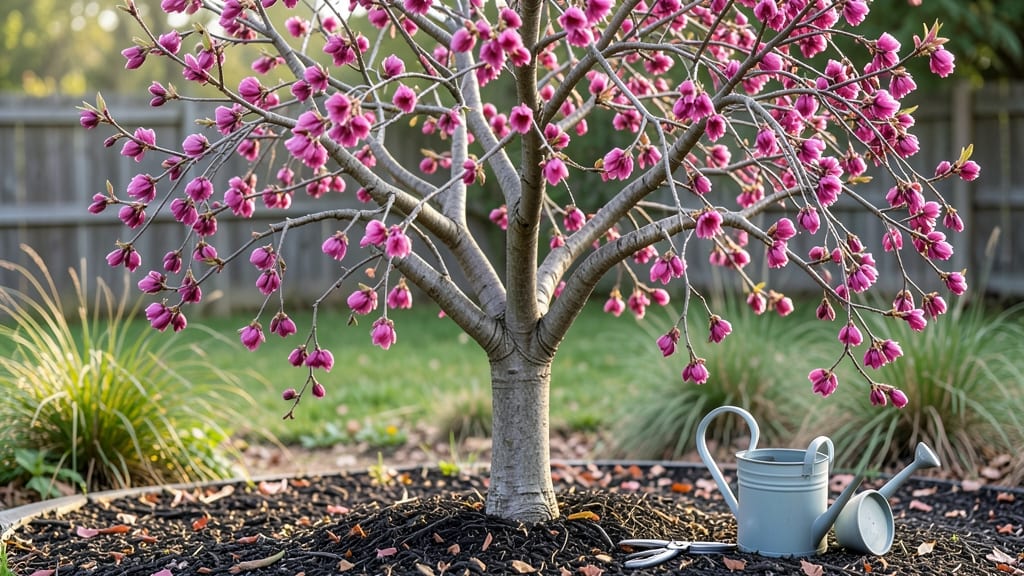
The redbud tree identification starts with that first blush of pink blossoms in late winter—no other tree heralds spring so boldly. 🌸 The heart-shaped leaves and distinctive bark make it unmistakable once you know what to look for. for, and spotting these traits early helps you decide whether it belongs in your yard.
Redbuds burst into bloom before leaves appear, often in February or March, depending on your zone. Their leaves are smooth-edged and heart-shaped, turning bright green by summer, while the bark develops a scaly texture as the tree matures.
Compare these features to other early bloomers like dogwoods or serviceberries, and you’ll never confuse them again.
Planting one means years of reliable color and minimal fuss—just full sun and well-draining soil. The trees thrive in USDA zones 4-9, making them versatile for most gardens. Once established, they handle drought surprisingly well and even attract pollinators early in the season.
If you’re unsure whether a tree in your yard is a redbud, focus on those pink spring blooms and heart-shaped leaves. A quick rub of the bark will reveal its signature texture, and you’ll have your answer.
The key is observing these details before the leaves fully emerge—when the tree is at its most distinctive.
📚 In This Guide
- What you need
- Instructions
- Tips and common mistakes
- Wrapping up and next steps
What you need
- ● Ready to spot a redbud tree like a pro? Here’s everything you’ll need to gather for a smooth identification process—whether you’re a budding botanist or a weekend gardener! 🌳🔍
- ● Pro tip: 💡 Timing matters! Visit the tree in early spring (before leaves fully emerge) to spot those iconic magenta blooms—your best ID clue!
How to spot a redbud tree using leaf and flower clues
Here's how I tell redbuds apart from other early spring bloomers—no expert needed.
🌿 Step 1: Check the Spring Bloom Timing
Redbuds are the harbingers of spring, blooming before their leaves even appear. Look for pink to lavender clusters that burst open in late winter to early spring—often February to April, depending on your zone. These flowers arrive weeks before the leaves unfurl, which is a dead giveaway compared to trees like dogwood that bloom with leaves.
Here's the thing—if you see flowers in mid-to-late spring, it's probably not a redbud. Their bloom window is short and early. I've seen them pop in Zone 5 by March 15, while in warmer climates like Zone 8, they might wait until late February. Watch for buds swelling on bare branches first—that's your first clue.
🌱 Step 2: Examine the Leaf Shape and Arrangement
Once the leaves appear, redbuds have heart-shaped leaves that are smooth-edged and pointed at the tip. They grow alternately along the stem (one leaf per node, alternating sides), not in pairs like honeysuckle. The leaves start small—about 2-3 inches long—and turn a soft yellow-green before maturing to deeper green.
Run your fingers along the leaf edges—if they're completely smooth (no teeth or lobes), you're likely looking at a redbud. I've seen people confuse them with eastern redbud hybrids, but the key difference is the leaf texture. Redbud leaves feel slightly papery when dry, while similar trees like serviceberry have rougher edges.
☀️ Step 3: Observe the Bark and Branch Pattern
Mature redbuds develop distinctive gray-brown bark that becomes furrowed with age. Young branches are thin and reddish-brown, often with a zigzag pattern where leaves used to attach. This bark is another telltale—it peels in thin, papery strips, unlike the smooth bark of a dogwood.
Look at the branch structure too. Redbuds grow in a rounded, multi-stemmed form naturally, not a single trunk like many ornamental trees. If you see multiple trunks emerging from the base, that's a classic redbud habit. I've noticed wild redbuds often grow in sunny, open areas where they can spread their branches wide.
⏰ Step 4: Verify with Seed Pods in Late Summer
If you're still unsure, wait until late summer to early fall when redbuds produce long, flat seed pods. These pods are 2-4 inches long, dark brown, and hang down like tiny legumes. They're a dead giveaway—no other common spring bloomer has this exact combination of early flowers, heart-shaped leaves, and these distinctive seed pods.
Here's a pro tip: Snap off a leaf and smell it. Redbud leaves have a very mild, almost sweet scent when crushed—nothing overpowering, just a faint hint of green. That subtle aroma is another subtle clue that sets them apart from other trees.
Tips & tricks for perfect redbud tree identification
Real talk: Even experienced gardeners mix up redbuds with other spring bloomers—here's how to nail the identification every time.
Timing is Everything: Pay attention to when you see those pink flowers. Redbuds bloom in late winter to early spring, often February to April, before their leaves appear. This early bloom is your first clue—if flowers appear in mid-to-late spring, it's likely not a redbud. I've seen people mistake them for dogwoods, but dogwoods bloom with leaves, not before them. Keep a calendar of when you spot blooms in your area—this helps track the redbud's signature early timing.
Leaf Texture Matters: When examining leaves, don't just look at the shape—feel the edges. Redbud leaves are smooth-edged and slightly papery when dry, unlike serviceberry leaves that have rougher edges. The heart shape is classic, but the texture is what really sets them apart. I've noticed that when leaves are fresh, they have a soft yellow-green hue that deepens to green as they mature. This subtle color change is another subtle clue.
Bark and Branch Patterns: Look at the bark and branch structure for mature trees. Redbud bark peels in thin, papery strips and develops furrows with age. Young branches have a zigzag pattern where leaves used to attach, and the tree grows in a rounded, multi-stemmed form. This is a dead giveaway—most ornamental trees have a single trunk, not multiple stems. I've seen redbuds in sunny, open areas where they can spread their branches wide, which is another clue to look for.
Seasonal Verification: If you're still unsure, wait until late summer to early fall and check for long, flat seed pods that are 2-4 inches long and dark brown. These pods hang down like tiny legumes and are unique to redbuds. This step is often overlooked, but it's the final confirmation you need. The combination of early flowers, heart-shaped leaves, and these seed pods is a perfect match for redbud identification.
Pro Tips for Redbud Tree Identification
- Real talk: Even experienced gardeners mix up redbuds with other spring bloomers—here's how to nail the identification every time.
- Timing is Everything: Pay attention to when you see those pink flowers.
- Leaf Texture Matters: When examining leaves, don't just look at the shape—feel the edges.
Frequently asked questions
Got questions about spotting a redbud tree? Here are some common ones—and their answers—to help you identify this stunning spring bloomer with confidence!
When is the best time to identify a redbud tree by its leaves?
The best time to identify a redbud tree by its leaves is in late spring or summer when the foliage is fully mature. However, if you’re relying on leaf shape alone, early spring (before leaves emerge) is tricky—focus instead on the pink-purple blooms that appear before the leaves! For leaf ID, look for the heart-shaped, slightly serrated edges.
How do I tell a redbud tree apart from a dogwood or cherry tree?
Here’s a quick comparison:
| Feature | Redbud | Dogwood | Cherry |
|---|---|---|---|
| Leaf Shape | Heart-shaped, slightly pointed | Oval with wavy edges | Lance-shaped, smooth edges |
| Bloom Time | Early spring (before leaves) | Late spring (with leaves) | Late spring (with leaves) |
| Flower Color | Soft pink-purple | White or pink clusters | White or pink clusters |
Pro tip: Redbuds bloom earlier than dogwoods or cherries—this is your best clue!
Why isn’t my redbud tree blooming this spring?
Redbuds bloom in early spring, but if yours is late (or missing blooms), check these factors:
- Age: Young trees (under 5 years) may not bloom yet.
- Sunlight: Redbuds need full sun (6+ hours/day). Shady spots delay blooms.
- Stress: Overwatering, drought, or pests (like aphids) can reduce flowers.
- Pruning time: Prune after blooming to avoid cutting off next year’s flowers.
If the issue persists, inspect for common redbud pests or consult a local arborist.
Can I grow a redbud tree in a container or small yard?
Redbud trees thrive in moderate-sized yards (they grow 20–30 feet tall/wide), but dwarf varieties like ‘Westerlo’ or ‘Forest Pansy’ work well in containers or tight spaces. For containers:
- Use a 5-gallon pot (minimum) with drainage holes.
- Plant in well-draining soil (mix garden soil with compost).
- Place in full sun and water deeply when the top inch of soil dries.
- Note: Container redbuds may bloom less than in-ground trees.
What pests or diseases should I watch for in redbud trees?
Redbuds are generally hardy, but keep an eye out for:
- Aphids: Tiny green/black bugs on new shoots (treat with soapy water).
- Japanese beetles: Skeletons leaves—handpick or use neem oil.
- Powdery mildew: White fungal coating on leaves (improve airflow, fungicide if severe).
- Canker disease: Oozing bark lesions (prune infected branches, sterilize tools).
Prevention tip: Mulch around the base and water at the soil level (not leaves) to deter issues.
Wrapping up and next steps
Identifying a redbud tree is easier than you think—just look for those heart-shaped leaves and vibrant spring blooms in pink or purple! 🌸 Whether you’re admiring its beauty or planning to prune it, recognizing these key traits will help you spot one in your yard or neighborhood.
Now that you’re equipped with the knowledge, why not take action? Grab your pruners and give your redbud a little TLC to keep it thriving for seasons to come!