
Trees
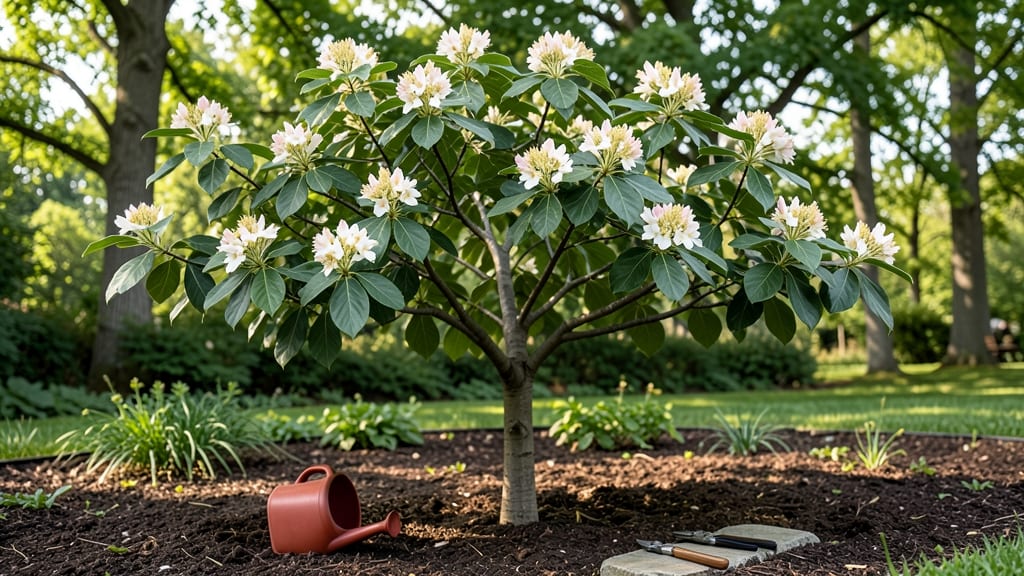
The dogwood trees in spring are nature’s most dramatic fireworks display—pink or white blooms that turn your yard into a living painting. 🌸 I’ll never forget the first time I saw my own dogwood burst into flower after years of waiting, its branches heavy with blossoms that lasted for weeks.
Spring is the only time to prune these trees, and timing matters more than you’d think. Most gardeners mess this up by cutting too late, which risks removing next year’s flower buds.
The secret is pruning right after blooming—when the petals start falling but before new growth gets too aggressive. You’ll also want to shape the tree while it’s still dormant but actively growing, which is usually by late April or early May, depending on your zone.
What you’ll end up with is a tree that blooms even more spectacularly next year, with fewer dead branches and better air circulation to prevent disease.
The flowers stay vibrant longer, and the tree’s overall structure becomes stronger. Plus, you’ll avoid the messy, tangled branches that make spring cleanup a chore.
Works for both mature trees and young saplings, though the approach differs slightly. For established trees, focus on removing crossing branches and thinning the canopy. For new plantings, prune lightly to encourage a strong central leader. Here’s how to do it right the first time.
📚 In This Guide
- What you need
- Instructions
- Tips and common mistakes
- Wrapping up and next steps
What you need
- ● Pruning shears: Bypass pruners (sharp, clean, and sterilized with rubbing alcohol). Size: 6–8 inches for small branches.
- ● Loppers: For thicker branches (up to 2 inches in diameter). Look for: Long handles (20–24 inches) for leverage.
- ● Hand saw or pruning saw: For branches larger than 2 inches. Type: Curved-blade saw for clean cuts.
- ● Gloves: Heavy-duty, cut-resistant gloves to protect hands from thorns and rough bark.
- ● Disinfectant: 70% isopropyl alcohol or a tree-pruning spray to prevent disease spread.
- ○ Tarp or drop cloth: To collect fallen branches/debris (optional but handy!).
- ● Marking twine or flags: For tagging branches to remove (if planning ahead).
- ● Pruning sealant: For large cuts (controversial—skip if unsure; dogwoods heal well without it!).
- ● Step stool or ladder: For reaching higher branches (safety first—use stable, non-slip surfaces!).
- ● Notebook/pencil: To jot down notes on branch placement or health concerns.
- ● Water spray bottle: To rinse tools between cuts and keep saws cool.
Step-by-Step guide for pruning dogwood trees in spring
Spring is the perfect time to shape your dogwoods—here's how to do it right.
✂️ Step 1: Remove Winter-Damaged and Dead Branches
Start by scanning your dogwood for branches that show brown, dry, or hollow stems—these won’t recover. Use sharp pruning shears to cut just outside the branch collar (the swollen area where the branch meets the trunk). This prevents unsightly stubs and promotes faster healing.
I like to make a small notch on the underside of the branch before cutting to guide my shears precisely. If a branch is larger than ½ inch thick, use a pruning saw instead. Work from the bottom up so you can see where each cut leaves the tree’s natural shape.
✂️ Step 2: Thin Out Crowded Growth for Better Airflow
Dogwoods produce dense canopies, which can trap moisture and invite disease. Look for branches that cross or rub against each other—these are prime candidates for removal. Cut them back to the branch collar at a 45-degree angle to prevent water from pooling.
Here’s the thing—don’t overdo it. Remove no more than 25% of the tree’s total branches in one season. You’ll see healthier blooms and fewer pests when airflow circulates properly through the canopy.
☀️ Step 3: Prune for Optimal Flower Display
Dogwoods bloom on old wood, so avoid heavy pruning that removes last year’s flowering stems. Instead, focus on shaping the outer edges to encourage vibrant blooms. Trim back any branches that grow inward or block sunlight from reaching the center of the tree.
Watch for water sprouts—those fast-growing, vertical shoots that pop up along the trunk. These steal energy from the tree. Snip them off at the base as soon as you spot them. You’ll notice a stronger, fuller bloom display within a few seasons.
✂️ Step 4: Clean Up and Sterilize Tools
After pruning, wipe down your shears and saw with rubbing alcohol to kill any lingering bacteria or fungi. This step is critical—dogwoods are prone to anthracnose, and contaminated tools can spread it. Store your tools in a dry place until next season.
Rake up and dispose of all clippings immediately. Leaving them on the ground can harbor pests or diseases. If you’re composting, bag the clippings separately and let them decompose fully before reusing.
Tips & tricks for perfect dogwood tree pruning
Spring pruning transforms your dogwood into a showstopper—here’s how to avoid common mistakes and elevate your results.
Branch Collar Precision: In Step 1, the branch collar is your guide—never cut flush with the trunk. That swollen area contains healing cells that prevent disease. I mark the collar with a pencil first, then make my cut just outside it. For branches over ½ inch thick, a pruning saw’s precision prevents tearing, which weakens the tree over time.
Angle Matters in Step 2: When thinning crowded branches, the 45-degree angle isn’t just aesthetic—it’s functional. Cutting at this angle prevents water from pooling in the wound, which would otherwise invite fungal infections. For smaller branches, I use my shears to create this angle naturally by guiding the cut upward at the collar.
Water Sprout Strategy: Those fast-growing vertical shoots in Step 3 are energy vampires. I tackle them immediately with clean cuts at the base—no need for fancy tools. Pro tip: Check for water sprouts every 2-3 weeks during spring growth spurts. Removing them early redirects the tree’s energy toward blooms and stronger structure.
Tool Sanitation Secret: After Step 4, I don’t just wipe my tools—I soak them in a 1:10 bleach-water solution for 10 minutes. This extra step kills even stubborn pathogens like anthracnose spores. Store tools in a dry, shaded area with the cutting edges facing upward to prevent rust and maintain sharpness.
Pro Tips for Dogwood Trees In Spring
- Spring pruning transforms your dogwood into a showstopper—here’s how to avoid common mistakes and elevate your results.
- Branch Collar Precision: In Step 1, the branch collar is your guide—never cut flush with the trunk.
- Angle Matters in Step 2: When thinning crowded branches, the 45-degree angle isn’t just aesthetic—it’s functional.
Frequently asked questions
Got questions about dogwood trees in spring?
You’re not alone! Here are answers to the most common concerns—from timing to troubleshooting—so you can keep your trees thriving and stunning.
When is the best time to prune dogwood trees in spring?
The ideal window is right after the blooms fade (late April to early May) but before new leaves harden. Avoid pruning during active flowering (March–April) to preserve next year’s blossoms. Pro tip: If you missed this year, wait until late summer—just don’t prune in fall or winter, as it stresses the tree.
Why are my dogwood leaves turning yellow or brown in spring?
Yellowing leaves often signal overwatering, fungal issues (like anthracnose), or nutrient deficiencies. Check for:
- Soggy soil: Dogwoods hate "wet feet"—ensure proper drainage.
- Black spots: Prune infected branches immediately and apply fungicide.
- Pale green leaves: Test soil pH (ideal: 5.0–6.0) and add iron or mulch.
Can I still prune a dogwood tree if it hasn’t bloomed yet?
Yes! If your tree skipped blooming, it might be stressed, overpruned, or too young. Light pruning (removing dead/diseased wood) in early spring is safe, but avoid heavy cuts. Focus on structural health—wait for blooms to assess if the tree’s energy is better spent on recovery.
What’s a good alternative if my dogwood isn’t thriving?
Consider these spring-blooming, low-maintenance alternatives:
- Serviceberry: White flowers + edible berries, drought-tolerant.
- Magnolia: Bold blooms, fewer pests, and shade-providing.
- Redbud: Early pink flowers, compact size, and deer-resistant.
All three handle pruning similarly to dogwoods but with fewer disease risks!
How do I clean pruning tools after trimming dogwood trees?
Disinfect tools with 70% rubbing alcohol or a 10% bleach solution to prevent spreading bacterial or fungal diseases. Scrub blades thoroughly, then dry with a clean rag. Pro move: Store tools in a dry place and sharpen them annually for cleaner cuts.
Wrapping up and next steps
Spring is the perfect time to celebrate—and care for—your dogwood trees, and with these four pruning secrets, you’re well on your way to a thriving, blossom-filled future! 🌸 Whether you’re trimming for health, shape, or simply to enjoy their stunning blooms, every snip brings you closer to a garden that’s both beautiful and resilient.
Ready to put your new skills to the test? Grab your pruners, step outside, and give your dogwood the love it deserves! And if you’re feeling inspired, why not share your progress or explore more tips for springtree care? Your garden—and your dogwood—will thank you!