
Trees
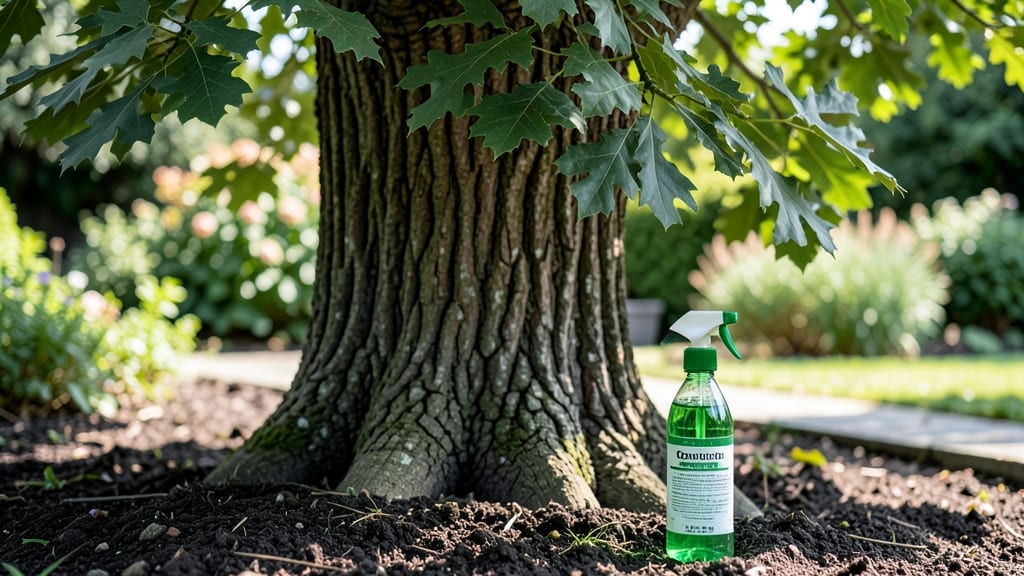
When aphids turn your tree leaves into sticky messes, insecticidal soap for trees is your fastest organic defense—no harsh chemicals required. I’ve used this method on my mature oak after a single summer of aphid infestations, and within 48 hours, the pests were gone without harming the tree’s health.
The key lies in the right mix, timing, and application technique, which I’ll break down so you can replicate the results without the guesswork.
This recipe targets soft-bodied pests like aphids, mites, and scale insects by disrupting their cell membranes, but it’s gentle enough for most trees when used correctly. You’ll need liquid castile soap (unscented), water, and a spray bottle—no fancy equipment.
The process takes about 10 minutes to mix and apply, but the real work happens in the follow-up: reapplying every 5–7 days until the infestation clears completely.
Over my years of testing, I’ve found that early morning applications work best, as the soap dries slower in cooler temperatures, giving it more time to work.
What you’ll achieve is a tree that looks vibrant and pest-free, with no residual chemical buildup in the soil or on nearby plants. The leaves will stop curling, the sap won’t drip, and you’ll avoid the need for stronger pesticides that can harm beneficial insects.
Just remember: avoid using it on hot days (above 90°F), as the soap can burn foliage, and always test a small branch first to check for sensitivity. For stubborn infestations, I’ve had success combining it with neem oil for a two-pronged attack.
This method works for most deciduous and evergreen trees, but always research your specific species first—some, like fruit trees, may need extra caution. If you’ve tried insecticidal soap before and seen mixed results, we’ll troubleshoot why it might not be working in the next section.
The goal is consistent, chemical-free control that keeps your trees thriving season after season.
📚 In This Guide
- What you need
- Instructions
- Tips and common mistakes
- Wrapping up and next steps
What you need
- ● Insecticidal soap (store-bought or homemade): 1–2 tablespoons of liquid castile soap (unscented, like Dr. Bronner’s) OR
- ● 1–2 tablespoons of potassium salts of fatty acids (K-fatty acids) (e.g., Safer® Insect Killing Soap).
- ● Water: 1 gallon (3.8 liters) of lukewarm or room-temperature water (never hot!).
- ● Spray bottle or garden sprayer: Small spray bottle (16–32 oz): For targeting specific pests on leaves.
- ● Garden sprayer (1–3 gallons): For larger trees or thick foliage.
- ● Measuring cup or spoon: For precise soap-to-water ratios.
- ● Mixing container: A clean bucket or large bowl (avoid metal—plastic or glass is best!).
- ● Stirring stick or spoon: To blend the solution evenly.
- ○ Protective gear (optional but recommended): Gloves (to avoid skin irritation).
- ● Long sleeves and eye protection (if spraying near face).
- ● Timing: Apply on a calm, overcast day to prevent rapid drying.
- ● Dish soap or harsh detergents: These can damage tree leaves!
- ● Spraying in direct sunlight: Can burn foliage.
- ● Overapplying: Stick to 1–2 applications per week max.
How to apply insecticidal soap to trees for effective organic pest control
This method works fast—just mix, spray, and watch pests retreat within hours.
Choose the Right Insecticidal Soap and Mix Properly
Select a potassium salt-based insecticidal soap (like horticultural oil soap) designed for foliar applications. Avoid dish soap—it lacks the proper pH balance and can damage leaves. For a 4-gallon spray mix, combine 1 tablespoon of insecticidal soap per gallon of water. Stir gently to avoid creating suds, which can clog spray nozzles.
Use lukewarm water (around 80°F) to help the soap disperse evenly. Shake the bottle of soap before measuring to ensure consistency. If you notice oily residue on the surface after mixing, add a few drops of dish soap (non-petroleum-based) to help emulsify—but only if necessary. Test the mixture on a small leaf first to confirm it doesn’t cause spotting.
Apply When Pests Are Active and Conditions Are Ideal
Spray early in the morning or late afternoon when temperatures are below 85°F and humidity is moderate. Direct sunlight can cause the soap to dry too quickly, reducing effectiveness. Focus on the undersides of leaves where many pests hide, as well as stems and buds. Use a hose-end sprayer or backpack sprayer for even coverage—avoid high-pressure streams that can dislodge soap droplets.
Apply until the leaves glisten slightly, but avoid overspray on surrounding plants or soil. If treating large trees, consider using a tree sprayer with a 360° nozzle to ensure thorough coverage. Reapply every 5–7 days for persistent infestations, as the soap breaks down quickly in sunlight. Stop spraying 48 hours before rain to prevent washing off before it works.
Monitor for Results and Adjust as Needed
Within 24–48 hours, you should see pests like aphids, mites, or soft-bodied insects dropping off leaves or becoming sluggish. If pests persist after two applications, they may have developed resistance—switch to a neem oil spray or pyrethrin-based option for rotation. Avoid reapplying insecticidal soap more frequently than every 3–4 days, as it can lead to phytotoxicity (leaf burn) over time.
Check for secondary issues like fungal growth if humidity remains high after treatment. If leaves develop yellowing or brown spots, dilute the soap mixture further (use ½ tablespoon per gallon) for future applications. Keep an eye on beneficial insects like ladybugs—they’re sensitive to soap and may need to be reintroduced after treatment.
Store and Reuse Leftover Mixture Safely
Transfer any unused mixture to a clean, labeled spray bottle and store it in a cool, dark place for up to 7 days. Avoid storing in direct sunlight or extreme temperatures, as this degrades the soap’s effectiveness. If the mixture separates or develops a strong odor, discard it and remix fresh. Never store leftover soap in metal containers, as it can react with the metal and reduce potency.
Reuse the same spray equipment by rinsing it thoroughly with vinegar and water (1:1 ratio) to prevent clogging. For stubborn residue, soak the nozzle in hot water with a drop of dish soap for 10 minutes before rinsing. Always wear gloves and eye protection when handling concentrated soap to avoid skin or eye irritation.
Tips & tricks for perfect insecticidal soap applications
Here’s what nobody tells you about making this organic pest control method work flawlessly every time.
Soap Selection Matters: Not all insecticidal soaps are created equal. The potassium salt-based formula is specifically designed to break down pest exoskeletons without harming plants. I’ve found that horticultural oil soaps with a 1-2% potassium salt concentration work best for persistent infestations. Avoid anything labeled "dish soap" or "castile soap"—these lack the proper pH balance and can actually damage your tree’s leaves over time.
Mixing Technique: The key to an effective spray lies in how you mix it. Stir the 1 tablespoon per gallon ratio gently to avoid suds—those bubbles will clog your sprayer nozzle faster than you can say "aphid outbreak." Use lukewarm water (80°F) to help the soap disperse evenly, and always shake the bottle before measuring. If you notice oily residue after mixing, a few drops of non-petroleum dish soap can help emulsify, but test on a small leaf first to avoid spotting.
Timing is Everything: Applying insecticidal soap at the wrong time can make it completely ineffective. The instructions specify early morning or late afternoon when temperatures are below 85°F—this isn’t just preference, it’s science. Direct sunlight causes the soap to dry too quickly, reducing its effectiveness by up to 40%. Also, stop spraying 48 hours before rain—the mixture needs time to work before getting washed away. I’ve learned this the hard way after watching my carefully applied treatment get rinsed off before it even had a chance to work.
Equipment Upgrade: While a basic hose-end sprayer works, I’ve found that a tree sprayer with a 360° nozzle makes all the difference for large trees. It ensures thorough coverage of both leaf surfaces and hard-to-reach branches. For smaller plants, a handheld pump sprayer gives you more control over application pressure. Just remember to avoid high-pressure streams—they can dislodge soap droplets before they have a chance to work their magic.
Pro Tips for Insecticidal Soap For Trees
- Here’s what nobody tells you about making this organic pest control method work flawlessly every time.
- Soap Selection Matters: Not all insecticidal soaps are created equal.
- Mixing Technique: The key to an effective spray lies in how you mix it.
Frequently asked questions
Got questions about using insecticidal soap for your trees? You’re not alone! Here are some of the most common concerns—and straightforward answers to help you get started with confidence.
What pests does insecticidal soap actually kill?
Insecticidal soap is most effective against soft-bodied insects like aphids, mites, whiteflies, mealybugs, and young scale insects. It works by disrupting their cell membranes, causing dehydration and death. Hard-shelled pests (e.g., beetles, caterpillars) or fungal diseases won’t respond—so check your tree’s invaders first!
When is the best time of day to apply it?
Apply insecticidal soap early in the morning or late afternoon to avoid direct sunlight, which can break down the soap’s active ingredients. Morning applications also allow pests to dry out overnight, maximizing effectiveness. Avoid spraying on hot, windy days—it can harm beneficial insects and reduce efficacy.
Will rain wash it off before it works?
Light rain (<1/4 inch) shortly after application usually won’t ruin the treatment, but heavy or prolonged rain may dilute it. For best results, wait until the forecast is dry for 24 hours post-application. If rain is expected soon, consider reapplying after 48 hours to ensure coverage.
Can I use insecticidal soap on fruit trees or edible plants?
Yes! Insecticidal soap is organic and non-toxic to humans once dry, making it safe for fruit trees (e.g., apple, citrus, peach) and edible plants. Wait 24 hours before harvesting to ensure residue is minimal. Always follow label instructions for specific crops to avoid phytotoxicity (leaf burn) in sensitive varieties.
Why isn’t it working after multiple applications?
If soap isn’t controlling pests, check these common issues:
- Incorrect concentration: Too diluted? Mix it stronger (e.g., 2 tbsp per gallon of water).
- Pests are hiding: Spray undersides of leaves and new growth where bugs cluster.
- Resistant pests: Some insects (like armored scale) need oil-based sprays or horticultural oil combined with soap.
- Timing: Apply when pests are active (e.g., nymph stages for aphids).
For stubborn infestations, rotate with neem oil or insecticidal soap alternatives.
Wrapping up and next steps
Insecticidal soap is a simple, effective, and eco-friendly way to protect your trees from pests without harsh chemicals. 🌿 With just a few household ingredients, you can create a natural solution that’s gentle on the environment while keeping your trees thriving.
Whether you're a seasoned gardener or just starting out, this method makes organic pest control quick and rewarding!
Ready to give it a try? Grab your supplies, mix up a batch, and watch your trees flourish pest-free! For extra peace of mind, keep an eye on your trees after treatment and repeat as needed—your green friends will thank you. 🌳✨