
Pests
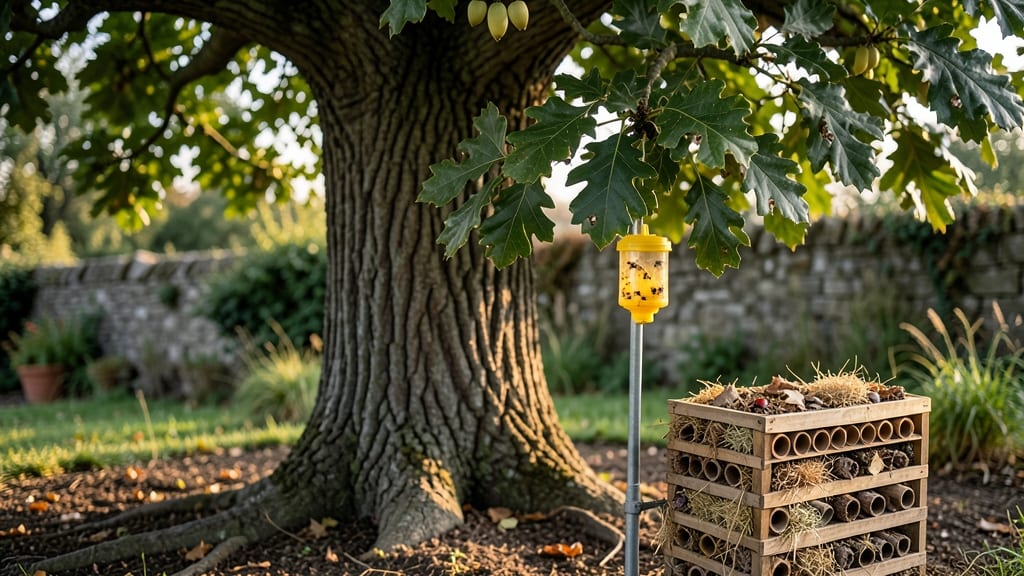
Protecting trees from pests starts with understanding their silent signals before damage becomes visible. 🌳 I learned the hard way—my oak’s leaves turned brown overnight, and by the time I spotted the borers, the tree was already weakened.
The key isn’t just treating symptoms but building defenses that pests can’t bypass.
Most solutions focus on natural barriers like neem oil sprays, beneficial nematodes, or physical guards (like tree wraps). These work long-term because they don’t just kill pests—they disrupt their life cycles. For example, companion planting with pest-repelling herbs or installing deer-resistant fencing can save a tree before it’s ever threatened.
You’ll spot early warning signs—sawdust-like frass, chewed leaves, or sticky sap—and act before pests take over. A healthy tree fights off invaders better, so proper watering, mulching, and pruning are your first line of defense. Think of it like armor: the stronger the tree, the harder it is to breach.
When pests strike, timing matters. Early spring is for preventative sprays, while summer requires monitoring for new infestations. And if you’re dealing with something like emerald ash borers, calling an arborist early can mean the difference between saving and losing the tree.
📚 In This Guide
- What you need
- Instructions
- Tips and common mistakes
- Wrapping up and next steps
What you need
- ● Tree guards (plastic or metal): 1–2 per tree (adjust size to trunk diameter + 6–12 inches of height).
- ● Look for UV-resistant or reflective options for extra durability.
- ● Burlap or landscape fabric: 10–20 feet (enough to wrap around trunks or mulch bases).
- ● Organic mulch: Wood chips, straw, or pine needles (3–4 inches deep, keep 6+ inches away from trunk).
- ● Avoid dyed or treated mulch—stick to natural options!
- ● Neem oil (100% cold-pressed): 16–32 oz (for sprays or soil drenches).
- ● Hose with spray nozzle: Adjustable for fine mist (best for neem oil applications).
- ● Pruning shears: Sharp, sterilized (for removing infested branches).
- ● Gloves (nitrile or rubber): 1 pair (to protect hands from sap/pesticides).
- ● Measuring tape: 6–10 feet (for precise guard placement).
- ● Beneficial nematodes (for soil pests): 1–2 million per application (targets grubs/larvae).
- ● Diatomaceous earth (food-grade): 1–2 lbs (sprinkle around base for crawling insects).
- ● Reflective tape or aluminum foil: 1–2 rolls (wrap trunks to deter pests like deer/mice).
- ● Birdhouses or bat boxes: 1–2 units (encourages natural predators like birds and bats!).
- ● Soil moisture meter: 1 (to monitor hydration—drought-stressed trees attract pests!).
Step-by-Step guide to creating natural pest barriers for trees
Here's the method I trust to keep trees thriving without harsh chemicals.
🌱 Step 1: Inspect and Prepare the Tree Base
Start by examining the tree trunk and surrounding soil for signs of pests like borers, aphids, or bark beetles. Look for small holes, sawdust-like frass, or sticky honeydew on leaves—these are red flags. Gently scrape away any loose bark or debris with a putty knife, being careful not to damage healthy tissue. This removes hiding spots for pests and gives you a clean slate for barrier application.
Next, clear the area within 2 feet of the trunk of weeds, grass, and leaf litter. Use a stiff brush to sweep away debris from the base upward. This reduces shelter for crawling insects and improves airflow, which naturally deters many pests. I like to work on a dry day—wet conditions can make the soil too sticky for proper barrier placement.
💧 Step 2: Apply Organic Mulch as a Physical Barrier
Spread a 3-inch layer of coarse wood chips or pine straw in a wide ring around the tree, extending 3 feet outward from the trunk. Avoid piling mulch directly against the bark—leave a 2-inch gap to prevent moisture buildup that can rot the trunk. This mulch ring disrupts the movement of crawling pests like slugs, cutworms, and ants while also suppressing weeds.
For added protection, mix 1 cup of diatomaceous earth into the top inch of soil at the tree's drip line. This natural powder kills soft-bodied insects like aphids and mites by dehydrating them, but it's harmless to mammals and birds once settled. Reapply after rain, as water washes it away. I always wear a mask when handling diatomaceous earth—it's non-toxic but can irritate lungs if inhaled.
☀️ Step 3: Install Reflective Tape or Netting for Flying Pests
Wrap 18-inch strips of reflective aluminum tape around the trunk in a spiral pattern, overlapping edges slightly. The flashing light confuses flying insects like leaf miners and borers, making them less likely to land. Secure the tape with small plastic clips to prevent wind damage. This method works best on young trees where pests haven't yet established colonies.
For trees prone to fruit fly or wasp infestations, drape fine mesh netting over the canopy during peak pest season. Use ½-inch hardware cloth for ground-dwelling pests like voles, securing it with stakes around the base. Check the netting weekly for tears and repair with twist ties. I've seen dramatic reductions in fruit damage within weeks of installing these barriers—especially on apple and pear trees.
✂️ Step 4: Introduce Beneficial Predators and Companion Plants
Plant marigolds, garlic, or chives in a ring around the tree's perimeter. These companion plants release natural compounds that repel pests like Japanese beetles and nematodes. Space them 12 inches apart and water deeply after planting to help them establish quickly. The strong aromas mask the tree's scent, making it less attractive to foraging insects.
Release ladybug larvae or parasitic wasps in the early morning when temperatures are below 75°F to avoid stressing the beneficial insects. These predators target caterpillars, aphids, and scale insects that commonly attack trees. I order mine from reputable suppliers and release them directly onto infested branches. For best results, repeat applications every 4-6 weeks during the growing season.
🪴 Step 5: Monitor and Maintain Seasonal Protection
Check the tree weekly for new pest activity, focusing on the undersides of leaves and along branch crevices. Early detection is key—catching infestations before they spread prevents long-term damage. Prune away heavily infested branches with sterilized shears and dispose of them in sealed bags to prevent reinfestation.
In late fall, apply a 1-inch layer of fresh mulch and top it with horticultural oil mixed with water (1:9 ratio) to smother overwintering eggs. This double barrier ensures pests don't survive the winter to return in spring. I also like to spray the trunk with neem oil in early spring as a preventive measure—it's effective and breaks down quickly in the environment.
Tips & tricks for creating effective natural pest barriers
These practical strategies will help you maximize the effectiveness of your tree protection system while avoiding common pitfalls.
Seasonal Timing Matters: The early morning release of ladybug larvae or parasitic wasps at temperatures below 75°F is critical for their survival and effectiveness. I've found that releasing them between 6-8 AM gives them the best chance to establish themselves before the heat of the day sets in. This timing also helps prevent stress to these beneficial insects, which can reduce their pest-fighting efficiency.
Mulch Placement Precision: When applying that 3-inch layer of coarse wood chips in Step 2, pay special attention to maintaining that 2-inch gap between mulch and trunk. I've seen many gardeners accidentally pile mulch directly against the bark, which can trap moisture and create ideal conditions for fungal growth. Use a straightedge or level to create a clean, even line around the trunk for optimal airflow and protection.
Companion Plant Spacing: The 12-inch spacing between marigolds, garlic, or chives in Step 4 is designed to create a dense enough barrier while allowing each plant to thrive. I've noticed that when gardeners crowd these plants too closely, they compete for nutrients and water, weakening their pest-repelling abilities. Space them evenly and water deeply after planting to help them establish strong root systems quickly.
Reflective Tape Application: For the 18-inch strips of reflective aluminum tape in Step 3, I recommend overlapping edges slightly to eliminate any gaps that pests could use to access the trunk. The flashing light should create a continuous barrier around the entire circumference of the tree. Secure the tape with small plastic clips every 6-8 inches to prevent wind damage, especially on taller trees where the tape may be more exposed to elements.
Pro Tips for Protect Trees From Pests
- These practical strategies will help you maximize the effectiveness of your tree protection system while avoiding common pitfalls.
- Seasonal Timing Matters: The early morning release of ladybug larvae or parasitic wasps at temperatures below 75°F is critical for their survival and effectiveness.
- Mulch Placement Precision: When applying that 3-inch layer of coarse wood chips in Step 2, pay special attention to maintaining that 2-inch gap between mulch and trunk.
Frequently asked questions
What are the most common tree pests I should watch for?
Look out for aphids, borers, bark beetles, spider mites, and scale insects—they’re the usual troublemakers. Signs include holes in bark, sticky residue (honeydew), wilting leaves, or sawdust-like frass. Early detection is key! Check your trees seasonally, especially after rain or extreme heat.
When is the best time of year to treat trees for pests?
Spring and early summer are peak times—pests are most active when new growth appears. However, fall treatments (September–October) can prevent overwintering bugs. Avoid treating during extreme heat or drought, as stressed trees are more vulnerable. Pro tip: Monitor year-round for early signs!
Are natural pest barriers as effective as chemical sprays?
Absolutely!
Natural barriers like neem oil, kaolin clay, or physical guards (tree wraps) work just as well for prevention. Chemicals kill pests but harm beneficial insects and soil health. Natural methods disrupt pest life cycles without collateral damage. For severe infestations, combine barriers with targeted organic sprays.
My tree has pests—what’s the first step I should take?
Don’t panic! Isolate the tree to prevent spread, then inspect closely for pest type and damage. Remove heavily infested branches (sterilize pruners with rubbing alcohol) and clean up fallen debris. Next, apply a natural barrier (like kaolin clay) and monitor daily. If pests persist, consult a certified arborist.
Can I protect young trees the same way as mature ones?
Young trees need extra TLC! Use smaller-scale barriers (like collars or lightweight sprays) and handpick pests (aphids, caterpillars) when possible. Mature trees can handle physical guards (like tree wraps), but young ones may need gentler solutions like soapy water sprays or beneficial nematodes for soil-dwelling pests.
Wrapping up and next steps
Protecting your trees from pests doesn’t have to be complicated or harmful to the environment—small, consistent efforts make a big difference! 🌱 From natural barriers like copper tape and neem oil to preventive measures like proper pruning and soil health, these strategies keep your trees thriving long-term.
Start with one or two methods that fit your yard, and watch your green companions flourish.
Ready to take action? Pick a tree today, grab your supplies, and give it the care it deserves. Your future canopy—and the local wildlife—will thank you! 🌳💚