
Trees
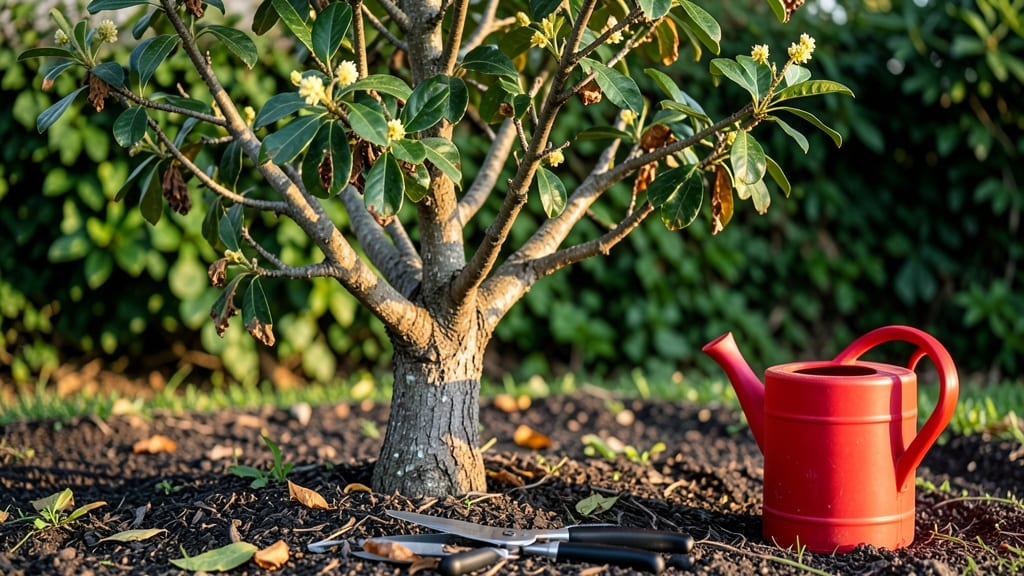
When your guava tree leaves start drying up, it’s a cry for help—not just from the plant, but from your gardening instincts. 🌿 I’ve watched this happen after a single missed watering or when pests move in unnoticed, and the good news is most cases are fixable with the right approach.
The key is acting fast before the damage spreads to branches or fruit.
Start by checking the soil moisture—dry, crumbly soil means thirsty roots, while soggy soil signals overwatering. Look for pests like spider mites or scale insects hiding on the undersides of leaves, and inspect for fungal spots or discoloration that could point to disease.
Once you identify the root cause, you’ll know whether to adjust your watering, apply a targeted treatment, or give the tree a nutrient boost.
📚 In This Guide
- What you need
- Instructions
- Tips and common mistakes
- Wrapping up and next steps
What you need
- ● Pruning shears or secateurs – Sharp, sterilized (70% isopropyl alcohol), for trimming affected leaves and branches.
- ● Gloves – Heavy-duty, chemical-resistant (to protect from sap and fertilizers).
- ● Fungicide spray – Copper-based or neem oil-based (e.g., Bonide Copper Fungicide or Neem Bliss).
- ● Organic fertilizer – Balanced (10-10-10 or 6-6-6 NPK ratio), slow-release (e.g., Dr. Earth Organic 5 Tomato, Vegetable & Herb Fertilizer).
- ● pH testing kit – Digital or liquid test strips to check soil acidity (ideal: 6.0–7.0).
- ● Well-draining potting mix – For repotting (if needed): 60% peat moss, 30% perlite, 10% compost.
- ● Watering can or hose with adjustable nozzle – For deep, even watering (avoid overhead spraying).
- ● Plastic sheeting or tarp – 6’x8’ or larger (to cover soil during rain or heavy watering).
- ○ Mulch (optional but helpful) – Shredded bark or straw (2–3 inches thick) to retain moisture.
- ● Humidity tray – For indoor guava trees (pebble tray + water).
- ● Epsom salt – 1 tbsp per gallon of water (for magnesium deficiency check).
- ● Garden twine or stakes – To support weak branches.
- ● UV protective spray – For sun-scorched leaves (e.g., Bonide Garden Spray).
How to diagnose and fix guava tree leaf drying
Here's my go-to method for bringing life back to struggling guava trees.
🌿 Step 1: Identify the Root Cause of Drying Leaves
Start by examining the drying pattern. If leaves turn yellow first at the edges and progress inward, it's often a sign of overwatering or poor drainage. Check the soil—if it stays soggy more than a day after watering, you're drowning the roots. Guava trees actually prefer slightly dry conditions between waterings.
Look for other clues: brown, crispy leaves usually mean underwatering or high temperatures. Feel the soil down 2-3 inches—if it's bone dry, your tree needs immediate hydration. Also check for pests like spider mites or aphids, which suck sap and cause leaf edges to dry out prematurely. I like to shake leaves over a white sheet to spot tiny webs or sticky residue.
💧 Step 2: Adjust Watering and Soil Conditions
Guava trees need deep but infrequent watering. Water only when the top 4-6 inches of soil feel completely dry—stick your finger in to check. When you do water, soak the root zone thoroughly until water runs out the drainage holes. This encourages deep root growth rather than shallow, weak roots that dry out quickly.
If your soil drains poorly, mix in 2-3 inches of coarse sand or perlite to improve aeration. I've found that guava trees in heavy clay soil often suffer from root rot, which causes leaves to yellow and dry. For container-grown trees, ensure pots have drainage holes and use a cactus/succulent mix amended with perlite.
☀️ Step 3: Optimize Light and Nutrients for Recovery
Guava trees thrive in full sun (6+ hours daily), but if leaves are drying from heat stress, provide afternoon shade during peak summer months. You'll know it's too hot when new leaves appear curled or scorched at the edges. A light mulch of 2-3 inches of wood chips helps retain moisture and regulate soil temperature.
Feed your tree with a balanced 10-10-10 fertilizer diluted to half strength every 6-8 weeks during growing season. Yellowing between veins often signals nitrogen deficiency, while brown leaf tips can mean too much salt. Always water before fertilizing to prevent root burn. I've seen trees recover completely within 4-6 weeks of proper care once the stress factors are addressed.
Tips & tricks for revitalizing guava tree foliage
Here's what I've learned from years of nursing back guava trees—these little details make all the difference.
Diagnosis Tip: Pay close attention to the drying pattern on leaves. If you notice yellowing starting at the edges and moving inward, this is your first clue that overwatering or poor drainage might be the culprit. I've seen many gardeners overcompensate by watering even more when they spot this, which only makes the problem worse. Remember, guava trees actually prefer to dry out slightly between waterings—think of them more like succulents than tropical plants.
Soil Test Hack: For that 2-3 inch soil check mentioned in Step 1, I like to use a clean wooden skewer or chopstick instead of my finger. It gives me a clearer picture of moisture levels at different depths. If the skewer comes out clean and dry, that's your signal to water. If it's damp, wait another day or two. This simple tool has saved me from both underwatering and drowning my trees.
Pest Prevention: When checking for spider mites or aphids in Step 1, I recommend doing this early in the morning when pests are most active. Shake a branch over a white towel or paper plate—you'll be amazed at how much debris and tiny critters you'll find. If you spot any, a strong spray of water can often dislodge them. For persistent infestations, I've had great success with neem oil mixed with water (1 tablespoon per quart) applied in the evening when bees aren't active.
Fertilizer Timing: When it comes to that 6-8 week feeding schedule in Step 3, I've found that timing matters just as much as the fertilizer itself. Always apply it in the morning so the tree has plenty of daylight to process the nutrients. I also like to split the recommended dose into two applications—half in the morning and half in the evening—especially during hot weather. This helps prevent salt buildup in the soil that can cause those brown leaf tips you want to avoid.
Pro Tips for Guava Tree Leaves Drying Up
- Here's what I've learned from years of nursing back guava trees—these little details make all the difference.
- Diagnosis Tip: Pay close attention to the drying pattern on leaves.
- Soil Test Hack: For that 2-3 inch soil check mentioned in Step 1, I like to use a clean wooden skewer or chopstick instead of my finger.
Frequently asked questions
about guava tree leaves drying up—because even the most patient gardeners need quick answers! Here’s what we hear most often:Why are my guava tree leaves drying up so fast?
Guava trees often lose leaves quickly due to underwatering or overwatering, nutrient deficiencies (like nitrogen or potassium), or pests like spider mites. Check the soil moisture—it should feel damp but not soggy. Yellowing edges also hint at low humidity or salt buildup from tap water. Act fast: prune damaged leaves and adjust your care routine!
How long does it take for guava leaves to recover?
Recovery time varies! With proper care (consistent watering, balanced fertilizer, and pest control), new leaves may appear in 2–4 weeks. Severe cases (like root rot) can take 6–8 weeks or longer. Monitor your tree closely—if leaves keep crisping after 3 weeks, consult a local arborist for deeper issues like fungal infections.
Can I save a guava tree if all leaves are drying up?
Yes, but act immediately! Start by trimming only the brown/crispy leaves (never healthy ones). Repot if root-bound, and move the tree to partial shade temporarily. If the trunk feels soft or mushy, root rot may be the culprit—repot in fresh, sterile soil and reduce watering. Patience is key!
What’s the best fertilizer for reviving guava leaves?
Use a balanced, slow-release fertilizer (like 10-10-10 or 20-20-20) diluted to half-strength. For nitrogen-deficient trees, try a fish emulsion or seaweed extract. Avoid high-salt fertilizers—they worsen leaf burn. Feed every 4–6 weeks during growing seasons (spring/summer), and stop fertilizing in fall/winter.
Are pests the main reason for drying guava leaves?
Pests like spider mites, scale insects, or aphids can cause leaves to dry out by sucking sap. Look for tiny webs, sticky residue, or speckled yellowing. Treat with neem oil (mix 1 tbsp per gallon of water) or insecticidal soap. Repeat every 5–7 days until pests vanish. Healthy trees resist pests better—so prioritize proper watering and sunlight!
Wrapping up and next steps
Don’t let wilting guava leaves dim your harvest hopes—your tree is fully recoverable with the right care! 🌿 By diagnosing the root cause (nutrient deficiency, pests, or overwatering) and applying the steps above, you’ll restore vibrant foliage and bountiful fruit in no time. Start small: pick one solution (like pruning or fertilizing) and monitor progress weekly.
With patience and consistency, your guava tree will thrive again—promise!
- Next step: Schedule a quick check-in with your tree every 2 weeks to track improvements.
- Share your progress! Tag us in your before-and-after photos for extra tips.