
Pruning
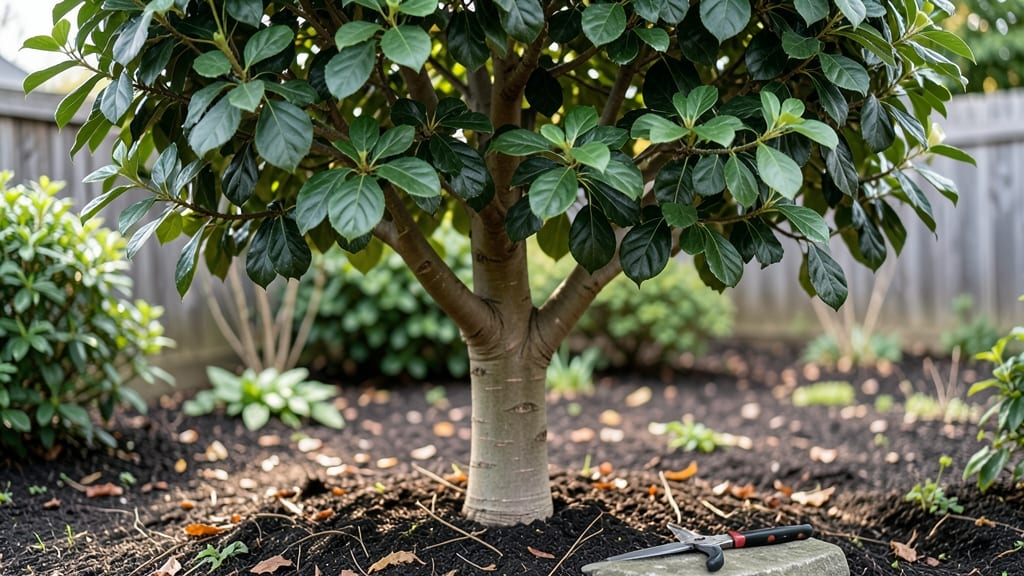
When your sakura tree looks tired after spring’s spectacular blooms, summer pruning is the secret to stronger roots and next year’s showstopping flowers. 🌸 I’ve watched my own cherry blossom tree go from droopy to vibrant after just one careful session—it’s all about timing, technique, and knowing what to cut (and what to leave).
The summer months transform your sakura from a floral star to a leafy workhorse, storing energy for winter. You’ll notice deeper green foliage, thicker branches, and fewer pests if you prune now—just avoid heavy cuts that stress the tree.
Focus on shaping, thinning crowded spots, and removing dead wood. It’s not about drastic changes, but strategic trims that keep the tree healthy without sacrificing next spring’s blooms.
What you’ll end up with is a sakura that thrives through heat waves, resists common summer pests, and sets the stage for even more dramatic flowers next year.
The key is working with the tree’s natural rhythm: prune after blooms fade but before fall dormancy, and always sterilize your tools to prevent disease. Even a small effort now means a stronger, more reliable tree in seasons to come.
This works for both young and mature trees, though the approach differs slightly—older trees need more structural support, while younger ones benefit from shaping early. The goal is always the same: a tree that looks beautiful now and performs even better tomorrow. Let’s get those pruners ready!
📚 In This Guide
- What you need
- Instructions
- Tips and common mistakes
- Wrapping up and next steps
What you need
- ● Pruning shears – Bypass pruners (sharp, 6-8 inch blades) for clean cuts on smaller branches.
- ● Loppers – For thicker branches (1-2 inches in diameter)—look for bypass or anvil types with comfortable grips.
- ● Pruning saw – For branches over 2 inches thick (a curved-tooth saw works best for wood).
- ● Disinfectant (70% isopropyl alcohol or bleach solution) – 1 part bleach to 9 parts water to sterilize tools between cuts and prevent disease.
- ● Gloves – Heavy-duty gardening gloves to protect your hands from thorns and rough bark.
- ○ Pruning sealant (optional but helpful) – Tree wound sealant to coat larger cuts and reduce sap loss (only for cuts over ½ inch).
- ● Ladder or step stool – Sturdy and tall enough to reach the tree’s canopy safely (extendable ladders work well for larger trees).
- ● Heavy-duty trash bags or bucket – For collecting pruned branches and debris.
- ● Notebook and pencil – To sketch the tree’s structure and mark cuts before pruning.
- ● Safety gear – Safety glasses and long sleeves/pants to protect against debris and sap.
- ● Extension pole pruners – For hard-to-reach branches without a ladder.
- ● Tree bandage or tape – For larger wounds (alternative to sealant).
- ● Garden hose – To clean tools and rinse sap off your hands post-pruning.
- ● Camera or phone – To document the tree’s condition before and after pruning.
Step-by-Step guide for pruning a sakura tree in summer
Here's how to refresh your tree while keeping next year's blossoms healthy and abundant.
✂️ Step 1: Identify and Remove Dead or Diseased Branches
Start by scanning the tree from top to bottom for any branches that look dry, cracked, or discolored. Dead wood is often lighter in color and snaps easily when bent. I always work with sharp, sterilized pruning shears to make clean cuts—dull blades tear bark and invite infection.
Cut these branches back to the nearest healthy growth point or branch collar. The collar is that swollen area where the branch meets the trunk, and it's where the tree naturally heals. Never leave stubs—this just creates entry points for pests and disease. If a branch is larger than 2 inches in diameter, use a pruning saw instead.
✂️ Step 2: Thin Out Overcrowded or Rubbing Branches
Next, focus on branches that are crossing or rubbing against each other. These create wounds that weaken the tree and can lead to infections. I look for branches that grow inward toward the center of the tree—these are the ones that compete for sunlight and air circulation.
Remove about one-third of these branches, cutting back to the branch collar. Always make your cuts at a 45-degree angle just outside the collar. This encourages the tree to seal the wound properly. If you're unsure which branches to remove, prioritize the smaller ones—this helps maintain the tree's natural shape while improving airflow.
✂️ Step 3: Prune for Shape and Airflow
Now it's time to shape the tree while keeping next year's blooms in mind. Sakura trees bloom on old wood, so avoid heavy pruning of mature branches—they carry next year's flower buds. Instead, focus on light shaping by trimming back any branches that are growing too close together or are disrupting the tree's natural form.
Use your hand as a guide—if you can't fit it between two branches, they're too close. For larger branches, step back and look at the tree as a whole. You want to maintain an open canopy that lets sunlight reach the center. Never remove more than 25% of the tree's foliage in one session—this can stress the tree and reduce next year's bloom potential.
💧 Step 4: Clean Up and Apply Wound Treatment
After pruning, gather all the debris and remove it from the area to prevent disease spread. I like to use a small broom to sweep up any fallen leaves or twigs. Once the area is clear, inspect the larger cuts for any signs of tearing or rough edges.
Apply a thin layer of pruning sealant to these cuts to protect the tree from pests and disease. For smaller cuts, the tree's natural healing process will handle it just fine. Water the base of the tree deeply to help it recover from the pruning stress. This is especially important if you've pruned during a dry spell—sakura trees need consistent moisture to heal properly.
Tips & tricks for perfect sakura tree summer pruning
Took me years to figure out how to prune my sakura tree without sacrificing next year's blossoms—and here's what actually works.
The Timing Secret: Summer is the ideal time to prune because the tree is actively growing but hasn't yet set next year's flower buds. Focus your efforts on removing branches that are dead, crossing, or growing inward. This improves airflow and sunlight penetration without stressing the tree's blooming potential. In Step 1, when you're removing dead branches, look for the classic "branch collar" where the branch meets the trunk—this is your guide for clean cuts that heal properly.
Tool Essentials: Never skip sterilizing your pruning shears between cuts! I learned this the hard way after my tree developed infections. Use rubbing alcohol or a 10% bleach solution to clean blades between each branch. For branches larger than 2 inches in diameter (Step 1), a pruning saw is a must—don't try to force shears through thick branches. The right tools make all the difference in clean cuts that heal faster.
Shape with Intention: In Step 3, when shaping your tree, think about creating an open canopy that lets sunlight reach the center. You can fit your hand between branches as a simple test for proper spacing. Remember, sakura trees bloom on old wood, so avoid heavy pruning of mature branches. Instead, focus on light shaping—never remove more than 25% of the foliage in one session. This preserves next year's blossoms while keeping your tree healthy.
Post-Pruning Care: After finishing Step 4, don't forget to water deeply—especially if you've pruned during a dry spell. I always give my tree a thorough watering to help it recover from the stress. For larger cuts, apply a thin layer of pruning sealant to protect against pests and disease. This small step can prevent bigger problems down the road.
Pro Tips for Sakura Tree In Summer
- Took me years to figure out how to prune my sakura tree without sacrificing next year's blossoms—and here's what actually works.
- The Timing Secret: Summer is the ideal time to prune because the tree is actively growing but hasn't yet set next year's flower buds.
- Tool Essentials: Never skip sterilizing your pruning shears between cuts!
Frequently asked questions
Why should I prune my sakura tree in summer?
Summer pruning helps remove dead or weak branches, improves airflow, and redirects energy toward stronger growth for next year’s blooms. Since sakura trees bloom on new wood, strategic cuts now encourage vibrant spring flowers. Plus, it’s less stressful for the tree than winter pruning!
When is the best time to prune a sakura tree in summer?
The ideal window is after the tree finishes blooming (late spring) but before late summer. Aim for June or early July—this balances growth stimulation with recovery time. Avoid pruning during extreme heat or drought to prevent stress.
How much can I trim without harming my sakura tree?
Limit cuts to 15–25% of the tree’s canopy per year. Focus on removing:
- Dead/diseased branches
- Crossing or rubbing branches
- Suckers at the base
What if my sakura tree isn’t blooming well after pruning?
Poor blooms often stem from over-pruning or nutrient imbalance. Ensure your tree gets:
- Balanced fertilizer (high in phosphorus)
- Consistent watering (deep, infrequent soakings)
- Mulch to retain moisture
Can I prune a young sakura tree the same way?
Young trees (under 3 years) need gentle shaping to establish structure. Focus on:
- Removing competing leaders (weak central stems)
- Thinning crowded branches
- Avoiding heavy cuts—let them grow naturally
Wrapping up and next steps
Pruning your sakura tree in summer isn’t just about trimming—it’s an investment in next year’s breathtaking blooms! 🌸 By removing dead wood, thinning dense branches, and shaping strategically, you’re giving your tree the best chance to thrive.
Remember, timing, technique, and tools are your allies, so take your time and enjoy the process.
Ready to see your sakura flourish? Grab your pruners and start small—even a few cuts can make a big difference. Next up: Keep an eye on your tree’s growth over the seasons and repeat this care routine to ensure stunning blossoms for years to come!