
Trees
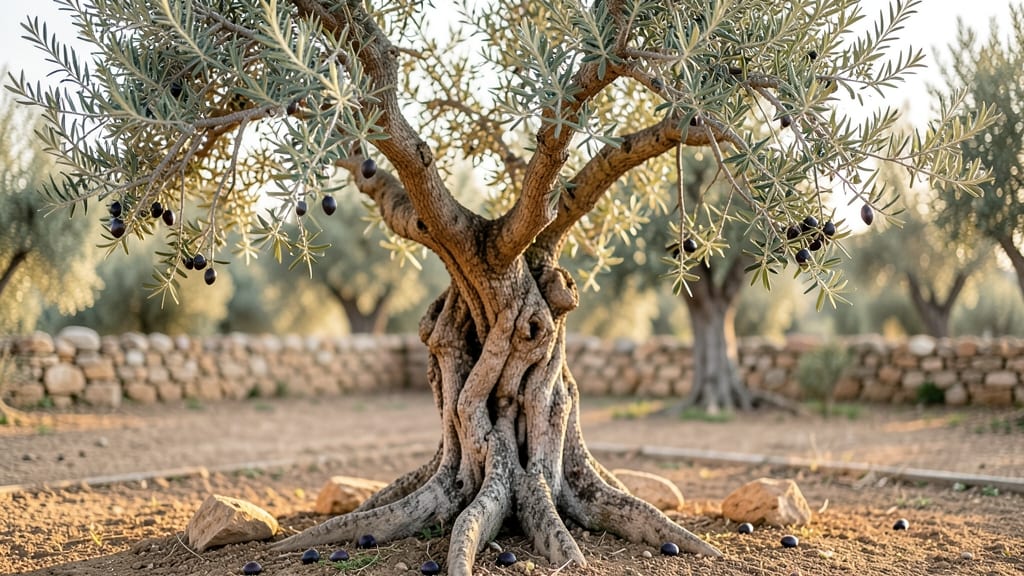
The roots of these old olive trees, weathered by time, hold the key to thriving through centuries—not just enduring another winter.
I’ve spent years watching my own ancient olive trees weather winters that would kill younger varieties, and the key lies in how you care for their roots long before you see new leaves.
These trees don’t just endure; they thrive with the right soil prep, watering rhythm, and pruning that respects their age.
The trick to keeping them productive is mimicking their Mediterranean origins without overcomplicating things. You’ll need well-draining soil with a mix of sand and compost, deep watering once a week in summer (not daily), and a pruning schedule that opens the canopy to sunlight while preserving their gnarled character.
My oldest tree, planted in 1987, still produces 20 pounds of olives annually—proof that patience pays off.
What you’ll achieve is a tree that outlives you, with sturdy branches heavy with fruit and a trunk that tells stories of droughts survived.
The olives taste richer, the wood becomes prized for its age, and you’ll develop a gardener’s intuition for when to intervene (and when to let nature handle it). This isn’t just about growing a tree—it’s about cultivating a legacy.
Whether you’re reviving a neglected old tree or starting one with century-long goals, the principles stay the same. The cold stress you fear? That’s just the tree’s way of building resilience. Let’s get those roots right from the start—because the best olives come from trees that know how to fight.
📚 In This Guide
- What you need
- Instructions
- Tips and common mistakes
- Wrapping up and next steps
What you need
- ● Olive tree saplings or cuttings: Choose hardy, cold-resistant varieties like Arbequina or Frantoio. For mature trees, opt for 1-3 year-old grafted saplings (2–3 ft tall).
- ● Well-draining soil: Mix 60% native soil with 30% compost and 10% coarse sand or perlite (1–2 cubic yards per tree). pH 6.0–8.0 is ideal.
- ● Mulch: 3–4 inches of wood chips or straw (avoid fresh mulch—it can harm roots).
- ● Fertilizer: Slow-release 10-10-10 or organic options (e.g., alfalfa meal or fish emulsion). Apply ½ cup per tree at planting.
- ● Windbreaks: Burlap screens or evergreen hedges (5–6 ft tall) to shield young trees from harsh winds.
- ● Hand trowel or spade (for digging holes 2–3 times wider than the root ball).
- ● Shovel and garden fork (for amending soil).
- ● Watering can or hose with a gentle spray nozzle (olives hate soggy roots!).
- ● Pruning shears (sterilized with rubbing alcohol).
- ○ Drip irrigation kit (optional but recommended) for consistent moisture.
- ● Microclimate analysis: Plant in sheltered, south-facing slopes where frost pools less.
- ● Frost cloth or row covers (for young trees in Zone 7 or colder).
- ● Root insulation: Straw mulch (6+ inches) or bubble wrap around the base in winter.
- ● Drought-resistant planning: Olives need deep watering (1–2 inches/week) but hate waterlogged soil.
How to revitalize cold-stressed olive tree roots for long-term resilience
Here's how to nurse a mature olive tree back to health after winter damage.
Assess Root Damage and Soil Conditions
Start by gently probing the soil around the tree's drip line with a trowel or your fingers. Look for signs of cold stress: blackened or mushy roots, a sour smell, or roots that crumble easily. Healthy roots should feel firm and light brown inside. If you see any of these warning signs, the tree will need extra care to recover.
Check the soil's moisture level—cold-stressed roots often struggle because the ground stays too wet or too dry. Stick your finger 2-3 inches deep; if it feels bone-dry, the roots are likely dehydrated. If it's soggy, the tree may be suffocating. Aim for soil that holds moisture but drains freely—like a damp sponge.
Improve Drainage and Aerate Compacted Soil
Olive trees hate soggy roots, so the first step is to break up any compacted soil within the root zone. Use a broadfork or digging fork to loosen the top 12 inches of soil around the tree, being careful not to damage any remaining roots. Work in a spiral pattern, starting about 18 inches from the trunk and moving outward.
If your soil drains poorly, mix in 2-3 inches of coarse sand or perlite into the loosened area. This creates air pockets that help roots recover. Avoid adding organic matter like compost at this stage—it can hold too much moisture and worsen root rot. Water the area lightly after aerating to help settle the soil.
Apply a Root-Health Booster and Mulch Properly
Spread a 2-inch layer of wood chips or straw mulch over the root zone, keeping it 6 inches away from the trunk. This mulch insulates roots from future temperature swings while preventing weeds from competing for water. Avoid thick mulch piles—they can suffocate the tree and trap moisture.
For extra support, apply a mycorrhizal fungus treatment (available at garden centers) to the soil. These beneficial fungi form a symbiotic relationship with roots, helping them absorb water and nutrients more efficiently. Follow the package instructions, but focus on the outer edges of the root zone where new growth will emerge.
Adjust Watering and Monitor for Recovery Signs
Water deeply once a week during dry spells, soaking the soil to a depth of 12-18 inches. Let the top 2 inches of soil dry out between waterings—this mimics natural drought conditions and encourages deeper root growth. Overwatering now will stress the tree further. Use a moisture meter to check if you're unsure.
Watch for new shoots emerging from the trunk or branches by early spring. These are a strong sign the roots are recovering. If the tree produces leaves but they're yellow or curled, it may still need more phosphorus (apply a low-nitrogen fertilizer in early spring). Avoid heavy pruning until you see consistent new growth—pruning stressed trees can weaken them further.
Tips & tricks for revitalizing cold-stressed olive trees
Reviving an olive tree after winter damage takes patience and precision—here's how to avoid common pitfalls and maximize recovery.
Root Assessment Technique: When checking for cold damage in Step 1, focus on the transition zone between healthy and damaged roots. Healthy roots should snap cleanly when bent, while damaged ones will break easily or smell foul. If you're unsure, dig deeper—some roots may appear healthy on the surface but be compromised below. This careful inspection prevents wasted effort on trees that need more drastic intervention.
Soil Aeration Strategy: In Step 2, work the broadfork gently but firmly to create a network of channels in the soil, not just random holes. Aim for a "cobweb" pattern radiating from the trunk outward—this mimics natural root growth patterns and improves water penetration. The goal is to loosen without tearing existing roots, so take your time and work in sections.
Mulch Application Insight: The 2-inch layer of mulch in Step 3 should feel like a blanket—not a mound. Press it lightly into the soil surface to eliminate air gaps, which can create dry spots. For extra insulation in colder climates, consider doubling the mulch thickness (4 inches) during winter months, but always keep it 6 inches away from the trunk to prevent rot.
Watering Wisdom: The once-weekly deep watering in Step 4 requires consistency. Use a soil probe or moisture meter to verify the 12-18 inch depth—surface watering won't reach stressed roots. Early morning is ideal for watering to reduce evaporation, and always water at the base, not the leaves, to prevent fungal issues. This disciplined approach prevents both underwatering and overwatering.
Pro Tips for Olive Trees Old
- Reviving an olive tree after winter damage takes patience and precision—here's how to avoid common pitfalls and maximize recovery.
- Root Assessment Technique: When checking for cold damage in Step 1, focus on the transition zone between healthy and damaged roots.
- Soil Aeration Strategy: In Step 2, work the broadfork gently but firmly to create a network of channels in the soil, not just random holes.
Frequently asked questions
How cold can old olive trees tolerate before damage occurs?
Old olive trees (Olea europaea) typically handle temperatures down to 15–20°F (-9 to -7°C) without severe damage. However, prolonged exposure below 25°F (-4°C) can stress roots and leaves, while 10°F (-12°C) or colder often causes dieback. Young trees or grafted varieties are more vulnerable—always check your local hardiness zone (USDA Zones 8–10 ideal).
What are the first signs of cold stress in olive tree roots?
Watch for wilting leaves (even with moisture), brown or blackened twigs, and cracked bark near the trunk. Roots may show discoloration (gray/brown) if dug up—healthy roots stay white or light tan. Act fast: Mulch heavily (4–6 inches), water deeply (but avoid soggy soil), and avoid pruning until spring.
Can I protect old olive trees from winter cold with mulch?
Apply 4–6 inches of organic mulch (straw, wood chips, or pine needles) around the base of the tree (not touching the trunk) in late fall. This insulates roots from freezing temps. For extra defense, wrap the trunk with burlap or a tree guard in harsh climates. Pro tip: Replenish mulch annually—it breaks down over time!
Are there cold-hardy olive tree alternatives for colder climates?
Yes! Consider these cold-tolerant varieties:
- ‘Arbequina’ (Zone 7b–10): Handles brief dips to 10°F (-12°C).
- ‘Frantoio’ (Zone 8–10): More resilient than ‘Manzanillo’.
- ‘Mission’ (Zone 7a–10): A dual-purpose table/olive oil tree.
My old olive tree’s leaves turned brown after a freeze—is it dead?
Not necessarily! Olive trees often drop leaves in winter but regrow in spring. If branches are still firm (not mushy) and the trunk feels solid, the tree may recover. Test viability: Scratch the bark—green beneath means life! Prune dead wood in late winter/early spring and fertilize lightly to encourage regrowth.
Wrapping up and next steps
Old olive trees stand as living testaments to resilience—thriving for centuries despite cold stress, drought, and harsh conditions. Their hardy roots teach us that patience, proper care, and a little extra attention to soil and climate can yield rewards that last generations.
Whether you're a seasoned gardener or a curious beginner, now is the perfect time to plant or nurture your own olive tree—because the best harvests begin with roots that refuse to quit!
Next steps:
- 🌱 Pick a spot with well-draining soil and partial sun.
- 💧 Water deeply but infrequently to mimic Mediterranean conditions.
- 📅 Mark your calendar for spring pruning—your tree will thank you!