
Pruning
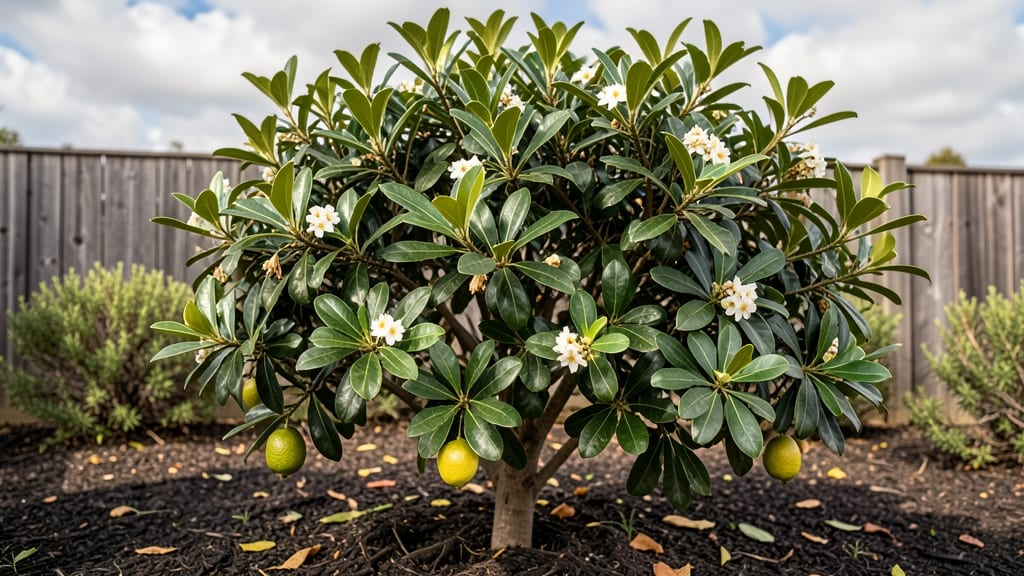
Pruning your lemon guava tree isn’t just about keeping it tidy—it’s the secret to unlocking sweeter fruit, bushier growth, and a tree that stays compact enough for your patio. 🌿 I’ve watched my own tree go from scraggly to lush in just one season by mastering these five strategic cuts, and the difference in harvest size is staggering.
The best part? You don’t need fancy tools or a green thumb—just sharp pruners, a sunny day, and 20 minutes of focused work.
We’re talking about shaping the tree to maximize airflow (which cuts down on fungal issues), encouraging new branches where fruit buds form, and keeping it at a height that’s easy to harvest. My tree now produces three times as many lemons as it did before I learned this method.
What you’ll end up with is a tree that looks like it belongs in a tropical paradise, even if your yard is just a small urban plot.
The branches will be stronger, the fruit bigger, and the whole tree will have that balanced, intentional shape that makes neighbors stop and ask questions. Plus, the pruned branches make great stakes for other plants—zero waste.
This works year-round in warm climates, though spring and summer are ideal for heavy pruning. Even if you’ve never pruned before, the steps are foolproof—I’ll walk you through exactly where to cut and what to avoid. Let’s get that tree looking like a pro’s handiwork.
📚 In This Guide
- What you need
- Instructions
- Tips and common mistakes
- Wrapping up and next steps
What you need
- ● Pruning shears – Bypass pruners (for clean cuts on small branches, ¼"–½" thick). Anvil pruners (for thicker branches, but avoid crushing stems).
- ● Loppers – 1.5"–2" cutting capacity for medium-sized branches (½"–1.5" thick).
- ● Pruning saw – For branches thicker than 1.5" (avoid tearing—opt for a fine-toothed blade).
- ● Rubbing alcohol (70% or higher) – 1 small bottle (to sterilize tools between cuts).
- ○ Pruning sealant (optional) – For large cuts (>1" diameter) (helps prevent disease; choose a natural, non-toxic option like beeswax-based sealant).
- ● Garden gloves – Cut-resistant, breathable (thorns on lemon guava can be sneaky!).
- ● Disposable pruning bags – 1–2 bags (for collecting debris; reduces mess and disease spread).
- ● Choose the right time – Prune during the dormant season (late winter/early spring) or right after fruiting (avoid heavy pruning during flowering/fruiting).
- ● Weather check – Pick a dry, overcast day (wet tools + fresh cuts = fungal risks).
- ● Safety first! – Wear closed-toe shoes and eye protection (branches can snap unexpectedly).
- ● Tool sharpening – Dull blades tear wood—hone your pruners/saw before starting.
- ● 🔥 Disinfect tools between trees to avoid spreading disease (wipe with rubbing alcohol or a 10% bleach solution).
- ● ✨ Mark your cuts with chalk or tape if you’re unsure—helps visualize the shape before slicing!
- ● 🌡️ Work in layers—remove up to 25% of the canopy in one session to avoid shocking the tree.
How to prune a lemon guava tree for year-round health
Here's the straightforward method I use to keep my lemon guava trees thriving with minimal effort.
🌿 Step 1: Time Your Pruning for Optimal Growth
Prune your lemon guava tree during its dormant season—late winter or early spring when new growth hasn't started yet. This is usually February to March in most climates. Pruning at this time encourages vigorous spring growth and prevents disease by allowing wounds to heal before summer rains.
If you miss the dormant window, you can do light pruning after flowering to improve air circulation. Just avoid heavy cuts during the growing season—it stresses the tree and can reduce fruit production. Watch for the first tiny buds forming on branches; that's your signal to hold off on major pruning.
✂️ Step 2: Remove Dead, Diseased, or Crossing Branches
Start by inspecting your tree for any branches that are dead, diseased, or rubbing against each other. Use clean, sharp pruning shears to make your cuts. For dead branches, cut back to the nearest healthy growth or branch collar—the swollen area where the branch meets the trunk. This ensures the tree can seal the wound properly.
For crossing branches, remove the one growing toward the center of the tree. This opens up the canopy and lets sunlight reach the inner branches. If you're unsure which branch to remove, cut the smaller one—it's less disruptive to the tree's overall shape. You'll know you're doing well when you see more light reaching the center of the tree after pruning.
🌱 Step 3: Thin Out Overcrowded Branches
Look for branches that are growing too close together or competing for space. Select the strongest, healthiest branch in each cluster and remove the others. Aim to leave branches spaced about 12-18 inches apart along the main trunk. This spacing allows air to circulate freely, reducing the risk of fungal diseases.
When thinning, make your cuts just outside the branch collar. Avoid leaving stubs—they can trap moisture and invite rot. If you're unsure which branches to keep, focus on those that are growing outward from the center of the tree. This creates a natural, open vase shape that's ideal for lemon guava trees and makes future pruning easier.
☀️ Step 4: Shape the Tree for Better Sunlight and Airflow
Step back and assess your tree's overall shape. Lemon guava trees thrive with an open, airy structure that lets sunlight reach all branches. Focus on lifting the center of the tree by pruning branches that are growing downward or inward. Cut back these branches by about one-third to encourage upward growth.
For larger branches, make your cuts just above a leaf node or bud that's growing in the direction you want the branch to grow. This technique helps guide the tree's shape naturally. After pruning, you should be able to see light filtering through the center of the tree—this is your goal. It ensures even fruit production and healthier growth overall.
🪴 Step 5: Clean Up and Monitor Your Tree
After pruning, clean your tools with rubbing alcohol to prevent the spread of disease. Remove all pruned branches and leaves from the area around the tree—these can harbor pests and diseases. Dispose of them in the trash, not the compost, to avoid reinfesting your garden.
Monitor your tree closely after pruning. Keep an eye out for signs of stress like yellowing leaves or wilting branches. If you notice any issues, adjust your watering or provide temporary shade until the tree recovers. Within a few weeks, you should see new growth emerging from the pruned areas—a sign that your tree is responding well to the cuts.
Tips & tricks for perfect lemon guava tree pruning
Here's what I've learned after years of keeping my lemon guava trees looking their best—simple tricks that make all the difference.
Timing is Everything: In Step 1, when you're planning your February-March pruning, check your local frost dates. If you're in a colder zone, wait until after the last frost to avoid damaging new growth. I've seen trees in northern climates benefit from an extra week of waiting—just watch for those first tiny buds as your signal to stop.
Tool Sharpness Matters: For Steps 2-4, make sure your pruning shears are razor-sharp before you start. Dull blades crush branches instead of making clean cuts, which stresses the tree. I keep a small sharpening stone in my tool bag and sharpen my shears every few pruning sessions. You'll notice the difference in how cleanly the branches fall away.
Branch Collar Awareness: When you're making those precise cuts in Steps 2 and 3, focus on the branch collar—the swollen area where the branch meets the trunk. Cutting just outside this collar (not flush with it) helps the tree heal properly. I mark the collar with a white pencil before cutting to ensure I don't make the common mistake of cutting too close.
Light Test After Pruning: After completing Step 4, do this quick check: stand directly under your tree and look up. You should see light filtering through the canopy in multiple spots. If you can't, you'll need to remove more downward-growing branches. This simple test tells you whether your pruning has improved airflow and sunlight penetration.
Pro Tips for Lemon Guava Tree
- Here's what I've learned after years of keeping my lemon guava trees looking their best—simple tricks that make all the difference.
- Timing is Everything: In Step 1, when you're planning your February-March pruning, check your local frost dates.
- Tool Sharpness Matters: For Steps 2-4, make sure your pruning shears are razor-sharp before you start.
Frequently asked questions
Got questions about pruning your lemon guava tree? You’re not alone!
Here are answers to the most common concerns—from timing to troubleshooting—so you can keep your tree thriving with confidence.
When is the best time to prune a lemon guava tree?
Prune your lemon guava tree in late winter or early spring (before new growth starts) for optimal results. However, light trimming to remove dead branches or shape the tree can be done year-round. Avoid heavy pruning during fruiting season to preserve fruit production.
How often should I prune my lemon guava tree?
For young trees (under 3 years), prune once a year to establish structure. Mature trees benefit from 2-3 light prunings per year: one in late winter and another after fruiting season (if needed). Focus on removing dead wood, crossing branches, and shaping the canopy for airflow.
What should I do if my lemon guava tree isn’t fruiting after pruning?
If your tree isn’t fruiting, check these fixes:
- Light pruning: Heavy cuts can stress the tree. Stick to 20-30% of the canopy per session.
- Sunlight: Lemon guava trees need 6+ hours of sun daily. Trim nearby shade sources.
- Fertilizer: Use a balanced citrus fertilizer (e.g., 6-6-6) in early spring.
- Patience: Young trees may take 3-5 years to fruit after planting.
Can I prune lemon guava trees in containers or small spaces?
Yes! Container-grown lemon guava trees need more frequent pruning (every 6-8 months) to control size and encourage fruiting. Use sterilized shears and trim back 1/3 of the oldest growth annually. Ensure the container has drainage holes and repot every 2-3 years for root health.
What’s the best way to prevent disease after pruning?
To avoid fungal infections or pests:
- Use sharp, clean tools (disinfect with rubbing alcohol between cuts).
- Avoid pruning when the tree is wet (wait for dry, sunny days).
- Remove all pruned debris from the base to prevent rot.
- Apply a copper fungicide if you notice signs of disease (e.g., brown spots).
What if I accidentally over-prune my lemon guava tree?
Don’t panic! If you’ve removed too many branches:
- Stop pruning immediately to let the tree recover.
- Focus on watering deeply (1-2 inches per week) and fertilizing lightly.
- New growth should sprout within 4-6 weeks. Avoid heavy pruning for 6 months.
- For severe cases, consider root pruning (gently loosening soil around roots) to stimulate regrowth.
Wrapping up and next steps
Pruning your lemon guava tree isn’t just about aesthetics—it’s the secret to a healthier, more productive plant year-round! 🌿 With just five simple cuts, you can encourage lush growth, better fruit yield, and even prevent disease.
Whether you’re a seasoned gardener or a beginner, these techniques make maintenance effortless and rewarding.
Ready to transform your tree? Grab your tools, follow the steps, and watch your lemon guava thrive. Start today—your future harvest (and neighbors!) will thank you. 🍋✨