
Container Gardens
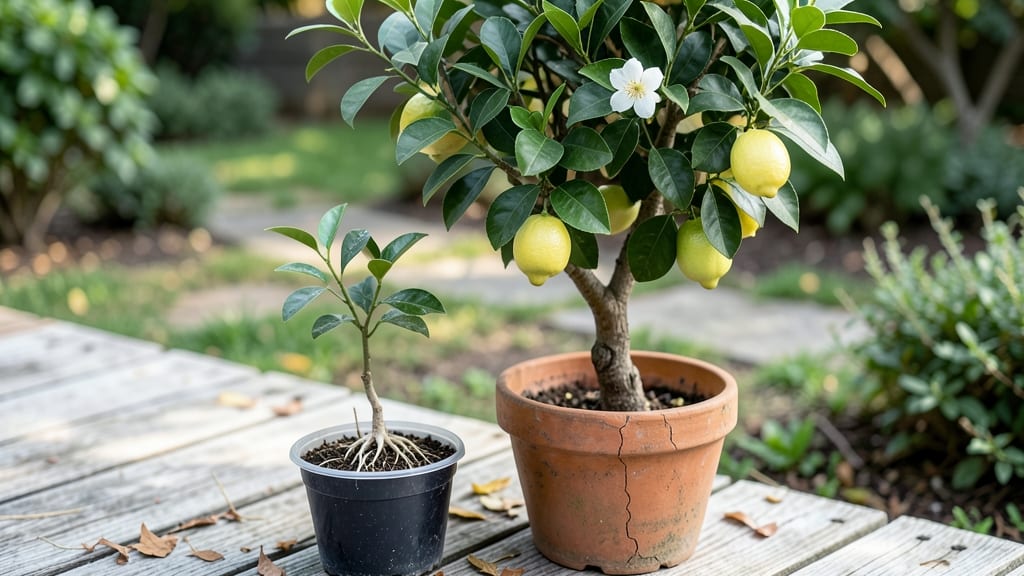
Planting a lemon tree in a pot means fresh citrus year-round, even on a tiny balcony or kitchen windowsill. 🌱 I learned the hard way that dwarf varieties like 'Meyer' are the only way to avoid root-bound disasters—my first full-sized tree took up more space than my entire patio.
The trick isn't just the pot size, but the soil mix and drainage that keeps roots happy without drowning them.
You'll need a 15-20 gallon container for mature trees, well-draining soil with perlite or sand, and a saucer to catch runoff. Most people overwater, so I use my finger to check moisture—if the top inch is dry, it's time to water.
Place your pot where it gets 6-8 hours of sunlight daily, but protect it from harsh afternoon sun in hot climates. That first year is all about patience; your tree will focus on roots before it even thinks about lemons.
By summer's end, you'll see glossy new leaves and maybe even a few tiny blossoms. The real magic happens in year two when you get your first harvest—tiny, sweet lemons perfect for tea or marmalade.
The key is repotting every 2-3 years and fertilizing lightly during growing months. No green thumb required, just consistent care and a sunny spot.
This method works for patios, decks, or even sunny windows—just adjust your light source in winter. The only challenge is winter care: move indoors if temperatures dip below 40°F. With these basics, you're not just growing a tree; you're creating a mini citrus grove that keeps giving for decades.
📚 In This Guide
- What you need
- Instructions
- Tips and common mistakes
- Wrapping up and next steps
What you need
- ● Lemon tree (Citrus × limon) – Choose a dwarf or Meyer lemon variety for pots (available at nurseries or online).
- ● Pot (15–25 gallons) – Ensure it has drainage holes and is at least 12–18 inches deep for mature trees.
- ● High-quality potting mix – Use a well-draining blend like cactus/succulent mix + perlite (50/50 ratio) or a citrus-specific soil.
- ● Drainage layer – 2–3 inches of gravel, pumice, or broken pottery pieces to prevent root rot.
- ● Fertilizer (balanced or citrus-specific) – Look for a 10-10-10 or 8-3-9 NPK ratio (organic options like fish emulsion work too!).
- ● Watering can with a narrow spout – For precise watering without disturbing the soil.
- ● Pruning shears – Sharp, clean shears to trim dead growth or shape the tree.
- ○ Support stake (optional but helpful) – A 3–4 foot tall bamboo or metal stake for young trees to prevent toppling.
- ● Self-watering pot system – Great for busy gardeners or if you travel often.
- ● Mulch (e.g., pine bark or straw) – Helps retain moisture and regulate soil temperature.
- ● Citrus food or micronutrients – Lemon trees love extra zinc, iron, and magnesium (check for deficiencies like yellow leaves!).
- ● Grow lights (LED full-spectrum) – If indoors, supplement with 12–14 hours of light daily in winter.
- ● Pest control (neem oil, insecticidal soap) – Preemptive strike against aphids, spider mites, or scale.
Step-by-step instructions for growing a potted lemon tree
Here's how to get your citrus thriving in containers—no yard needed.
🪴 Step 1: Choose the Right Pot and Drainage
Start with a 5-gallon container (minimum) for your first year, since lemon trees need room for roots to breathe. I always look for pots with multiple drainage holes—no exceptions. If yours only has one, drill a few extra around the bottom. Place a 2-inch layer of gravel or broken pottery at the base to prevent soil from clogging the holes.
Terracotta pots work best because they wick away excess moisture, but avoid anything smaller than 12 inches in diameter. Your lemon tree will outgrow a cramped pot fast, and repotting stressed plants is a recipe for root rot. Here's the thing—lemon trees hate soggy feet, so drainage isn't optional.
🌱 Step 2: Plant With Well-Draining Soil Mix
Fill the pot with a blend of equal parts potting mix, perlite, and coarse sand. I mix this right in the pot to ensure even distribution. Lemon trees despise compacted soil—it suffocates their roots. Press the soil down gently but firmly around the root ball of your young tree, leaving about 1 inch of space between the soil surface and the pot rim.
Water thoroughly until it drains freely from the bottom. You'll know it's right when water runs out the drainage holes without pooling. Skip the fertilizer for the first 4-6 weeks—new plants need time to adjust to their fresh home. Real talk: Overwatering at this stage is the #1 killer of potted citrus.
☀️ Step 3: Position for Maximum Sunlight
Lemon trees demand 6-8 hours of direct sunlight daily. A south-facing window works for small trees, but most homes can't provide enough intensity. I use a grow light on a timer (14 hours/day) when natural light falls short—especially in winter. Move the light closer as your tree grows to maintain that 4-6 inch gap above the leaves.
Watch for these signs: Leaves turning yellow or stretching toward the light means more sun is needed. If leaves develop brown patches, it's too hot—move the pot to a spot with bright, indirect light for a few days. Here's the moment that matters: When you see new growth within 8-12 weeks, you've got the light right.
💧 Step 4: Water and Fertilize for Healthy Growth
Water when the top 2 inches of soil feel dry. Stick your finger in—if it comes out clean, it's time. Lemon trees hate soggy soil but also can't handle drought. I water deeply until it runs from the drainage holes, then empty the saucer to prevent root rot. In summer, you might water every 2-3 days; in winter, every 7-10 days.
Start fertilizing in spring with a citrus-specific fertilizer every 4-6 weeks. I switch to half-strength in winter when growth slows. Yellow leaves often mean overwatering or too much fertilizer—cut back immediately if you see this. The goal is steady, lush growth, not rapid but unsustainable spikes.
✂️ Step 5: Prune and Repot as Needed
Prune in late winter to shape the tree and encourage new growth. Use sterilized pruning shears to cut back any leggy branches by one-third. Remove any dead or crossing branches—this improves airflow and fruit production. I always clean my shears with rubbing alcohol between cuts to prevent disease.
Repot every 2-3 years when roots circle the pot. Choose a container 2-3 inches larger in diameter and refresh the soil mix. The best time is early spring, just before new growth begins. Don't skip this—root-bound trees produce fewer lemons and struggle to absorb water.
Tips & tricks for perfect potted lemon trees
Here's what nobody tells you about keeping your citrus thriving year-round.
Pot Selection: If you can't find terracotta pots, look for glazed ceramic or plastic containers with drainage holes. The key is ensuring your chosen pot has at least 4 drainage holes—more is always better. I've seen people use decorative pots without drainage and end up with root rot within months. The 5-gallon minimum size is non-negotiable for the first year, but if you're impatient, you can start with a 3-gallon pot and upgrade after 6 months.
Soil Mix Secret: The equal parts potting mix, perlite, and coarse sand blend is crucial, but don't stress about measuring perfectly. I often use 60% potting mix, 20% perlite, and 20% coarse sand for slightly better moisture retention. For the first few weeks, I recommend adding a handful of worm castings to the mix—it gives your tree a natural nutrient boost without overdoing it. This isn't optional, but it's not in the instructions because it's not essential.
Lighting Adjustments: Those 6-8 hours of direct sunlight are critical, but don't panic if your windows can't provide enough. I've had success with full-spectrum LED grow lights on a timer for 14 hours/day—just position them 6-12 inches above the leaves. Watch for leaves stretching toward the light (called etiolation)—this means your tree needs more intensity. If you notice this, move the light closer or increase the timer by 1-2 hours.
Watering Wisdom: The finger test for the top 2 inches of soil works, but here's the thing: I always water until I see moisture coming out of the drainage holes at the bottom. This ensures the entire root ball gets hydrated. In winter, I reduce watering to every 10-14 days because the tree's growth slows down naturally. The key is consistency—lemon trees hate both drought and soggy conditions.
Pro Tips for Planting A Lemon Tree In A Pot
- Here's what nobody tells you about keeping your citrus thriving year-round.
- Pot Selection: If you can't find terracotta pots, look for glazed ceramic or plastic containers with drainage holes.
- Soil Mix Secret: The equal parts potting mix, perlite, and coarse sand blend is crucial, but don't stress about measuring perfectly.
Frequently asked questions
Got questions about growing a lemon tree in a pot? You’re not alone! Here are some of the most common concerns—and their solutions—to help you succeed with your citrus project.
What’s the best pot size for a lemon tree?
A lemon tree needs room to grow, so start with a 5-gallon pot for young trees and upgrade to 15+ gallons as it matures. Ensure the pot has drainage holes to prevent root rot. Dwarf varieties (like ‘Meyer’ lemons) thrive in smaller containers, while standard trees may outgrow 10-gallon pots within a few years.
When is the best time to plant a lemon tree in a pot?
The ideal time is early spring when temperatures are mild (60–75°F). This gives roots time to establish before summer heat. If planting in fall or winter, avoid frost—lemon trees are tender perennials and can’t survive below 25°F. Container-grown trees can be moved indoors during cold snaps for extra protection.
How often should I water a potted lemon tree?
Water when the top 1–2 inches of soil are dry, typically every 5–7 days in summer or every 10–14 days in winter. Overwatering is riskier than underwatering—check soil moisture with your finger. Yellow leaves often signal overwatering, while drooping or crispy leaves mean it’s thirsty. Use well-draining soil to avoid soggy roots.
How much sunlight does a potted lemon tree need?
Lemon trees are sun-worshippers! Provide 6–8 hours of direct sunlight daily. South- or west-facing windowsills or outdoor patios work best. In low-light spots, supplement with a grow light (12–14 hours/day). Leggy growth or sparse leaves? It’s likely not getting enough light.
What pests or diseases should I watch for in a potted lemon tree?
Common issues include:
- Spider mites: Tiny webs on leaves? Spray with water or use neem oil.
- Scale insects: Sticky residue on leaves? Scrub off with soapy water.
- Root rot: Yellow leaves + foul smell? Ensure proper drainage and reduce watering.
- Citrus canker: Bumpy spots on leaves? Remove infected parts and use copper fungicide.
Prevent pests with regular inspections and good airflow!
Wrapping up and next steps
Growing a lemon tree in a pot isn’t just possible—it’s a rewarding way to enjoy fresh citrus year-round, even in small spaces! 🌱 With the right container, sunlight, and care, your tree can thrive and even produce juicy lemons.
Start small, stay patient, and soon you’ll be harvesting your own homegrown fruit.
Ready to take the next step? Pick your pot, plant your seedling, and watch it grow! Whether you’re a beginner or a seasoned gardener, your citrus adventure starts today.