
Container Gardens
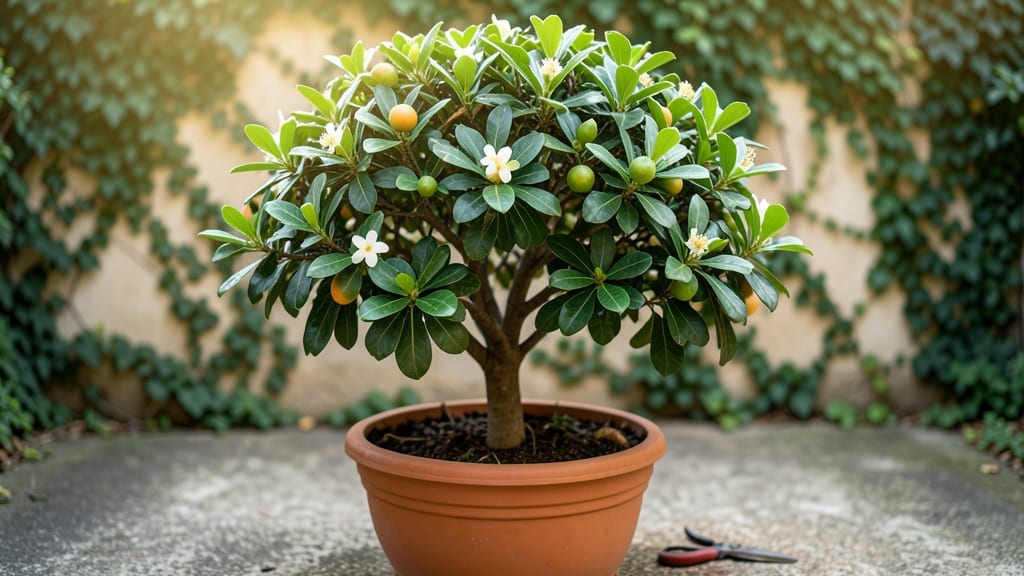
Growing a loquat tree in a pot lets you enjoy sweet, citrusy fruit even in tiny patios or balconies—something I never thought possible until I tried it myself. 🌱 The key is choosing the right container and mimicking the tree’s natural growing conditions, which are surprisingly simple once you know the tricks.
You’ll need a 15-20 gallon pot with drainage holes, a well-draining soil mix, and a spot that gets 6-8 hours of sunlight daily.
Loquats thrive in containers because they’re naturally small trees, but they do need regular watering—about once a week in summer and less in winter—plus a balanced fertilizer every 4-6 weeks during growing season.
By next summer, you’ll be harvesting bright orange fruits straight from your porch, their sweet-tart flavor perfect for fresh eating or baking. The tree stays compact, making it ideal for urban spaces, and with proper pruning, it produces more fruit than you’d expect from such a small plant.
Even in winter, a loquat in a pot keeps its leaves and can fruit again if you protect it from hard freezes. The real magic happens when you see those first blossoms in early spring—proof that container growing works wonders when you get the basics right.
📚 In This Guide
- What you need
- Instructions
- Tips and common mistakes
- Wrapping up and next steps
What you need
- ● Loquat Tree: A young Eriobotrya japonica sapling (3–5 years old) or a dwarf variety for pots (check local nurseries or online plant shops).
- ● Container: A large pot (18–24 inches in diameter) with drainage holes (terracotta or fabric pots work best).
- ○ Optional: A saucer or tray to catch runoff.
- ● Well-Draining Soil: A mix of: 60% cactus/succulent mix or potting soil (lightweight and airy).
- ● 30% perlite or pumice (for drainage).
- ● 10% organic compost (for nutrients).
- ● Drainage Layer: 1–2 inches of gravel or small pebbles at the bottom of the pot.
- ● Fertilizer: A balanced, slow-release fertilizer (10-10-10 or 20-20-20) or organic options like fish emulsion (apply every 4–6 weeks in growing season).
- ● Watering Can or Hose: With a gentle spray nozzle for hydration.
- ● Pruning Shears: Sharp, clean shears for trimming (sterilize with rubbing alcohol between cuts).
- ● Mulch: Pine bark or coconut coir to retain moisture and regulate temperature.
- ● Support Stakes: For young trees (if needed) to prevent toppling.
- ● Grow Lights: If indoors, a full-spectrum LED grow light (12–16 hrs/day) for winter.
- ● Humidity Tray: A pebble tray with water to boost humidity in dry climates.
- ● Citrus/Orchid Fertilizer: Acid-loving plants thrive with a low-nitrogen, high-potassium blend (like 5-10-10).
Step-by-step guide for growing a loquat tree in a pot
This compact citrus relative thrives in containers—here’s how to keep it healthy and fruiting year-round.
🪴 Step 1: Select the Right Container and Drainage
Choose a 15-20 gallon pot with drainage holes—loquats hate soggy roots. I use unglazed terra cotta because it breathes and prevents root rot. If your pot lacks holes, drill 4-6 evenly spaced holes along the bottom. Add a 2-inch layer of gravel or broken pottery at the base to create an air gap—this prevents waterlogging while allowing excess moisture to escape.
Here's the thing—loquats grow slowly but develop deep roots. If you're limited to smaller pots, opt for fabric grow bags instead. They expand slightly as roots grow, giving your tree more room without transplanting. Just ensure the bag has drainage holes and isn’t fully waterproof.
🌱 Step 2: Use Well-Draining Soil and Fertilize for Fruit Production
Fill the pot with a mix of 50% high-quality citrus potting soil, 30% perlite or pumice, and 20% compost. Loquats need slightly acidic soil (pH 5.5-6.5)—test your mix with a pH meter if unsure. Avoid garden soil; it compacts and suffocates roots. I like to pre-moisten the mix before planting to encourage root spread immediately.
Add a slow-release citrus fertilizer (like Osmocote) at planting time—follow the package rate for 15-gallon pots. Loquats are heavy feeders, so I top-dress with organic citrus fertilizer every 6-8 weeks during spring and summer. Avoid high-nitrogen blends; they promote leafy growth at the expense of fruit. Watch for yellowing leaves—this often signals over-fertilizing or poor drainage.
☀️ Step 3: Position for Sunlight and Protect from Cold Drafts
Loquats need full sun (6-8 hours daily) to fruit well. Place your pot in a south-facing spot where it gets morning sun and afternoon shade in hot climates—this prevents leaf scorch. If indoors, position near a south-facing window or supplement with a grow light for 12-14 hours daily. You’ll notice pale, leggy growth if light is insufficient—adjust immediately.
In winter, loquats tolerate temperatures down to 20°F but prefer above 40°F. Move pots indoors near a bright window or wrap the pot in bubble wrap to insulate roots. Avoid sudden temperature swings—loquats drop fruit if shocked. If your tree is near a drafty door or AC vent, relocate it to a stable spot. A thermometer near the plant helps track conditions.
💧 Step 4: Water Deeply and Adjust for Seasonal Needs
Water when the top 2 inches of soil feel dry—stick your finger in to check. Loquats in pots dry out faster than in-ground trees. I water deeply until it drains from the bottom, then empty the saucer after 10 minutes to prevent root rot. Overwatering is the #1 killer of potted loquats—yellow leaves and mushy stems are red flags.
Reduce watering in winter when growth slows. A well-draining mix should stay moist but not soggy. If the pot feels light when lifted, it’s time to water. Here’s a trick: Weigh the pot when it’s dry, then again when wet—you’ll quickly learn the difference. Mulch the soil surface with 1 inch of bark chips to retain moisture and regulate temperature.
✂️ Step 5: Prune for Shape and Fruit Production
Prune in late winter or early spring before new growth starts. Remove dead, crossing, or weak branches first—this improves airflow and reduces disease risk. Loquats fruit on new wood, so avoid heavy pruning. I trim back overly long branches by 1/3 to encourage bushier growth. Use sterilized pruners to prevent bacterial infections.
Shape the tree into an open vase form—this lets sunlight penetrate to inner branches where fruit forms. If your loquat gets too leggy, cut back the longest stems to a bud facing outward. You’ll see more blossoms and fruit in subsequent seasons if you prune correctly. Avoid pruning after June—new growth won’t harden off before winter.
Tips & tricks for perfect loquat tree in pot
Real talk: Growing a loquat tree in a pot isn't just about throwing a plant in a container and hoping for fruit. Here's what nobody tells you—these details make all the difference.
Container Upgrade: While a 15-20 gallon pot works, I've found that fabric grow bags actually perform better for long-term growth. They allow roots to expand naturally without transplanting, and the breathable material prevents the soil from becoming waterlogged. If you choose fabric, just make sure it has drainage holes and isn't completely waterproof—loquats need that airflow to thrive. The key is finding something that mimics natural root conditions while keeping the tree contained.
Soil pH Secret: That pH 5.5-6.5 range isn't just a suggestion—it's crucial for nutrient availability. I always test my mix with a simple pH meter before planting. If your soil tests too alkaline, add a handful of sulfur granules to the mix and re-test after a few days. The difference in leaf health and fruit production is dramatic. Think of it as the difference between a car running on premium versus regular gas—you'll notice the performance difference immediately.
Lighting Strategy: The 6-8 hours of sunlight requirement is non-negotiable for fruiting, but here's the thing about indoor growing: grow lights make all the difference. I use a full-spectrum LED light on a timer for 12-14 hours daily when my tree needs extra support. Position it about 12-18 inches above the tree—too close and you'll scorch leaves, too far and it won't be effective. Watch for those pale, leggy growth signs mentioned in the instructions—they're your first warning that light is insufficient.
Winter Protection Hack: When temperatures drop below 40°F, I don't just move the pot indoors—I create a microclimate. Place the pot on a tray of pebbles with water underneath (but not touching the pot). This adds humidity while the pot stays elevated. I also wrap the pot itself in bubble wrap, leaving the top open for airflow. This simple setup maintains stable root zone temperatures and prevents the shocking temperature swings that cause fruit drop.
Pro Tips for Loquat Tree In Pot
- Real talk: Growing a loquat tree in a pot isn't just about throwing a plant in a container and hoping for fruit. Here...
- Container Upgrade: While a 15-20 gallon pot works, I've found that fabric grow bags actually perform better for long-...
- Soil pH Secret: That pH 5.5-6.5 range isn't just a suggestion—it's crucial for nutrient availability. I always test m...
Frequently asked questions
Got questions about growing a loquat tree in a pot? You’re not alone! Here are answers to the most common queries—from pruning tips to troubleshooting—so you can enjoy year-round fruit without the fuss.
How big does a loquat tree in a pot get?
A dwarf or semi-dwarf loquat variety in a 15-20 gallon pot typically stays between 6–10 feet tall. Regular pruning keeps it compact, but expect slower growth compared to in-ground trees. Choose a ‘Big Jim’ or ‘Algerian’ for manageable sizes.
When should I repot my loquat tree?
Repot every 2–3 years in spring when roots circle the pot. Use a well-draining mix (60% cactus/succulent soil, 30% perlite, 10% compost) and upgrade to a pot just 2–3 inches wider than the current one. Avoid repotting during fruiting seasons.
Can a potted loquat tree produce fruit?
Yes! With proper care—full sun (6+ hours/day), regular watering, and cross-pollination—potted loquats bear fruit in 3–5 years. Choose self-pollinating varieties like ‘Walsh’ or plant two trees nearby. Smaller pots may reduce yield, but fruit quality often improves!
Why are my loquat leaves turning yellow?
Yellow leaves usually signal overwatering, nutrient deficiency, or root rot. Check drainage (pots should have holes!), water only when the top 2 inches of soil are dry, and fertilize monthly with citrus-specific food in growing seasons. Fungal issues? Prune affected leaves and treat with neem oil.
Do I need to bring my potted loquat indoors in winter?
Most loquats tolerate light frosts (down to 20°F), but protect from hard freezes (below 15°F). Move pots to a garage or covered patio if temps drop. In mild climates, mulch the base and ensure pots aren’t sitting on cold ground. Dormant trees need less water in winter.
What’s the best alternative if I can’t grow loquats?
Try these low-maintenance, fruiting container plants:
- Dwarf Meyer lemon – Citrusy, cold-hardy, and prolific.
- Fig tree (‘Little Miss Figgy’) – Sweet fruit, drought-tolerant.
- Blueberry bush (‘Top Hat’) – Edible berries, acidic soil lover.
- Dwarf olive tree – Ornamental + edible, thrives in pots.
Wrapping up and next steps
Growing a loquat tree in a pot is a rewarding way to enjoy fresh, tropical fruit—even in small spaces! With the right container, soil, and care, you’ll savor sweet harvests year after year.
Whether you’re a beginner or a seasoned gardener, this compact fruit tree brings beauty and flavor to patios, balconies, or sunlit corners.
Ready to take the next step? Start by selecting your pot and soil mix today—then watch your little tree thrive! 🌱✨