
Pruning
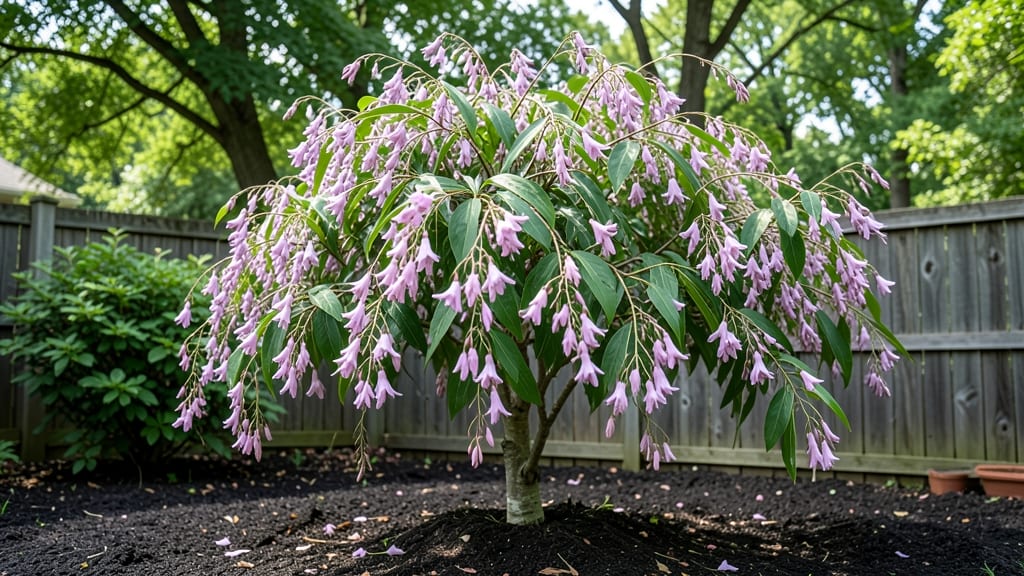
The weeping purple tree transforms any yard into a living watercolor painting. 🌿 Its cascading branches draped in deep purple leaves create a focal point that feels like a secret garden—yet it thrives with almost no fuss.
I planted mine last spring, and neighbors now stop to ask which "magic tree" it is.
This tree isn’t just pretty—it’s a year-round star. Spring brings delicate lavender blooms, summer offers velvety foliage, and fall delivers fiery red-orange leaves. Even winter’s bare branches add structure with their graceful weeping habit. The best part? You’ll spend less than 30 minutes pruning annually to keep it looking effortless.
Imagine it anchoring your front yard, framing a patio, or even lining a driveway with companions like boxwoods or ornamental grasses. The purple foliage contrasts beautifully with silver-blue foliage or white flowers, creating a high-impact, low-maintenance statement. Your garden will feel like a curated art piece without the upkeep.
Perfect for small urban yards, large estates, or even container plantings in milder climates. Let’s make your outdoor space unforgettable—one dramatic branch at a time.
📚 In This Guide
- What you need
- Instructions
- Tips and common mistakes
- Wrapping up and next steps
What you need
- ● Weeping Purple Tree (Lagerstroemia 'Natchez' or 'Tuscarora') – Choose a healthy 1- to 3-year-old sapling (5–6 ft tall) from a reputable nursery.
- ● High-quality potting soil or garden soil – Well-draining, slightly acidic (pH 5.5–6.5). Mix in compost for nutrients.
- ● Pruning shears – Bypass pruners (sharp, 6–8" blades) for clean cuts.
- ● Loppers – For thicker branches (if your tree matures larger).
- ● Gloves – Heavy-duty gardening gloves (nitrile-coated for grip).
- ○ Watering can or hose with a gentle spray nozzle – Drip irrigation (optional but ideal for deep watering).
- ● Mulch – Wood chips or pine bark (2–3 inches thick) to retain moisture and regulate soil temp.
- ● Stakes & tree ties – If planting in windy areas (3–4 stakes, 1–2" wide).
- ● Fertilizer – Slow-release balanced fertilizer (10-10-10) or acid-loving plant food (spring/fall).
- ● Tree collar spray – Copper fungicide (prevents disease if your area is prone to fungal issues).
- ● Soil moisture meter – Ensures optimal hydration without overwatering.
- ● Decorative rocks or edging – Adds a polished look around the base.
- ● String lights or solar-powered stakes – Highlights the tree’s dramatic purple foliage at night!
Step-by-Step guide to planting and caring for a weeping purple tree
Here's how to establish this striking tree with minimal fuss.
🌱 Step 1: Select and Prepare the Planting Site
The weeping purple tree thrives in full sun to partial shade (at least 6 hours of direct light daily). Choose a location with well-draining soil—this tree hates soggy roots. I always dig a hole twice as wide as the root ball but only as deep as the container it came in. The top of the root ball should sit 1-2 inches above ground level to prevent water pooling.
If your soil is heavy clay, mix in 2-3 inches of compost from the ingredients list into the bottom of the hole. This improves drainage and gives roots a nutrient boost right away. Tap the tree gently to settle it in the hole, then backfill with native soil, pressing lightly to eliminate air pockets. Water deeply to help soil settle around the roots.
☀️ Step 2: Position for Optimal Growth and Visual Impact
This tree's dramatic weeping habit makes placement critical. I recommend planting it where the cascading branches will create a focal point—near patios, entryways, or as a standalone specimen. The purple foliage glows most vibrantly when positioned to catch morning sunlight, which intensifies the color without scorching leaves in afternoon heat.
For best air circulation, leave 10-12 feet of space between this tree and others. Proper spacing prevents fungal diseases that thrive in dense, humid conditions. If planting near a wall or fence, ensure the mature canopy won't rub against it—these branches grow 15-20 feet long over time. Water the tree 2-3 times weekly for the first month to encourage root establishment, then taper to once weekly once established.
✂️ Step 3: Implement Minimal Pruning for Shape and Health
The weeping purple tree's natural shape requires minimal intervention, but strategic pruning enhances its dramatic silhouette. I prune once annually in late winter (before new growth begins) to remove any dead, crossing, or weak branches. Use clean, sharp pruners to make cuts just above a leaf node or outward-facing bud to encourage healthy regrowth.
For shaping, focus on lifting the center of the tree slightly to create that classic weeping form. Never remove more than 25% of the canopy in one season—this tree responds poorly to aggressive pruning. After pruning, apply a balanced fertilizer (10-10-10 ratio) to support new growth. Mulch around the base with 2-3 inches of organic mulch to retain moisture and suppress weeds, keeping it 6 inches away from the trunk to prevent rot.
💧 Step 4: Maintain Year-Round Color and Vitality
This tree's purple foliage stays vibrant with consistent care. Water deeply once weekly during dry spells, aiming for 1-1.5 gallons per watering for established trees. The key is deep, infrequent watering—shallow watering encourages weak root systems. Check soil moisture by sticking your finger 2 inches down; if dry, it's time to water.
Fertilize twice annually: once in early spring and again in mid-summer with a slow-release granular fertilizer. Avoid high-nitrogen formulas—they promote leafy growth at the expense of that stunning purple hue. In winter, reduce watering to once every 2-3 weeks unless you experience prolonged dry spells. The tree's natural dormancy period helps it handle colder temperatures beautifully.
Tips & tricks for perfect weeping purple tree planting
Took me years of trial and error to master these key details—here's how to get it right the first time.
Location is Everything: While the instructions mention full sun to partial shade, I've found the sweet spot is actually morning sun with afternoon shade in hotter climates. This prevents leaf scorch while still maintaining that vibrant purple color. If your yard has intense afternoon sun, consider planting near a north-facing wall or under a larger tree that provides dappled shade. The 6 hours of direct light is non-negotiable, but timing matters just as much as quantity.
Soil Prep Secret: When amending heavy clay soil, I go beyond the 2-3 inches of compost recommendation and add a handful of perlite to the mix. This creates tiny air pockets that improve drainage dramatically. For sandy soils, mix in 1 part peat moss to 3 parts native soil to help retain moisture without suffocating roots. The key is creating that perfect balance where water drains freely but doesn't wash away nutrients.
Watering Wisdom: The 2-3 times weekly watering for the first month might seem excessive, but trust me—this establishes strong root systems that prevent transplant shock. I use a soaker hose for the first week to ensure water penetrates deeply without disturbing the soil surface. For established trees, the 1-1.5 gallons per week guideline works perfectly, but I always check that moisture reaches 4-6 inches deep—not just the top 2 inches mentioned in the instructions.
Pruning Precision: When shaping in Step 3, I focus on creating a natural weeping effect by selectively thinning branches from the center outward. The 25% canopy limit is crucial—any more than that and you'll trigger stress responses. I make all cuts at a 45-degree angle just above a leaf node, which promotes faster healing. For stubborn branches, I use pruning shears with a bypass action rather than anvil-style cutters to prevent crushing the branch.
Pro Tips for Weeping Purple Tree
- Took me years of trial and error to master these key details—here's how to get it right the first time.
- Location is Everything: While the instructions mention full sun to partial shade, I've found the sweet spot is actually morning sun with afternoon shade in hotter climates.
- Soil Prep Secret: When amending heavy clay soil, I go beyond the 2-3 inches of compost recommendation and add a handful of perlite to the mix.
Frequently asked questions
Got questions about the stunning Weeping Purple Tree? You’re not alone! Whether you're curious about care, growth, or styling, we’ve got answers to help you keep this showstopper thriving. Here are some of the most common queries—plus a few pro tips to make your experience even easier.
What’s the best time of year to plant a Weeping Purple Tree?
The ideal planting window is early spring or fall—when temperatures are mild, and the tree can establish roots without stress. Avoid extreme heat or frost, which can shock young plants. If you’re in a warmer climate, late summer (August-September) works too!
How often should I prune my Weeping Purple Tree?
This beauty is a pruning minimalist! Light shaping in late winter or early spring (before new growth) is enough to maintain its graceful form. Focus on removing dead branches or overcrowded growth. Pro tip: Avoid heavy pruning—it can disrupt the delicate weeping habit.
Why are the leaves turning brown or yellow?
Brown/yellow leaves usually signal underwatering, overwatering, or nutrient deficiencies. Check soil moisture (it should be evenly moist but not soggy). If leaves are crispy, water more; if mushy, reduce frequency. Yellowing? Try a balanced fertilizer in spring.
Can a Weeping Purple Tree survive in cold climates?
Yes! This tree tolerates USDA Zones 7-10. In colder areas, mulch the base in winter to protect roots. If temperatures dip below 10°F (-12°C), consider wrapping the trunk with burlap. Pro tip: Choose a sheltered spot to reduce wind damage.
Are there dwarf or smaller varieties of the Weeping Purple Tree?
Not exactly, but you can control size with pruning or opt for similar compact alternatives like ‘Purple Smoke’ Japanese maple (reaches 10-15 ft) or ‘Royal Purple’ smoke tree. For true miniatures, check out Weeping Cherry varieties like ‘Skyrocket.’
Do Weeping Purple Trees attract pests or diseases?
Generally hardy, but watch for aphids, spider mites, or fungal leaf spots in humid conditions. Treat pests with neem oil; improve airflow to prevent disease. Pro tip: Remove fallen leaves promptly to reduce fungal risks.
Wrapping up and next steps
The weeping purple tree is a stunning, low-maintenance choice for adding year-round drama to your landscape—with its vibrant purple foliage and minimal pruning needs. Whether you're drawn to its elegance or practicality, this tree proves that beauty and simplicity go hand in hand. 🌿
Ready to bring home your own living masterpiece? Start by researching local nurseries or trusted online retailers to find a healthy specimen. Once you’ve planted it, enjoy watching it thrive with just a little care—your garden (and neighbors!) will thank you.