
Pruning
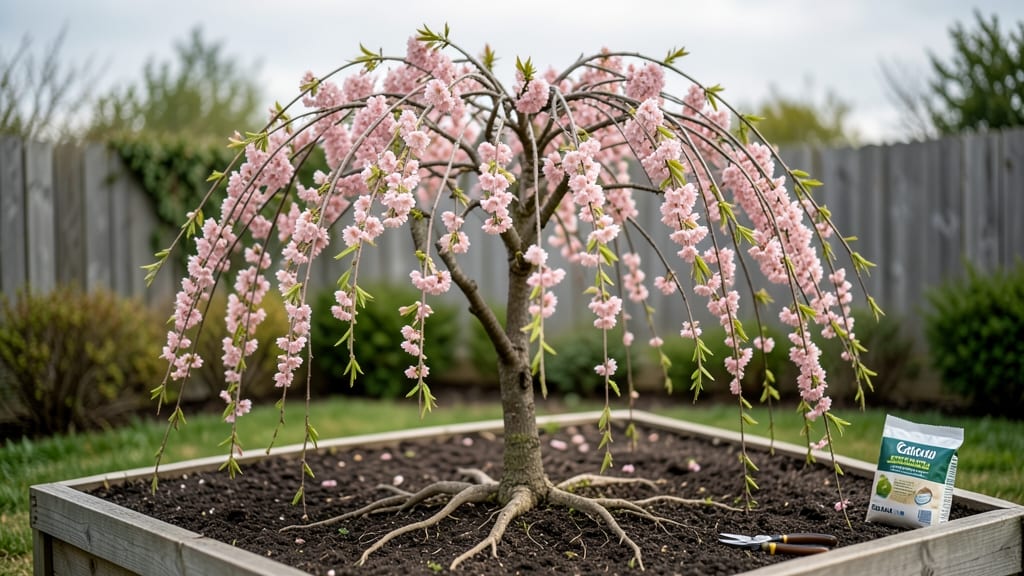
A dwarf weeping cherry tree size of just 10 feet tall and 6 feet wide makes these graceful trees ideal for small yards—think 'Skyrocket' or 'Cry Baby,' perfect for cozy corners. 🌿 first one fits snugly between my patio and driveway, its cascading branches creating a living arch without overwhelming the area.
The key is choosing the right cultivar for your space, as some grow wider than others over time.
These trees thrive in small gardens because they mature quickly—5 to 8 years to reach full size—while still delivering that signature cherry blossom drama. I planted mine near a window where I can watch the flowers unfurl each spring, and the scent alone makes it worth the space.
Just give them 6 to 8 hours of sun and well-draining soil, and they’ll reward you with years of elegant growth.
You’ll love how they pair with perennials, shrubs, or even containers at their base to fill in gaps. My setup includes lavender beneath the branches for contrast and a small birdbath nearby—birds adore the blossoms, and the whole scene feels like a miniature Japanese garden.
Pruning in late winter keeps them tidy, and the results are always stunning.
Whether you’re working with a balcony, courtyard, or just a cozy corner, these trees adapt beautifully. Their compact size means no need for heavy-duty pruning tools or massive planting holes—just a little planning upfront. Ready to add some graceful charm to your space?
📚 In This Guide
- What you need
- Instructions
- Tips and common mistakes
- Wrapping up and next steps
What you need
- ● Dwarf weeping cherry tree sapling (3–5 gallons in container, ~6–8 ft mature height)
- ● Garden shovel or trowel (for digging)
- ● High-quality potting soil or native soil mix (amended with compost for drainage)
- ● Mulch (2–3 inches) (pine bark, shredded wood, or organic mulch)
- ● Watering can or hose with nozzle (gentle spray setting)
- ○ Staking kit (optional) (if planting in windy areas)
- ● Bypass pruners (sharp, clean, for small branches)
- ● Loppers (for thicker branches up to 1 inch)
- ○ Hand saw (optional) (for stubborn, larger branches)
- ○ Pruning sealant (optional) (to prevent disease on larger cuts)
- ● Garden gloves (to protect hands from thorns)
- ● Disinfectant (70% isopropyl alcohol or bleach solution) (to clean tools between cuts)
- ● Sunlight: Full sun (6+ hours daily) for optimal growth
- ● Well-draining soil: Avoid waterlogged areas (amend clay soil with sand/compost)
- ● Space: Minimum 6–8 ft width and height (check mature size for your variety!)
- ● Water source: Consistent moisture during first year (drought-tolerant once established)
- ● Patience: Dwarf varieties grow slowly—prune lightly to encourage shape!
Step-by-step guide for planting and caring for dwarf weeping cherry trees
Here's how to nurture these graceful beauties into thriving centerpieces for your small garden.
🌱 Step 1: Choose the Perfect Planting Location
Select a spot with full sun exposure (6-8 hours daily)—this is non-negotiable for vibrant blooms. Dwarf weeping cherries need room to spread their elegant branches, so choose a location with at least 6 feet of clearance in all directions. I always look for areas where the tree's natural weeping habit will frame a patio or walkway beautifully.
Check the soil drainage by digging a small hole and filling it with water. If it drains within an hour, you're good to go. Poor drainage causes root rot, and these trees are particularly sensitive. Amend heavy clay with 2-3 inches of compost to improve aeration before planting.
🪴 Step 2: Plant at the Right Depth and Stake for Support
Dig a hole twice as wide as the root ball but only as deep as the container's bottom. Gently remove the tree from its container and loosen any circling roots with your fingers. Place the tree in the hole so the top of the root ball sits 1-2 inches above ground level—this prevents water from pooling at the base.
Backfill with native soil, tamping gently as you go to eliminate air pockets. Install two 4-foot stakes on opposite sides of the tree, then loosely tie the trunk to them with soft tree ties. Don't cinch them tight—you want some flexibility for wind movement. Water deeply immediately after planting to settle the soil around the roots.
☀️ Step 3: Water and Fertilize for Strong Establishment
Water your new tree deeply once a week for the first month, providing 1-2 gallons per watering. You'll know it's getting enough when water drains out the bottom of the planting hole. After that, water when the top 2-3 inches of soil feel dry to touch. These trees are drought-tolerant once established, but young roots need consistent moisture.
Apply a balanced 10-10-10 fertilizer at planting time, then again in early spring and midsummer. Use only half the recommended amount to avoid burning tender roots. I always scatter the granules in a circle 12 inches from the trunk and water them in thoroughly. This prevents fertilizer from concentrating where it can harm the tree.
✂️ Step 4: Prune for Shape and Health
Wait until spring, after the tree has finished blooming, to do any pruning. Remove any dead, crossing, or rubbing branches first—these are the obvious culprits. Then look for branches growing straight upward; these should be cut back to encourage the weeping habit. I like to make cuts just above a outward-facing bud to promote new growth in the right direction.
Never remove more than 25% of the tree's foliage in one season. These trees are naturally slow-growing, and aggressive pruning stresses them. After pruning, apply a thin layer of mulch around the base (keeping it 3 inches away from the trunk) to retain moisture and regulate soil temperature. This is especially important during hot summer months.
Tips & tricks for perfect dwarf weeping cherry tree planting
Real talk: These trees thrive when you pay attention to details most gardeners overlook. Here's what nobody tells you about getting it right the first time.
Sunlight Secret: That 6-8 hours of full sun isn't just a suggestion—it's the difference between spectacular spring blooms and a tree that barely flowers. I've seen these trees planted in partial shade where they produced maybe 10% of their potential blooms. If your yard has morning sun but afternoon shade, position the tree to catch those critical morning rays. South-facing locations work best in northern climates, while west-facing spots suit southern gardens.
Root Ball Rescue: When you remove that dwarf weeping cherry from its container, you'll often find roots circling the bottom like a tangled mess. These are called "pot-bound" roots, and they'll strangle your tree if left unchecked. Gently tease them apart with your fingers—no need for pruning shears. This simple step prevents root girdling, which can stunt growth for years. I always do this even when the roots look loose, because you never know what you'll find until you check.
Watering Wisdom: Those first two weeks after planting are critical. I've lost count of how many trees I've seen fail because people watered lightly every day instead of deeply once a week. The key is getting water to penetrate down to those new roots—aim for 1-2 gallons per watering, and keep it up until you see water draining from the bottom of the planting hole. This ensures the roots establish properly before they become drought-tolerant.
Fertilizer Timing: Here's what nobody tells you about that 10-10-10 fertilizer: The "half the recommended amount" rule is non-negotiable. I've seen gardeners burn tender roots by using full strength, and it's heartbreaking to watch. Also, that early spring application should happen right when you see those first buds forming—not before. Timing it with the tree's natural growth cycle gives you maximum benefit without stressing the plant.
Pro Tips for Dwarf Weeping Cherry Tree Size
- Real talk: These trees thrive when you pay attention to details most gardeners overlook.
- Sunlight Secret: That 6-8 hours of full sun isn't just a suggestion—it's the difference between spectacular spring blooms and a tree that barely flowers.
- Root Ball Rescue: When you remove that dwarf weeping cherry from its container, you'll often find roots circling the bottom like a tangled mess.
Frequently asked questions
Got questions about your dwarf weeping cherry tree? You’re not alone!
Here are answers to the most common concerns—from sizing to care—so you can keep your compact beauty thriving.
How big does a dwarf weeping cherry tree really get?
A mature dwarf weeping cherry typically reaches 6–10 feet tall and 4–6 feet wide with proper pruning. However, some cultivars (like Prunus subhirtella ‘Pendula’) stay under 6 feet. Always check the tag—dwarf doesn’t mean "miniature"! Plant spacing of 8–10 feet ensures airflow and prevents future crowding.
How long does it take for a dwarf weeping cherry to mature?
Patience is key! A dwarf weeping cherry grows 6–12 inches per year under ideal conditions. You’ll see significant height (3–5 feet) in 5–7 years, with full maturity (flowering potential) around 10 years. Early pruning encourages a bushier shape, but avoid heavy cuts—this can delay blooms.
Can I grow a dwarf weeping cherry in a container?
Dwarf varieties thrive in 15–20 gallon containers with drainage holes. Use a well-draining potting mix (like 60% soil, 30% perlite, 10% compost) and repot every 2–3 years. Place it in full sun (6+ hours/day) and water when the top inch of soil feels dry. Just remember: container-grown trees need winter protection in cold climates (use burlap wraps or move indoors if temps drop below 10°F).
When and how should I prune my dwarf weeping cherry?
Prune late winter or early spring (before buds swell) to shape the tree and remove dead/diseased branches. Use clean, sharp bypass pruners to make cuts just above a bud or branch collar. Avoid heavy pruning—focus on light shaping to maintain its graceful weeping form. Never prune after flowering, as this can reduce next year’s blooms.
Why aren’t my dwarf weeping cherry leaves turning pink/red like I expected?
Don’t worry—color intensity varies by sunlight, age, and cultivar. Young trees or those in partial shade may have muted foliage. For deeper hues, ensure full sun exposure and avoid over-fertilizing with nitrogen (which promotes green growth). Some varieties (like ‘Shirotae’) are naturally paler. If leaves stay dull green, check for nutrient deficiencies (test soil pH—ideal range is 5.5–6.5).
How cold-hardy are dwarf weeping cherries?
Most dwarf weeping cherries handle USDA Zones 5–8 (down to -15°F with proper care). In colder zones, mulch the base with 3–4 inches of wood chips in fall and water deeply before winter. If you’re in Zone 4 or below, choose Prunus serrulata ‘Kwanzan’ (a hardier alternative) or grow in a container for mobility. Avoid planting in low-lying areas where frost collects.
Wrapping up and next steps
The dwarf weeping cherry tree is the perfect choice for adding beauty without bulk to your garden! With its compact size (10–15 feet tall and wide), stunning pink blooms, and low-maintenance care, it’s ideal for small spaces, containers, or even urban landscapes.
Whether you’re a seasoned gardener or just starting out, this tree brings effortless elegance and seasonal charm.
Ready to transform your space? Pick your spot, plant with care, and watch your weeping cherry thrive! 🌸✨ For even more inspiration, explore pruning tips or container gardening ideas to maximize its beauty.