
Pruning
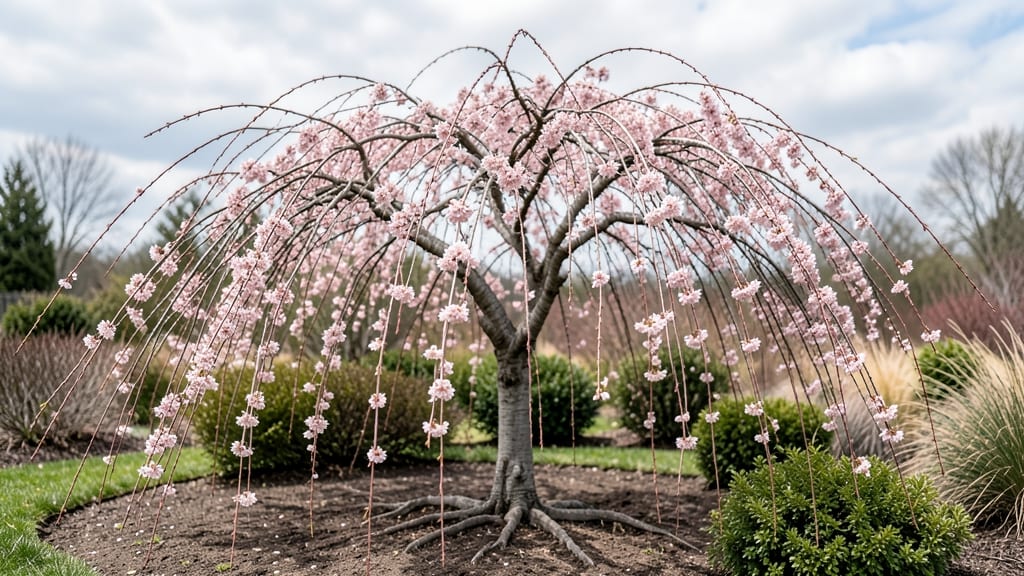
Browse through stunning weeping cherry tree images to see how its cascading branches turn any garden into a living watercolor painting, where spring blossoms perfume the air with intoxicating sweetness. 🌸 I’ve seen these trees turn ordinary backyards into dreamy retreats—whether planted as a focal point or woven into a cottage garden’s charm.
What makes them so versatile? Their year-round appeal—delicate pink or white flowers in spring, lush green foliage through summer, fiery red fall leaves, and even winter interest with their elegant branching structure.
You’ll find varieties suited for small patios (like ‘Skyll’ at just 10 feet tall) or grand lawns (like ‘Kanzan’ reaching 25 feet). The key is choosing the right spot: partial shade preserves their vibrant colors, while well-drained soil keeps roots happy.
Imagine your garden in spring: clusters of blossoms spilling over a stone path, their scent mingling with the air. In autumn, those same branches blaze red against a golden backdrop. Pair them with hostas for shade-loving companions or boxwoods for structured contrast.
The tree’s graceful form even softens modern landscapes, proving it’s not just a classic but a timeless star in any design.
Ready to bring this magic to your yard? We’ll cover placement tricks, seasonal care, and how to highlight their beauty year after year—no green thumb required. The transformation starts with a single branch reaching toward the sky.
📚 In This Guide
- What you need
- Instructions
- Tips and common mistakes
- Wrapping up and next steps
What you need
- ● Camera: DSLR, mirrorless, or high-end smartphone (with manual settings for best results).
- ● Lenses: Wide-angle (16-35mm) for dramatic landscapes.
- ● Macro lens (50mm–105mm) for close-up blossoms and delicate details.
- ● Telephoto (70-200mm) to capture distant branches without distortion.
- ● Tripod: Sturdy, lightweight model (e.g., Manfrotto or Joby) for low-light or long-exposure shots.
- ● Remote shutter: Wireless or cable release to avoid camera shake.
- ● Memory cards: High-capacity (32GB–128GB) with fast write speeds (UHS-II).
- ● Storage: External hard drive or cloud backup (Google Photos, Dropbox) for raw files.
- ● Pruning shears: Bypass pruners (e.g., Felco) for shaping branches before the shoot.
- ● Step stool or ladder: Non-slip, 6–8 ft tall (e.g., GorillaPod stand for stability).
- ● Reflectors/diffusers: 5-in-1 reflector kit to enhance lighting and reduce harsh shadows.
- ● ND filters: Neutral density filters (e.g., 3–10 stops) for smooth water effects in streams near the tree.
- ● Weatherproof gear: Rain cover for camera/lens, gloves, and a portable umbrella for overcast days.
- ● Best time to shoot: Early morning (soft light) or late afternoon (golden hour). Avoid midday sun!
- ● Tree health check: Ensure the tree is pest-free and pruned (remove dead branches 2–3 weeks before shooting).
- ● Location scouting: Visit the tree in all seasons to plan angles for year-round imagery.
- ● Permissions: Check local park/rural land rules if photographing on private property.
How to maintain a weeping cherry tree’s graceful form and seasonal beauty
Here's how to keep your tree's iconic silhouette and fragrant blooms thriving year after year.
🌿 Step 1: Prune for Structure in Late Winter
Use sharp pruning shears to remove 30-40% of last year’s growth during late winter dormancy (February-March). Focus on thinning out crowded branches to maintain the tree’s natural weeping shape. I always start by removing dead, diseased, or crossing branches—these compete with healthy growth and disrupt the elegant cascade.
Make cuts just outside the branch collar where it meets the trunk. Avoid cutting into the swollen bud—this ensures new growth emerges from the right place. For larger branches over ½ inch thick, use three-cut pruning technique to prevent bark tearing. Here's the thing—weeping cherries respond beautifully to light pruning, so resist the urge to overdo it.
☀️ Step 2: Position for Optimal Sun and Airflow
Plant your weeping cherry in full sun (6+ hours daily) with well-draining soil. The tree’s delicate branches need good airflow to prevent fungal diseases like powdery mildew. If your yard has shade issues, choose a location where it gets morning sun and afternoon dappled light—this still supports blooming.
I always stake young trees for the first two growing seasons to prevent wind rock. Use two sturdy stakes placed 12 inches from the trunk and 6 inches deep, tied loosely with soft tree ties. Too-tight ties can girdle the trunk as it grows. Mulch with 3 inches of organic mulch (like shredded bark) around the base, keeping it 6 inches away from the trunk to prevent rot.
✂️ Step 3: Summer Maintenance for Healthy Growth
After spring blooms fade, remove spent flower clusters to encourage new growth and next year’s buds. Use clean pruners to cut just above a leaf bud or side branch. This step is crucial—skipping it can lead to leggy growth and fewer blooms. I also check for aphid infestations (common on new shoots) and treat with neem oil spray if needed.
Water deeply once a week during dry spells, ensuring moisture reaches 12-18 inches deep. Weeping cherries have shallow but widespread roots, so drip irrigation works best. Avoid overhead watering—wet foliage invites fungal issues. If leaves yellow between veins, it’s likely iron chlorosis, a common problem in alkaline soils. A chelated iron supplement applied in early spring fixes this quickly.
🪴 Step 4: Winter Protection for Young Trees
For the first three winters, wrap the trunk with tree guard to prevent rodent damage and sunscald. Use burlap or frost cloth to shield young branches from winter winds, especially if your climate drops below 10°F. I’ve seen weeping cherries suffer from winter burn—brown, crispy edges on leaves—so this step saves a lot of heartache.
Mulch again in early fall with 4-6 inches of organic material, piling it 3 inches high at the base. This insulates roots against freeze-thaw cycles. Avoid heavy mulch piles against the trunk—too much moisture causes rot. In USDA Zones 5-6, consider wrapping the canopy with burlap if heavy snow loads branches. Shake off accumulated snow to prevent splitting limbs.
Tips & tricks for perfect weeping cherry tree maintenance
Here's what I've learned after years of keeping these elegant trees looking their absolute best.
Pruning Precision: When you're removing that 30-40% of last year's growth in Step 1, focus on creating an open center. I've found that removing branches from the inside outward creates better airflow and prevents fungal issues. Look for branches that grow inward—they're the ones disrupting that graceful weeping shape. Use your pruners to make clean cuts just outside the branch collar, and always cut at a slight angle to prevent water from pooling.
Sunlight Strategy: That full sun requirement in Step 2 isn't just about aesthetics—it's crucial for those fragrant blooms. If your yard doesn't get full sun, consider planting near a south-facing wall or fence that reflects sunlight. For partial shade situations, prioritize morning sun exposure. I've noticed trees in afternoon shade still produce blooms, but they're noticeably fewer than their sun-soaked counterparts.
Root Care Secret: The shallow but widespread root system mentioned in Step 3 means you need to think differently about watering. Instead of frequent shallow watering, focus on deep, infrequent watering that encourages roots to grow downward. I've had success using a soaker hose for 20-30 minutes once a week during dry spells, which mimics natural rainfall patterns much better than sprinklers.
Winter Protection Wisdom: That 10°F threshold in Step 4 is important—it's when cold damage becomes more likely. For trees in colder climates, I recommend adding an extra layer of protection by wrapping the entire canopy with burlap during the coldest months. This creates a microclimate that can protect tender new growth. And remember, those snow loads can be heavier than they look—shaking off accumulated snow prevents branch breakage.
Pro Tips for Weeping Cherry Tree Images
- Here's what I've learned after years of keeping these elegant trees looking their absolute best.
- Pruning Precision: When you're removing that 30-40% of last year's growth in Step 1, focus on creating an open center.
- Sunlight Strategy: That full sun requirement in Step 2 isn't just about aesthetics—it's crucial for those fragrant blooms.
Frequently asked questions
Got questions about weeping cherry tree images and their stunning year-round beauty? You’re not alone! Here are answers to common queries to help you care for—or simply admire—these graceful trees.
When is the best time to prune a weeping cherry tree for optimal blooms?
Prune your weeping cherry tree after flowering (late spring to early summer) to avoid cutting off next year’s blossoms. Light shaping can also happen in late winter (before buds swell), but avoid heavy pruning—these trees have a delicate structure. Pro tip: Use sharp, sterilized tools to prevent disease!
Why do some weeping cherry tree images show pink blooms while others are white?
Weeping cherry trees come in both pink and white varieties, each with its own charm! Pink blooms (like Prunus serrulata ‘Kanzan’) are classic, while white varieties (e.g., Prunus subhirtella ‘Autumnalis’) often bloom later or even in winter. Check your tree’s tag or consult a nursery for specifics!
Can I grow a weeping cherry tree in a container? If so, how?
Yes! Dwarf varieties (like Prunus ‘Shirotae’) thrive in large containers (15+ gallons) with well-draining soil and regular watering. Use a tree-specific pot with drainage holes and repot every 2–3 years. Note: Container trees may need winter protection in cold climates (e.g., burlap wrap or a sheltered spot).
What should I do if my weeping cherry tree’s branches look bare or dead?
Bare branches can mean dormancy, disease, or winter damage. First, check for buds at the branch tips—if they’re swollen, the tree is alive! Prune dead wood in late winter. If most branches are bare, test for pests or fungal issues (like canker disease) and treat accordingly. Patience helps—some varieties bloom later!
Are there low-maintenance alternatives to weeping cherry trees with similar beauty?
Consider these fragrant, low-maintenance options:
- Japanese maple (‘Bloodgood’): Vibrant foliage, compact size.
- Crabapple (‘Sargent’): Disease-resistant, spring blooms.
- Magnolia (‘Ann’): Glossy leaves, creamy flowers.
- Smokebush (‘Grey Owl’): Drought-tolerant, pink fall color.
All offer year-round interest with less fuss than cherries!
Wrapping up and next steps
The weeping cherry tree’s ethereal beauty and graceful form make it a standout in any garden, offering year-round charm with its delicate blooms and elegant silhouette. Whether you’re capturing its seasonal transformations or pruning for optimal health, these trees reward patience and care with breathtaking results. 🌸
Now that you’re equipped with pruning tips and answers to common questions, why not take the next step? Sketch a rough plan for your tree’s care schedule, or share your favorite weeping cherry tree image with fellow gardeners for inspiration. Happy growing! 🌿